
Gezicht op de Rijn bij Straatsburg — History & Facts
Where does light end, and longing begin? In the play of soft hues across the flowing river, time becomes both a witness and a participant. Look to the left at the gentle curve of the Rhine, where the water glistens under a serene sky. Notice the delicate strokes that define the landscape, with muted greens and browns giving way to the vibrant reflections shimmering on the surface. The distant silhouettes of Strasbourg’s architecture rise gracefully in the background, each building a silent guardian of history, while the figures along the riverbank hint at lives intertwined with the flow of time.
The composition captures a stillness that breathes, inviting the viewer to linger in this moment of tranquil reverie. As light dances upon the water’s surface, the contrasts between the vivid sky and the subdued earth evoke a sense of yearning. Here, water symbolizes not just a physical barrier but a passage through memory, each ripple echoing stories of those who have come before. The painted figures, small yet significant, illustrate the human connection to nature, underscoring our transient existence against the backdrop of a timeless landscape.
Such details weave a tapestry of emotion, where each brushstroke reveals the complexity of human experience in the face of nature's permanence. In 1635, Wenceslaus Hollar painted this work while living in Antwerp, having fled the Thirty Years' War in Prague. This period marked a time of great turmoil in Europe, yet Hollar's meticulous attention to detail and his emotive portrayal of the landscape reflect a burgeoning appreciation for the natural world within the context of Baroque artistry. His choice of subject matter foreshadowed the Romantic emphasis on personal experience and the sublime, paving the way for future explorations of light and emotion in art.
More Artworks by Wenceslaus Hollar
Browse all →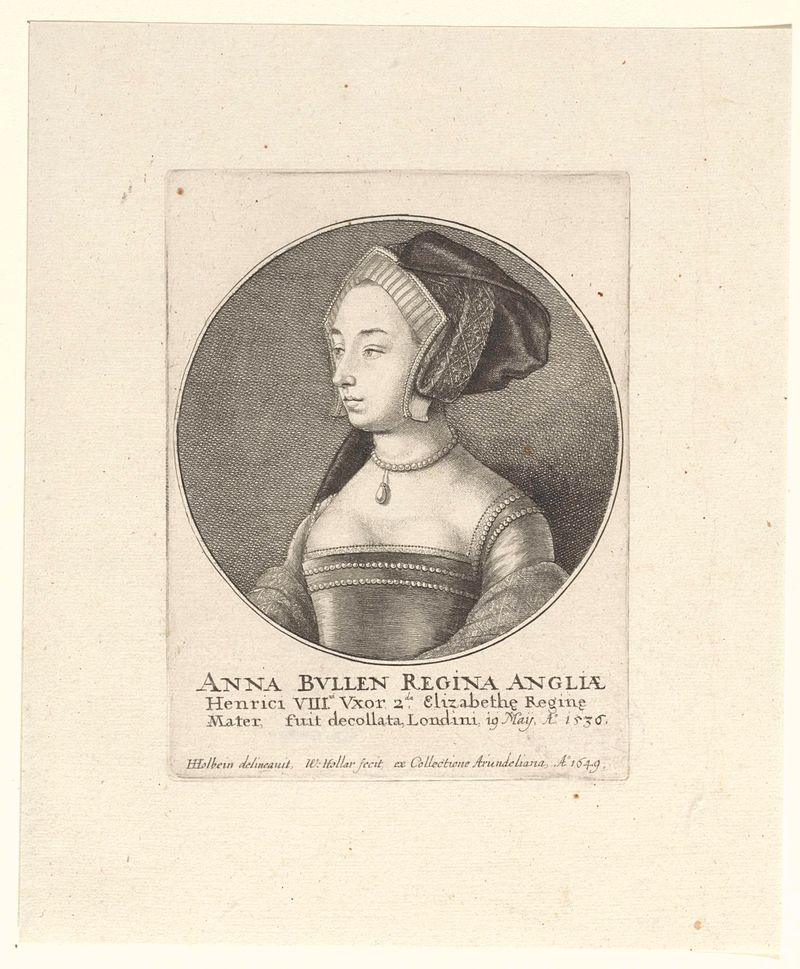
Portret van Anna Boleyn, koningin van Engeland
Wenceslaus Hollar
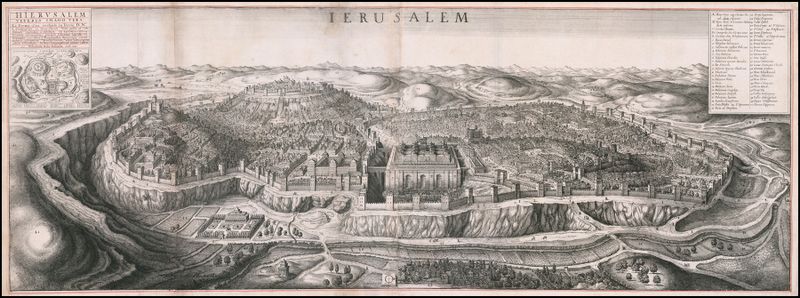
Bird’s eye view of Jerusalem
Wenceslaus Hollar
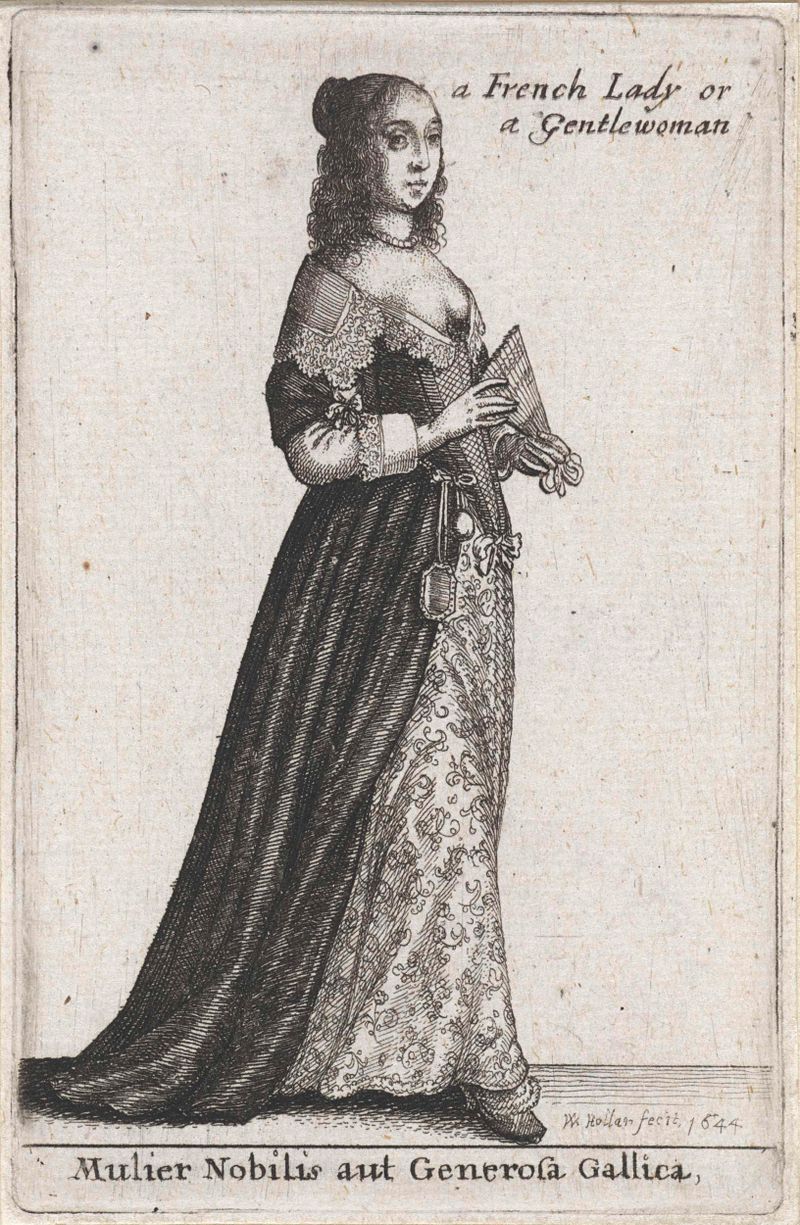
Mulier Nobilis aut Generosa Gallica / a French Lady or Gentlewoman
Wenceslaus Hollar
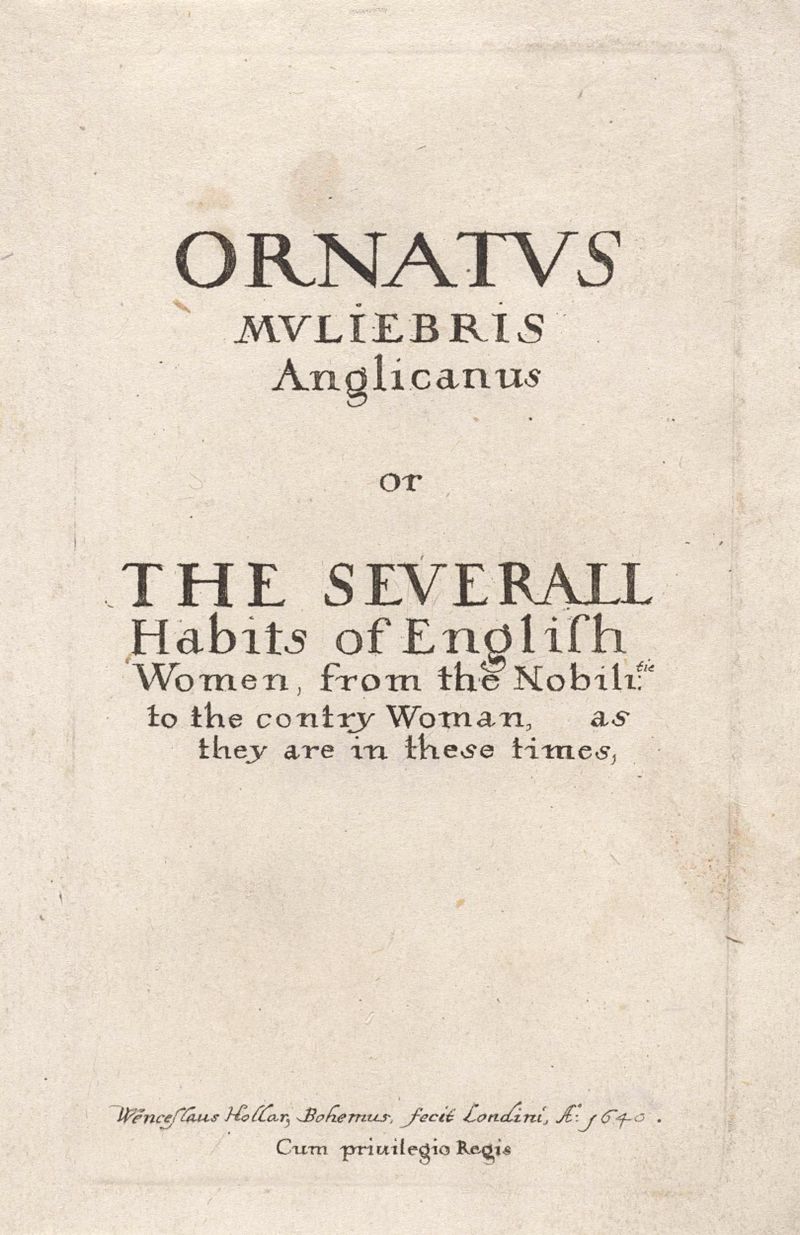
Titelprent voor: Ornatus Muliebris Anglicanus
Wenceslaus Hollar
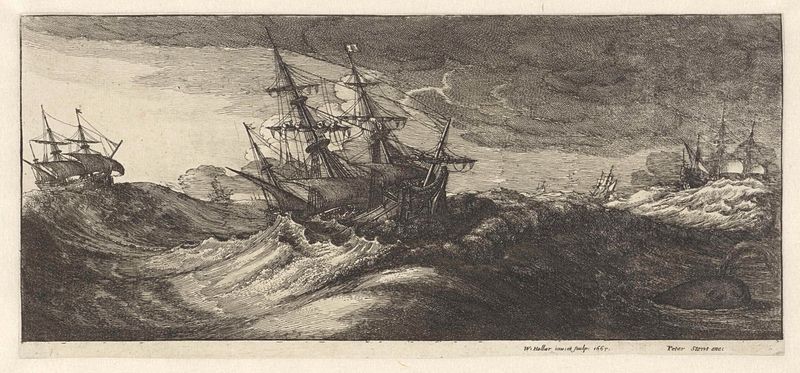
Oorlogsschepen en een walvis in een zeestorm
Wenceslaus Hollar
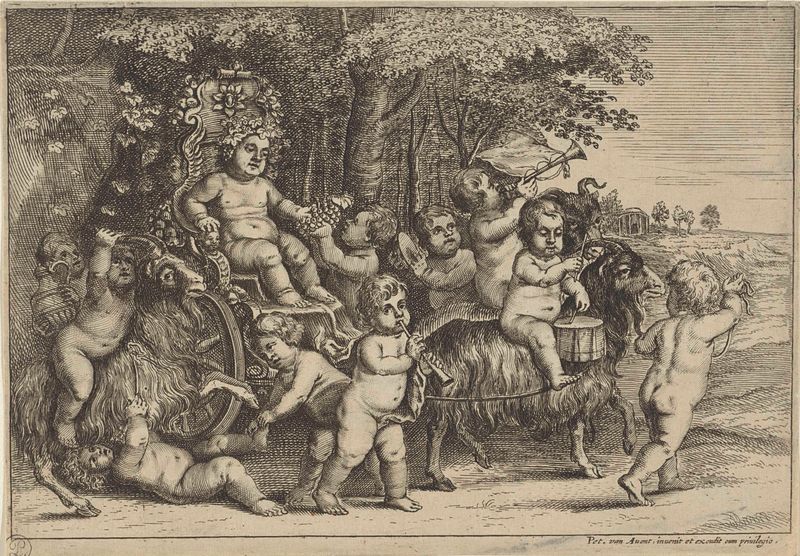
Optocht van bacchant en jongetjes op geiten
Wenceslaus Hollar
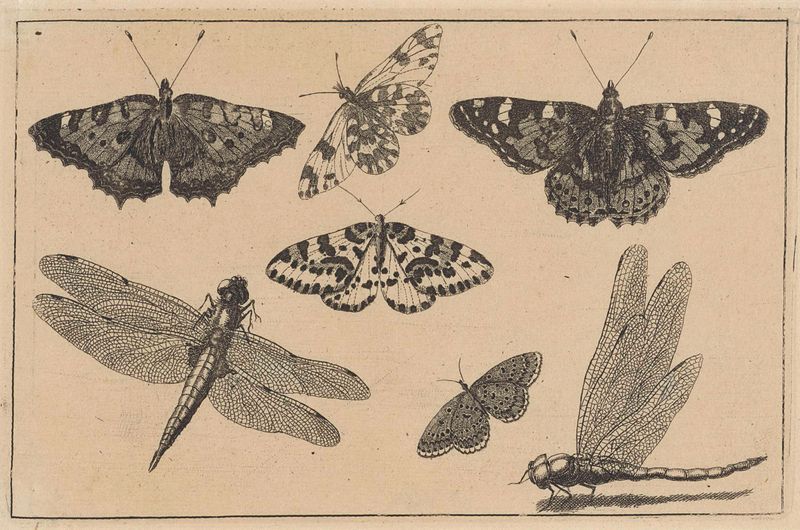
Twee libellen en vijf vlinders
Wenceslaus Hollar
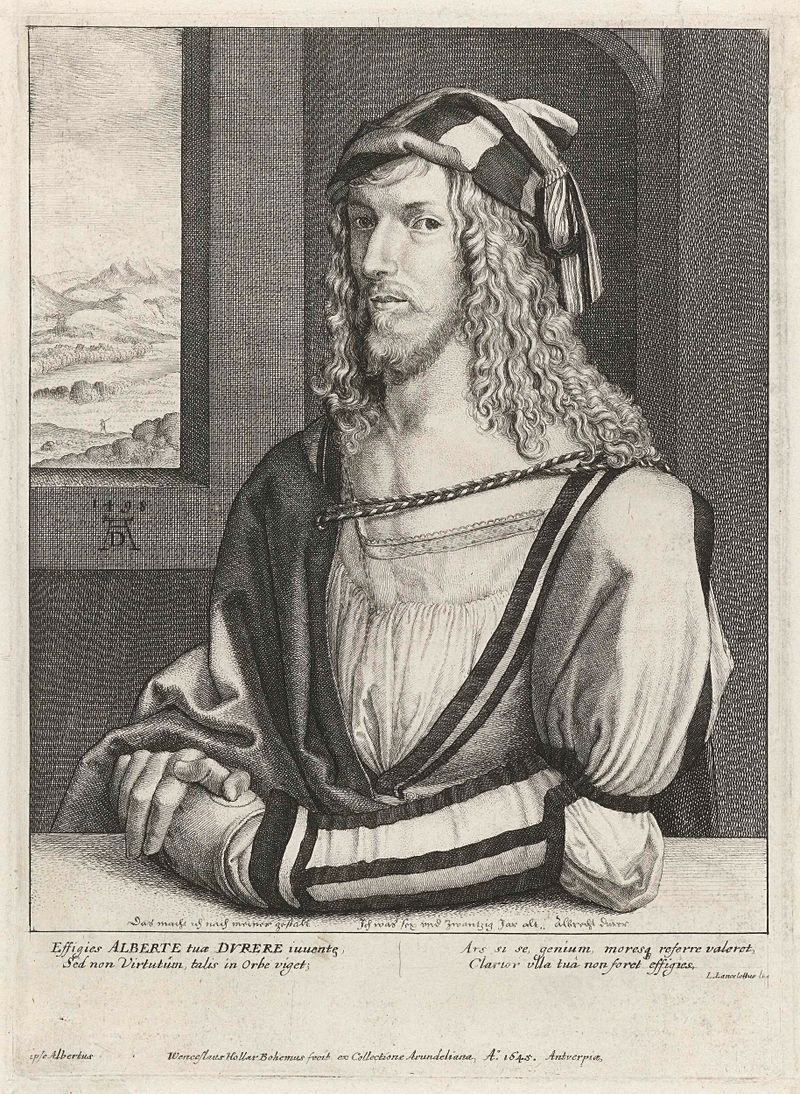
Portret van Albrecht Dürer
Wenceslaus Hollar
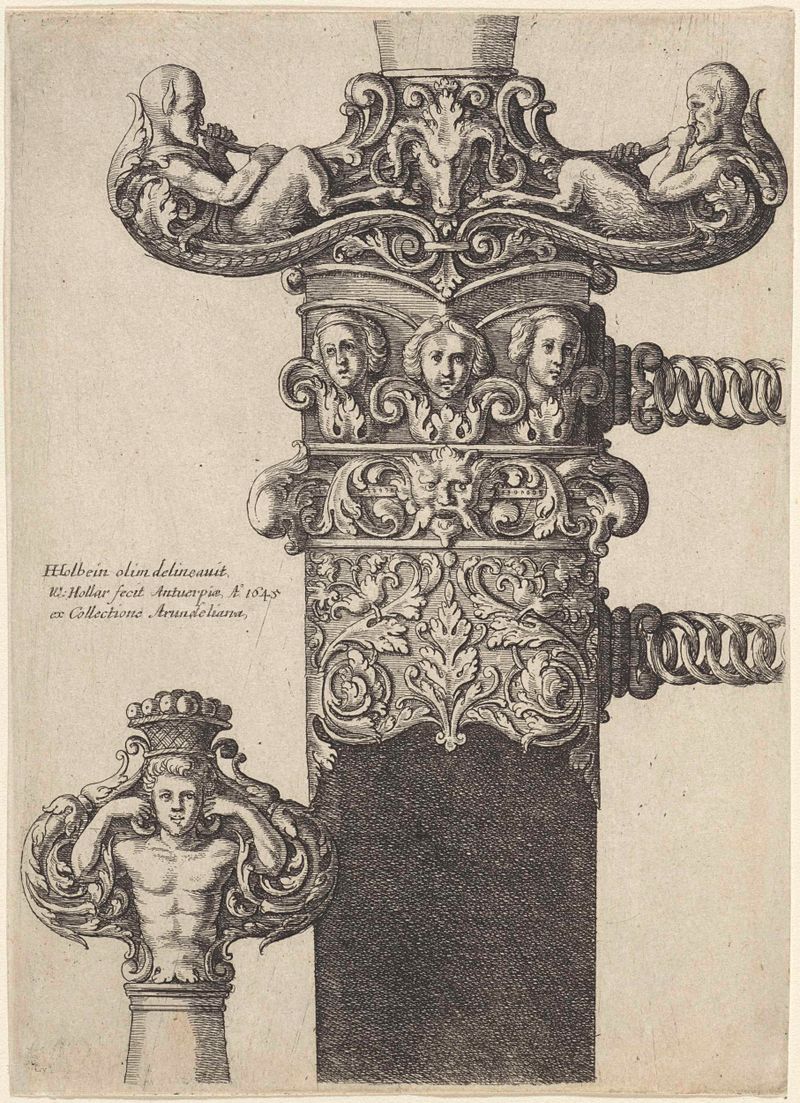
Ornamenteel ontwerp voor een dolk
Wenceslaus Hollar
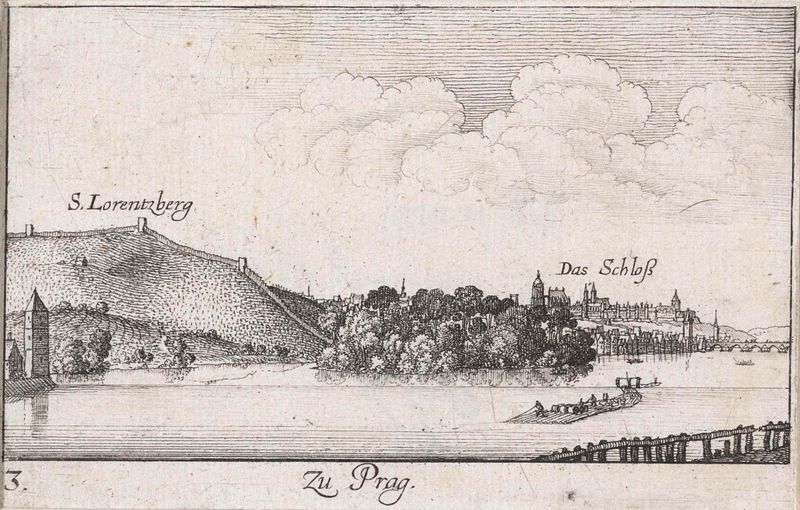
Gezicht op Praag vanaf de Moldau
Wenceslaus Hollar





