
Gezicht op de Southwark Cathedral in Londen — History & Facts
When did color learn to lie? The haunting stillness of a world rendered in muted hues often speaks louder than vibrant palettes. Loneliness seeps into every crevice, whispering stories of the past and echoing in the shadows of architecture. Look closely at the central tower of the cathedral, where the gray stone rises sharply against a washed-out sky. Notice the delicate lines and intricate details carved into the façade—each stroke revealing Hollar's meticulous hand and deep reverence for his subject.
The soft interplay of light and shadow creates a somber atmosphere, inviting the viewer to linger and reflect on the solitude that surrounds such monumental beauty. Beneath this striking representation lies a profound dichotomy. The cathedral stands as a testament to faith and community, yet it is enveloped in an isolating vastness. The absence of human figures amplifies this feeling, suggesting a space that has witnessed countless stories yet remains untouched by life.
The somber palette echoes the emotional weight of solitude, drawing attention to the possibility that even grandeur can evoke a sense of yearning. In 1647, Wenceslaus Hollar was in London, capturing the essence of a city ravaged by civil strife and uncertainty. The artist, a Czech émigré, sought refuge in England amidst the turmoil of the Thirty Years' War. His work during this period reflects not only the physical landscape but also the emotional undercurrents of a society grappling with loss and isolation, cementing his role as a chronicler of both architecture and the human condition.
More Artworks by Wenceslaus Hollar
Browse all →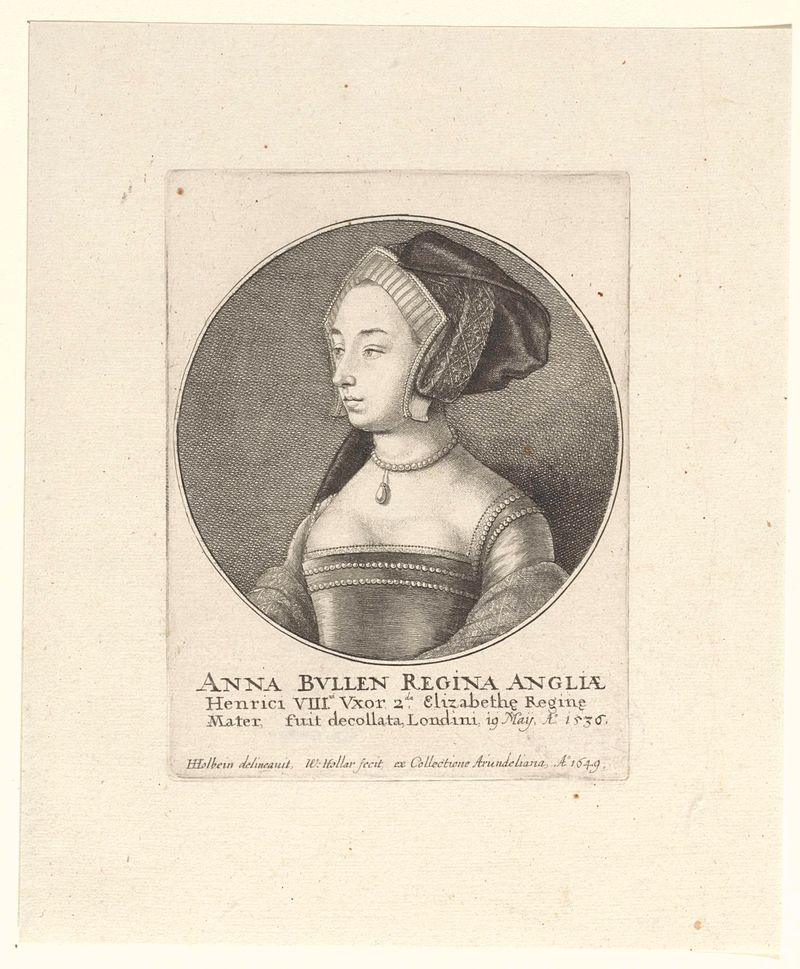
Portret van Anna Boleyn, koningin van Engeland
Wenceslaus Hollar
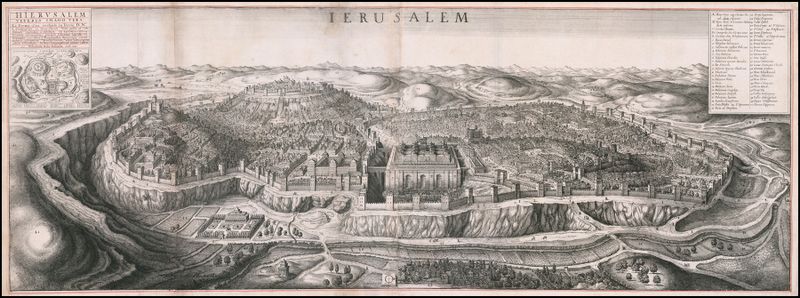
Bird’s eye view of Jerusalem
Wenceslaus Hollar
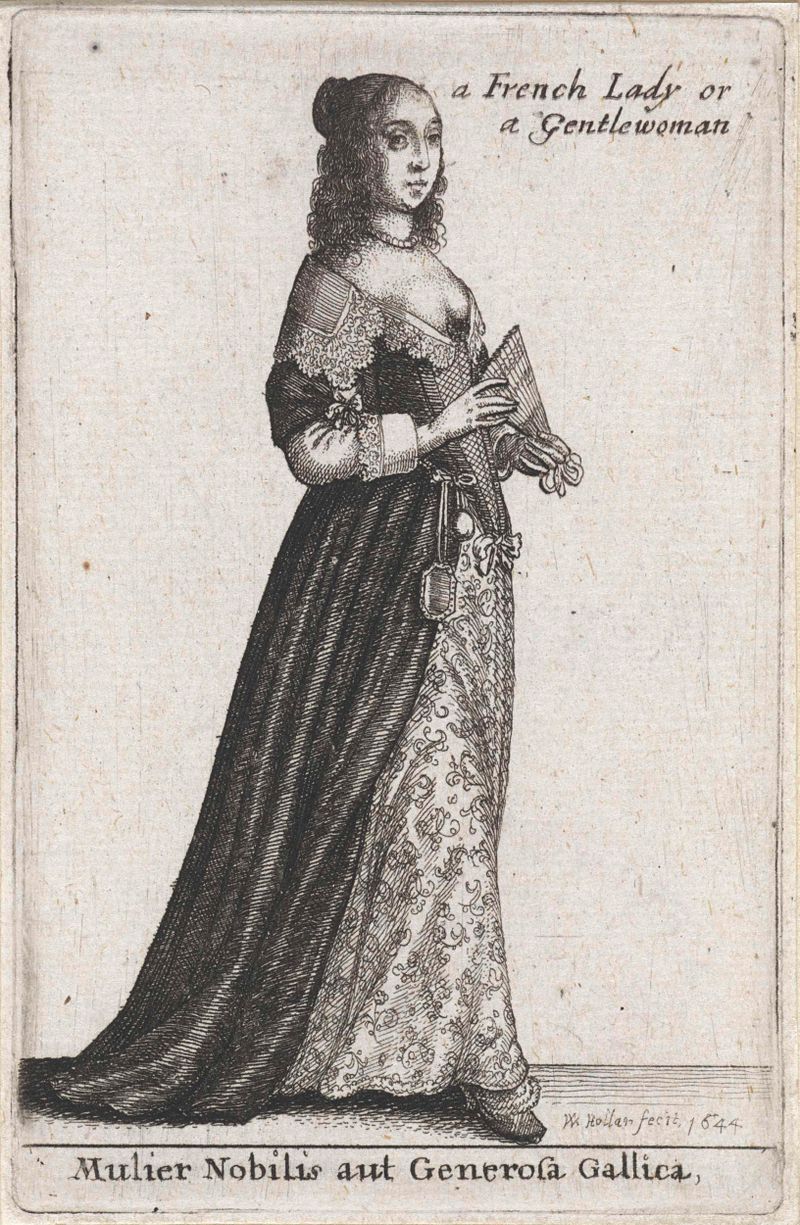
Mulier Nobilis aut Generosa Gallica / a French Lady or Gentlewoman
Wenceslaus Hollar
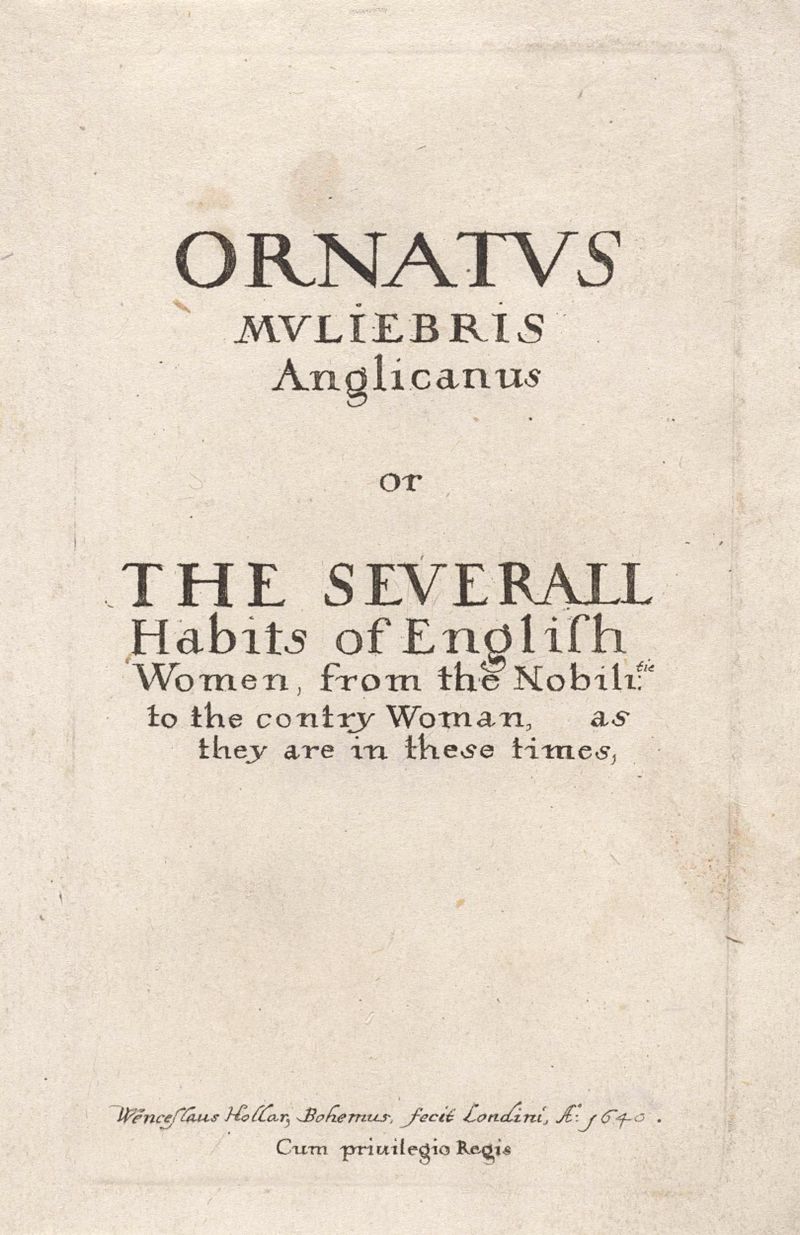
Titelprent voor: Ornatus Muliebris Anglicanus
Wenceslaus Hollar
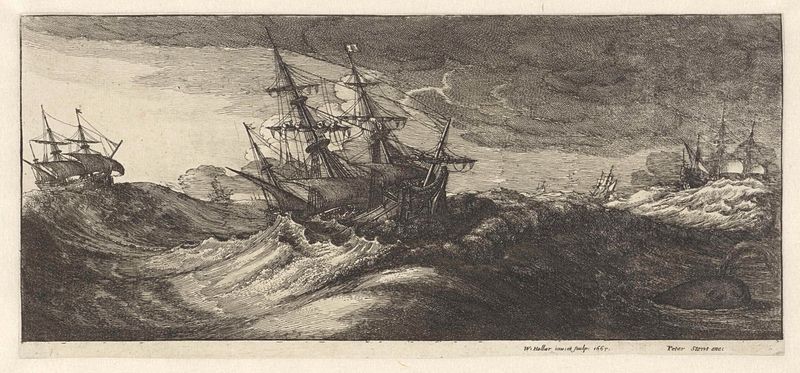
Oorlogsschepen en een walvis in een zeestorm
Wenceslaus Hollar
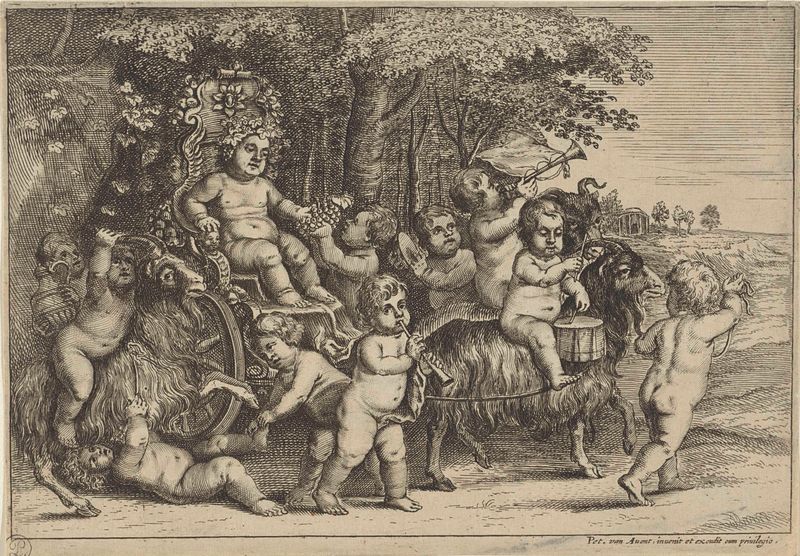
Optocht van bacchant en jongetjes op geiten
Wenceslaus Hollar
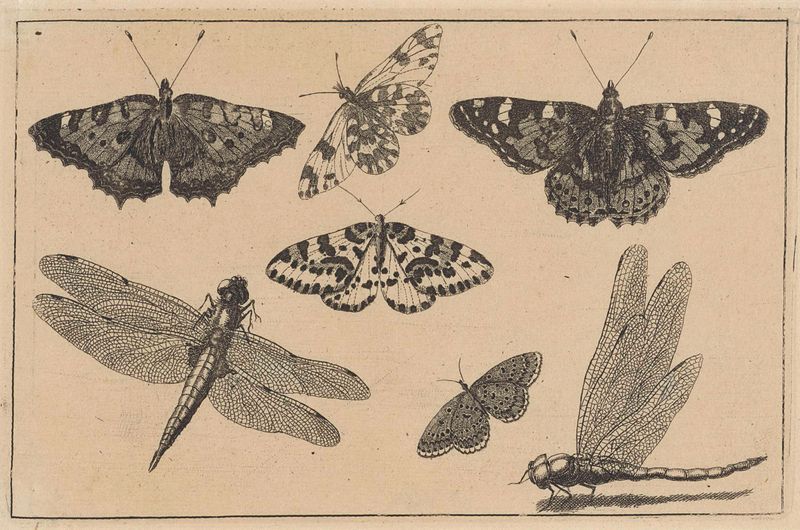
Twee libellen en vijf vlinders
Wenceslaus Hollar
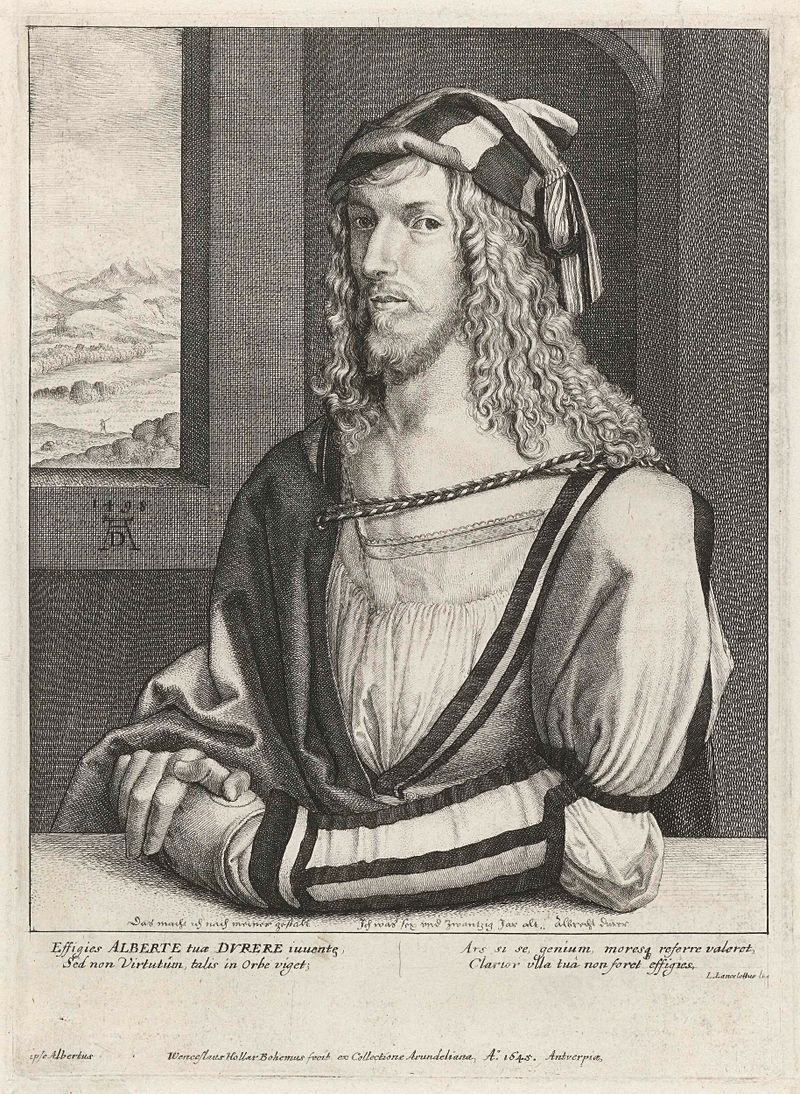
Portret van Albrecht Dürer
Wenceslaus Hollar
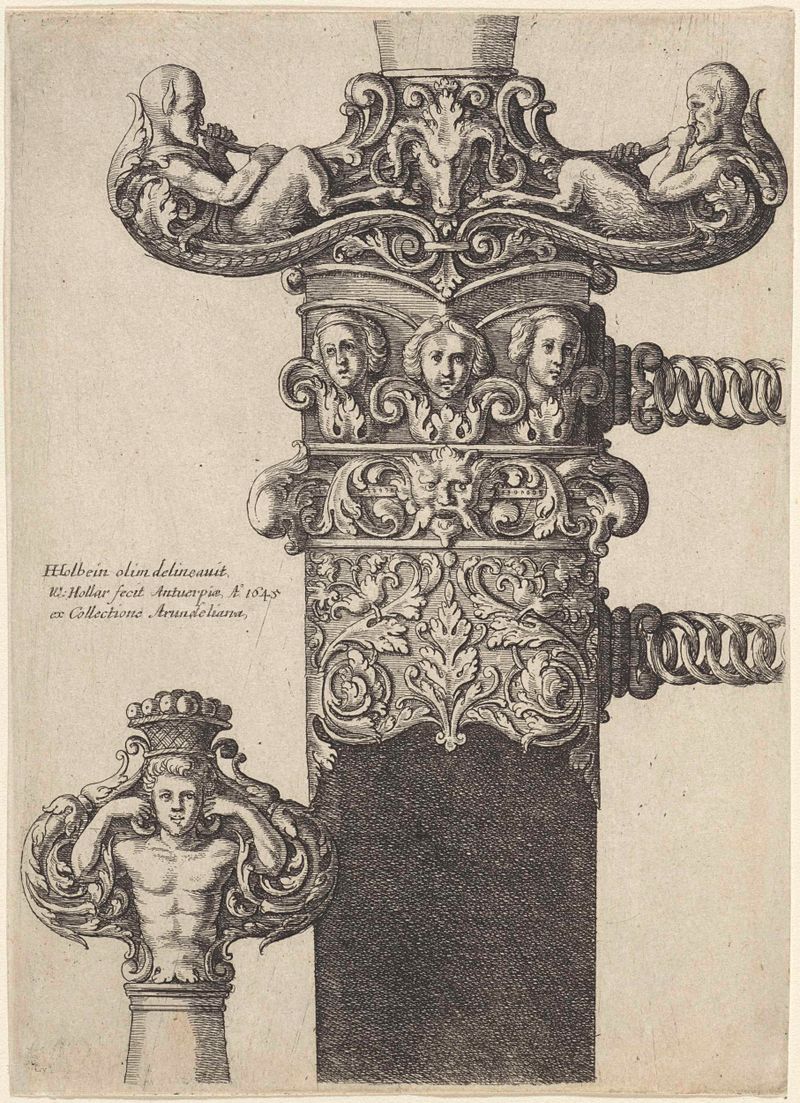
Ornamenteel ontwerp voor een dolk
Wenceslaus Hollar
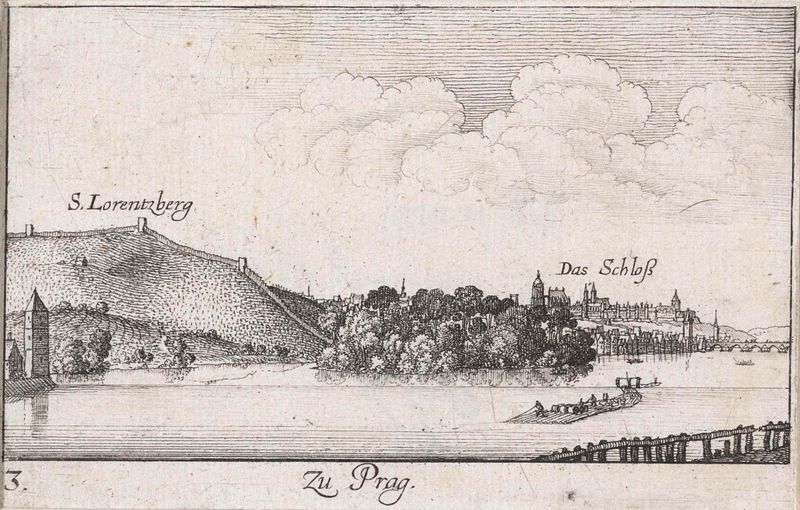
Gezicht op Praag vanaf de Moldau
Wenceslaus Hollar
More Architecture Art
Browse all →
The statue of Liberty
Frédéric Auguste Bartholdi

View of Houses in Delft, Known as ‘The Little Street’
Johannes Vermeer

View of Houses in Delft, Known as ‘The Little Street’
Johannes Vermeer

The Cathedral in Rouen. The portal, Grey Weather
Claude Monet

The yellow house
Vincent van Gogh

The Church in Auvers-sur-Oise, View from the Chevet
Vincent van Gogh