
Gezicht op de stadsmuren van Keulen — History & Facts
In the intricate world of Wenceslaus Hollar's Gezicht op de stadsmuren van Keulen, this statement resonates deeply, inviting contemplation of mortality amidst the enduring structures of civilization. Look closely at the bottom right corner, where delicate shadows play against the ancient stone walls, hinting at tales long forgotten. Notice the meticulous detail of the city walls, rendered in muted tones of grey and earthy browns, which juxtapose the lively blue sky above. The artist’s use of line creates a sense of depth, drawing your eye toward the horizon, while the soft transitions between light and shadow breathe life into the stone, suggesting a permanence that defies the passage of time. Yet, beneath the surface of this urban view lies an undercurrent of transience.
The walls, sturdy and imposing, are a stark reminder of humanity's attempt to withstand the ravages of time, but the delicate wisps of cloud overhead serve as a metaphor for life’s fleeting nature. The juxtaposition of the firm, unyielding stone and the ephemeral sky evokes a profound meditation on mortality and legacy, beckoning viewers to consider what endures and what eventually succumbs to oblivion. In the years 1643 to 1644, Hollar was living in Amsterdam, a city flourishing with artistic innovation and exchange. Previously residing in Prague, he had fled the Thirty Years' War, seeking refuge and new opportunities.
This period marked a transition in his artistic style, as he adapted to the influences of the Dutch Golden Age, focusing on detailed landscape and architectural engravings that would immortalize the cities he captured, including this poignant depiction of Cologne.
More Artworks by Wenceslaus Hollar
Browse all →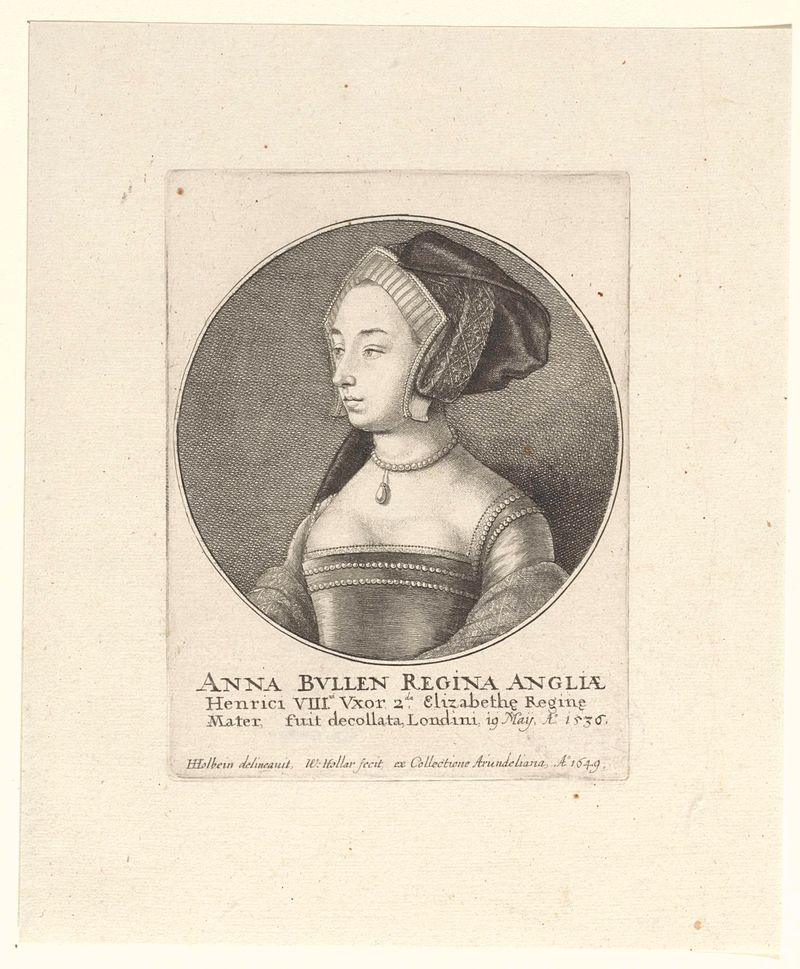
Portret van Anna Boleyn, koningin van Engeland
Wenceslaus Hollar
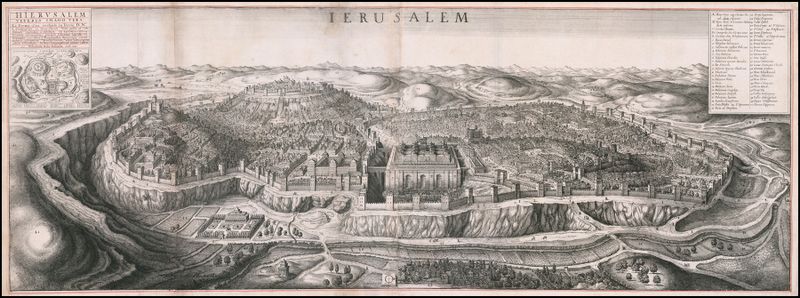
Bird’s eye view of Jerusalem
Wenceslaus Hollar
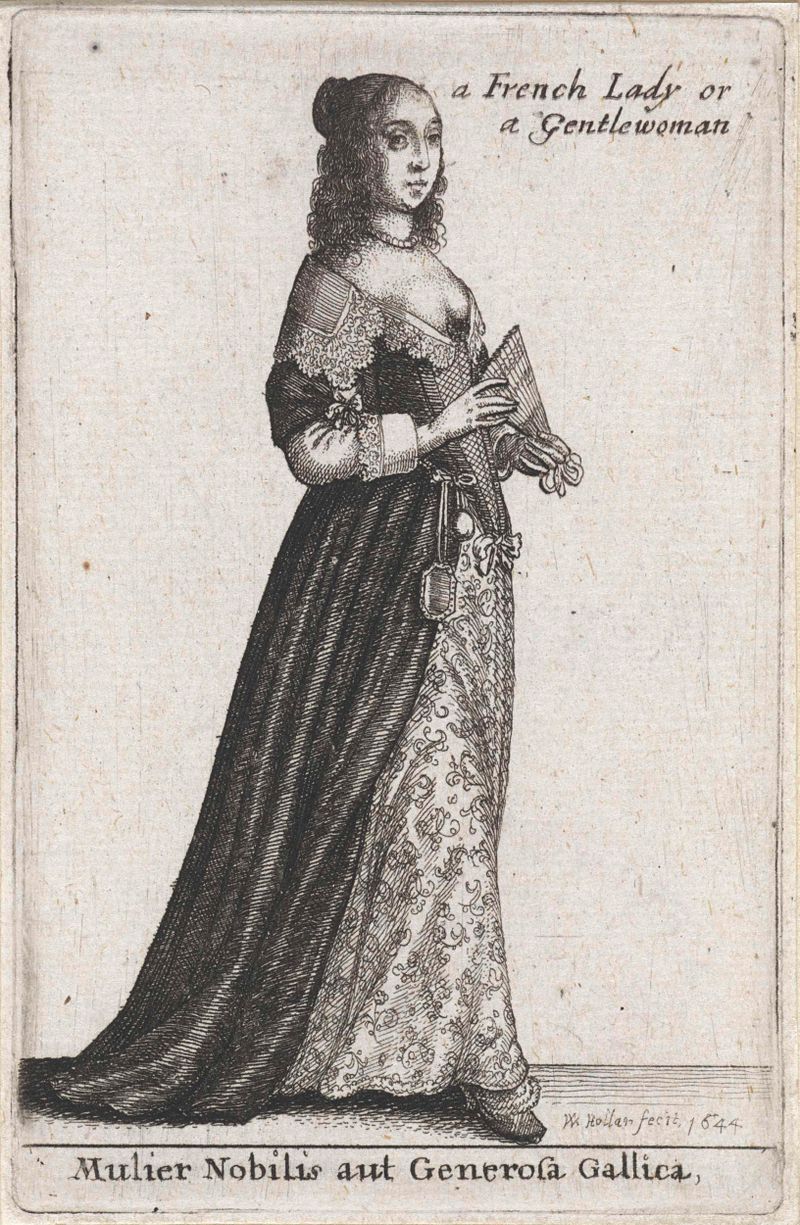
Mulier Nobilis aut Generosa Gallica / a French Lady or Gentlewoman
Wenceslaus Hollar
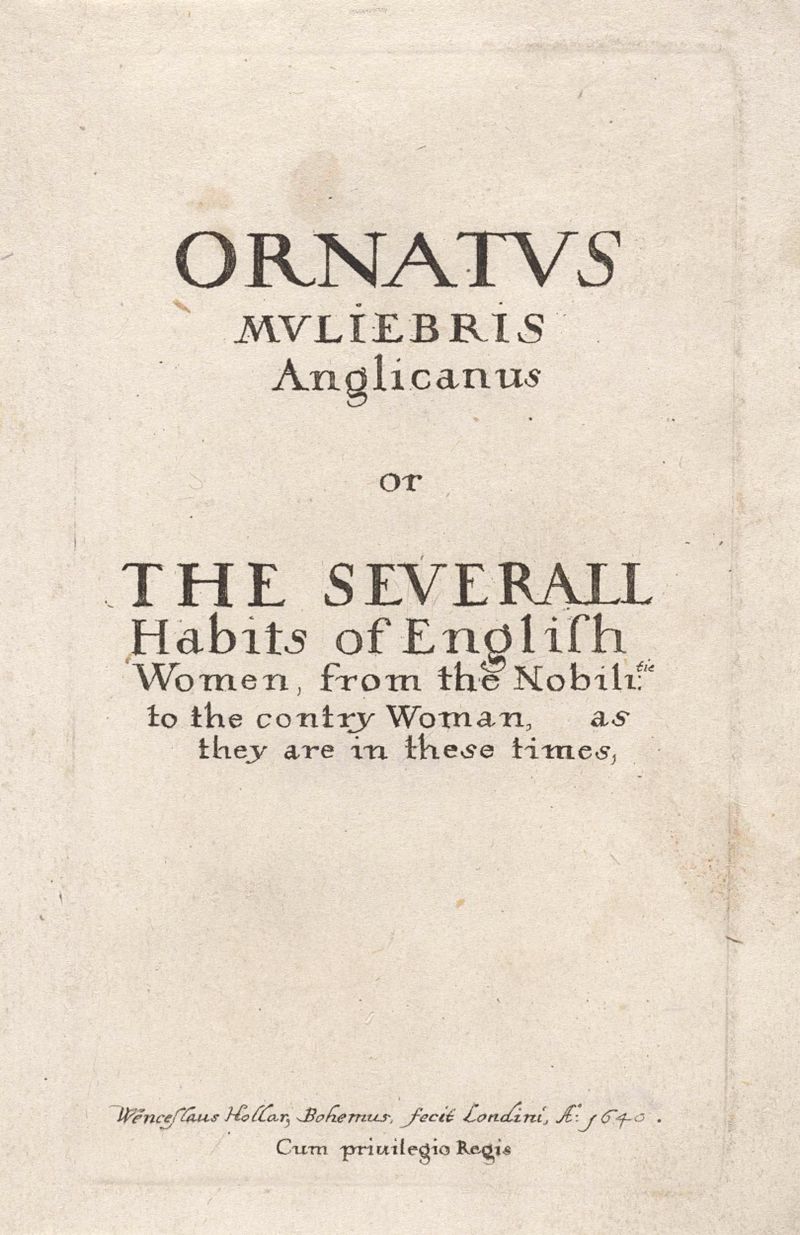
Titelprent voor: Ornatus Muliebris Anglicanus
Wenceslaus Hollar
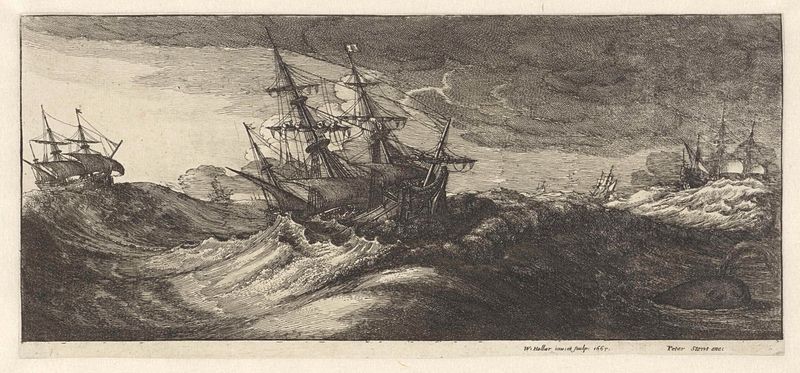
Oorlogsschepen en een walvis in een zeestorm
Wenceslaus Hollar
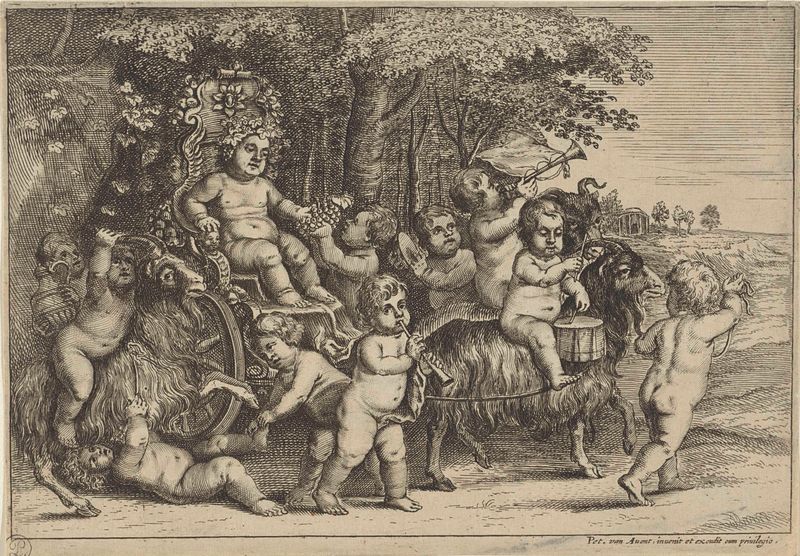
Optocht van bacchant en jongetjes op geiten
Wenceslaus Hollar
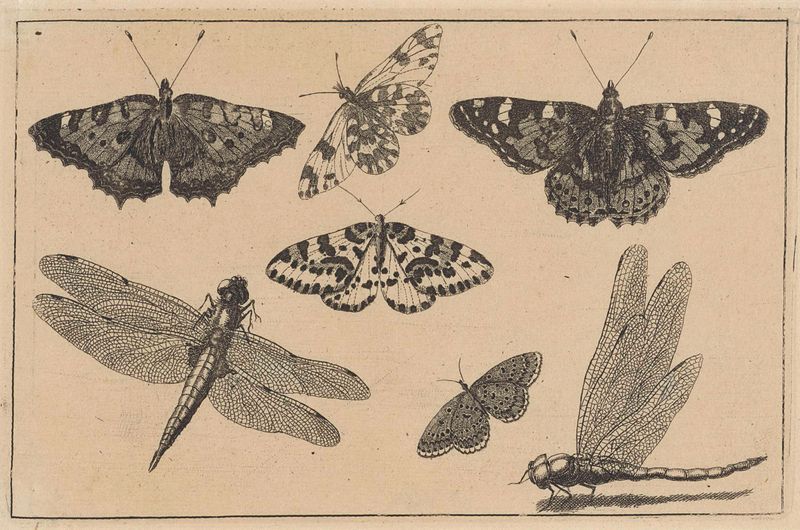
Twee libellen en vijf vlinders
Wenceslaus Hollar
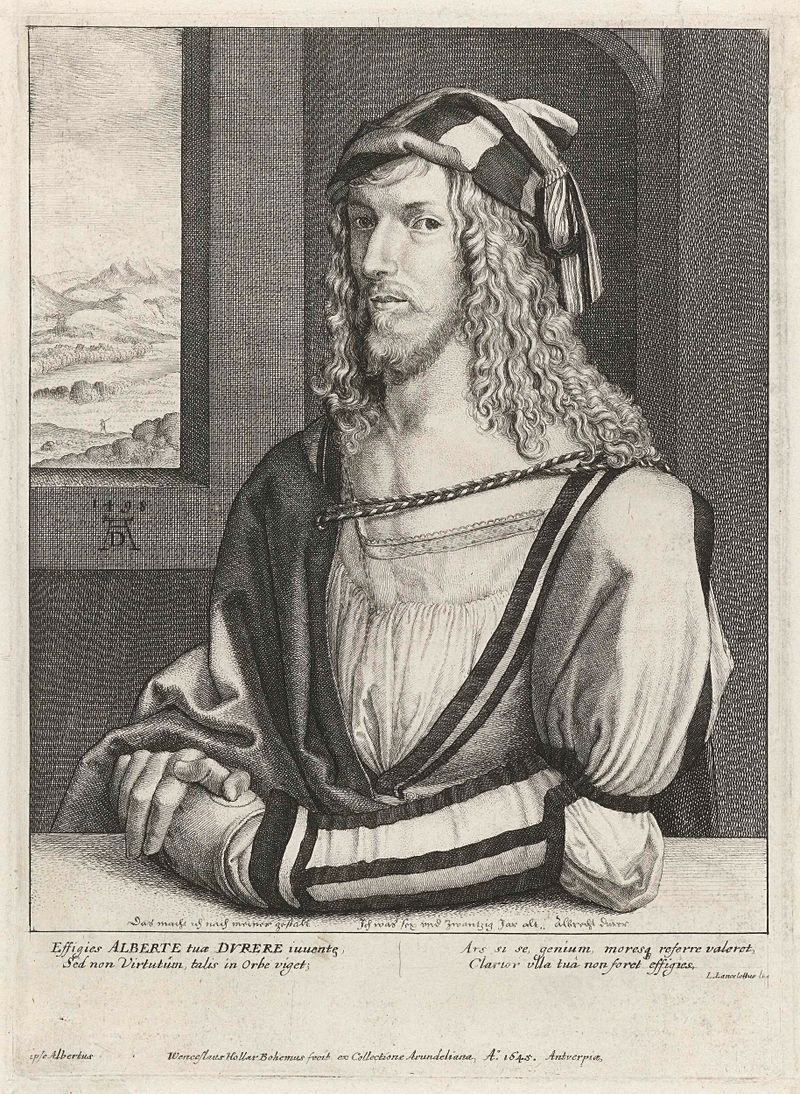
Portret van Albrecht Dürer
Wenceslaus Hollar
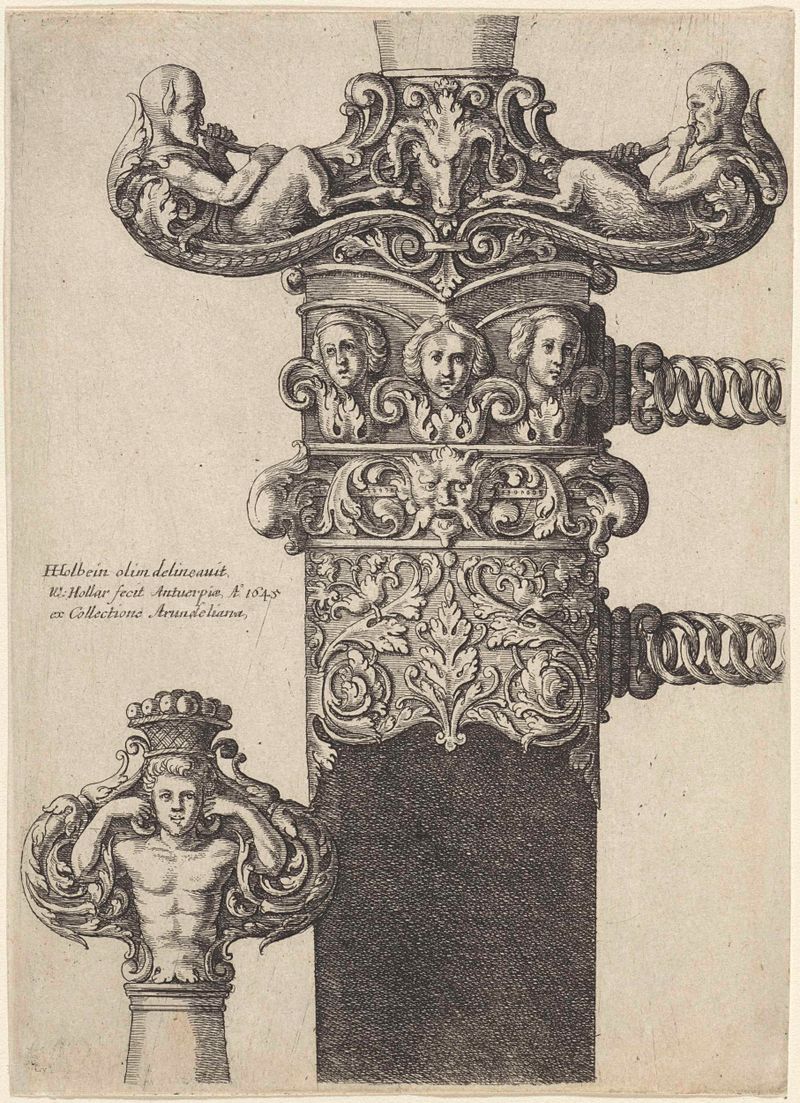
Ornamenteel ontwerp voor een dolk
Wenceslaus Hollar
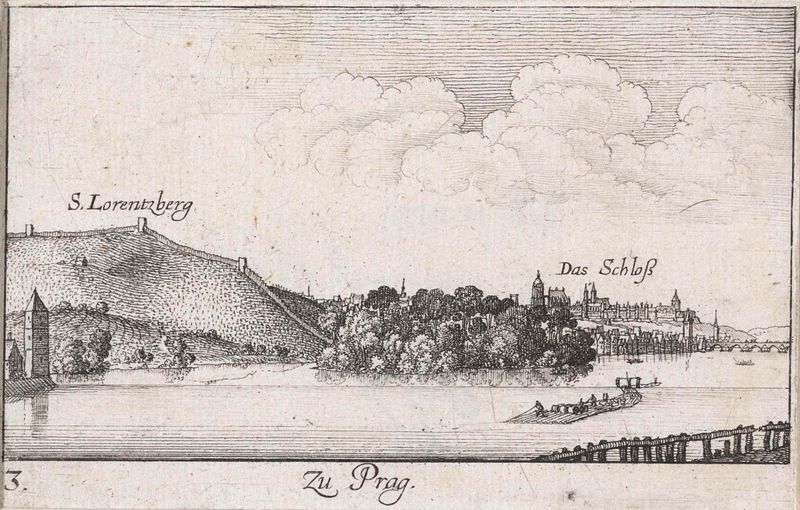
Gezicht op Praag vanaf de Moldau
Wenceslaus Hollar
More Architecture Art
Browse all →
The statue of Liberty
Frédéric Auguste Bartholdi

View of Houses in Delft, Known as ‘The Little Street’
Johannes Vermeer

View of Houses in Delft, Known as ‘The Little Street’
Johannes Vermeer

The Cathedral in Rouen. The portal, Grey Weather
Claude Monet

The yellow house
Vincent van Gogh

The Church in Auvers-sur-Oise, View from the Chevet
Vincent van Gogh