
Gezicht op Düren — History & Facts
This sentiment echoes through the delicate lines and intricate details of a landscape, where memories intertwine with the passage of time. Nostalgia lingers in every stroke, inviting us to wander through a moment captured in permanence. Look closely at the foreground, where a winding river stretches across the canvas, its crystalline surface reflecting the lush greenery that frames it. The artist's meticulous etching technique brings forth textures that evoke a sense of touch, allowing each leaf and ripple to resonate with the viewer.
Notice how the soft, muted palette harmonizes with the sweeping hills in the background, beckoning us further into the serene beauty of the countryside. Beneath the tranquil surface lies a deeper narrative, woven through the interplay of light and shadow. The distant spires of the town suggest a human presence, yet they’re dwarfed by nature, prompting reflections on our own insignificance against the vastness of the landscape. The contrast between the delicate flora in the foreground and the more rugged terrain at the horizon hints at the complexities of memory—how our past is often shaped by both beauty and hardship. In 1635, Wenceslaus Hollar created Gezicht op Düren while living in the vibrant cultural milieu of Antwerp.
At this time, he was deeply engaged in printmaking and landscape drawings, influenced by the Baroque movement burgeoning in Europe. The work reflects not only his technical prowess but also a growing fascination with capturing the essence of place, amidst the shifting tides of his own life and the history surrounding him.
More Artworks by Wenceslaus Hollar
Browse all →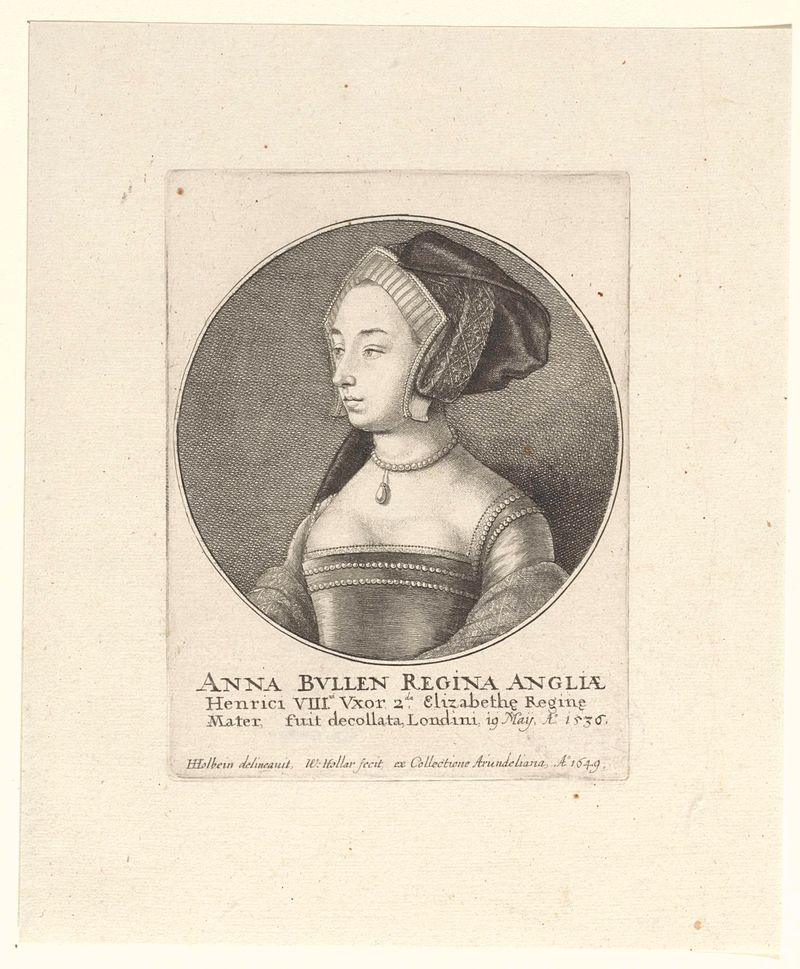
Portret van Anna Boleyn, koningin van Engeland
Wenceslaus Hollar
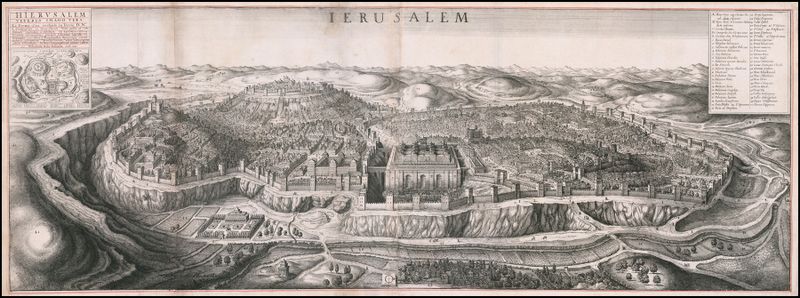
Bird’s eye view of Jerusalem
Wenceslaus Hollar
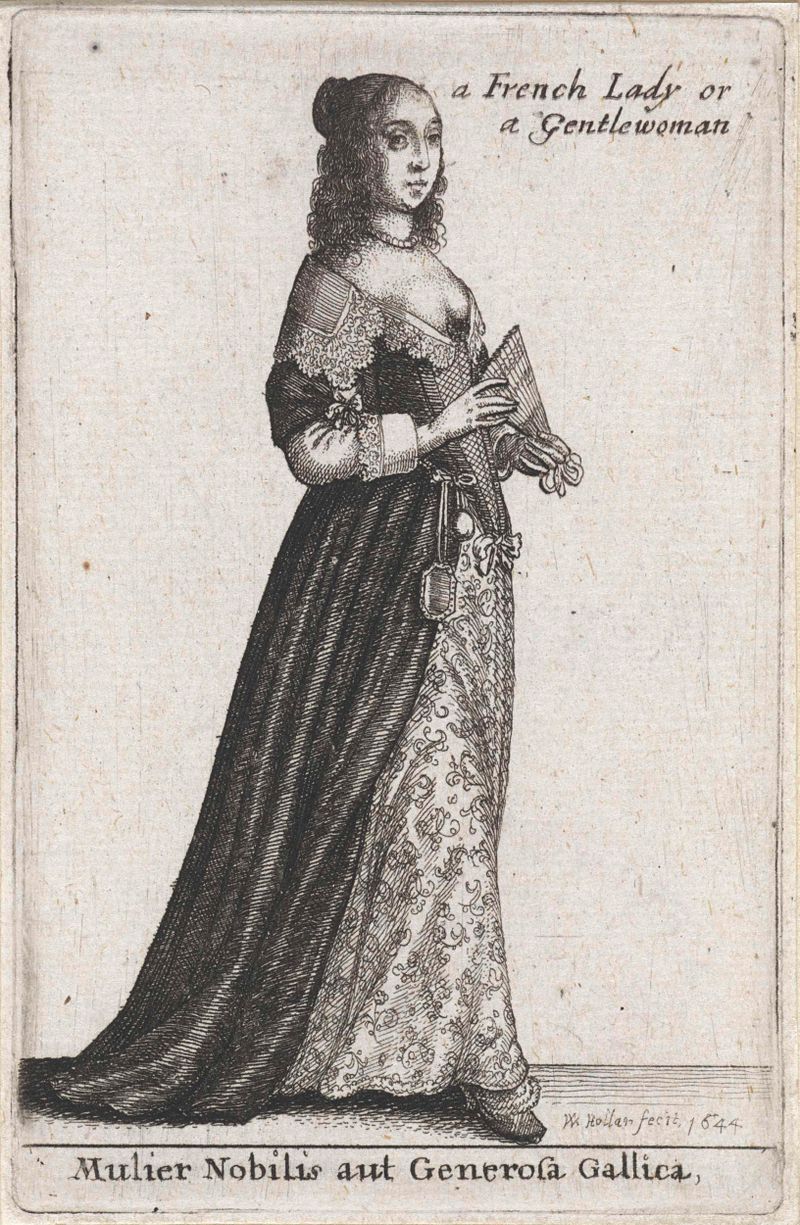
Mulier Nobilis aut Generosa Gallica / a French Lady or Gentlewoman
Wenceslaus Hollar
Titelprent voor: Ornatus Muliebris Anglicanus
Wenceslaus Hollar
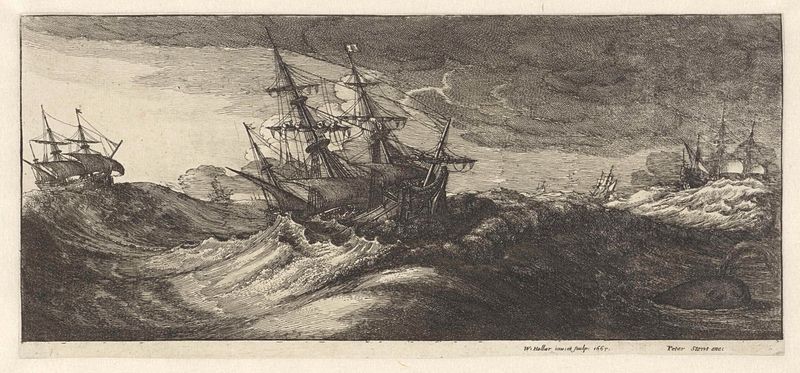
Oorlogsschepen en een walvis in een zeestorm
Wenceslaus Hollar
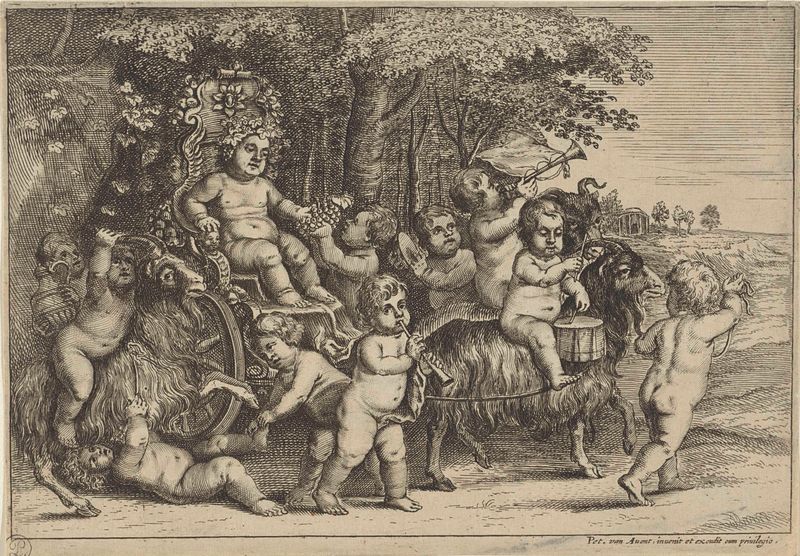
Optocht van bacchant en jongetjes op geiten
Wenceslaus Hollar
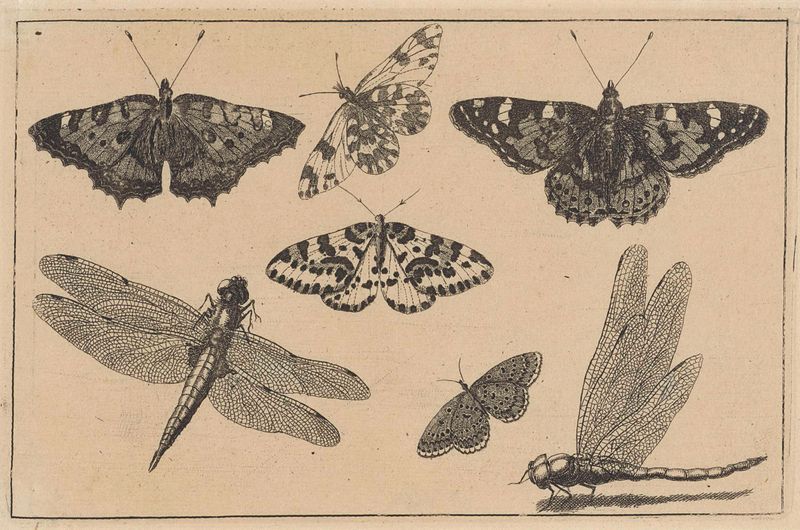
Twee libellen en vijf vlinders
Wenceslaus Hollar
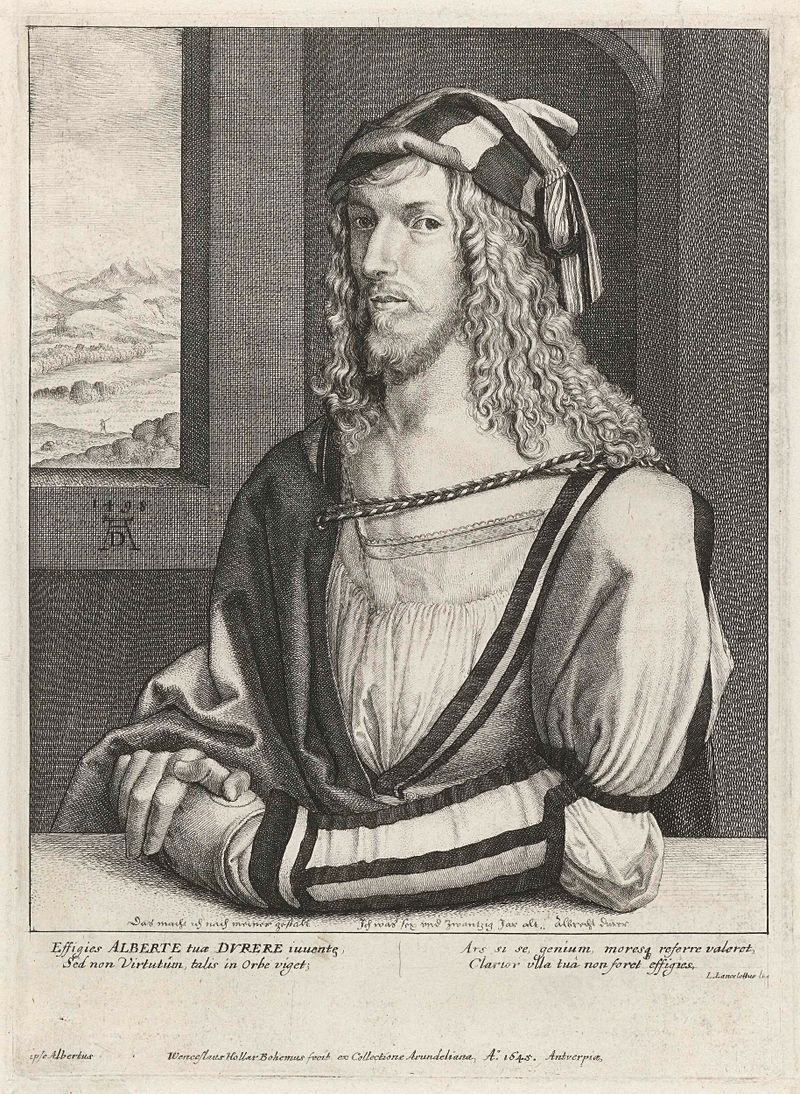
Portret van Albrecht Dürer
Wenceslaus Hollar
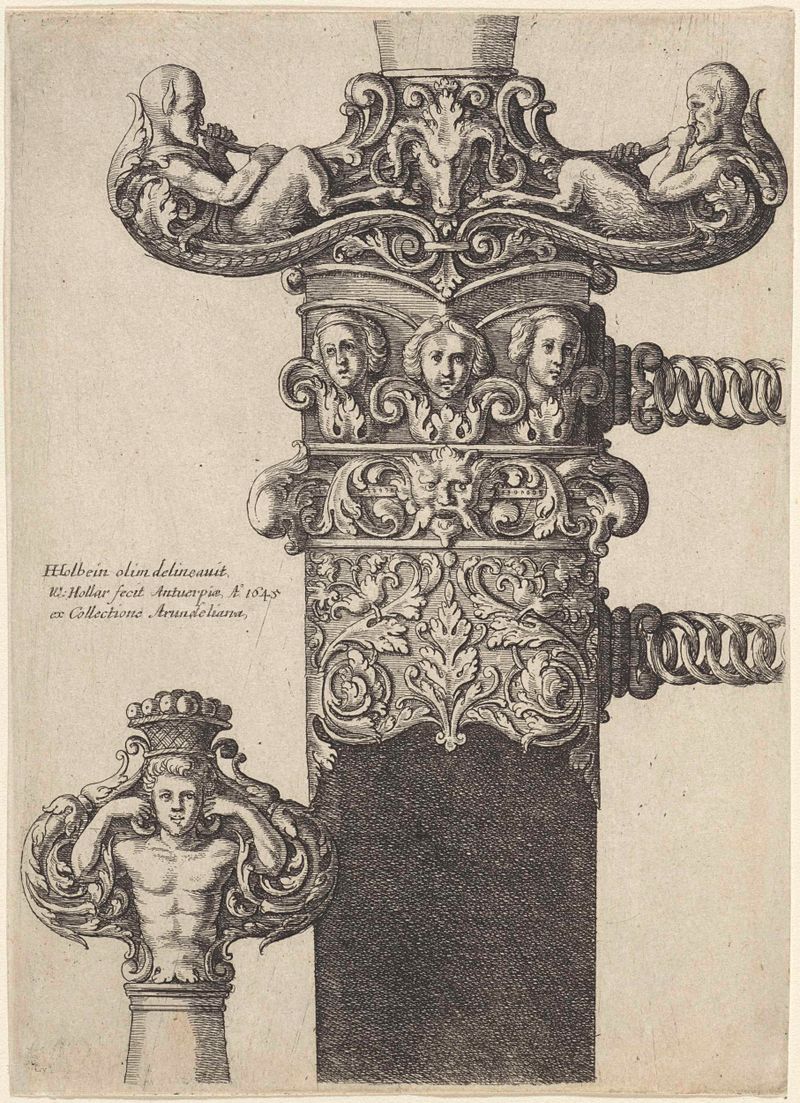
Ornamenteel ontwerp voor een dolk
Wenceslaus Hollar
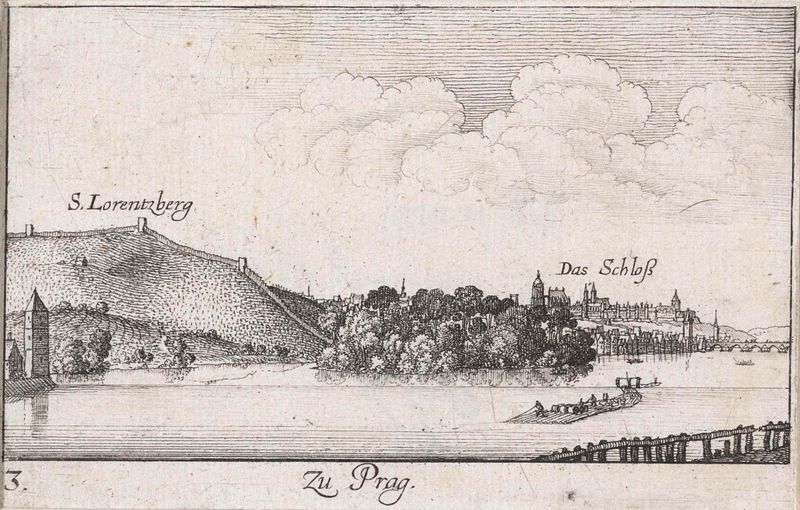
Gezicht op Praag vanaf de Moldau
Wenceslaus Hollar





