
Gezicht op een stad — History & Facts
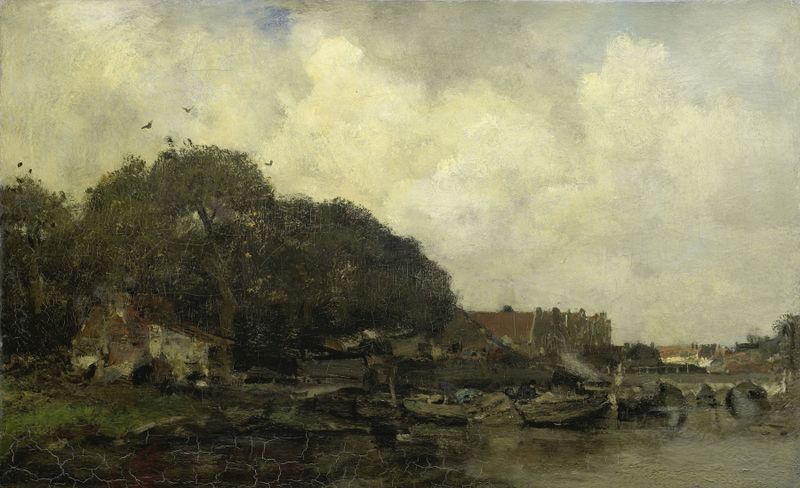
What secret hides in the quiet of the canvas? In Jacob Maris's Gezicht op een stad, the stillness of the scene beckons contemplation, inviting viewers to explore the depths of rebirth and renewal. Look to the horizon, where a delicate interplay of blues and warm earth tones softly delineates the city's silhouette against an expansive sky. The sweeping brushstrokes create a sense of movement, as if the clouds themselves are gently drifting forward, breathing life into the buildings below. Notice how light dances across the rooftops, illuminating their edges while casting shadows that hint at the stories hidden in the alleys and corners. In the foreground, the water reflects this dynamic sky, bridging the terrestrial and the celestial.
The muted colors suggest both nostalgia and hope, encapsulating a moment of transition. This isn’t merely a portrayal of a city; it’s a meditation on the idea of rebirth, where each stroke might symbolize a new beginning. The absence of human figures enhances the solitude of the scene, allowing the viewer to focus on the quiet resilience of the city itself. Jacob Maris painted Gezicht op een stad in 1882, during a period of great innovation and change in the art world.
Living in The Hague, he was part of the Hague School, which emphasized naturalistic representation and the interplay of light. At this time, Maris was exploring the effects of atmosphere in his work, aligning closely with the broader movements of Impressionism that were blossoming across Europe.
More Artworks by Jacob Maris
Browse all →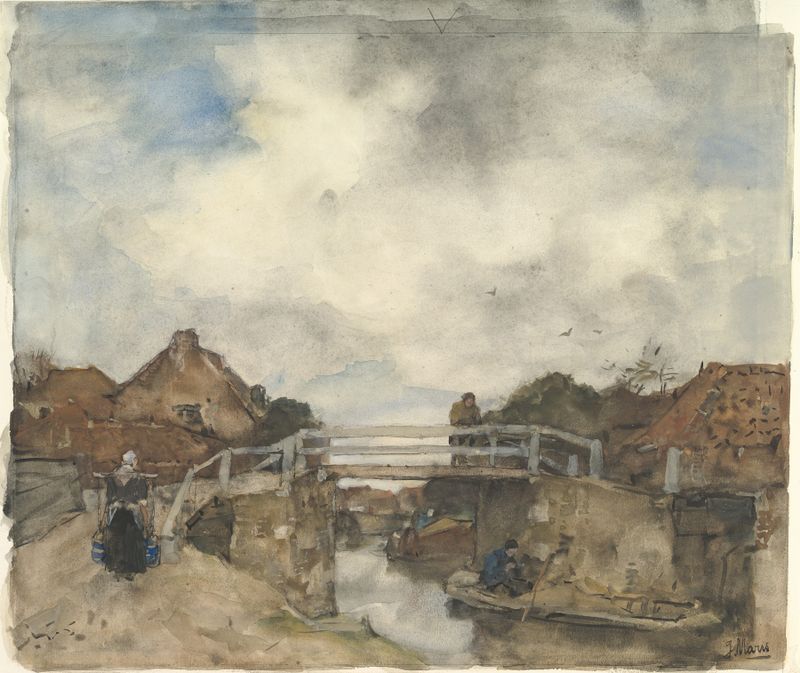
Dutch Canal, Rijswijk
Jacob Maris
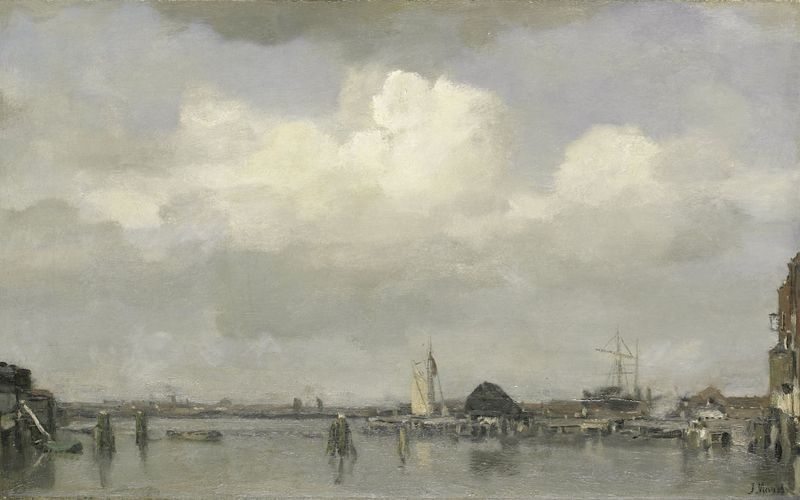
Havengezicht
Jacob Maris
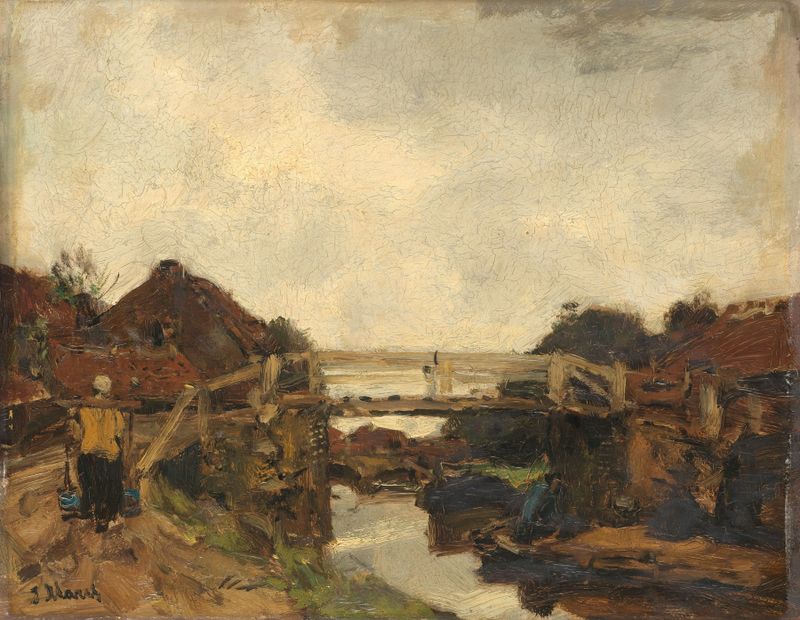
Wooden Bridge across a Canal at Rijswijk
Jacob Maris
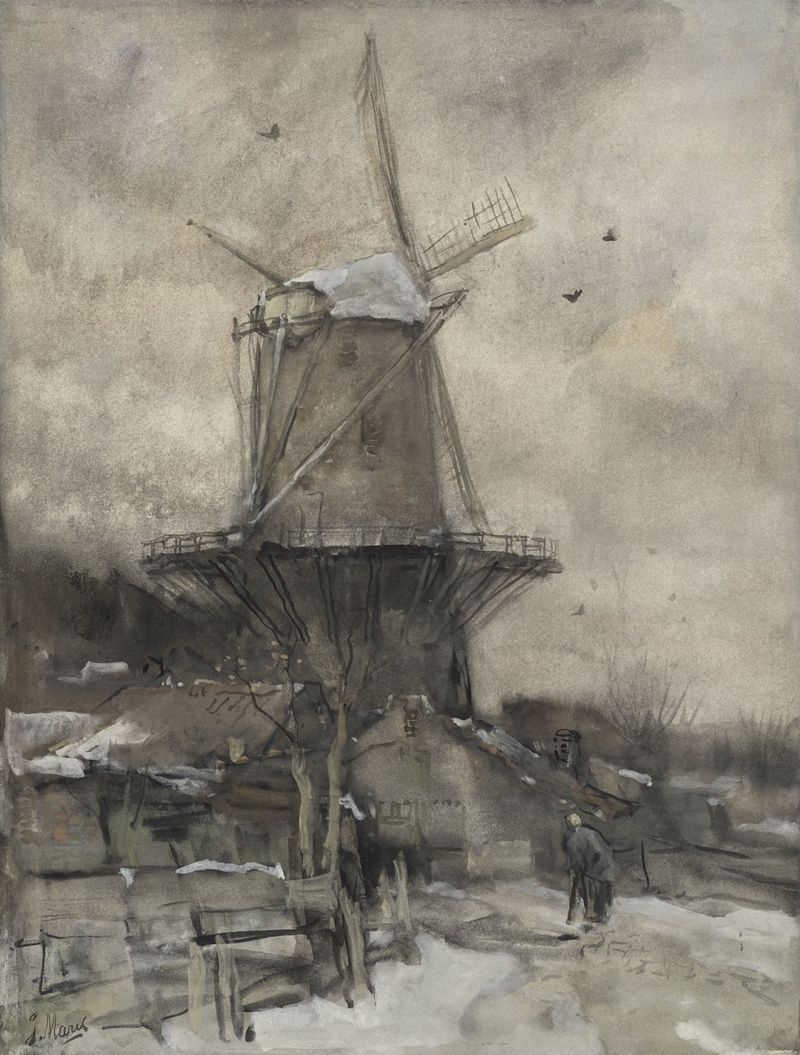
Een molen in de winter
Jacob Maris
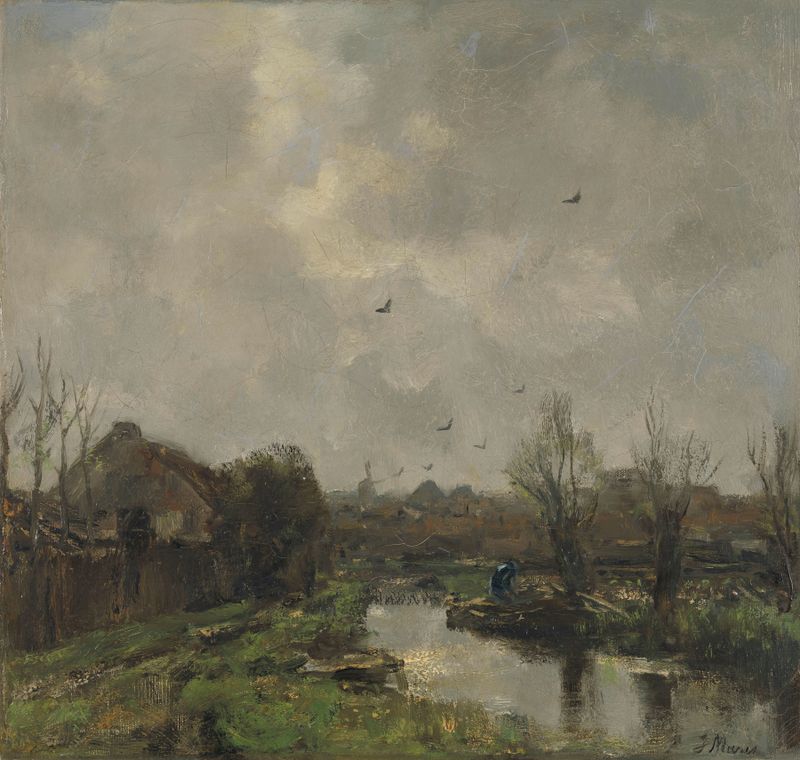
Landschap in de omgeving van Den Haag
Jacob Maris
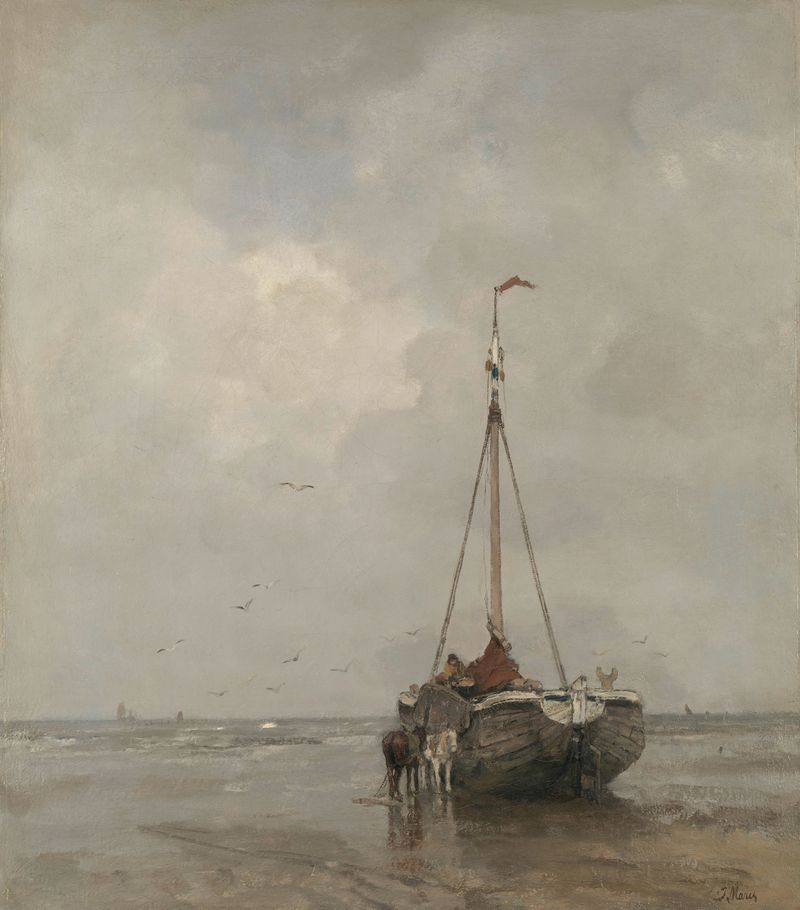
Bluff-bowed Fishing Boat on the Beach at Scheveningen
Jacob Maris
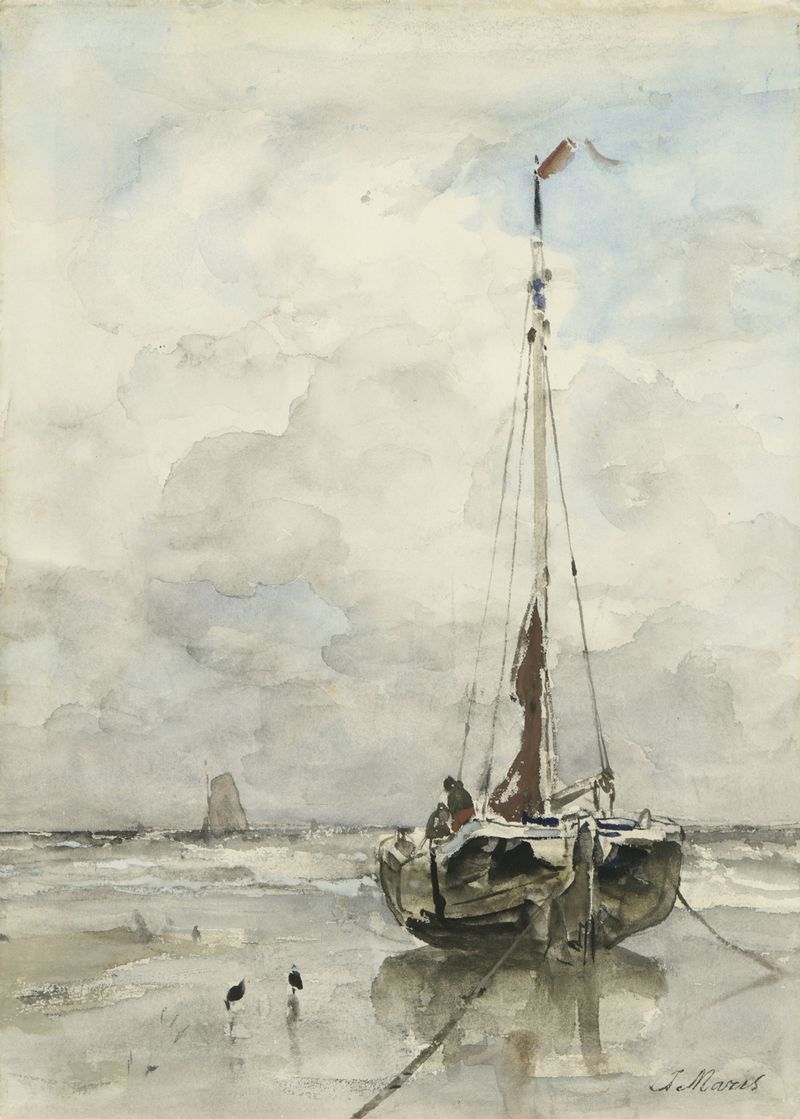
Visserspink aan het strand
Jacob Maris
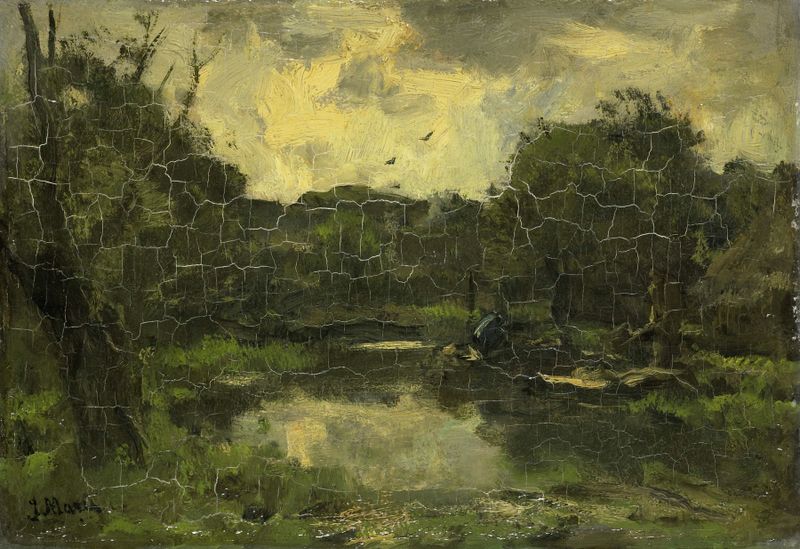
Landschap met schuit
Jacob Maris
Havengezicht
Jacob Maris
Schepen in de haven van Dordrecht
Jacob Maris





