
Gezicht op Greenwich (linker plaat) — History & Facts
Is this a mirror — or a memory? The delicate lines and soft shadows of Wenceslaus Hollar’s Gezicht op Greenwich (linker plaat) invite us to consider the nature of perception and recollection in a world forever shifting. Look to the center where the Thames glides gracefully, a silver ribbon reflecting the wisps of clouds above. Notice how the intricate details of the architecture emerge with precision, each building a testament to the craftsmanship of the era. The subtle interplay of light and shadow breathes life into the scene, creating a dynamic contrast that pulls you into the heart of Greenwich, beckoning you to explore the bustling life along the riverside. Yet, amid this vibrant panorama lies an undercurrent of nostalgia.
The gentle waves hint at the passage of time, while the distant ships represent a bridge between past and present, commerce and culture. The calm sky looms as a metaphor for the tranquility sought in a rapidly changing world, resonating with the viewer's own experience of memory. Each element, from the silhouettes of trees to the distant steeples, weaves together a tapestry of historical significance and personal reflection. In 1637, Hollar created this piece during his time in England, having fled from the conflicts in his native Bohemia.
The burgeoning art scene in London was filled with a fascination for detailed landscapes, and Hollar’s meticulous etching style captured both the beauty and complexity of his surroundings. This work not only reflects the era's artistic trends but also serves as a poignant reminder of the artist’s own journey through displacement and discovery.
More Artworks by Wenceslaus Hollar
Browse all →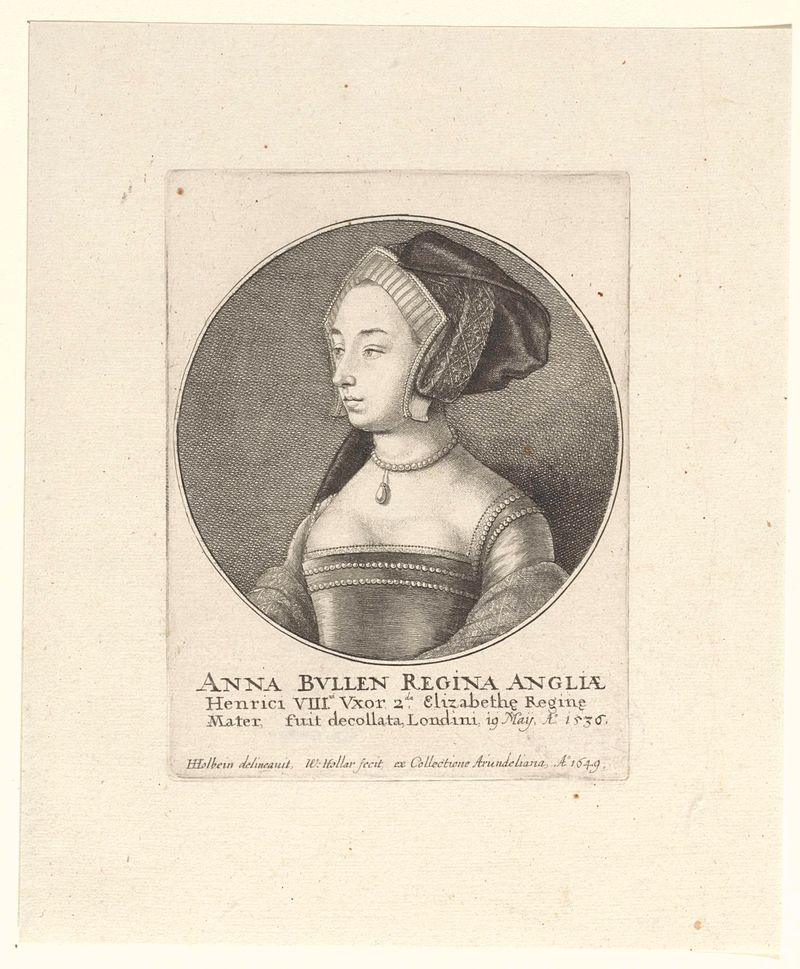
Portret van Anna Boleyn, koningin van Engeland
Wenceslaus Hollar
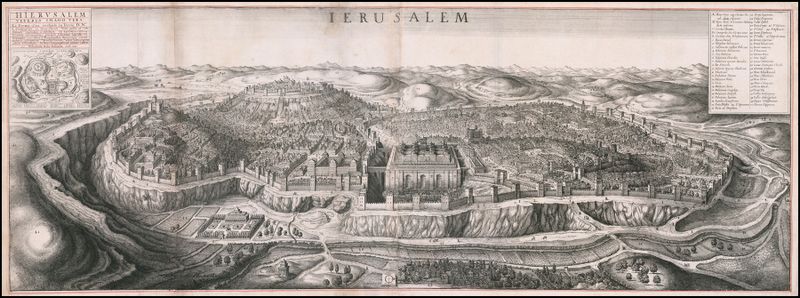
Bird’s eye view of Jerusalem
Wenceslaus Hollar
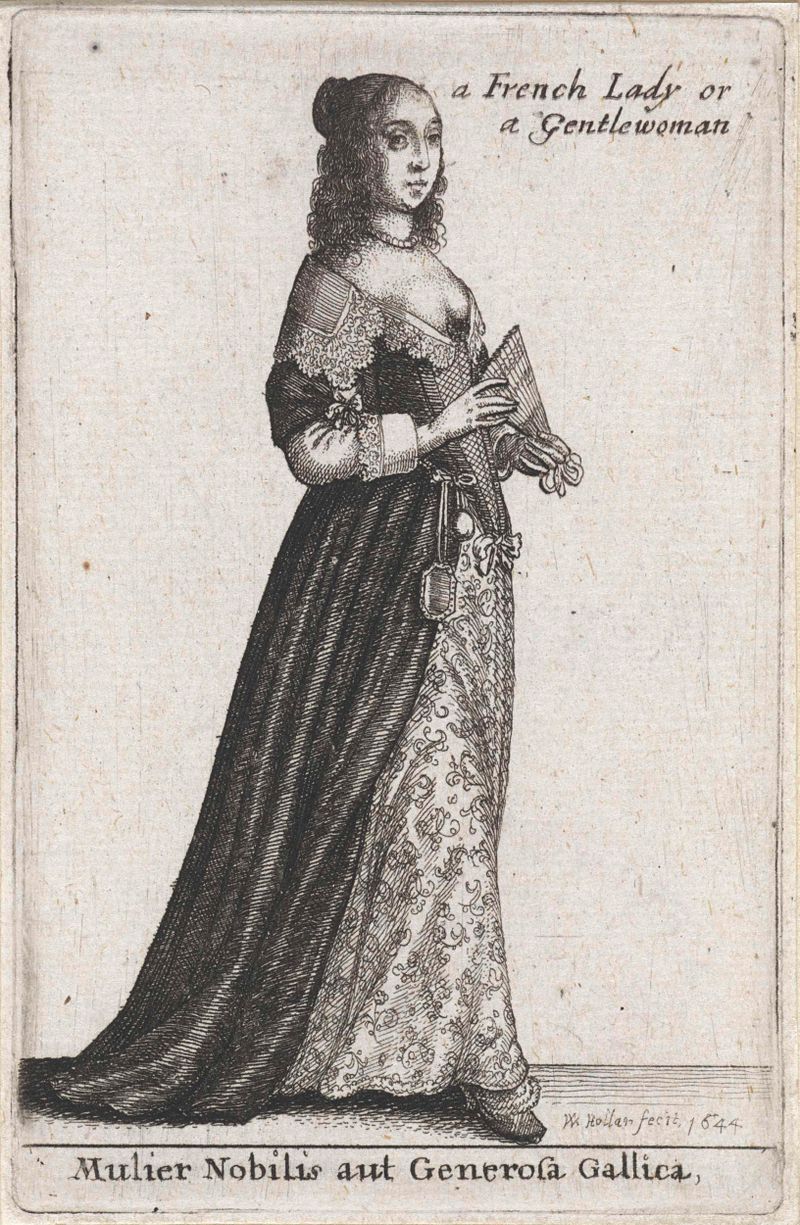
Mulier Nobilis aut Generosa Gallica / a French Lady or Gentlewoman
Wenceslaus Hollar
Titelprent voor: Ornatus Muliebris Anglicanus
Wenceslaus Hollar
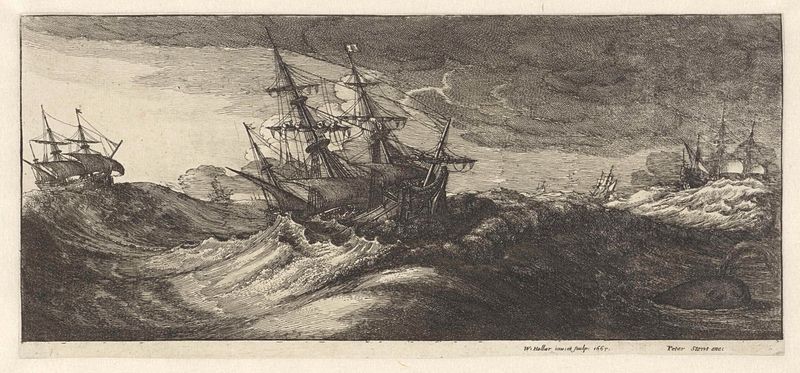
Oorlogsschepen en een walvis in een zeestorm
Wenceslaus Hollar
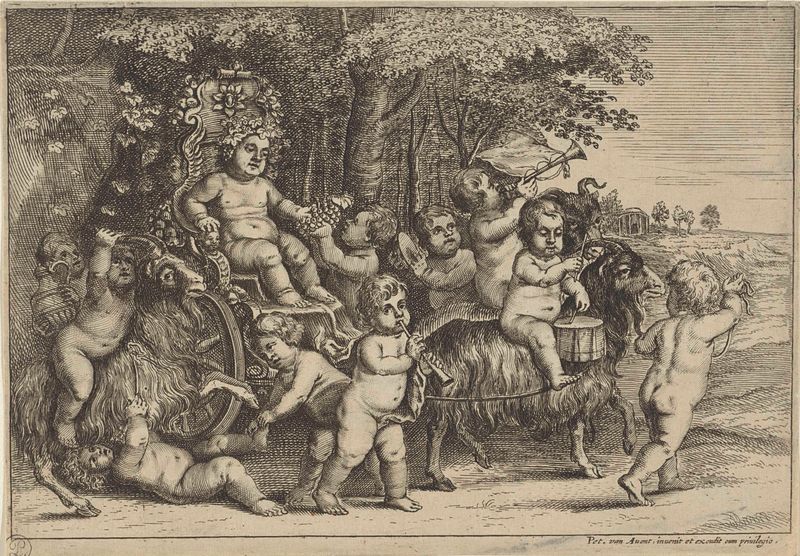
Optocht van bacchant en jongetjes op geiten
Wenceslaus Hollar
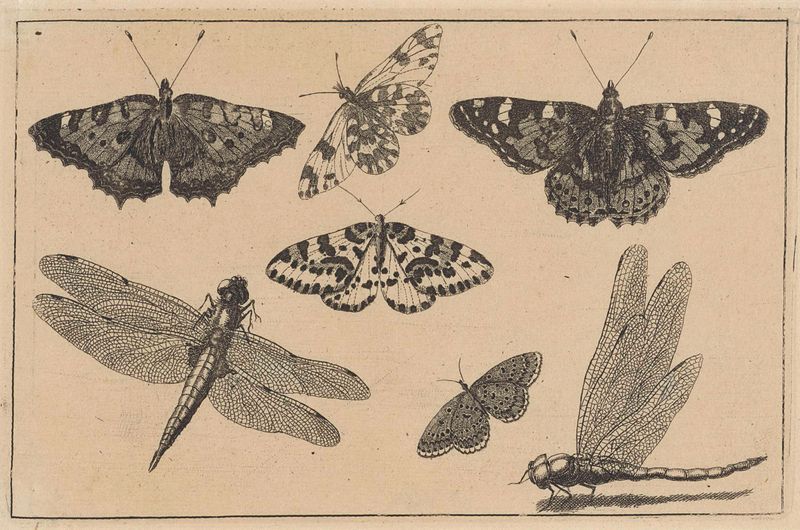
Twee libellen en vijf vlinders
Wenceslaus Hollar
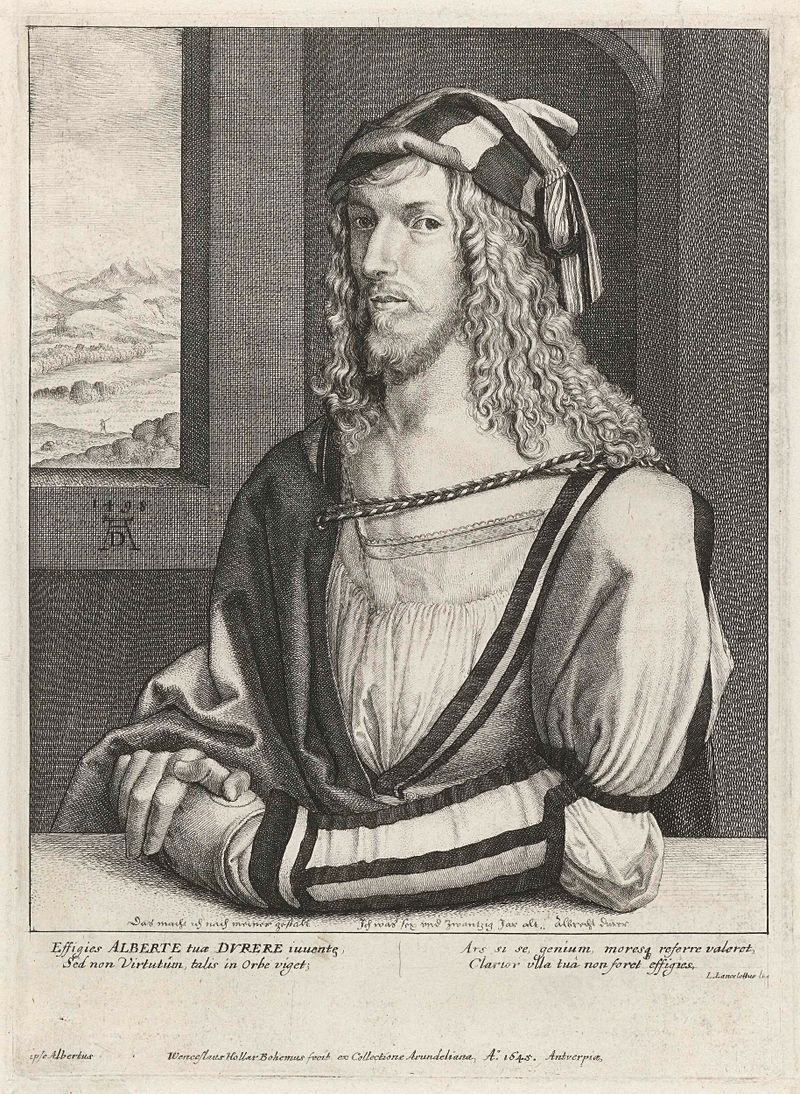
Portret van Albrecht Dürer
Wenceslaus Hollar
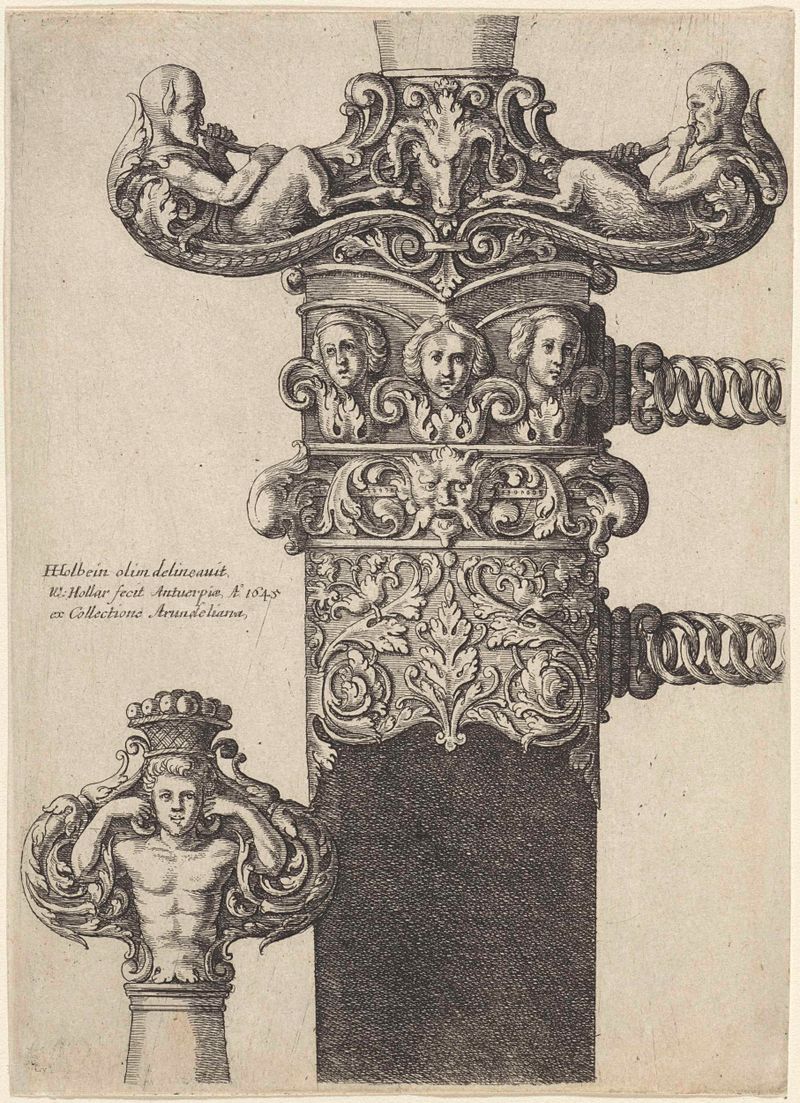
Ornamenteel ontwerp voor een dolk
Wenceslaus Hollar
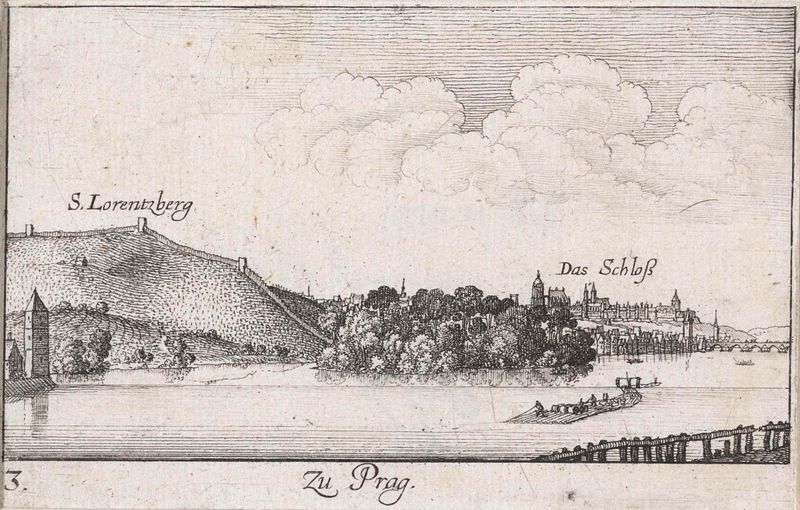
Gezicht op Praag vanaf de Moldau
Wenceslaus Hollar





