
Gezicht op Greenwich (rechter plaat) — History & Facts
In the delicate interplay of ink and paper, revelations linger in the air, waiting to be uncovered. Look to the foreground where the Thames winds through Greenwich, its gentle curve guiding your gaze toward the majestic architecture that crowns the skyline. The intricate details of the buildings, rendered with precision, invite you to explore the wealth of textures, from the rough stone of the walls to the smooth surface of the water. The soft, muted tones of brown and grey dominate the scene, creating a serene backdrop that juxtaposes the lively activities of figures dotting the riverbanks. As you delve deeper, notice the subtle play of light as it dances across the surface of the Thames, reflecting hints of gold and pale blue.
This contrast between the structured forms of the buildings and the fluidity of the water encapsulates the tension between human achievement and nature’s enduring presence. The small boats navigating the river seem almost insignificant against the grandiosity of the skyline, symbolizing both progress and the passage of time. This balance invites contemplation on the transient nature of life and the legacies we leave behind. During the years between 1637 and 1667, Wenceslaus Hollar created Gezicht op Greenwich amidst a Europe steeped in artistic evolution and turmoil.
Living in England after fleeing his native Bohemia, he captured the essence of his surroundings while the art world was transitioning from the constraints of the Renaissance to the more expressive Baroque style. These influences, combined with Hollar’s keen observational skills, imbued his work with a sense of place and historical significance that resonates to this day.
More Artworks by Wenceslaus Hollar
Browse all →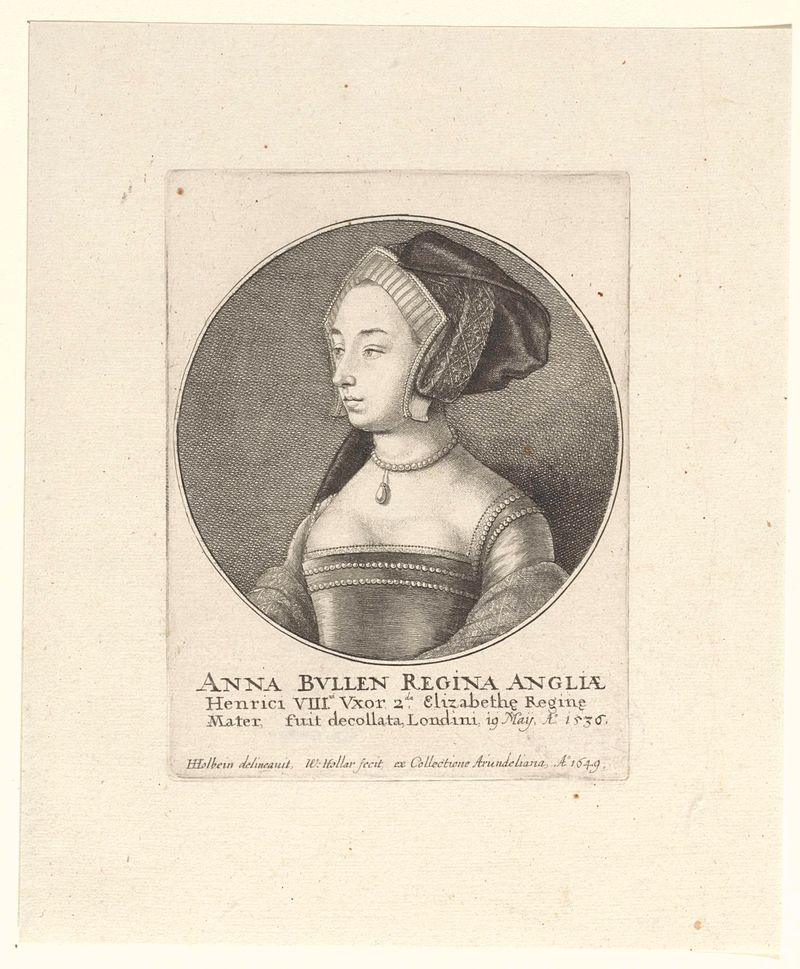
Portret van Anna Boleyn, koningin van Engeland
Wenceslaus Hollar
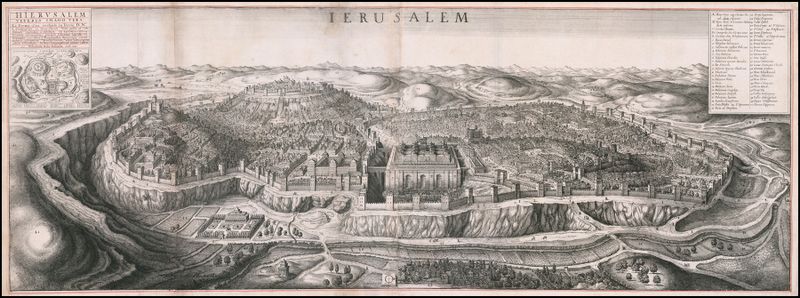
Bird’s eye view of Jerusalem
Wenceslaus Hollar
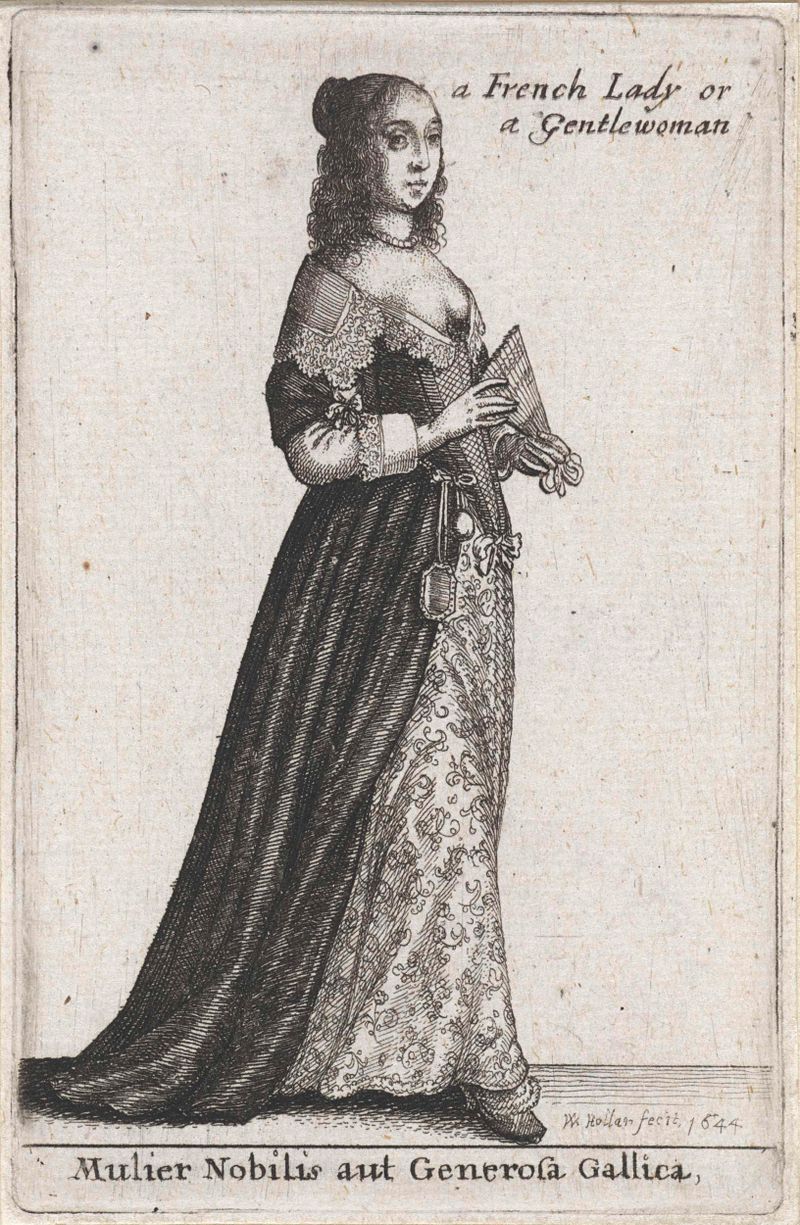
Mulier Nobilis aut Generosa Gallica / a French Lady or Gentlewoman
Wenceslaus Hollar
Titelprent voor: Ornatus Muliebris Anglicanus
Wenceslaus Hollar
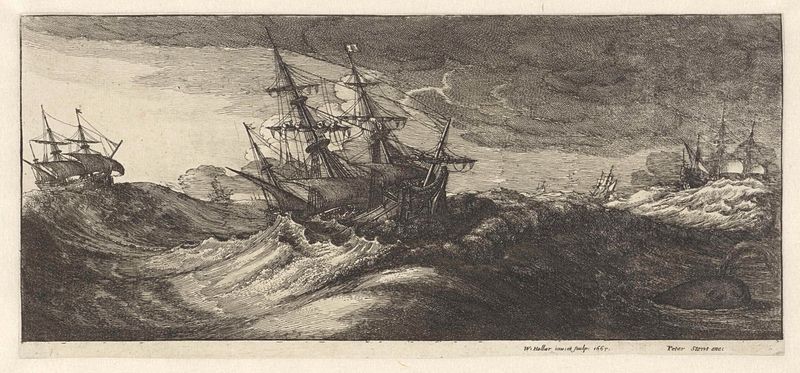
Oorlogsschepen en een walvis in een zeestorm
Wenceslaus Hollar
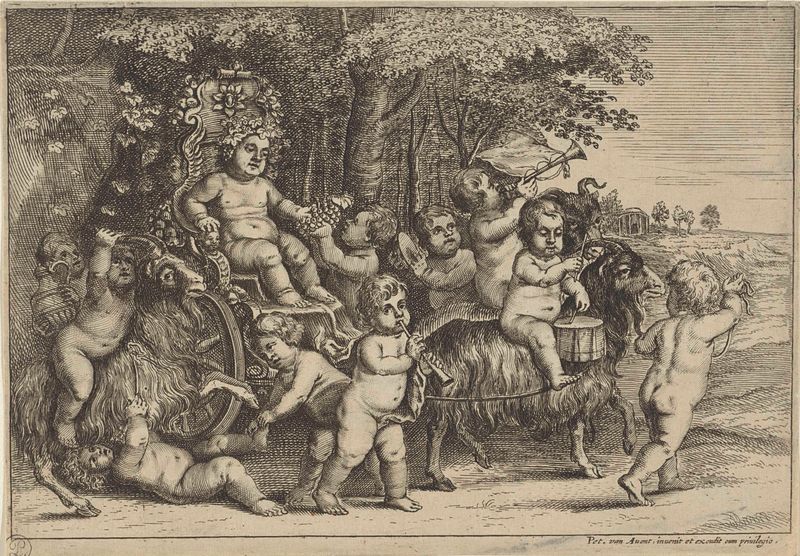
Optocht van bacchant en jongetjes op geiten
Wenceslaus Hollar
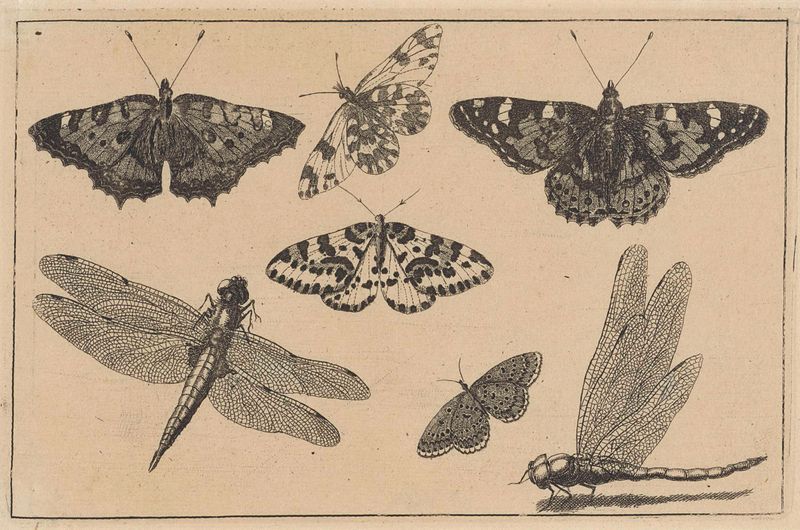
Twee libellen en vijf vlinders
Wenceslaus Hollar
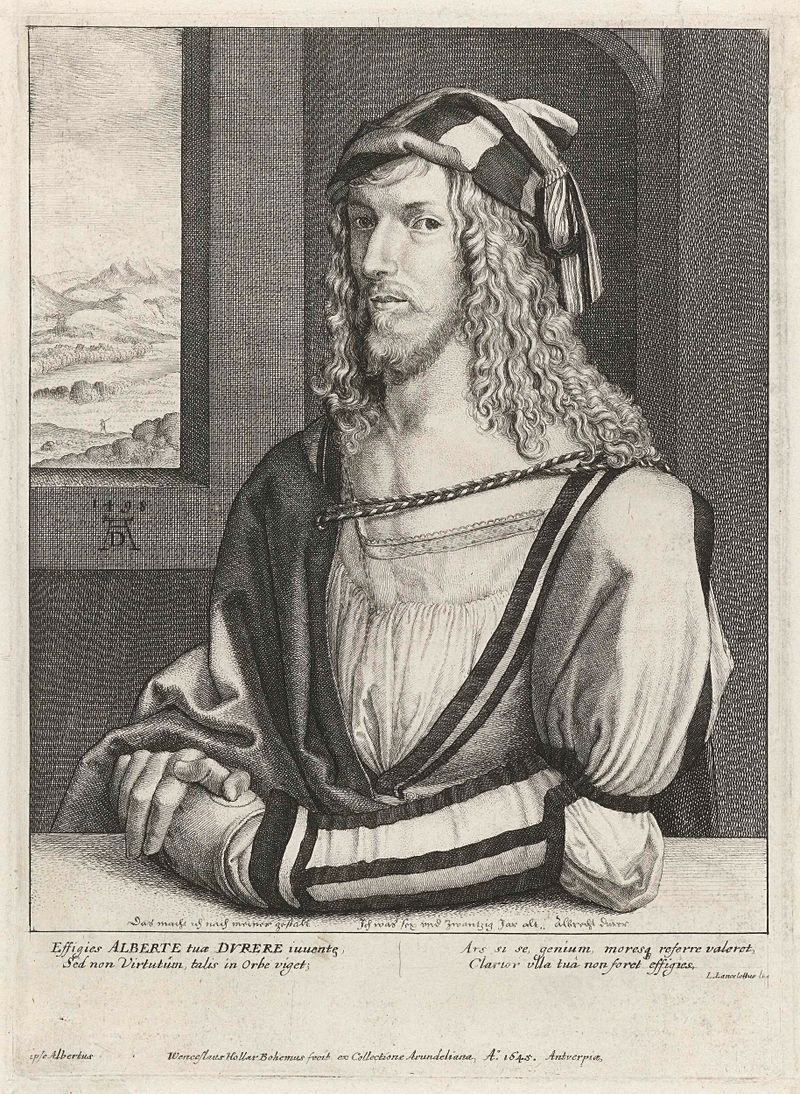
Portret van Albrecht Dürer
Wenceslaus Hollar
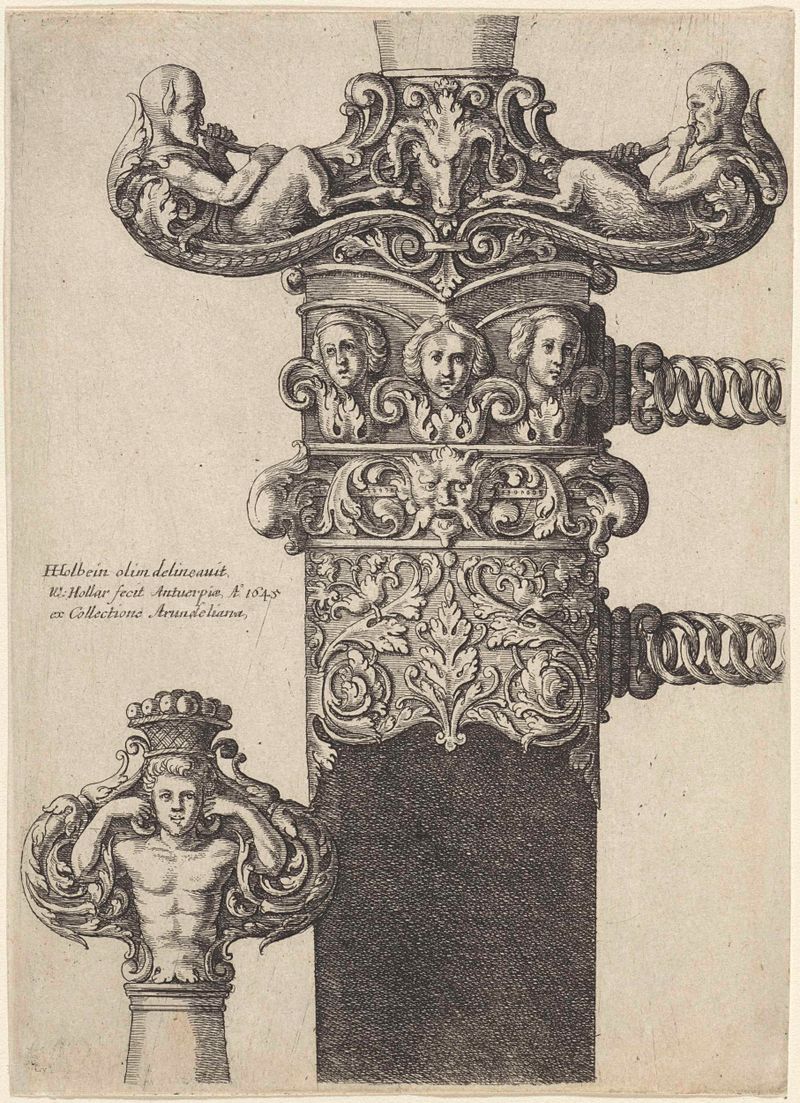
Ornamenteel ontwerp voor een dolk
Wenceslaus Hollar
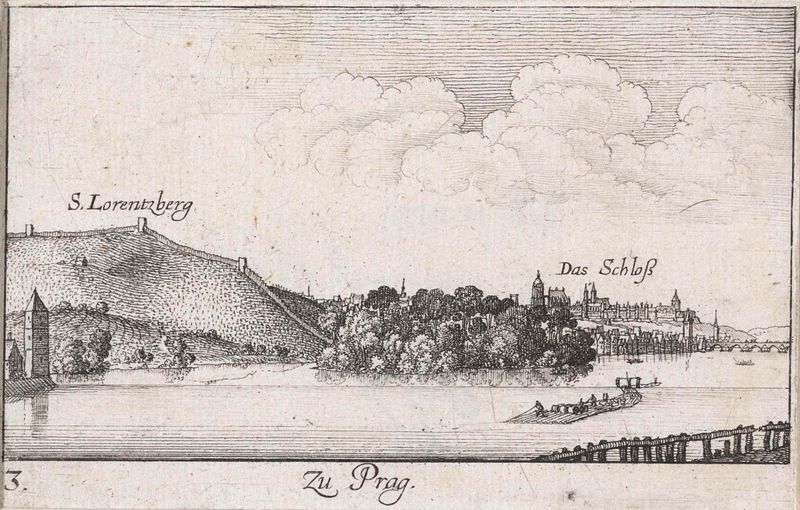
Gezicht op Praag vanaf de Moldau
Wenceslaus Hollar





