
Gezicht op Greenwich (rechter plaat) — History & Facts
Could beauty survive in a century of chaos? In Gezicht op Greenwich, Hollar captures an enduring landscape that whispers of stability amidst the tumult of the 17th century. The artwork stands as a testament to the power of legacy, inviting viewers to ponder how such scenes endure through the ages, even when the world around them shifts violently. Look to the center of the composition, where the grand silhouette of the Royal Observatory rises against a delicate sky, its architectural details rendered with meticulous care. To the left, the Thames flows languidly, reflecting the soft light of day in a palette of muted blues and greens.
The careful arrangement of trees along the banks creates a sense of harmony, guiding the gaze across the scene and enveloping it in an aura of tranquility. Hollar’s fine etching technique emphasizes texture and depth, drawing viewers deeper into this serene moment. Within this idyllic representation, tension lies in the juxtaposition of nature’s calm and the human-made structures that symbolize progress and enlightenment. The soft clouds hover protectively above, suggesting a moment frozen in time, yet the observer is reminded of the world beyond this peaceful vista—a world rife with conflict and upheaval.
The observatory stands not only as a symbol of scientific advancement but as a reminder of the fragile balance between nature and civilization, beauty and chaos. Wenceslaus Hollar created this work during a period of profound change in Europe, marked by political unrest and the Thirty Years' War. Settling in England after fleeing the continent, he sought to document the evolving landscapes and architecture during his time in London from 1637 to 1667. The etching reflects not only his artistic vision but also the dynamic interplay between tradition and innovation that characterized his era.
More Artworks by Wenceslaus Hollar
Browse all →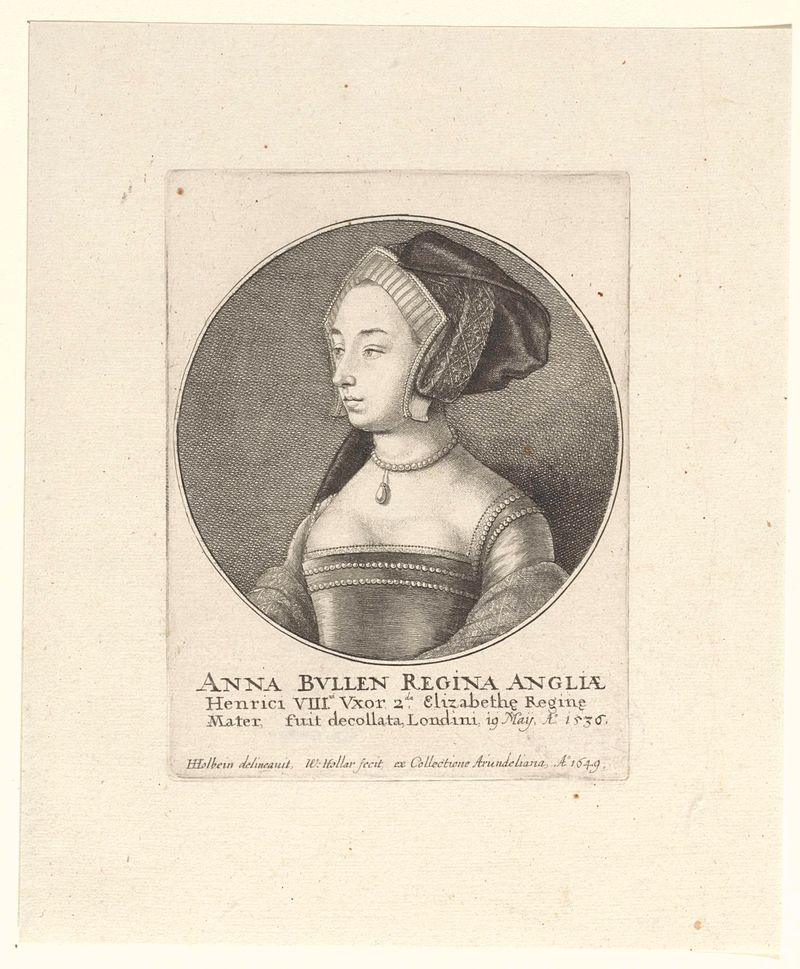
Portret van Anna Boleyn, koningin van Engeland
Wenceslaus Hollar
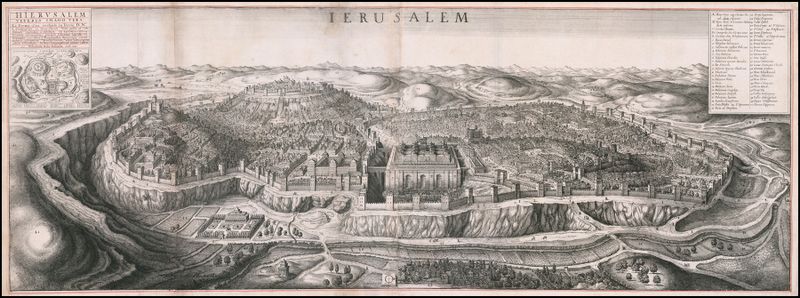
Bird’s eye view of Jerusalem
Wenceslaus Hollar
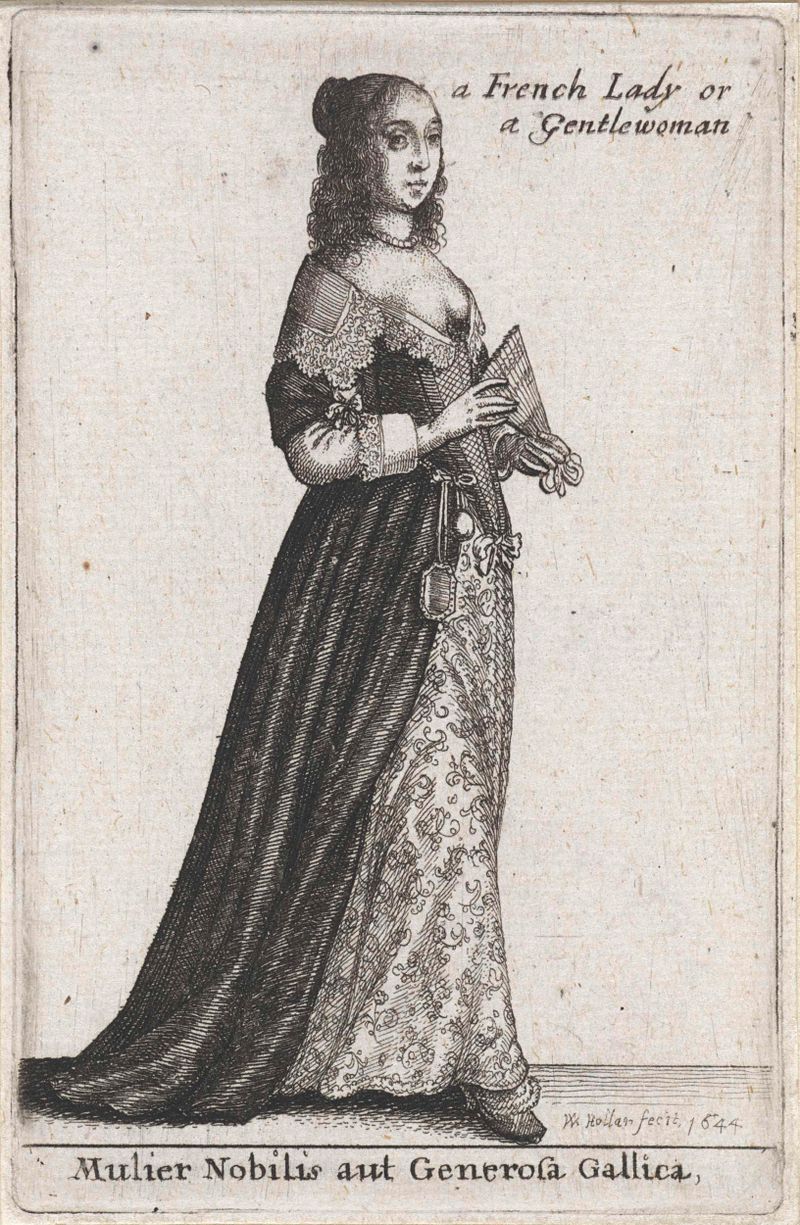
Mulier Nobilis aut Generosa Gallica / a French Lady or Gentlewoman
Wenceslaus Hollar
Titelprent voor: Ornatus Muliebris Anglicanus
Wenceslaus Hollar
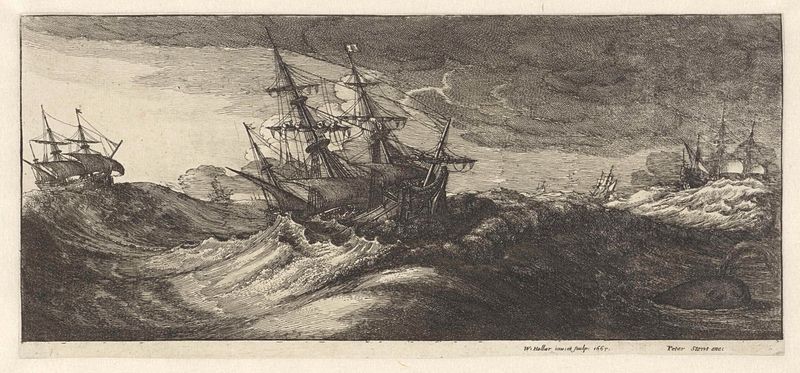
Oorlogsschepen en een walvis in een zeestorm
Wenceslaus Hollar
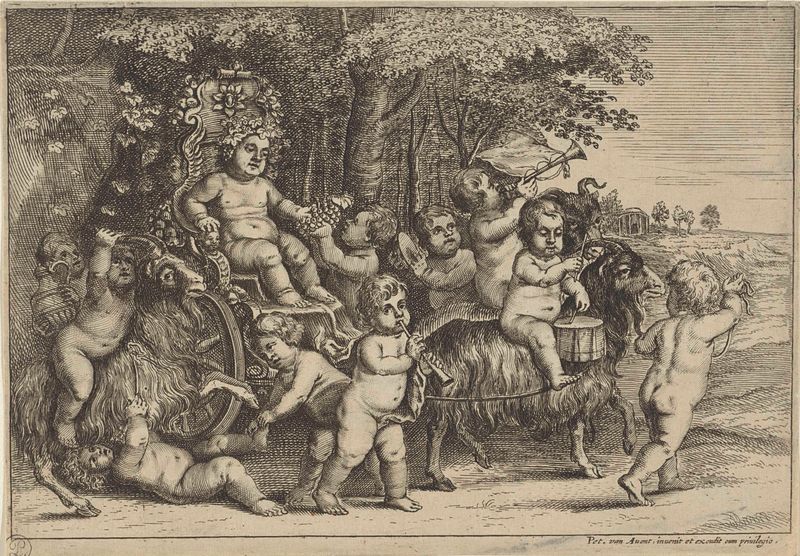
Optocht van bacchant en jongetjes op geiten
Wenceslaus Hollar
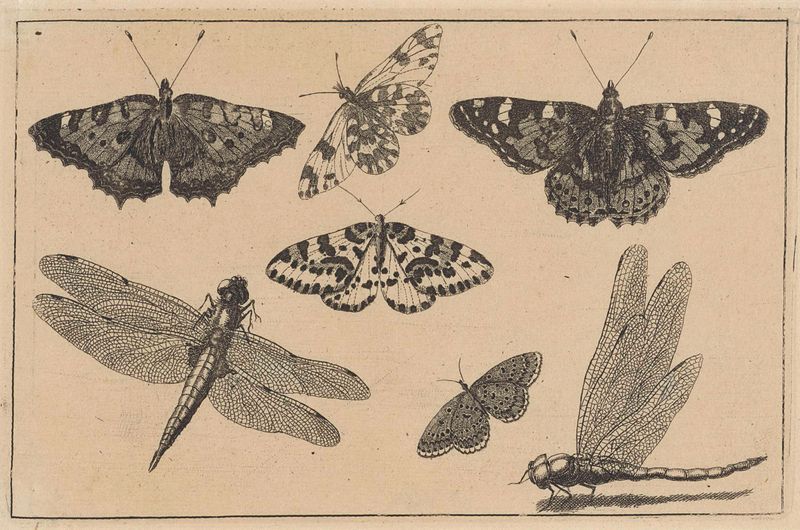
Twee libellen en vijf vlinders
Wenceslaus Hollar
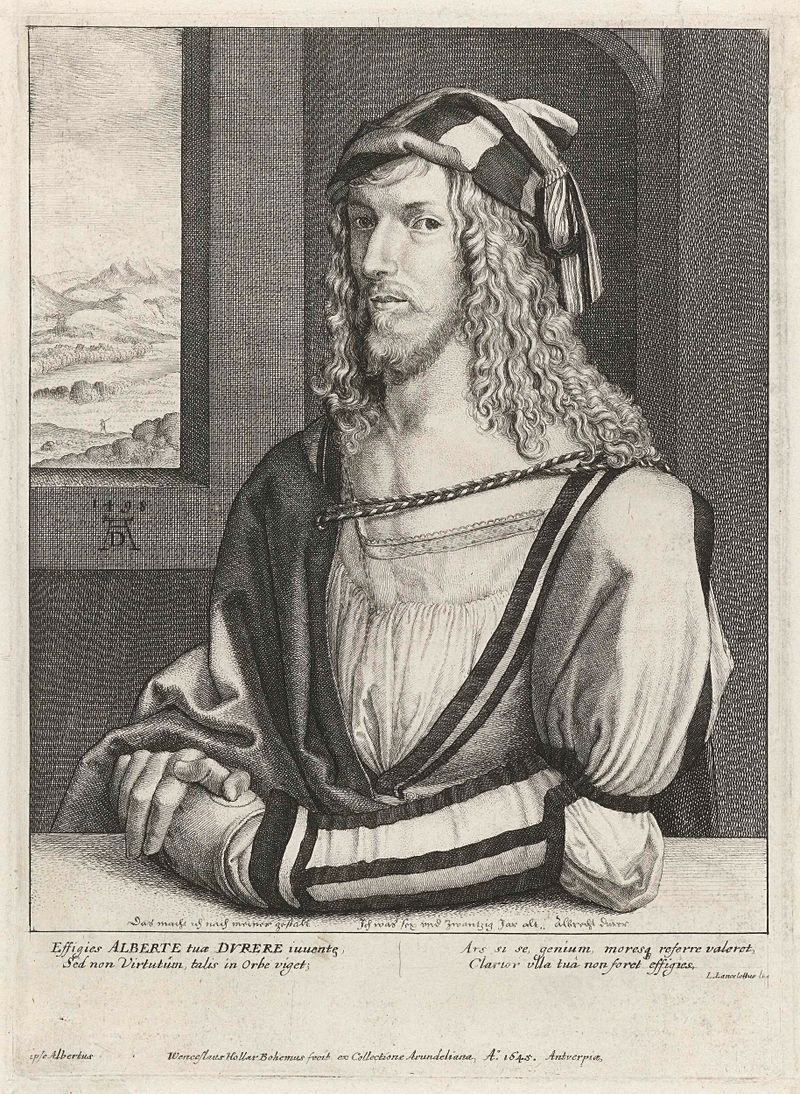
Portret van Albrecht Dürer
Wenceslaus Hollar
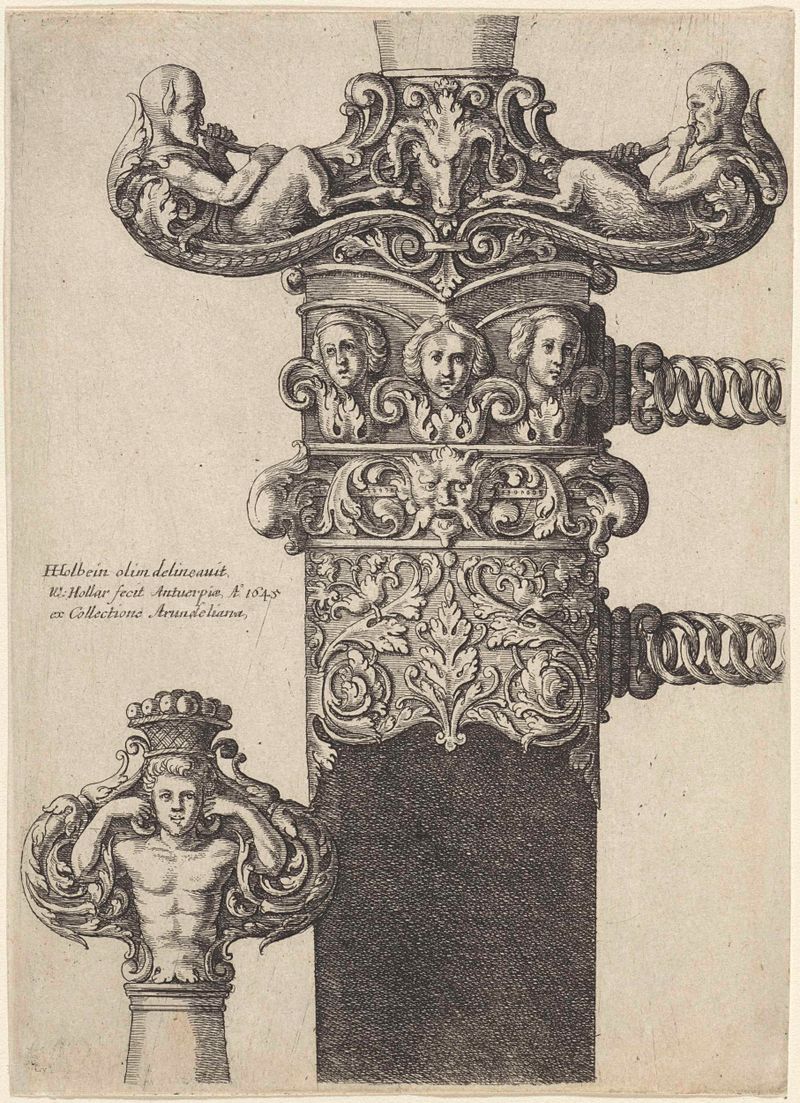
Ornamenteel ontwerp voor een dolk
Wenceslaus Hollar
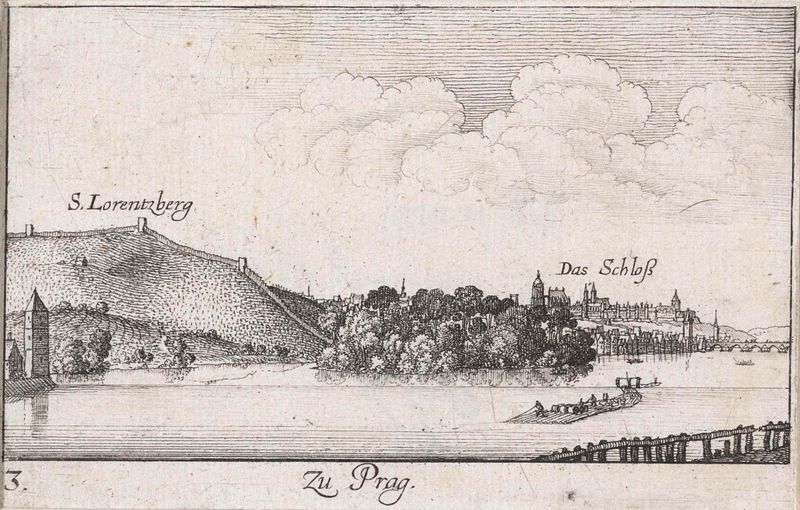
Gezicht op Praag vanaf de Moldau
Wenceslaus Hollar





