
Gezicht op het tolhuis aan de Rijn in Straatsburg — History & Facts
In that void, we find the true essence of observation, where time suspends, and detail reigns supreme. Look to the foreground, where the tollhouse stands with a stoic grace against the backdrop of the Rhine. The intricate lines of Hollar’s etching create a rhythm that guides the viewer’s eye through the composition, revealing the coarse texture of the stone and the delicate ripples of water. The muted tones of gray and brown suggest a somber atmosphere, while the play of light hints at the passage of day.
Notice how the light catches the windows, refracting a story of life within its walls. Yet, it is the contrast of the stillness of the tollhouse with the flowing river that evokes a deeper contemplation. The structure, static and firm, represents human endeavor and industry, while the river symbolizes the relentless march of time. This juxtaposition asks us to confront our place within the ebb and flow of existence.
One cannot overlook the solitary figure near the water’s edge, a reminder of humanity's fragility against nature’s vastness. Wenceslaus Hollar crafted this etching in 1635 while living in the artistic hub of Amsterdam. During this period, Europe was grappling with political upheaval and change; the Thirty Years' War was reshaping the continent. Hollar’s work reflects the intricate detail and precision of the Baroque style, showcasing his mastery of line and form, while simultaneously capturing the essence of a world in transition.
More Artworks by Wenceslaus Hollar
Browse all →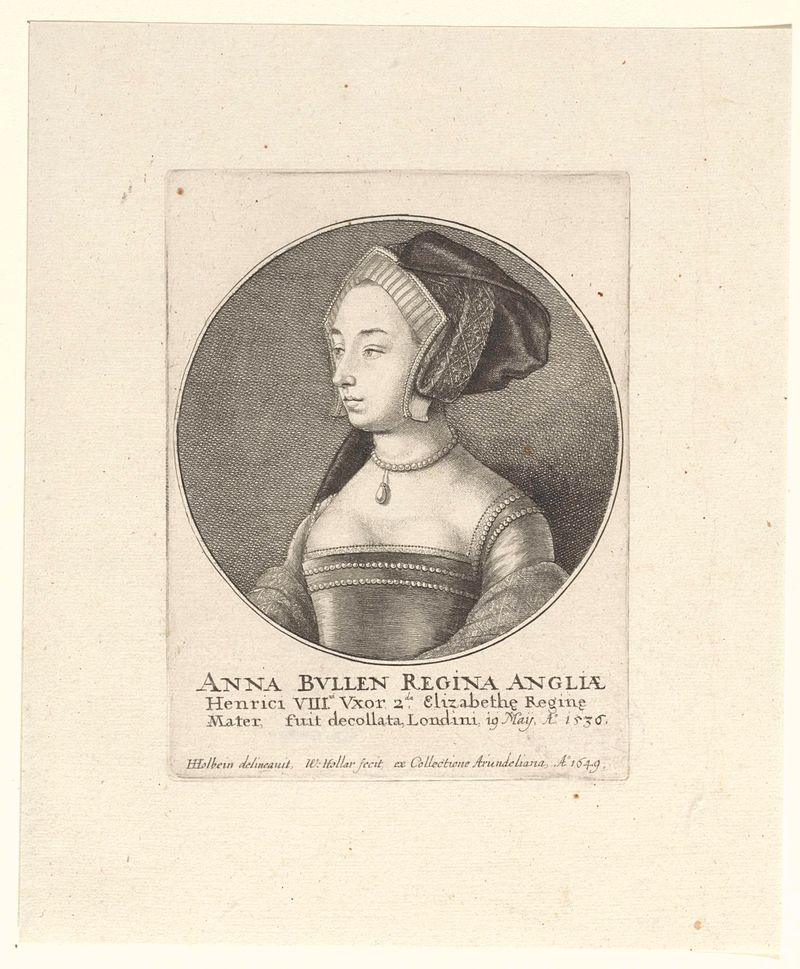
Portret van Anna Boleyn, koningin van Engeland
Wenceslaus Hollar
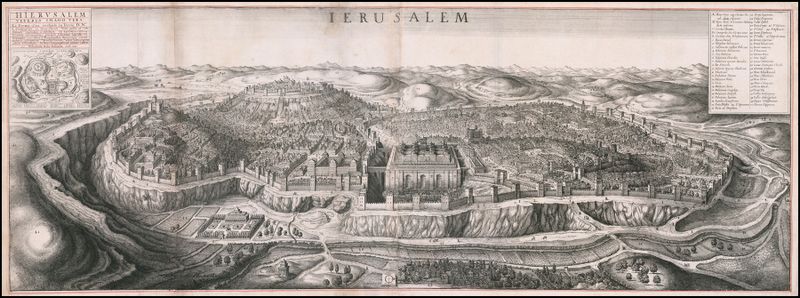
Bird’s eye view of Jerusalem
Wenceslaus Hollar
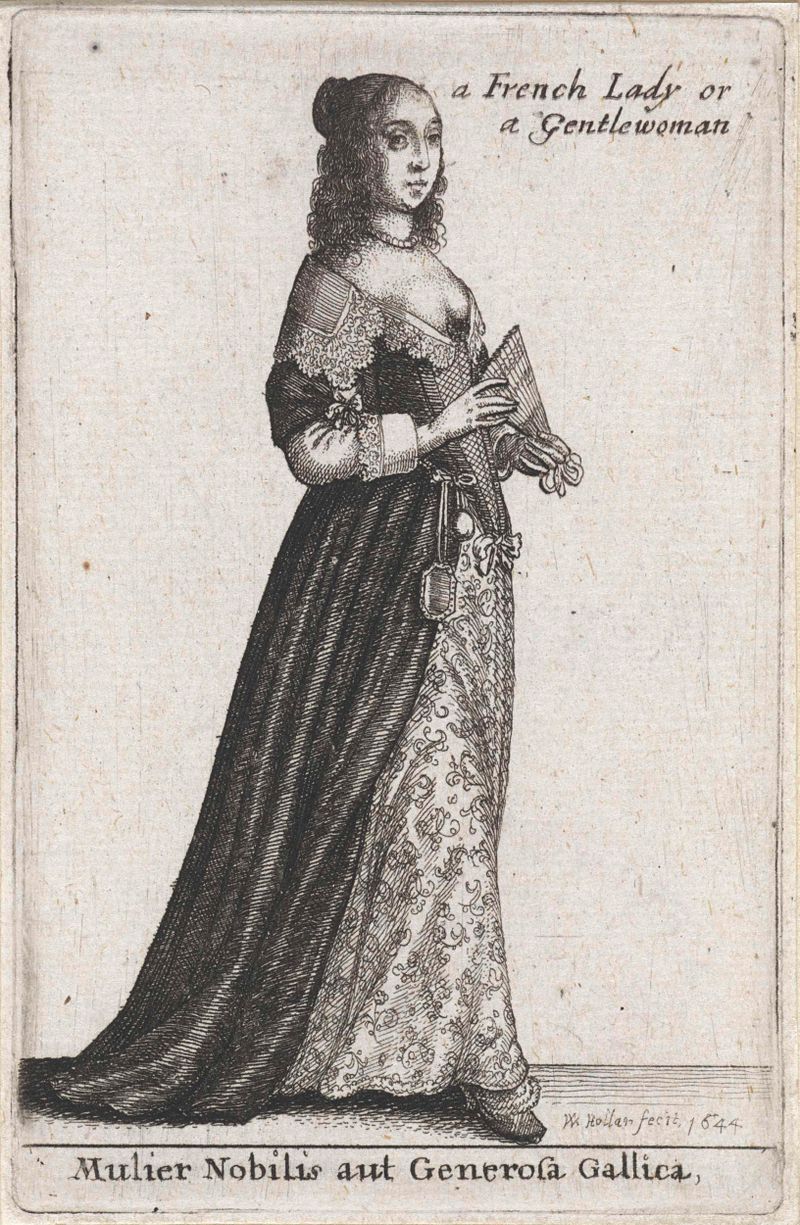
Mulier Nobilis aut Generosa Gallica / a French Lady or Gentlewoman
Wenceslaus Hollar
Titelprent voor: Ornatus Muliebris Anglicanus
Wenceslaus Hollar
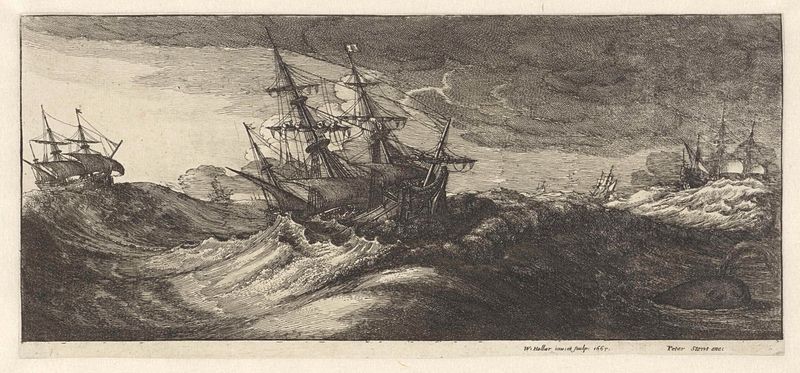
Oorlogsschepen en een walvis in een zeestorm
Wenceslaus Hollar
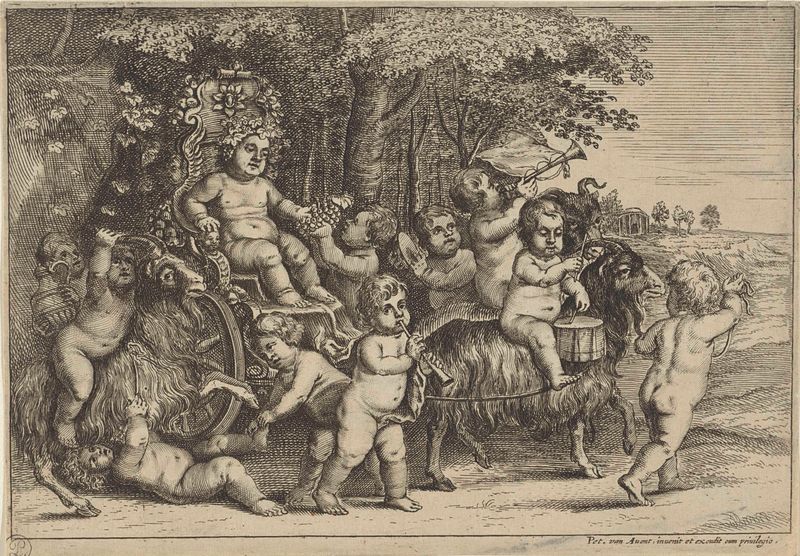
Optocht van bacchant en jongetjes op geiten
Wenceslaus Hollar
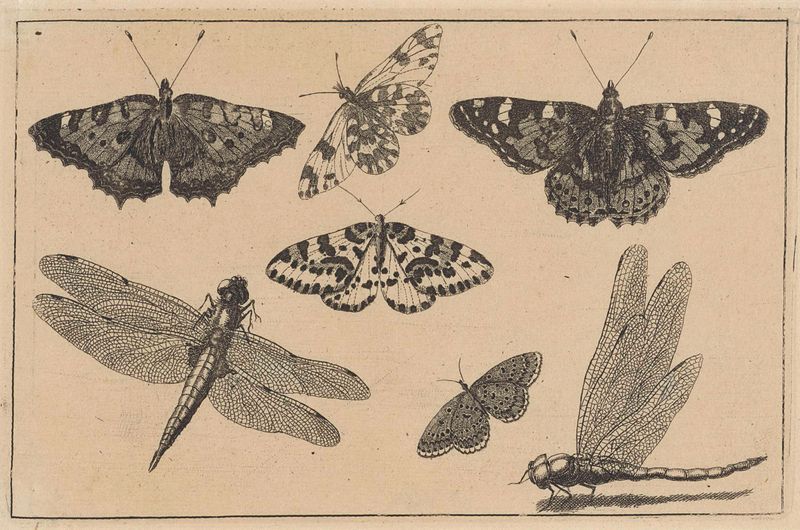
Twee libellen en vijf vlinders
Wenceslaus Hollar
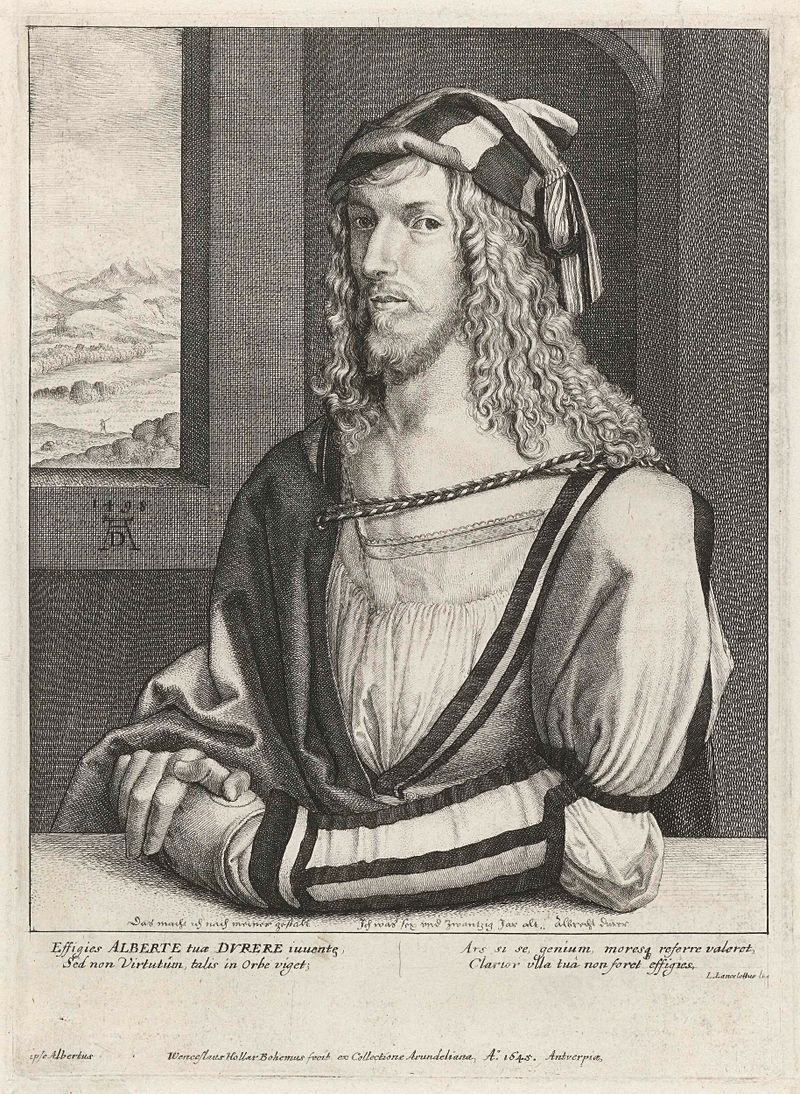
Portret van Albrecht Dürer
Wenceslaus Hollar
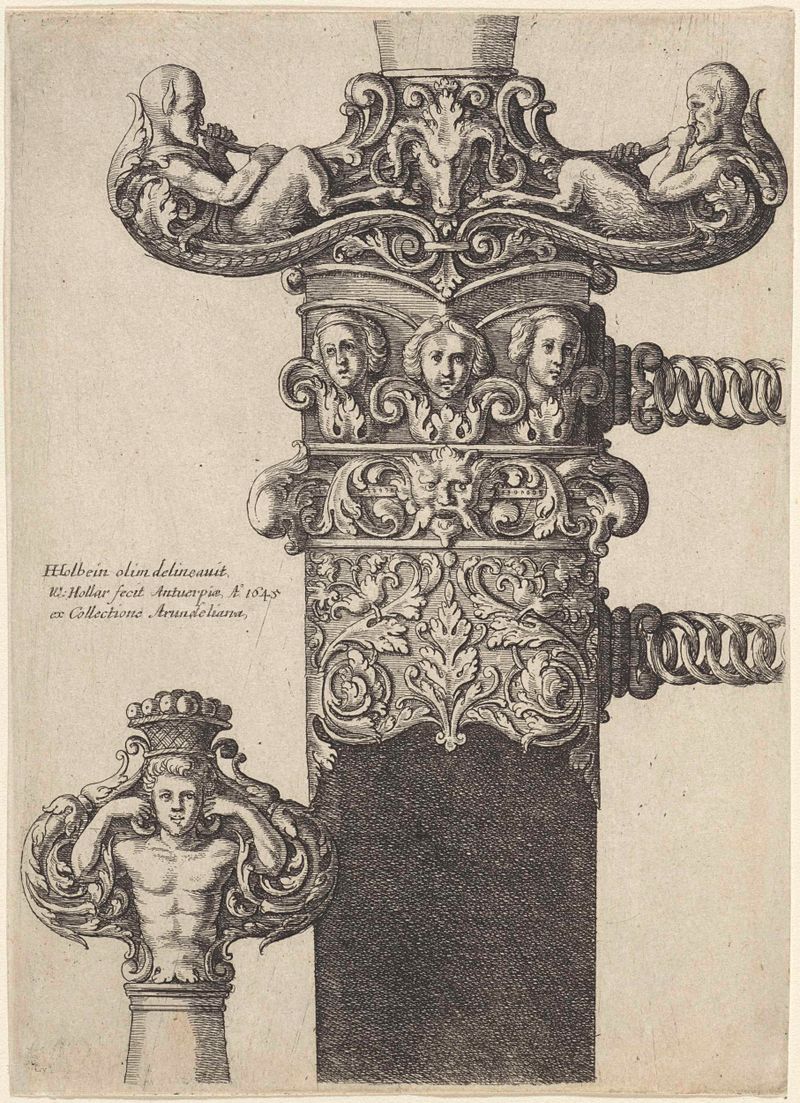
Ornamenteel ontwerp voor een dolk
Wenceslaus Hollar
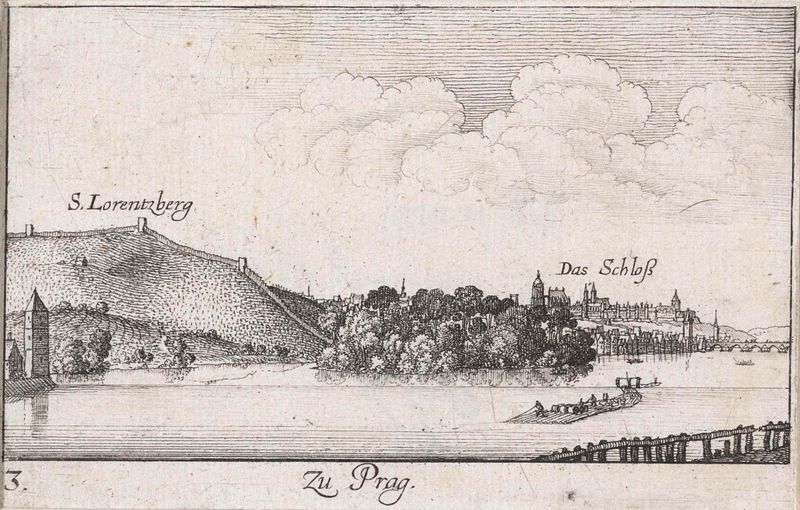
Gezicht op Praag vanaf de Moldau
Wenceslaus Hollar
More Architecture Art
Browse all →
The statue of Liberty
Frédéric Auguste Bartholdi

View of Houses in Delft, Known as ‘The Little Street’
Johannes Vermeer

View of Houses in Delft, Known as ‘The Little Street’
Johannes Vermeer

The Cathedral in Rouen. The portal, Grey Weather
Claude Monet

The yellow house
Vincent van Gogh

The Church in Auvers-sur-Oise, View from the Chevet
Vincent van Gogh