
Gezicht op Islington (Londen) met greppel — History & Facts
What secret hides in the quiet of the canvas? Here lies a world where the ordinary becomes extraordinary, and the familiar whispers of madness beneath its placid exterior. Look to the center of the composition, where a winding pathway draws the eye through a gentle landscape, bordered by a serene greppel. The artist employs delicate line work, bringing a vivid sense of depth while maintaining an ethereal quality. Notice how the muted palette, dominated by soft browns and greens, harmonizes with the pale sky, creating an atmosphere that feels both tranquil and unsettling.
The absence of human figures invites the viewer to contemplate absence itself, amplifying the feeling of isolation. As you explore further, subtle details emerge that hint at narratives just out of reach. The winding path can symbolize the unpredictable twists of fate, while the greppel, a simple yet profound element, suggests a boundary or separation, perhaps reflecting the thin line between sanity and chaos. The distant horizon, with its hint of wildness, teeters on the edge of the known world—suggesting that behind the calm lies a chaotic undercurrent, a reminder of the fragility of perception. Wenceslaus Hollar created this work in 1665 while residing in London, a time marked by political upheaval and a burgeoning artistic landscape.
As a printmaker and draftsman, Hollar found himself gravitating towards the details of urban life and the English countryside, capturing the essence of a world grappling with change. This piece reflects not only his skill but also the complex emotions of an era caught between order and madness.
More Artworks by Wenceslaus Hollar
Browse all →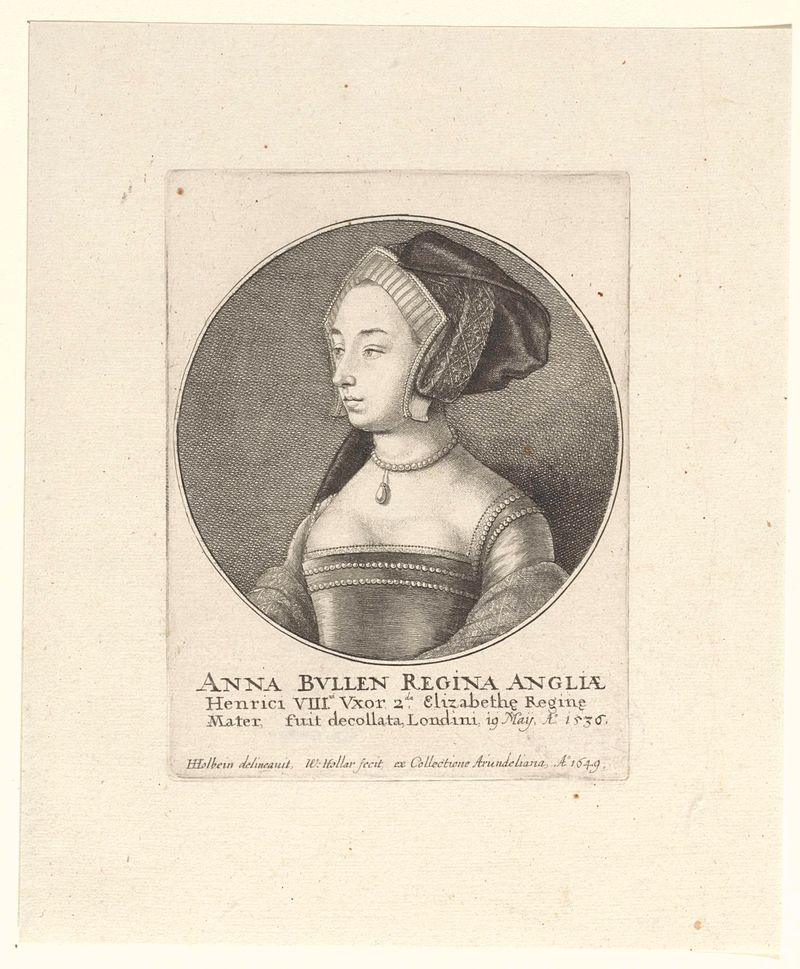
Portret van Anna Boleyn, koningin van Engeland
Wenceslaus Hollar
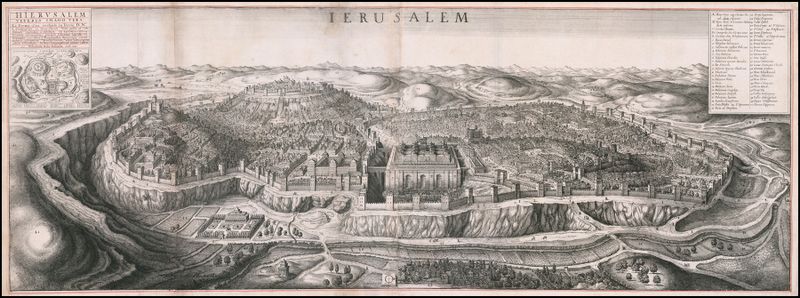
Bird’s eye view of Jerusalem
Wenceslaus Hollar
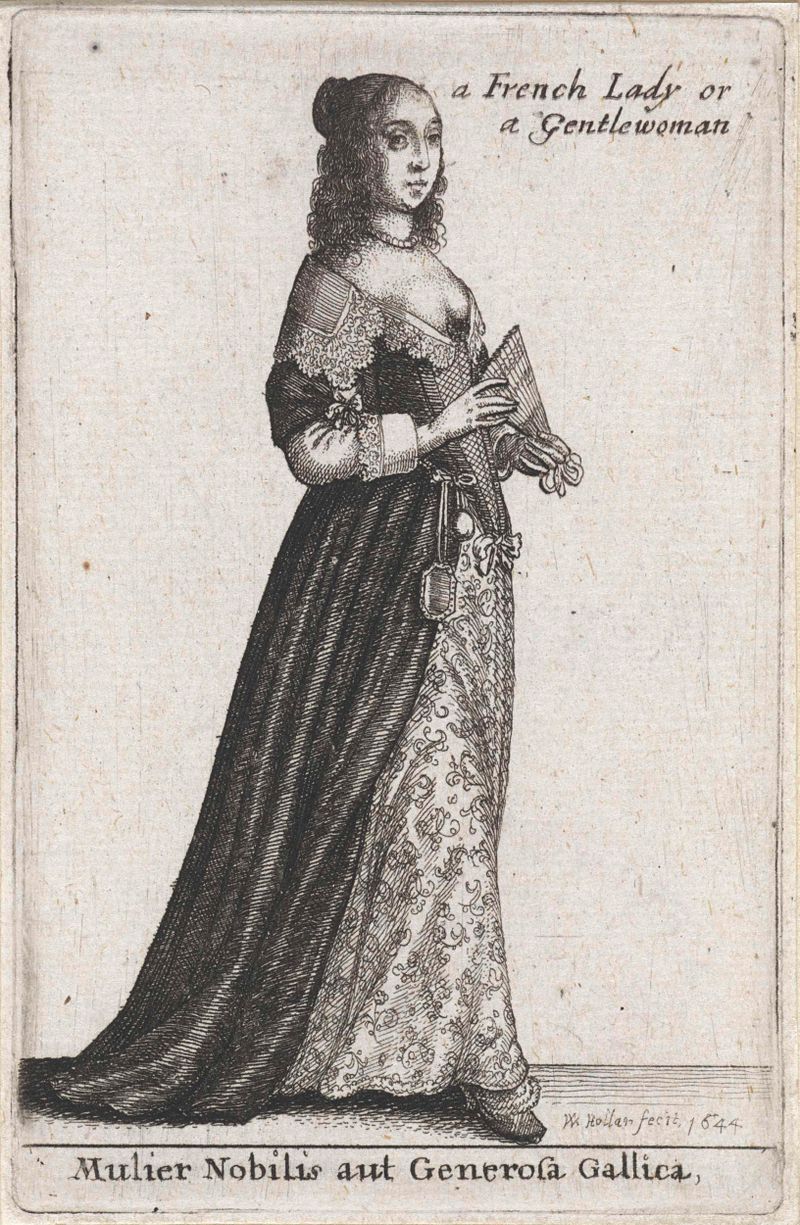
Mulier Nobilis aut Generosa Gallica / a French Lady or Gentlewoman
Wenceslaus Hollar
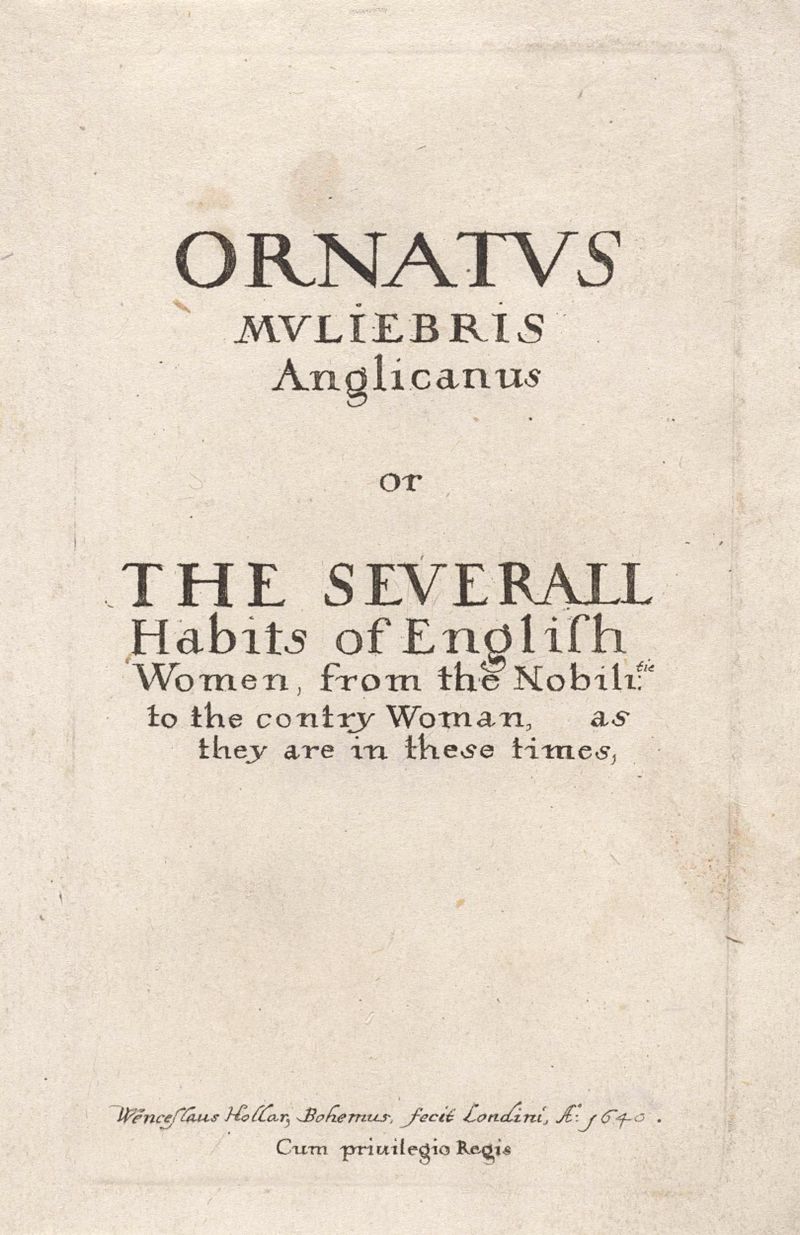
Titelprent voor: Ornatus Muliebris Anglicanus
Wenceslaus Hollar
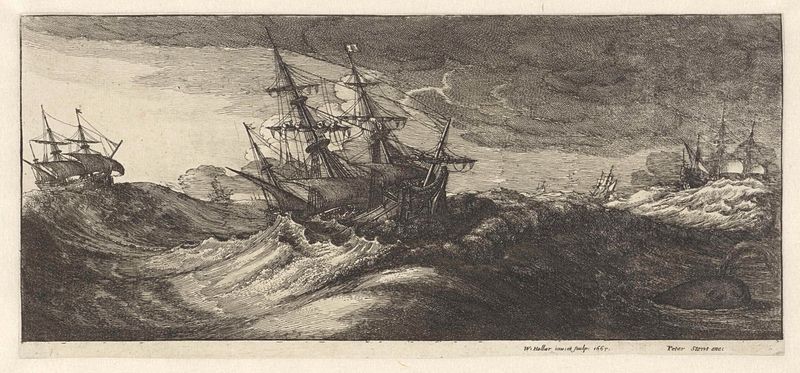
Oorlogsschepen en een walvis in een zeestorm
Wenceslaus Hollar
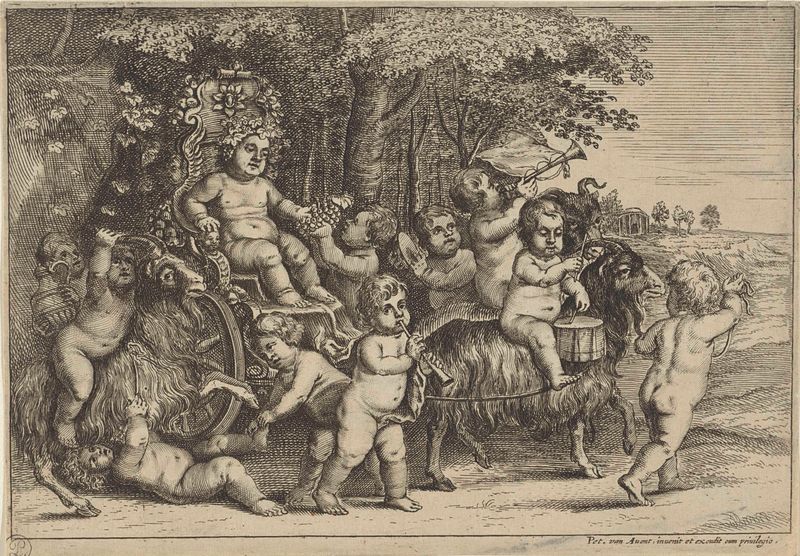
Optocht van bacchant en jongetjes op geiten
Wenceslaus Hollar
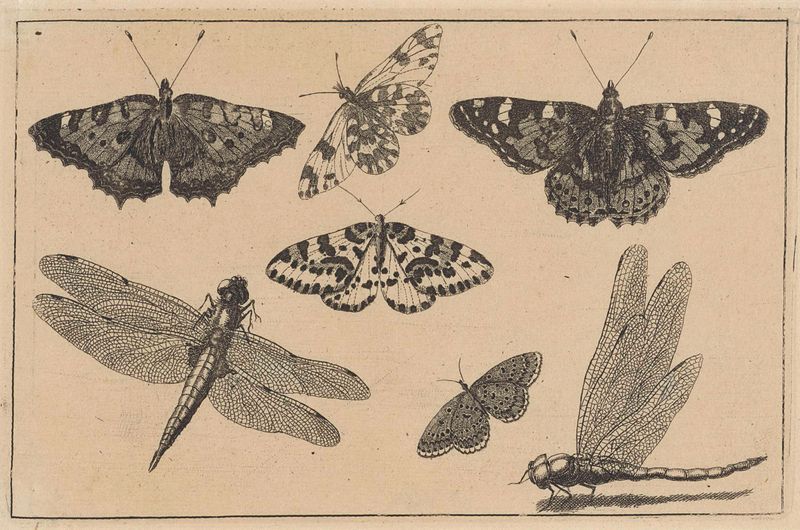
Twee libellen en vijf vlinders
Wenceslaus Hollar
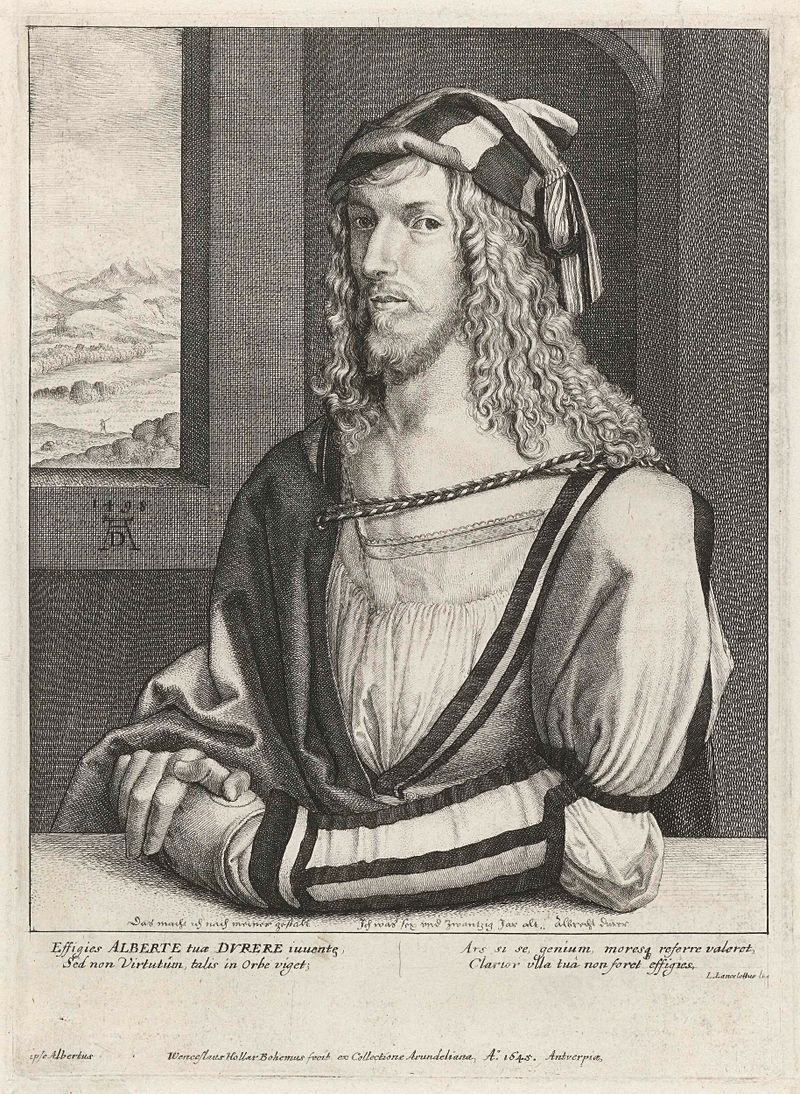
Portret van Albrecht Dürer
Wenceslaus Hollar
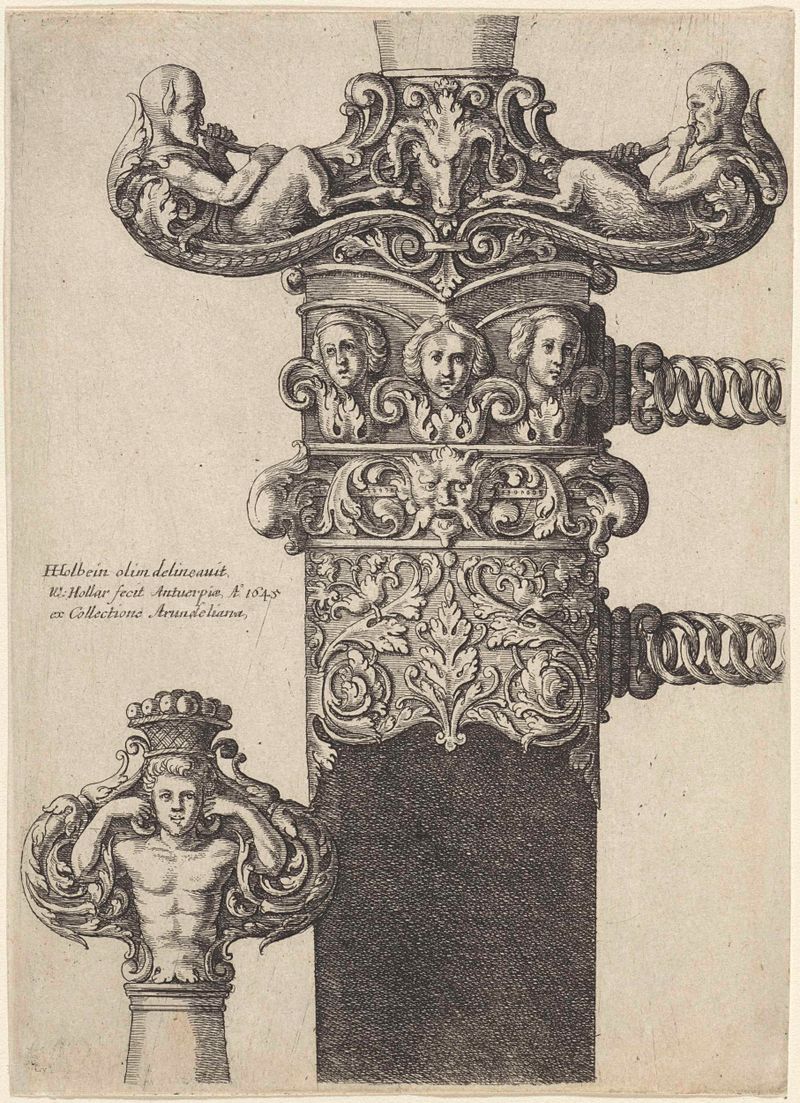
Ornamenteel ontwerp voor een dolk
Wenceslaus Hollar
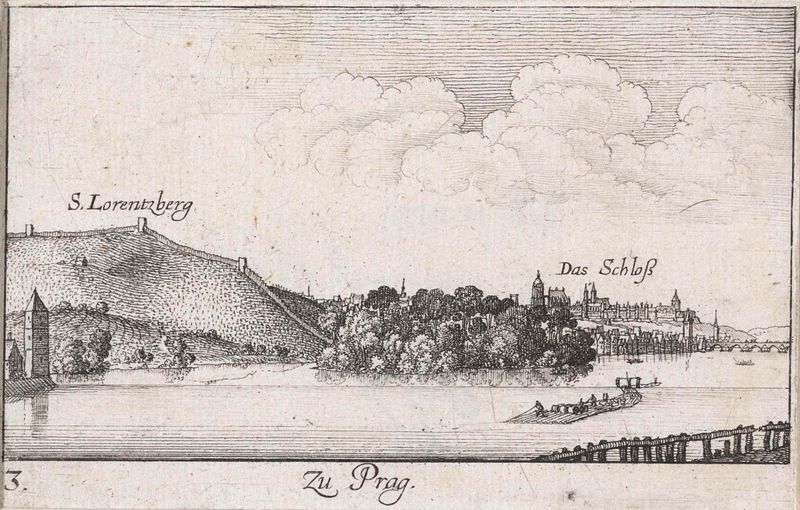
Gezicht op Praag vanaf de Moldau
Wenceslaus Hollar





