
Gezicht op Rüdesheim — History & Facts
What if beauty was never meant to be finished? The delicate interplay of landscape and line invites us to linger, to explore a world caught between reality and the imagination. Look to the foreground where the winding river reflects a soft gradient of light, guiding the eye towards the inviting village nestled against the hills. The meticulous detail of the trees, with their slender trunks and leafy canopies, contrasts against the smoothness of the water, drawing viewers into a tranquil moment. Notice how the clouds hover in the sky, their wispy forms echoing the gentle curves of the landscape, creating a harmonious balance that captures both serenity and movement. Beneath its picturesque surface, the artwork reveals a tension between permanence and transience.
The boats on the river, poised for journey yet suspended in stillness, evoke a feeling of longing for the passage of time. Each element—the sloping hills, the quaint homes, the flowing water—speaks to a fleeting beauty that is both comforting and melancholic, suggesting that happiness, like the scene itself, is marked by impermanence. Wenceslaus Hollar created this intricate etching in 1635, during a time of artistic transition in Europe as the Baroque style flourished. Living in the vibrant city of London, he drew inspiration from his travels across the continent.
At this juncture, he was navigating his own path as an artist, capturing moods and landscapes that spoke of both a personal and collective yearning for connection with the world around him.
More Artworks by Wenceslaus Hollar
Browse all →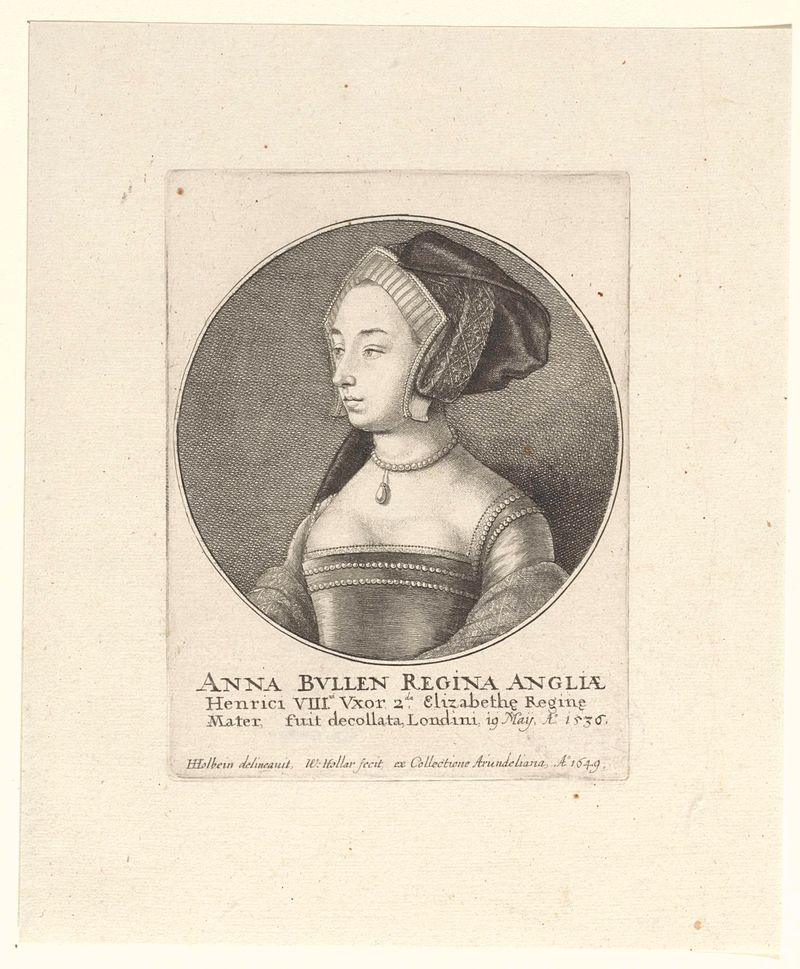
Portret van Anna Boleyn, koningin van Engeland
Wenceslaus Hollar
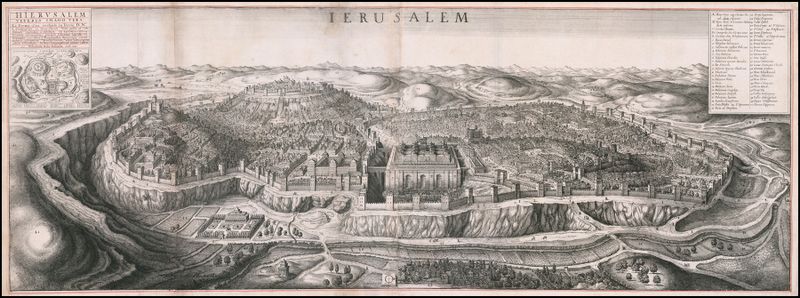
Bird’s eye view of Jerusalem
Wenceslaus Hollar
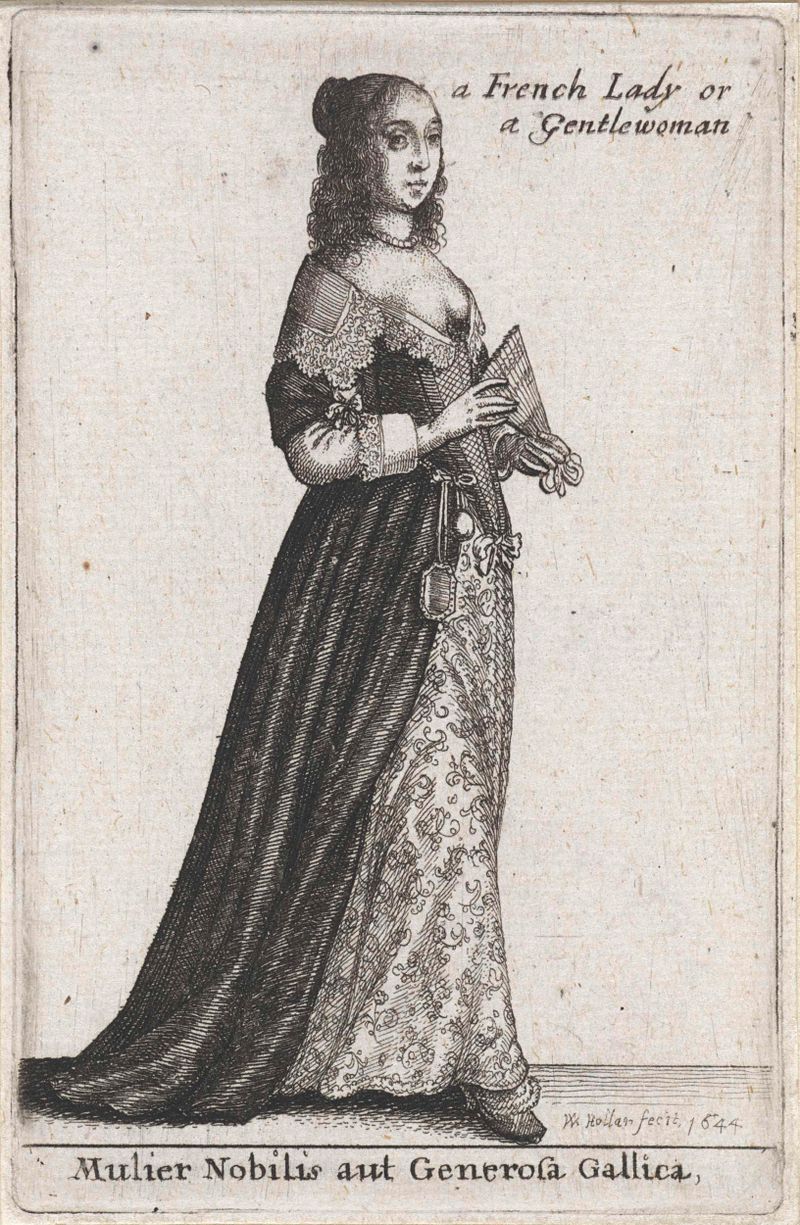
Mulier Nobilis aut Generosa Gallica / a French Lady or Gentlewoman
Wenceslaus Hollar
Titelprent voor: Ornatus Muliebris Anglicanus
Wenceslaus Hollar
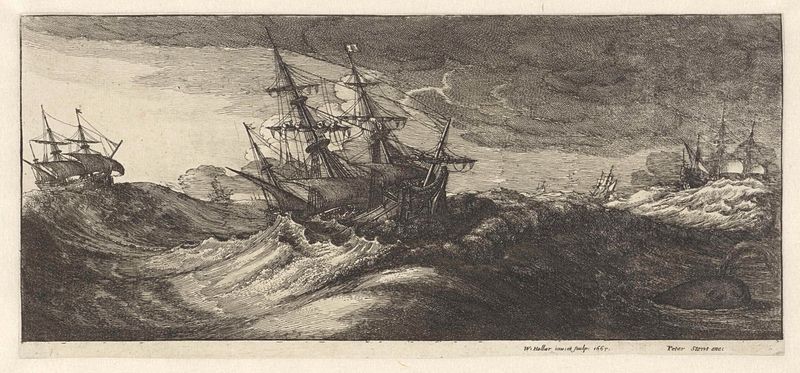
Oorlogsschepen en een walvis in een zeestorm
Wenceslaus Hollar
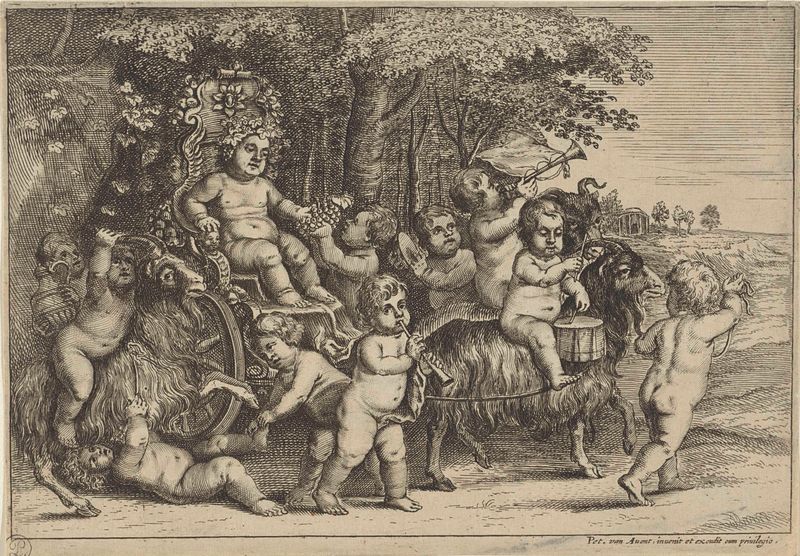
Optocht van bacchant en jongetjes op geiten
Wenceslaus Hollar
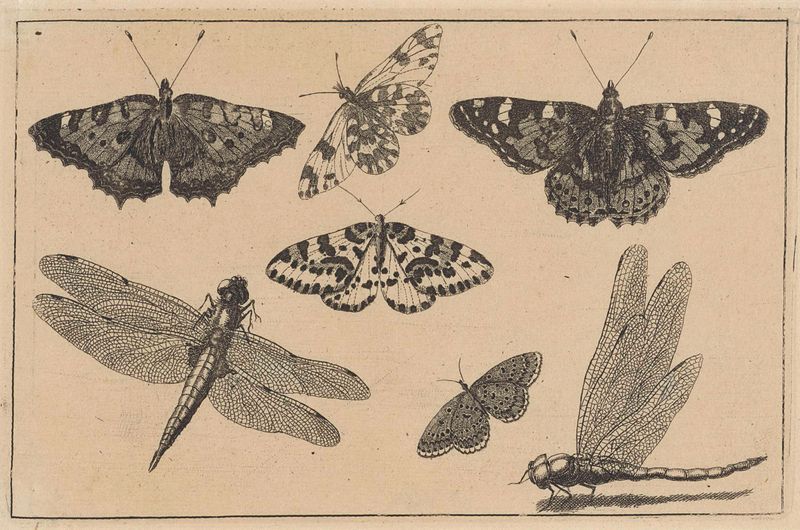
Twee libellen en vijf vlinders
Wenceslaus Hollar
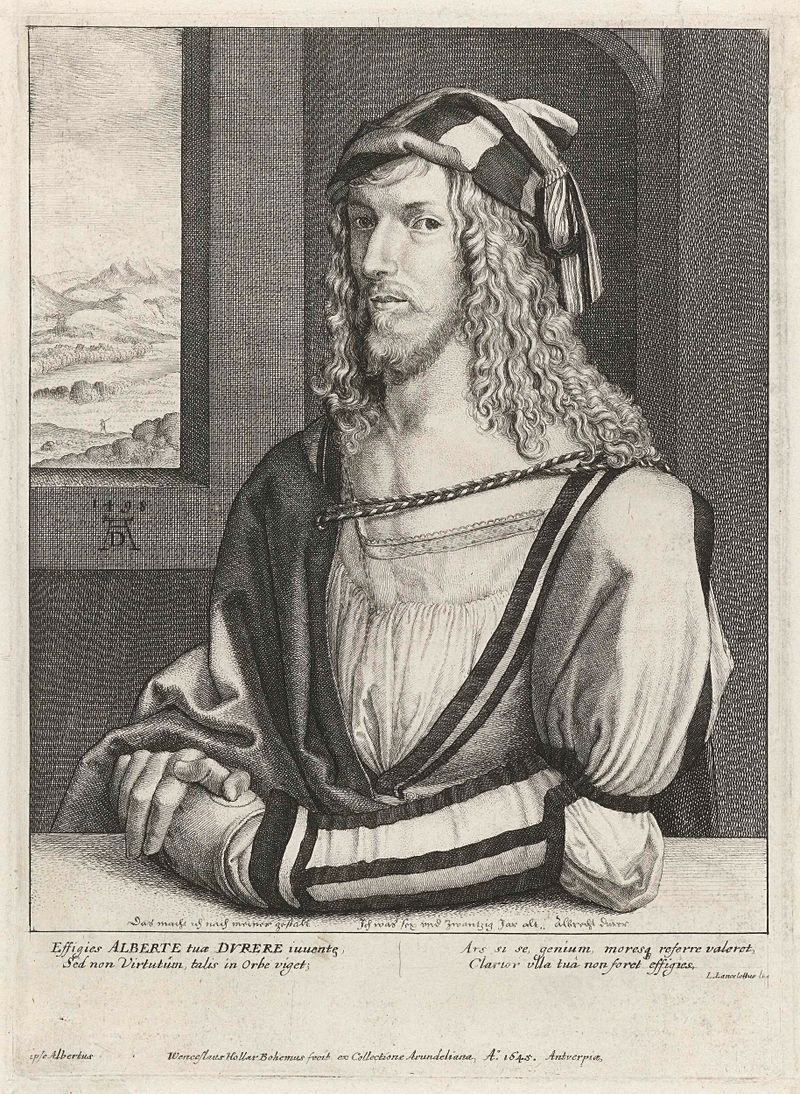
Portret van Albrecht Dürer
Wenceslaus Hollar
Ornamenteel ontwerp voor een dolk
Wenceslaus Hollar
Gezicht op Praag vanaf de Moldau
Wenceslaus Hollar





