
Gezicht op rots met gat op kleine eiland Cumina bij Gozo — History & Facts
Who listens when art speaks of silence? In Gezicht op rots met gat op kleine eiland Cumina bij Gozo, the dreamlike landscape invites contemplation, as the viewer is enveloped in a serene world of hues and textures. Look to the left, where the jagged cliffs rise with a sense of permanence, their rich ochres and muted grays juxtaposed against the shimmering cerulean sea. Notice how the light dances delicately across the water's surface, creating a vibrant tapestry of reflections that beckon the eye to wander. The soft brushstrokes evoke the gentle caress of a breeze, while the distant horizon, painted with a gradient of soft blues and pale golds, enhances the feeling of infinite space and tranquility. Delve deeper and observe the circular opening in the rock formation, a portal that connects the viewer to the sky above.
This gap symbolizes transitions and the passage of time, suggesting that nature is both a sanctuary and a reminder of life's transience. The contrast between the solid, unyielding rock and the fluidity of the water captures a tension between stability and ephemerality, inviting reflections on existence and the dreams shaped by our surroundings. In 1778, Ducros painted this work amidst the burgeoning Romantic movement, a time when artists began to explore emotional landscapes and the sublime. Living in Rome, he was deeply influenced by the natural beauty of the Italian coastline and the Mediterranean's enchanting allure.
This painting reflects a moment of introspection, both personal and universal, as the artist captured nature's profound ability to evoke dreams and silent contemplations.
More Artworks by Abraham-Louis-Rodolphe Ducros
Browse all →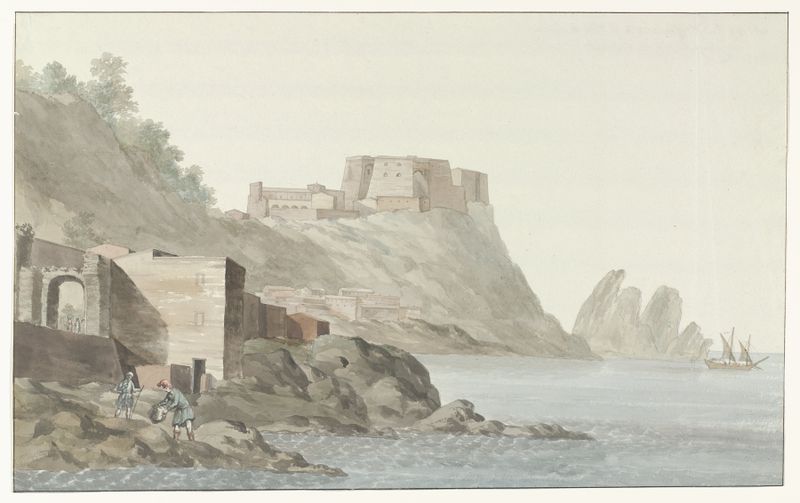
Rots en stad Scilla in de regio Calabrië aan de oostkust
Abraham-Louis-Rodolphe Ducros
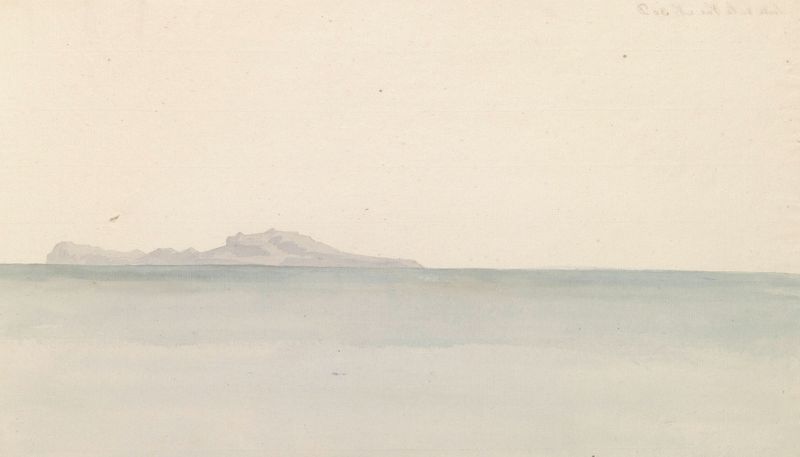
Gezicht op Golf van Napels vanaf kade bij kerk Santa Maria del Carmine
Abraham-Louis-Rodolphe Ducros
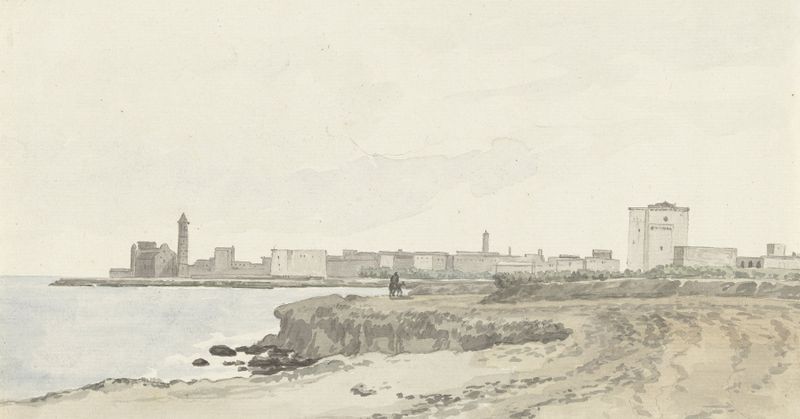
Gezicht op Trani gelegen aan de kust
Abraham-Louis-Rodolphe Ducros
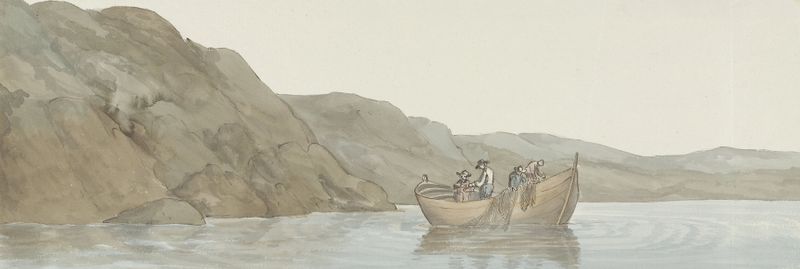
Gezicht op Kaap Paceco in Calabrië nabij de stad Scilla
Abraham-Louis-Rodolphe Ducros
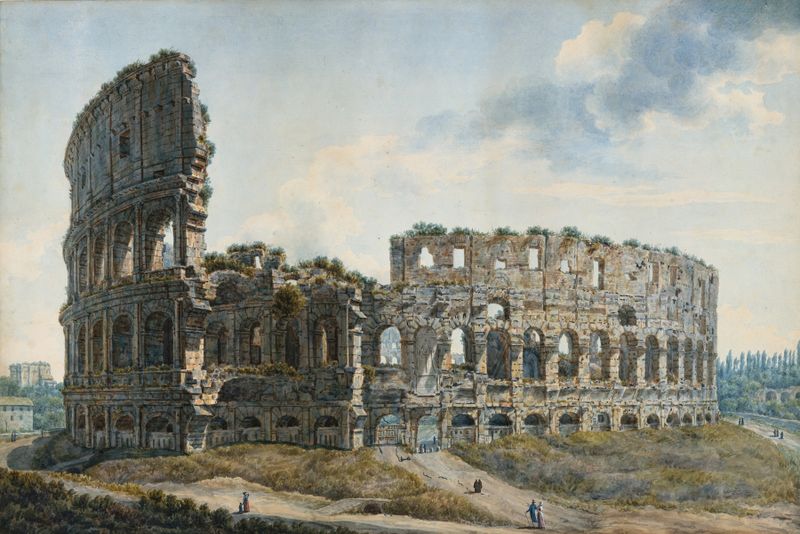
The Colosseum, Rome.
Abraham-Louis-Rodolphe Ducros
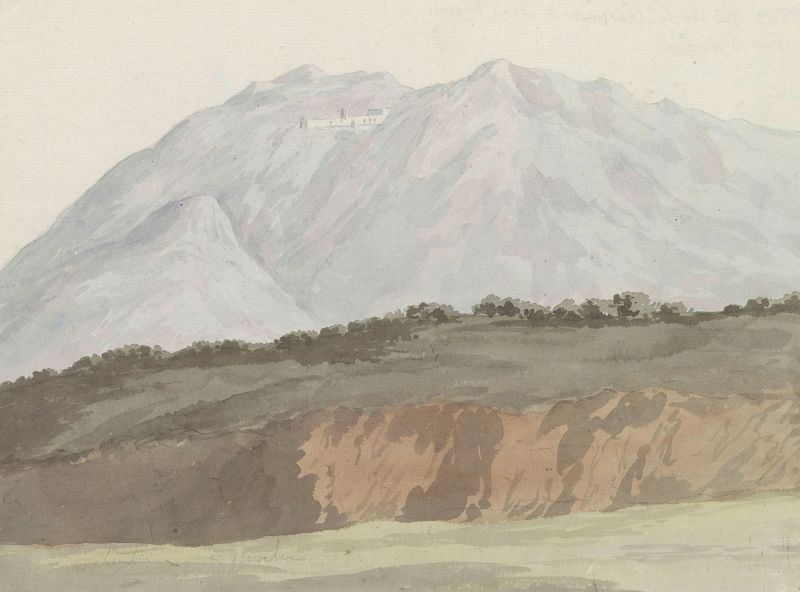
Gezicht op kartuizerklooster van Monte Vergine hoog gelegen boven Avellino
Abraham-Louis-Rodolphe Ducros
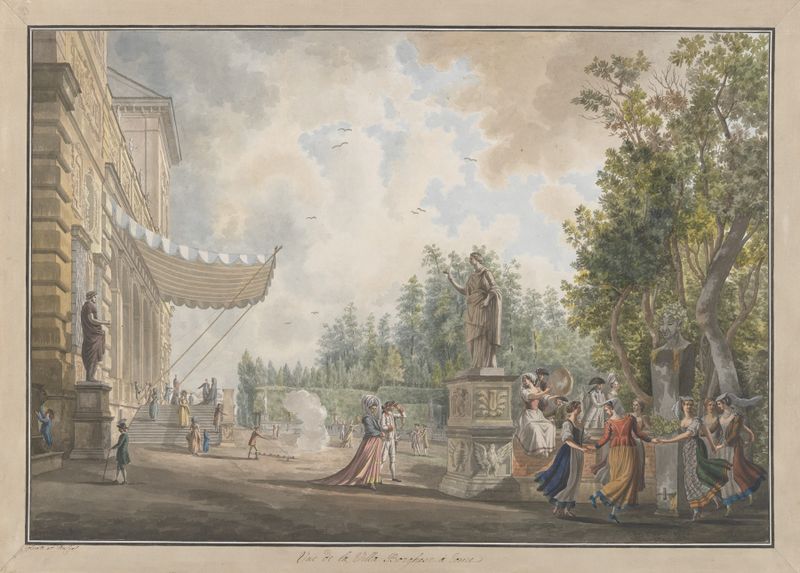
Villa Borghese
Abraham-Louis-Rodolphe Ducros
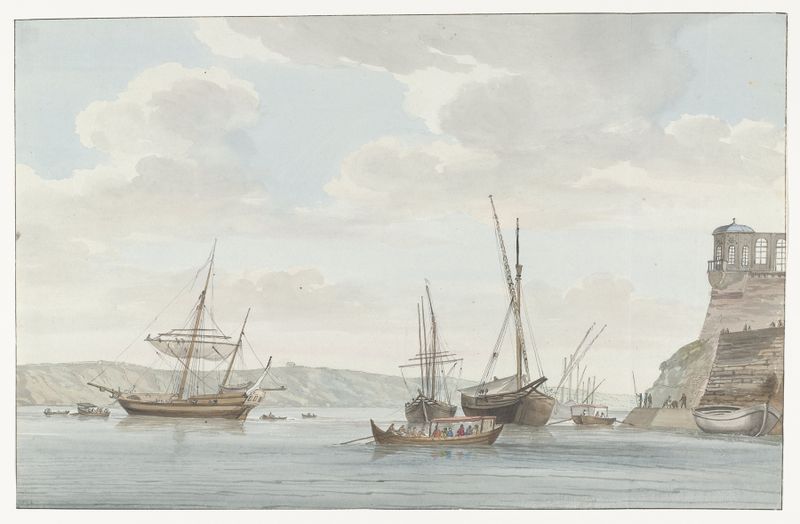
Tuinhuis van de Jardin du Grand Maître uittorend boven de haven met galei schepen op Malta
Abraham-Louis-Rodolphe Ducros
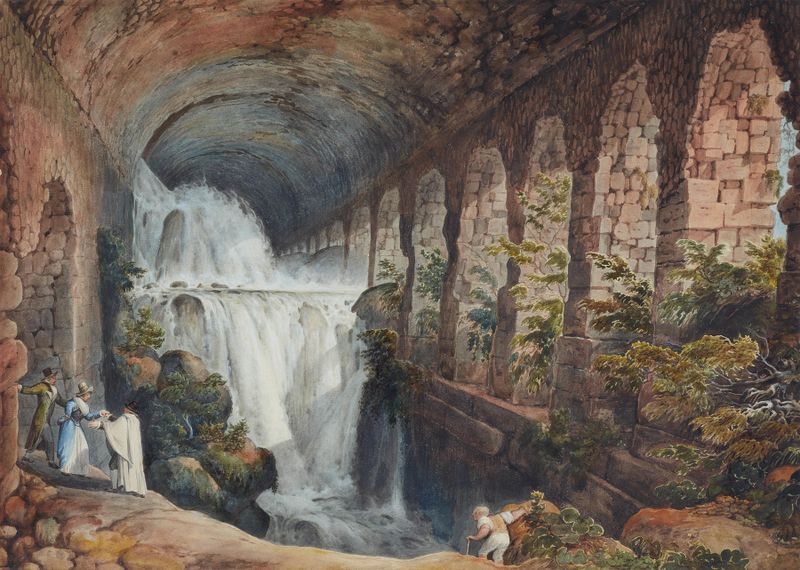
Aquädukt unter der Villa des Maecenas in Tivoli
Abraham-Louis-Rodolphe Ducros
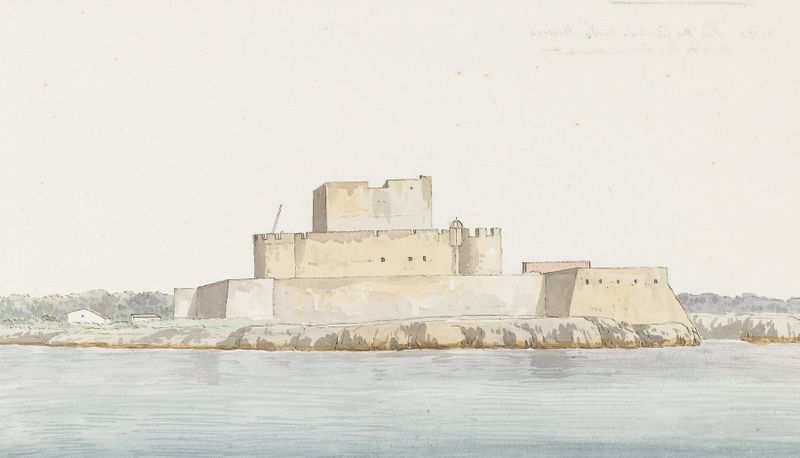
Gezicht op kasteel van San Mauro la Bruca vanaf zee bij aankomst
Abraham-Louis-Rodolphe Ducros





