
Gezicht op ruïnes bij Dover — History & Facts
What does it mean to witness ruins that whisper of transformation, echoing the past while grappling with the present? Focus on the intricate details of the foreground, where crumbling stones and weathered walls jut into view, framed by a delicate haze that softens their edges. In the middle ground, the remnants of a once-grand structure rise against the horizon, silhouetted by a sky washed in muted shades of gray and soft blue. Notice how light gently caresses the craggy surfaces, revealing subtle textures that evoke a sense of history, while the pale palette conveys a poignant stillness. Yet amidst this decay lies a profound tension between past glory and present desolation.
The ruins tell stories of lives once lived, ambitions erected, and dreams ultimately surrendered to time. Each crack and crevice speaks to transformation itself—nature reclaiming what humanity has built, a reminder of fragility in the face of relentless change. The occasional shadow cast by the remnants suggests that even in stillness, there is movement, a constant push and pull between what was and what remains. Wenceslaus Hollar painted this work in 1642 while residing in England, grappling with the political turmoil surrounding the English Civil War.
At this time, he found himself navigating a complex art world, wrestling with his identity as a Bohemian engraver in a foreign land. His fascination with landscape and ruins reflects not just a personal journey, but an era marked by upheaval and transformation, capturing the essence of a world in flux.
More Artworks by Wenceslaus Hollar
Browse all →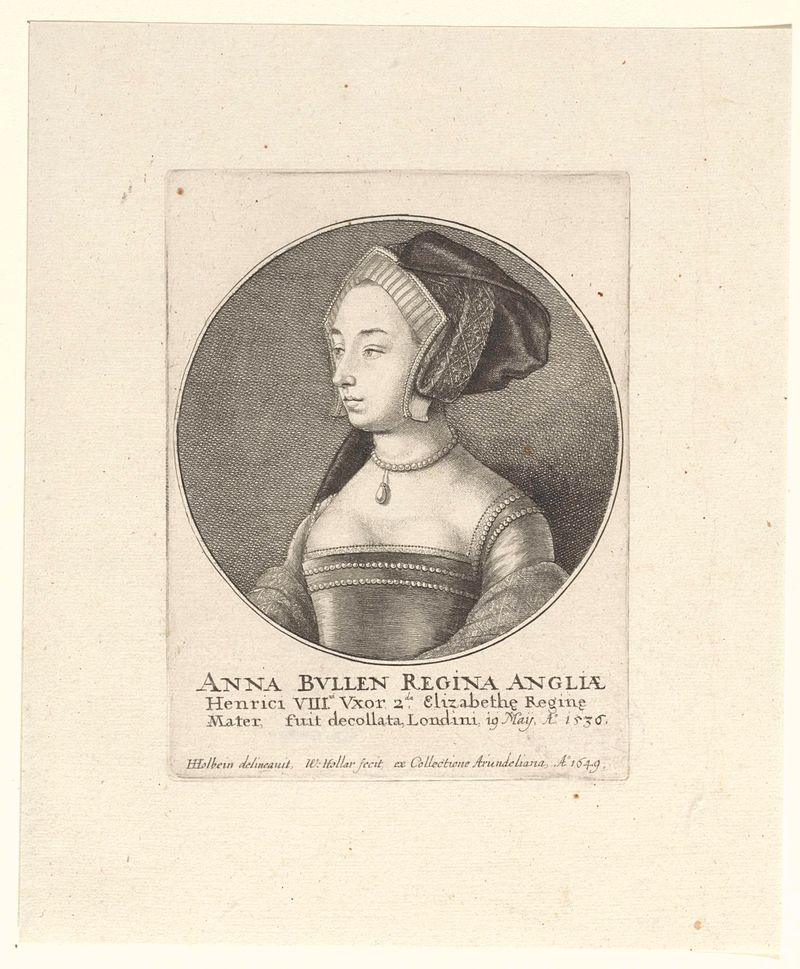
Portret van Anna Boleyn, koningin van Engeland
Wenceslaus Hollar
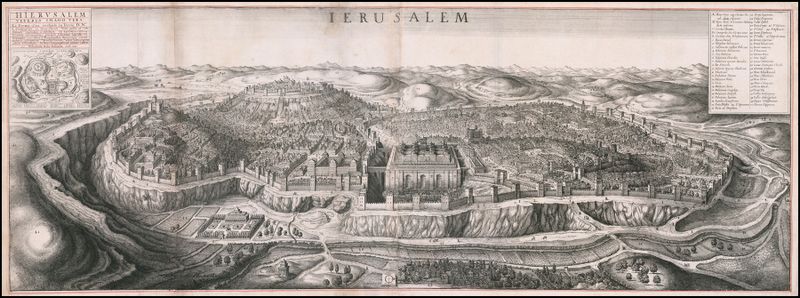
Bird’s eye view of Jerusalem
Wenceslaus Hollar
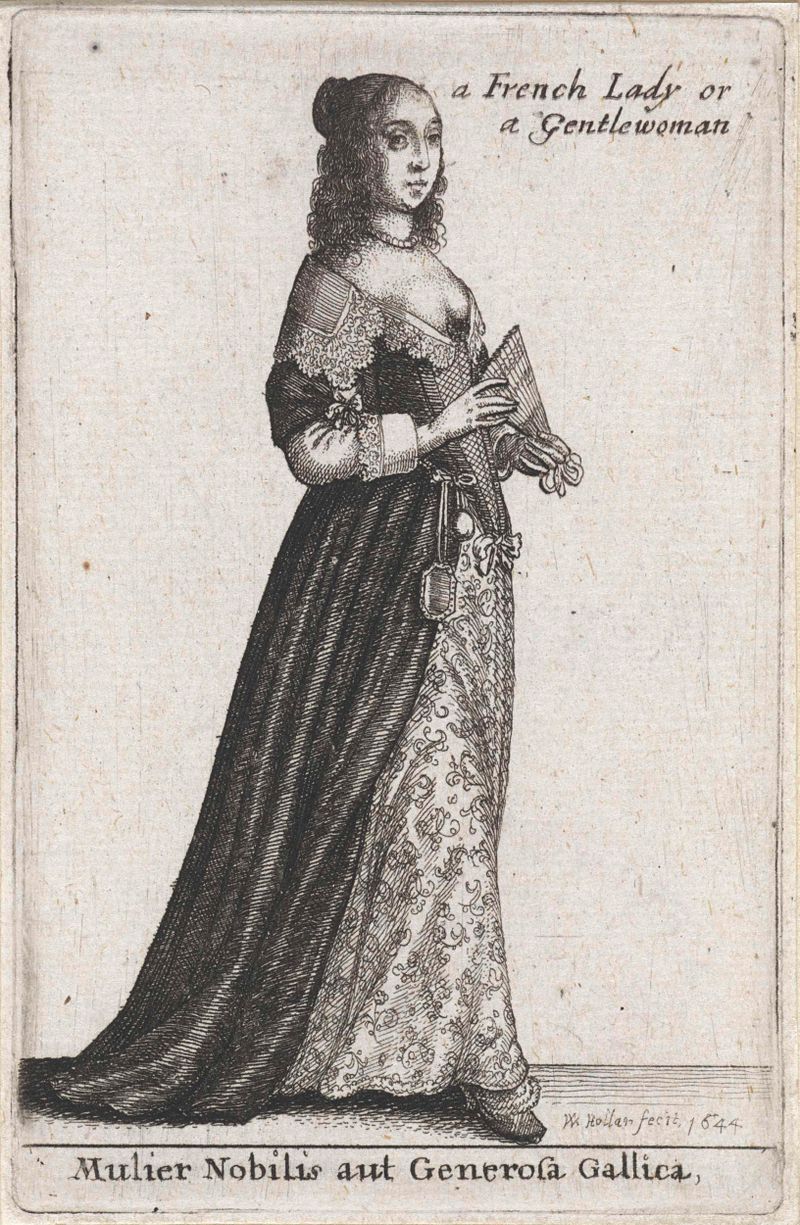
Mulier Nobilis aut Generosa Gallica / a French Lady or Gentlewoman
Wenceslaus Hollar
Titelprent voor: Ornatus Muliebris Anglicanus
Wenceslaus Hollar
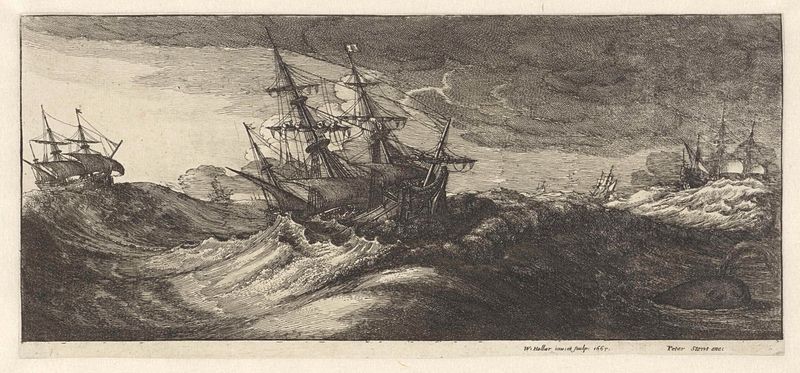
Oorlogsschepen en een walvis in een zeestorm
Wenceslaus Hollar
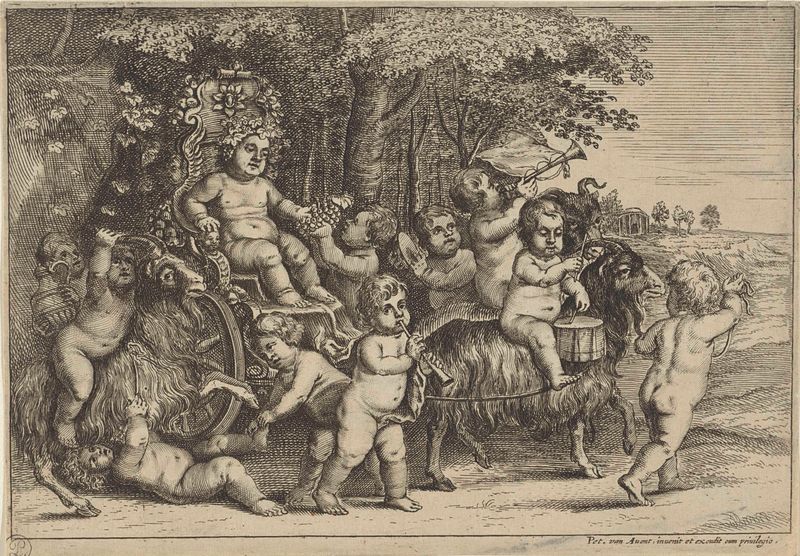
Optocht van bacchant en jongetjes op geiten
Wenceslaus Hollar
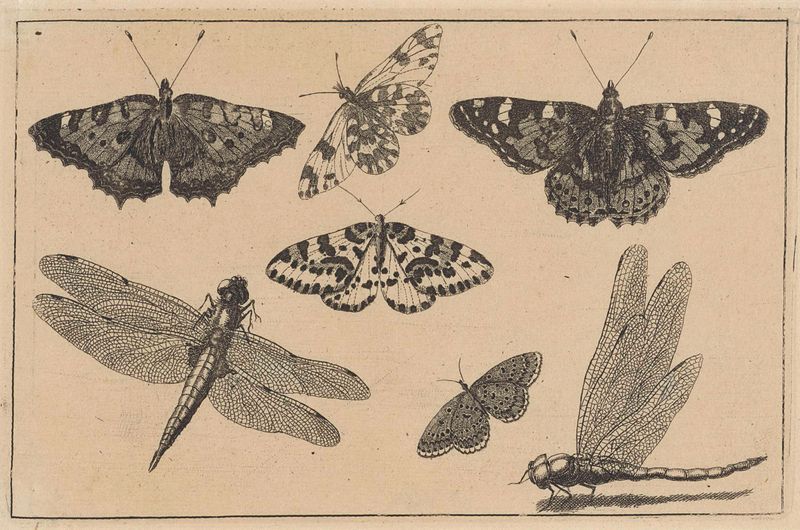
Twee libellen en vijf vlinders
Wenceslaus Hollar
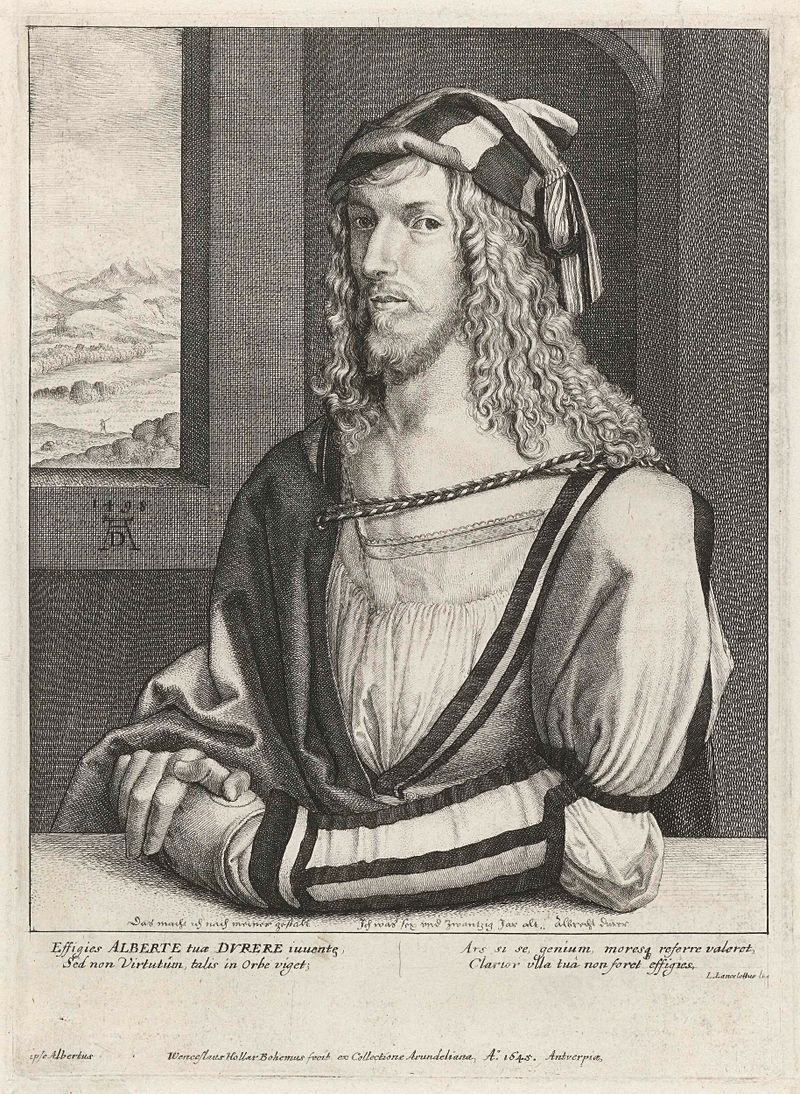
Portret van Albrecht Dürer
Wenceslaus Hollar
Ornamenteel ontwerp voor een dolk
Wenceslaus Hollar
Gezicht op Praag vanaf de Moldau
Wenceslaus Hollar





