
Gezicht op Spaarnwoude — History & Facts
In the delicate strokes of Esaias van de Velde, decay transforms into a poignant elegance, where nature's impermanence is captured through the lens of art. Look to the foreground, where a tranquil river winds its way through the composition, reflecting the muted tones of a fading day. Notice how the soft greens and browns intertwine with hints of pale blue, inviting the eye to meander along the water's edge. The gentle brushwork evokes a sense of serenity, while the inclusion of distant figures adds a layer of life to the peaceful landscape, blending human activity with the natural world. Delve deeper into the shadows cast by the trees, where a subtle tension between growth and decay unfolds.
The crumbling remnants of an old structure hint at time's relentless passage, suggesting a narrative of human endeavor now succumbing to nature's reclaiming grasp. This contrast of vitality against the backdrop of deterioration speaks volumes about the cycle of life, urging the viewer to reflect on the transient beauty that surrounds us. Between 1610 and 1615, while creating this work, van de Velde was part of a vibrant Dutch art scene that celebrated landscape painting. Emerging from the influences of earlier masters, he sought to depict the tranquil beauty of his homeland during a time when the country was establishing itself as a cultural powerhouse in Europe.
His focus on intimate, natural scenes mirrored the growing appreciation for the Dutch landscape, capturing fleeting moments that resonate through the ages.
More Artworks by Esaias van de Velde
Browse all →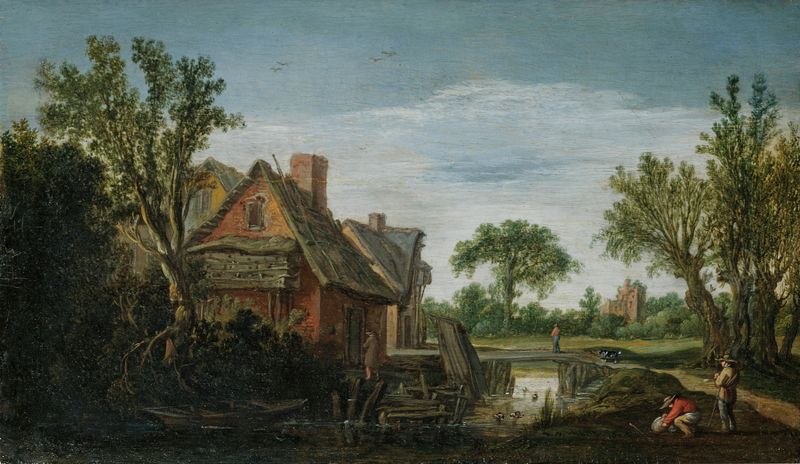
The Hague A Wooded River Landscape With Figures On A Path On A River Bank Beside A Village, A Bridge Beyond
Esaias van de Velde
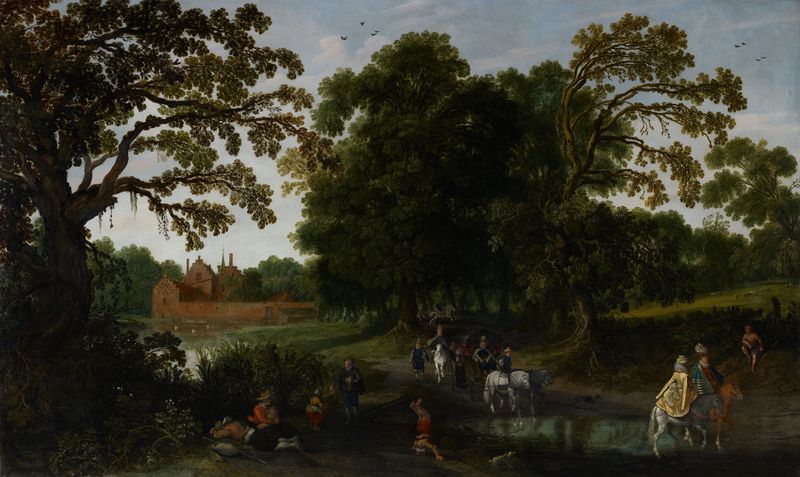
Courtly Procession before Abstpoel Castle
Esaias van de Velde
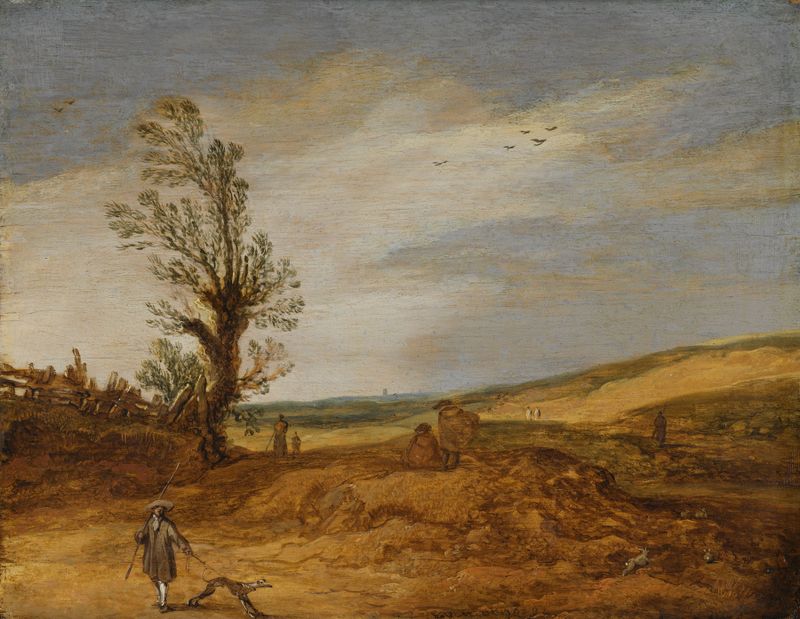
A View in the Dunes
Esaias van de Velde
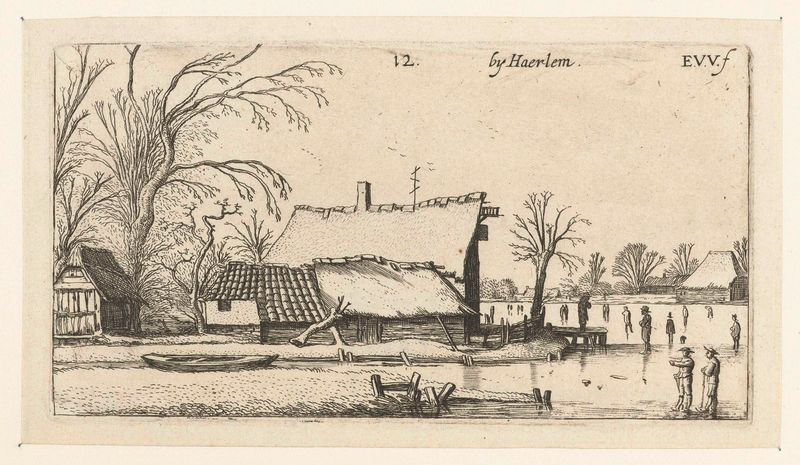
Boerderij bij een bevroren rivier met schaatsers
Esaias van de Velde
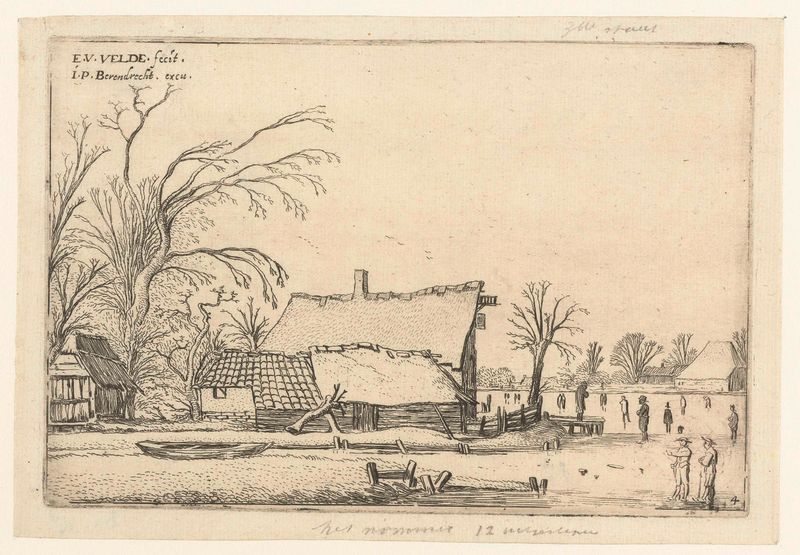
Boerderij bij een bevroren rivier met schaatsers
Esaias van de Velde
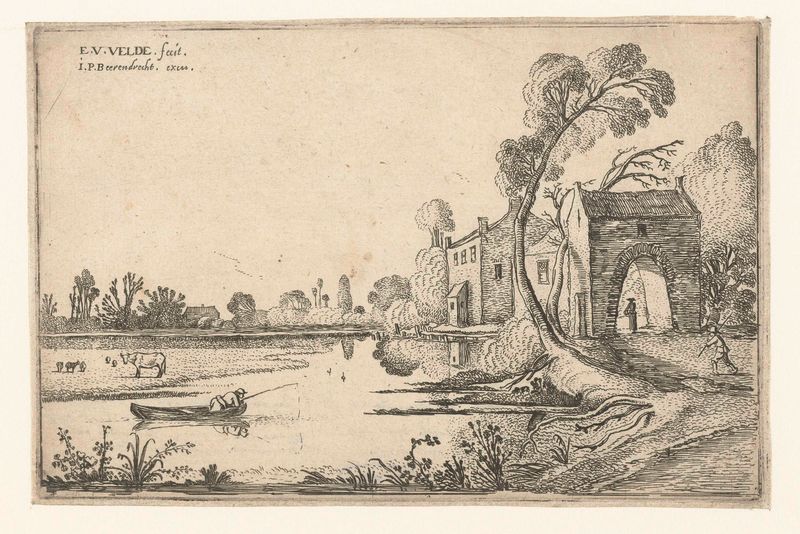
Landschap met rivier en poortgebouw
Esaias van de Velde
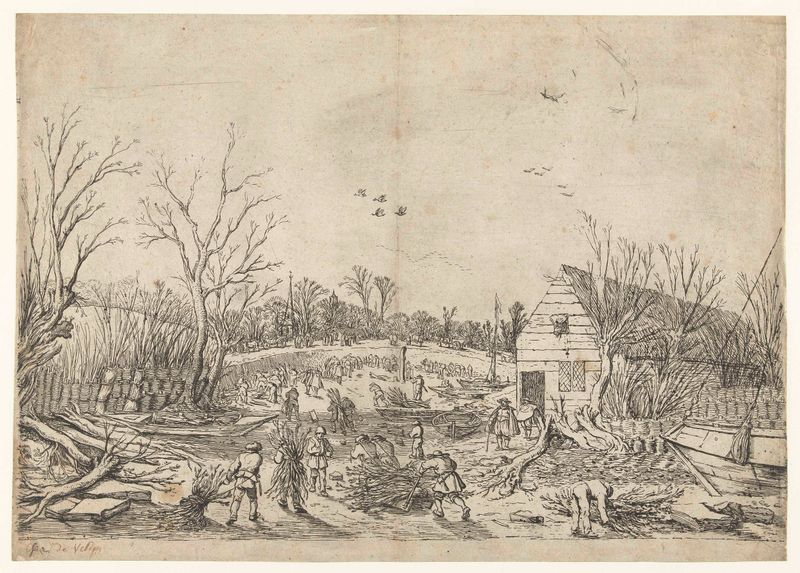
Herstelwerkzaamheden aan de doorgebroken Lekdijk bij 't Waal
Esaias van de Velde
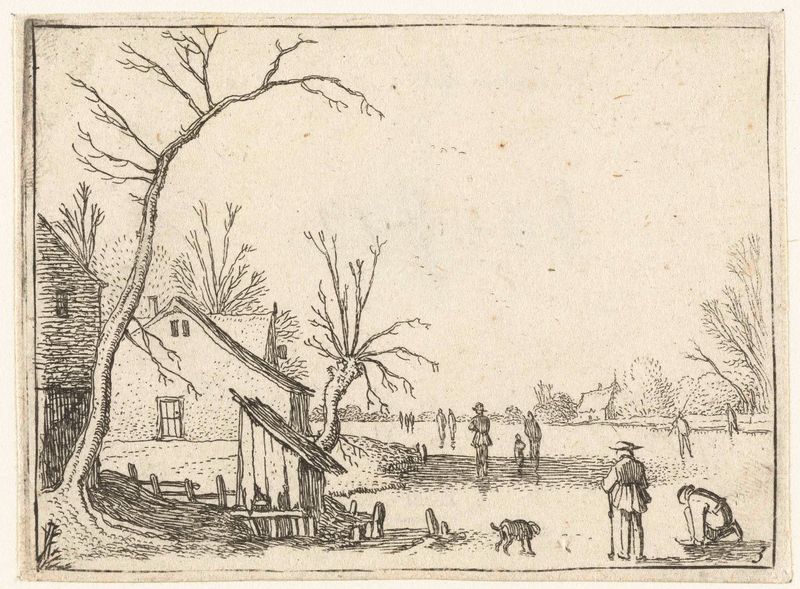
Boerderij bij bevroren rivier en schaatsers op het ijs
Esaias van de Velde
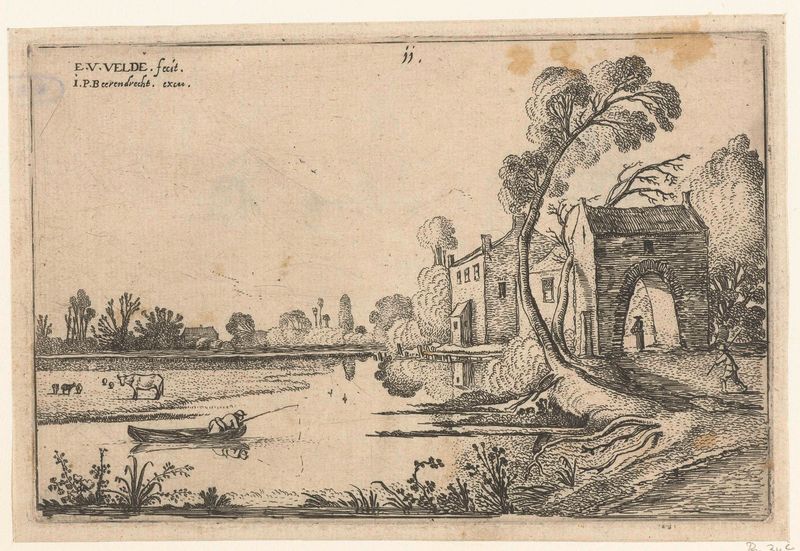
Landschap met een rivier en poortgebouw
Esaias van de Velde
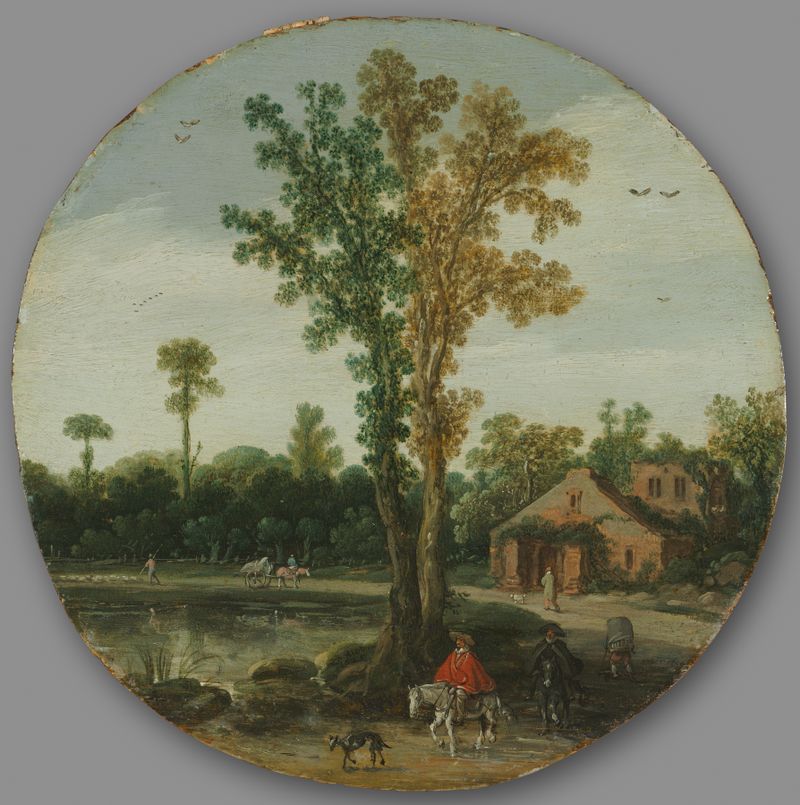
Travelers by a Lake
Esaias van de Velde





