
Gezicht op Speyer — History & Facts
In the gentle crumbling of stone and the whisper of time, we find ourselves confronting the inevitable decay that both haunts and beautifies our existence. Focus on the intricate details that define the landscape before you. Begin at the center, where the steadfast cathedral rises, its spires reaching valiantly toward the heavens. The careful lines etched by the artist breathe life into the scene, while the muted palette of ochres and grays gives a sense of history and wear.
Notice how the light delicately dances across the weathered surfaces; it highlights both the grandeur and fragility of this architectural marvel amidst the encroaching shadows of nature and time. As you delve deeper, consider the contrast between the solid structure of the cathedral and the surrounding environment, where decay mingles with beauty. The distant hills, their outlines softened by time, echo a sense of longing and nostalgia. The sparse presence of figures—perhaps townsfolk going about their lives—serves as a reminder of the transient nature of humanity in contrast to the enduring stone.
Within this landscape, the interplay of light and shadow evokes a poignant meditation on mortality and the passage of time. In 1635, Wenceslaus Hollar was in Antwerp, where he was navigating the complexities of a rapidly changing artistic landscape influenced by the Baroque style. The echoes of the Thirty Years' War loomed large, shaping his world. During this period, he sought to capture not just the physicality of his surroundings but also the emotional weight of existence, an endeavor that resonates powerfully in this evocative work.
More Artworks by Wenceslaus Hollar
Browse all →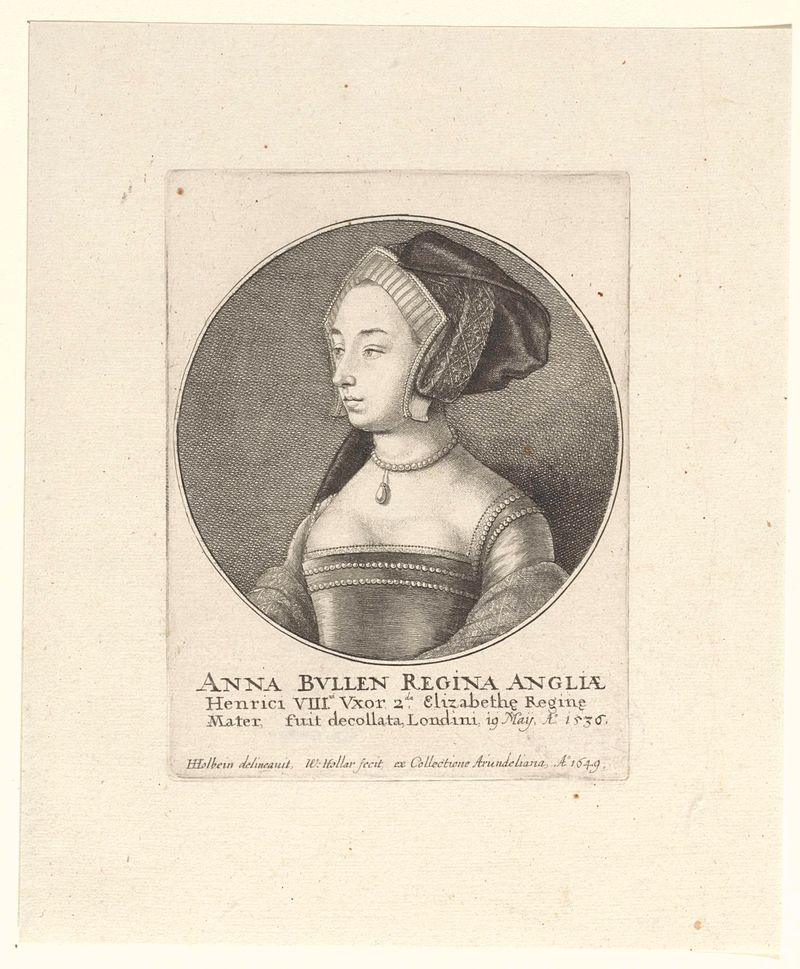
Portret van Anna Boleyn, koningin van Engeland
Wenceslaus Hollar
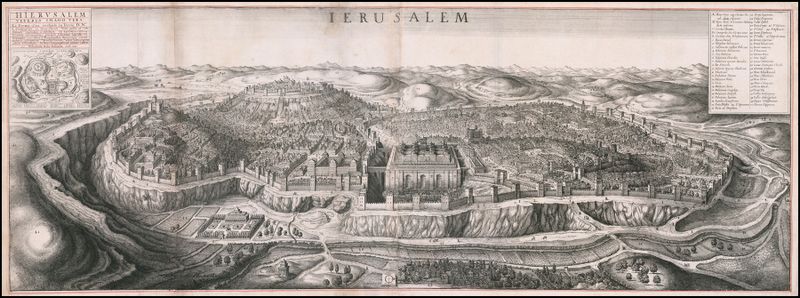
Bird’s eye view of Jerusalem
Wenceslaus Hollar
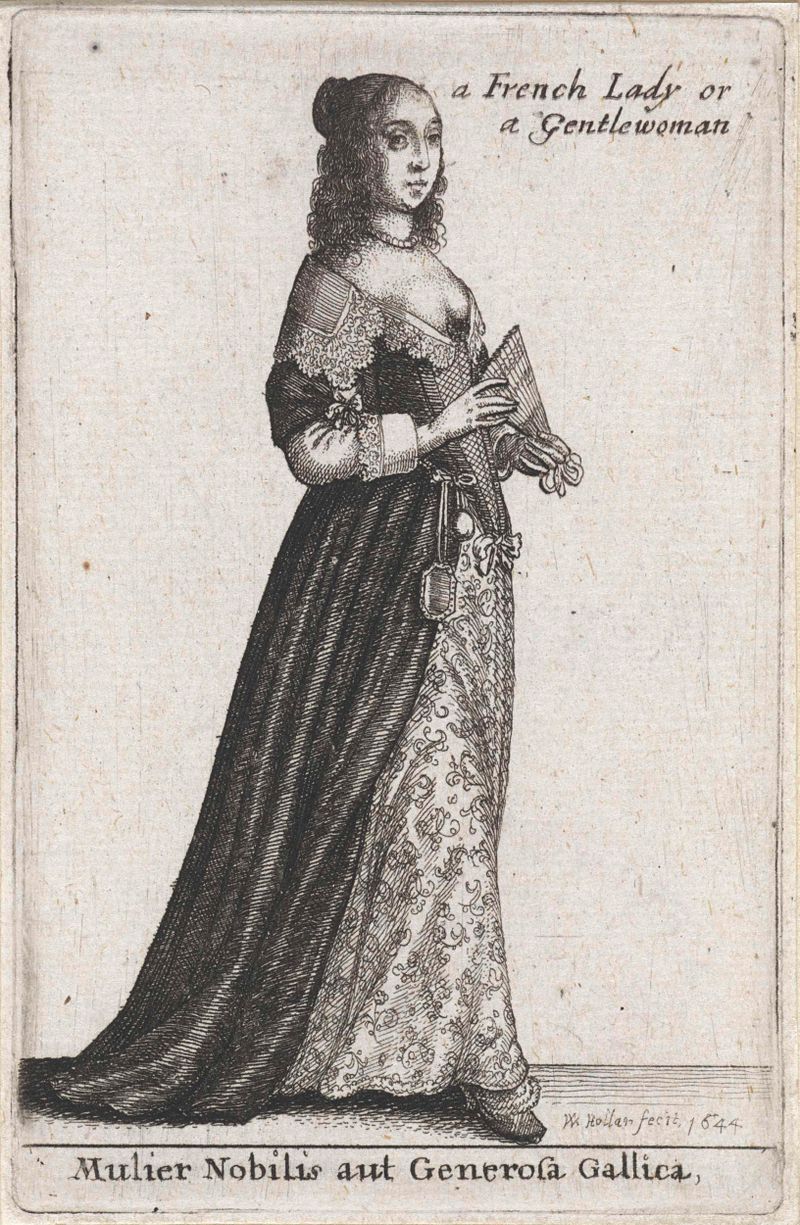
Mulier Nobilis aut Generosa Gallica / a French Lady or Gentlewoman
Wenceslaus Hollar
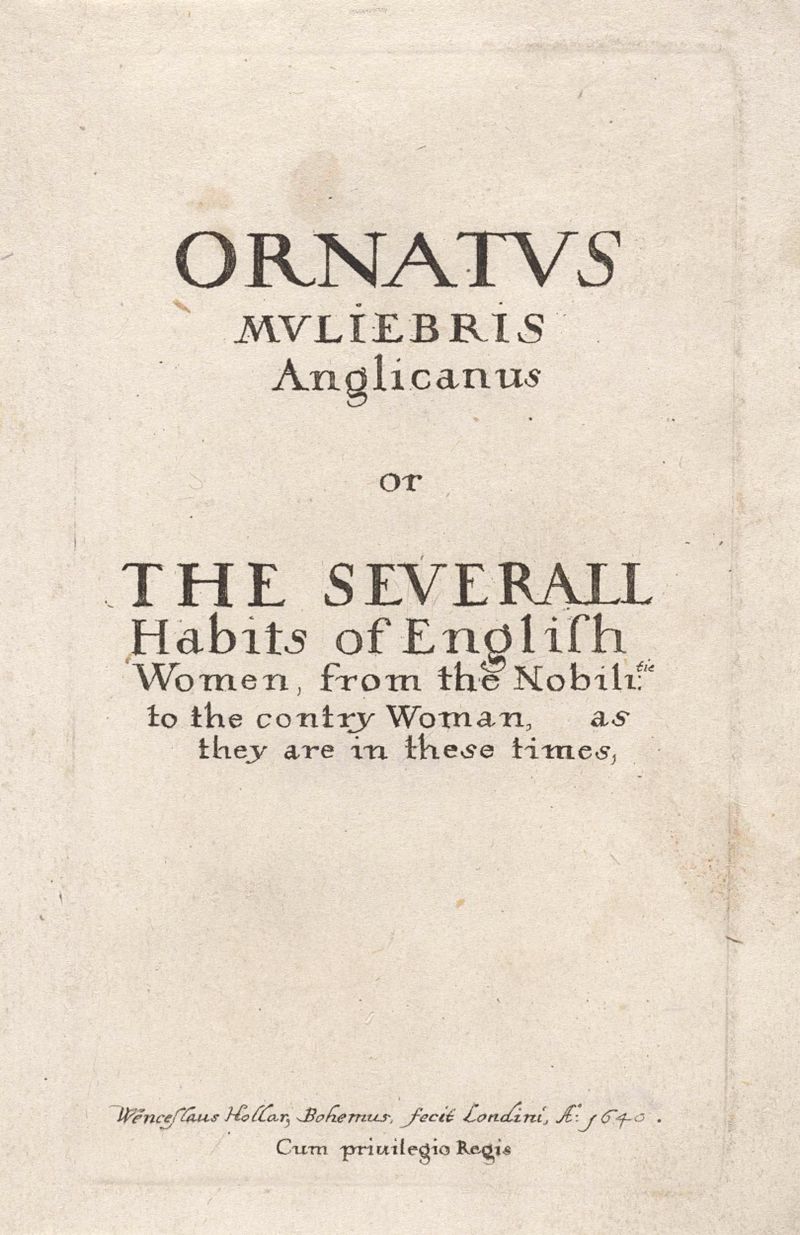
Titelprent voor: Ornatus Muliebris Anglicanus
Wenceslaus Hollar
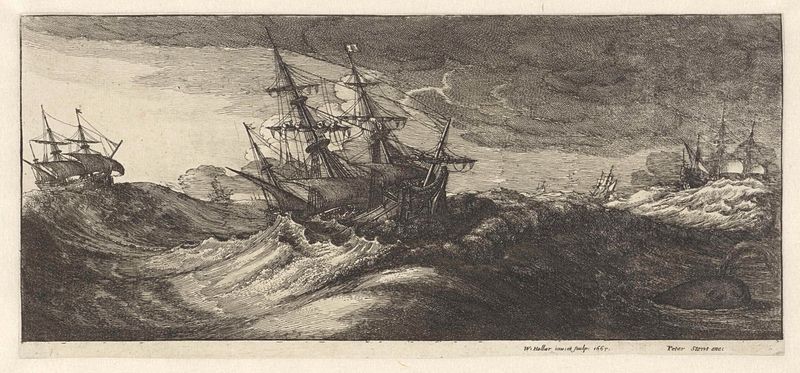
Oorlogsschepen en een walvis in een zeestorm
Wenceslaus Hollar
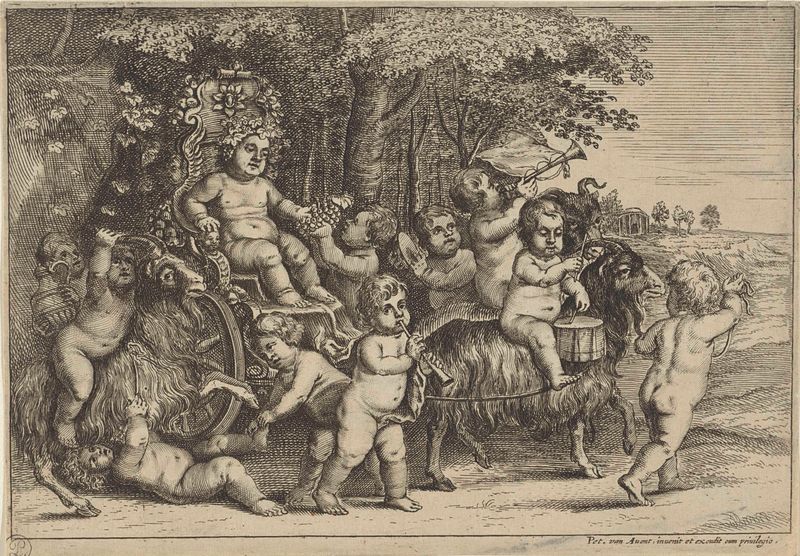
Optocht van bacchant en jongetjes op geiten
Wenceslaus Hollar
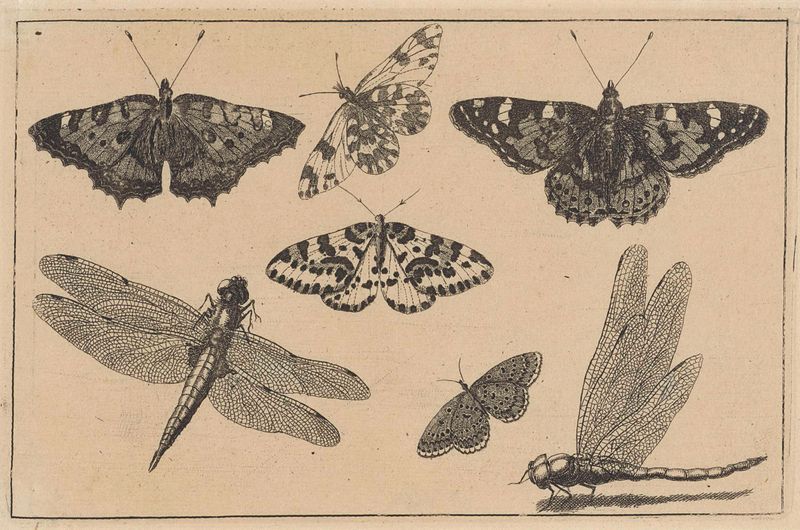
Twee libellen en vijf vlinders
Wenceslaus Hollar
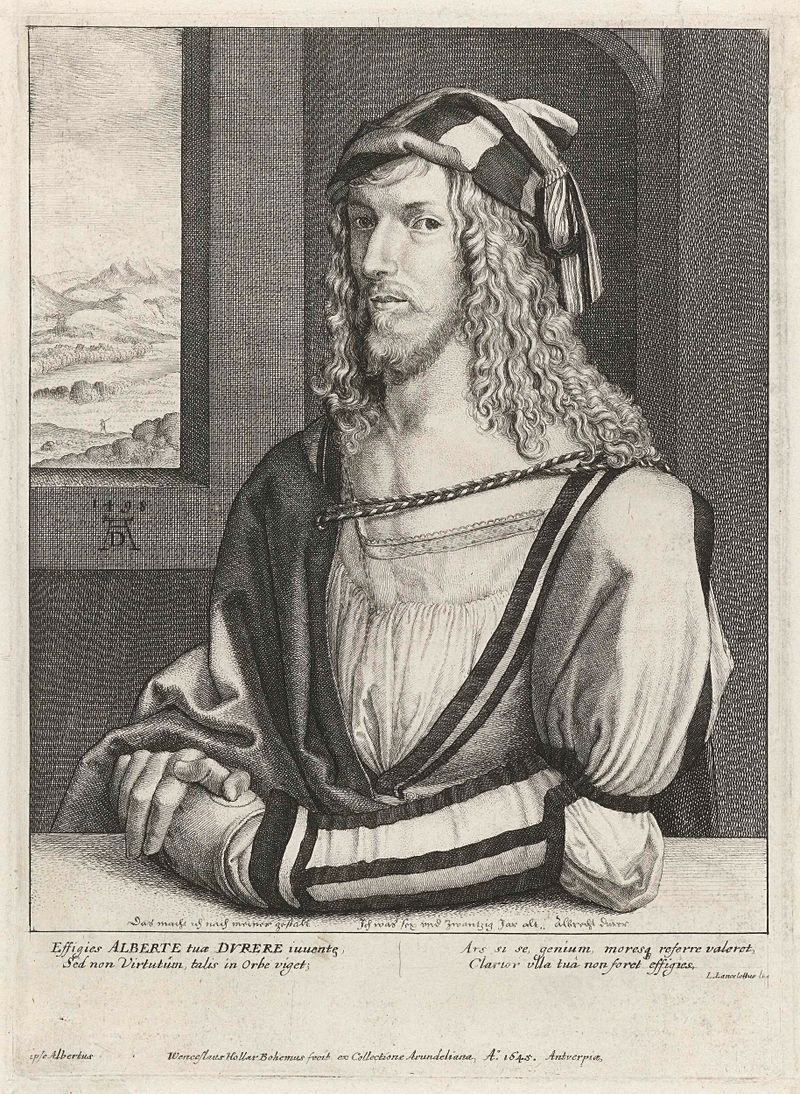
Portret van Albrecht Dürer
Wenceslaus Hollar
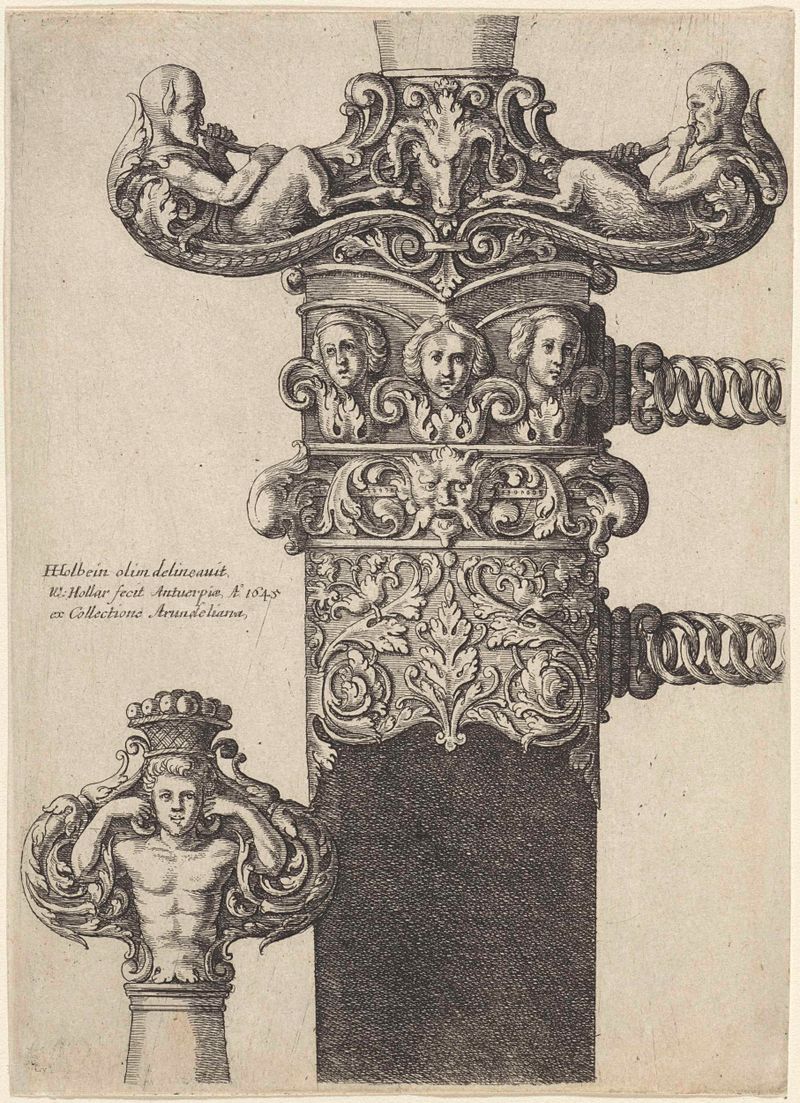
Ornamenteel ontwerp voor een dolk
Wenceslaus Hollar
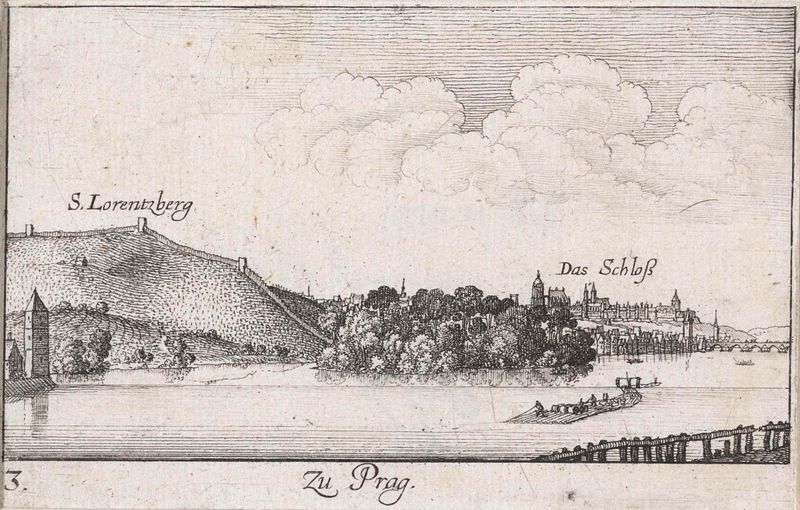
Gezicht op Praag vanaf de Moldau
Wenceslaus Hollar
More Architecture Art
Browse all →
The statue of Liberty
Frédéric Auguste Bartholdi

View of Houses in Delft, Known as ‘The Little Street’
Johannes Vermeer

View of Houses in Delft, Known as ‘The Little Street’
Johannes Vermeer

The Cathedral in Rouen. The portal, Grey Weather
Claude Monet

The yellow house
Vincent van Gogh

The Church in Auvers-sur-Oise, View from the Chevet
Vincent van Gogh