
Gezicht op St. Juliano d'Arba — History & Facts
This duality captures the essence of obsession: a relentless pursuit of the unattainable, cloaked in allure. Look to the left at the delicate sweep of the river, where water glimmers like liquid silver under a soft, almost ethereal light. The ancient architecture, meticulously detailed, stands proud against a vibrant sky, inviting viewers to navigate the scene. Notice how the earthy tones of the landscape contrast with the vivid blue above, creating a harmony that belies the underlying tension.
Each brushstroke and etching in this work reveals a profound commitment to capturing not just a place, but a heartbeat of its essence. As your gaze wanders through the composition, consider the figures at the foreground: their poised stances hint at a deeper narrative, perhaps a longing or an unfulfilled desire. The juxtaposition of serene nature and human endeavor evokes an emotional complexity, urging the viewer to reflect on the relationship between beauty and obsession. In this tranquil setting, we sense a whisper of the relentless grip that landscapes can have on the human soul, a reminder of what lies beneath the surface. Wenceslaus Hollar created this piece in 1665 during his stay in England, a period marked by both personal and artistic turbulence.
As a Czech artist who had settled in London, he was navigating a world undergoing significant transformation. The Baroque influence was pervasive, yet Hollar’s unique approach to landscapes, characterized by intricate line work and a keen sensitivity to the interplay of light, set him apart in the evolving art scene.
More Artworks by Wenceslaus Hollar
Browse all →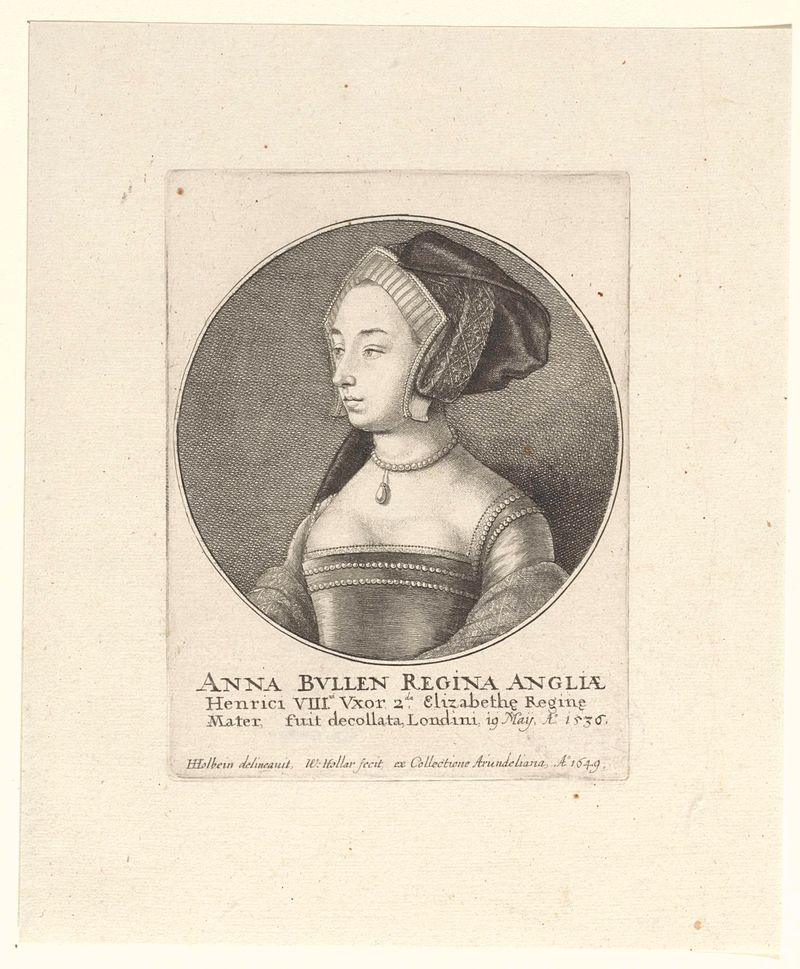
Portret van Anna Boleyn, koningin van Engeland
Wenceslaus Hollar
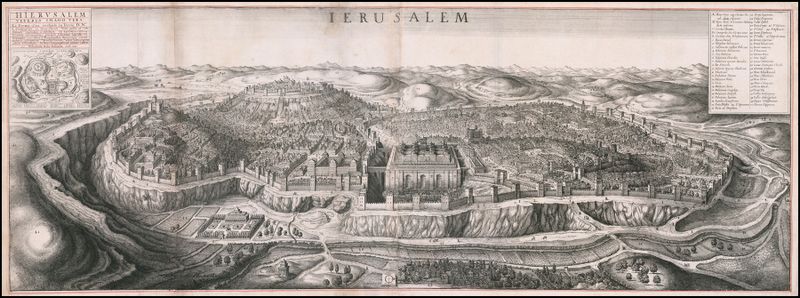
Bird’s eye view of Jerusalem
Wenceslaus Hollar
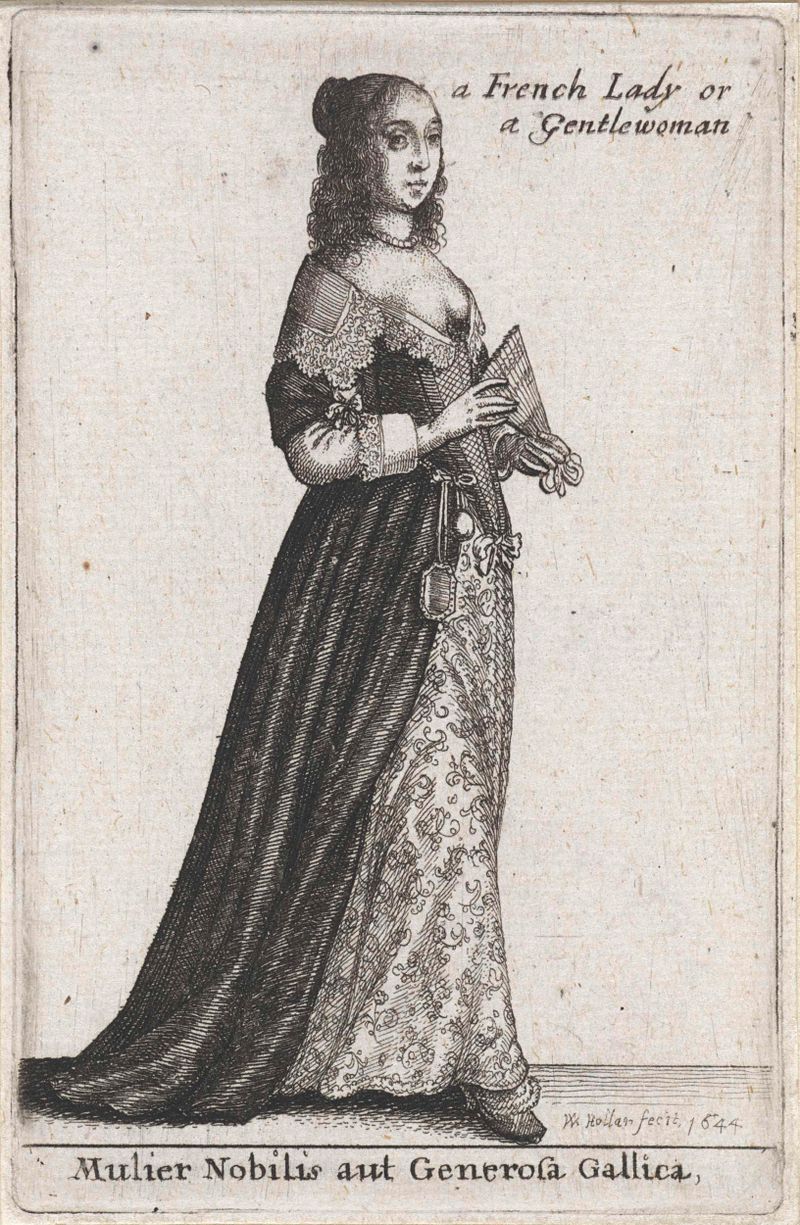
Mulier Nobilis aut Generosa Gallica / a French Lady or Gentlewoman
Wenceslaus Hollar
Titelprent voor: Ornatus Muliebris Anglicanus
Wenceslaus Hollar
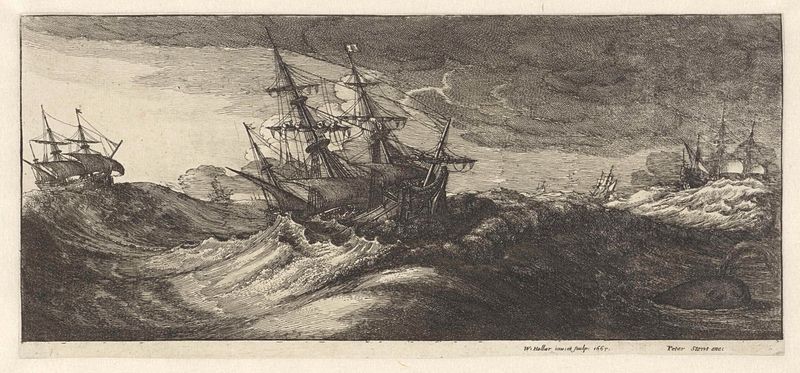
Oorlogsschepen en een walvis in een zeestorm
Wenceslaus Hollar
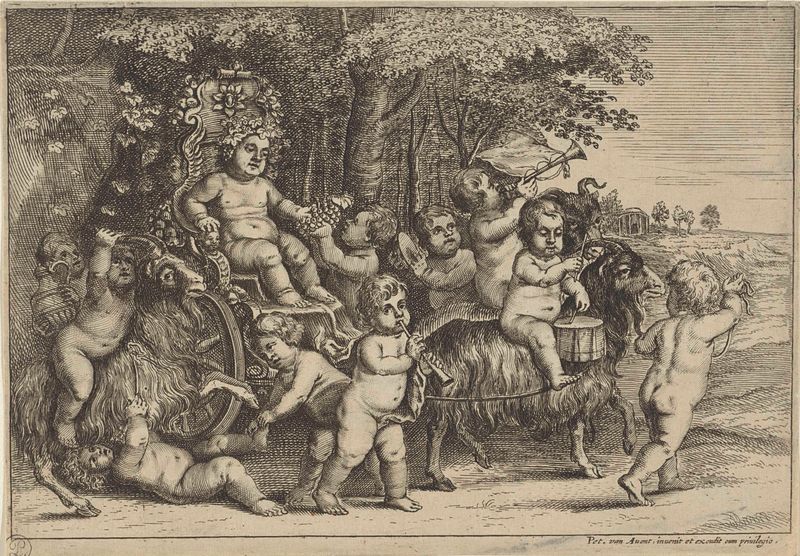
Optocht van bacchant en jongetjes op geiten
Wenceslaus Hollar
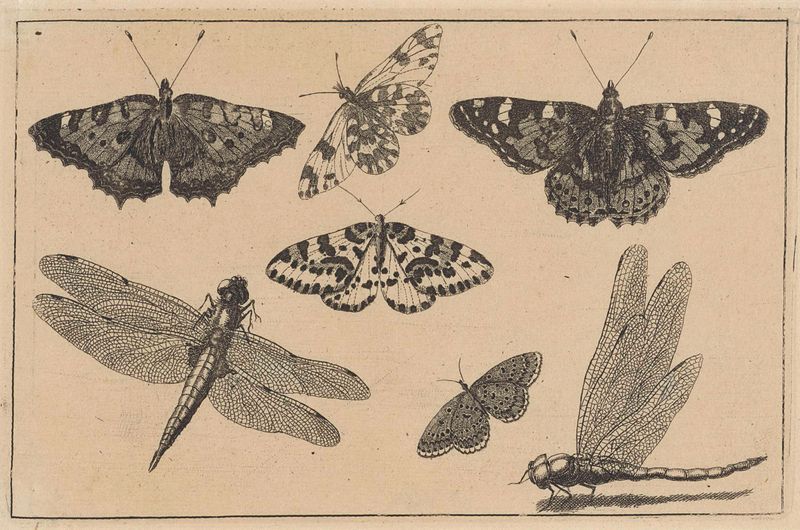
Twee libellen en vijf vlinders
Wenceslaus Hollar
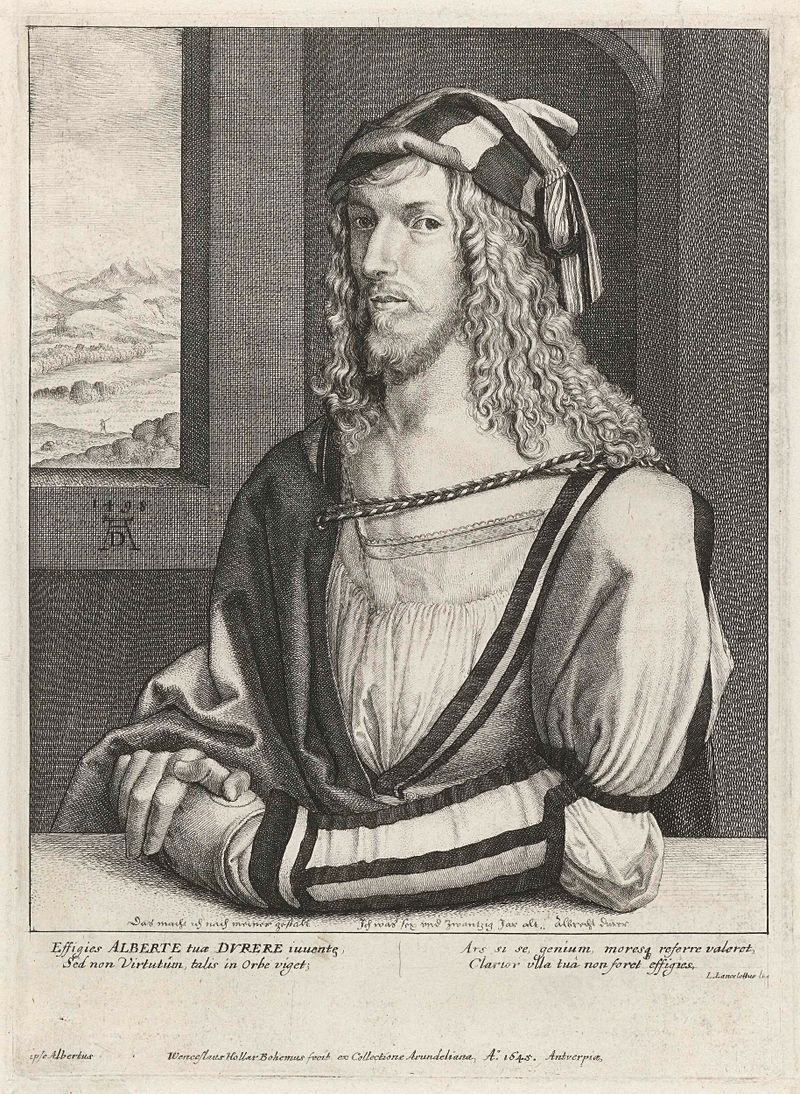
Portret van Albrecht Dürer
Wenceslaus Hollar
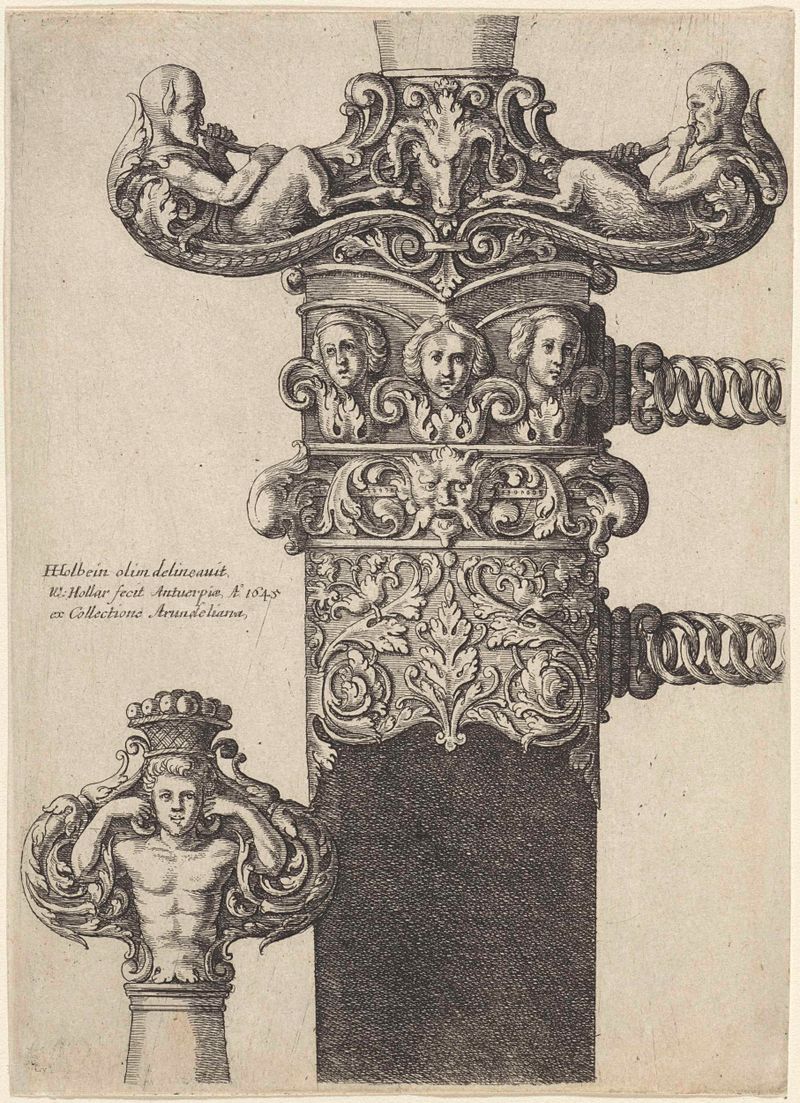
Ornamenteel ontwerp voor een dolk
Wenceslaus Hollar
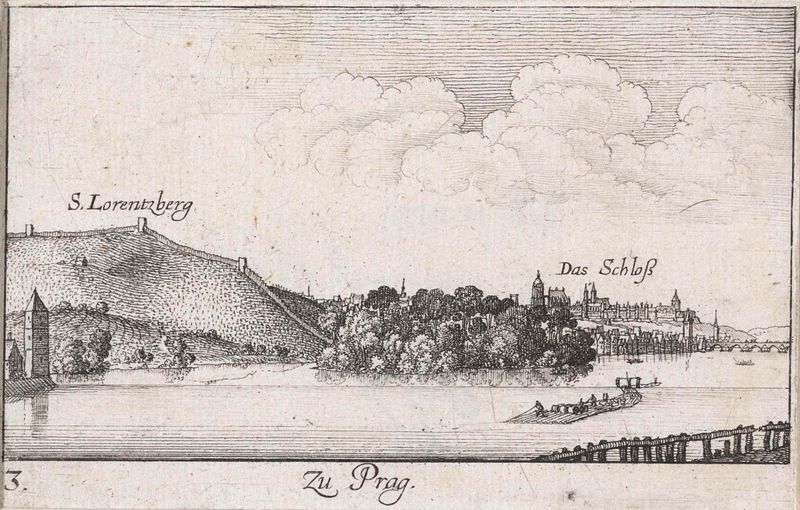
Gezicht op Praag vanaf de Moldau
Wenceslaus Hollar





