
Gezicht te Straatsburg — History & Facts
In Gezicht te Straatsburg, Wenceslaus Hollar captures the desire of the viewer to connect with a moment, a place, and a feeling, evoking a bittersweet longing for what was once familiar yet feels distant. Look to the right at the delicate linework that defines the charming architecture of Strasbourg. The intricate details of the buildings rise against the backdrop of a subtly clouded sky, creating a delicate interplay between structure and nature. Notice how soft light washes over the scene, emphasizing the curves and shadows of the rooftops, and how the gentle contours reflect Hollar's meticulous technique in etching.
The overall composition invites the eye to wander across the skyline, tracing the delicate balance between the solidity of stone and the ephemeral quality of light. Amidst this representation lies an emotional tension between permanence and transience. The buildings, symbols of human achievement and resilience, stand firmly in the landscape, yet the wispy clouds overhead remind us of the ever-changing nature of life. The very act of depicting this cityscape seems to convey a desire to immortalize the moment, even as it hints at the inevitable passage of time.
Each etching line carries a whisper of longing, as if Hollar yearns to hold onto the beauty of a fleeting experience. In 1635, Wenceslaus Hollar was living in Antwerp, having fled from Prague due to the Thirty Years’ War. This period marked a shift in his artistic journey, as he embraced the etching medium and found inspiration in the urban landscapes surrounding him. The world of art was evolving, with a growing interest in printmaking and detailed landscapes, and Hollar’s work stands as a testament to this transformation, infusing his surroundings with a sense of nostalgia and desire for the places left behind.
More Artworks by Wenceslaus Hollar
Browse all →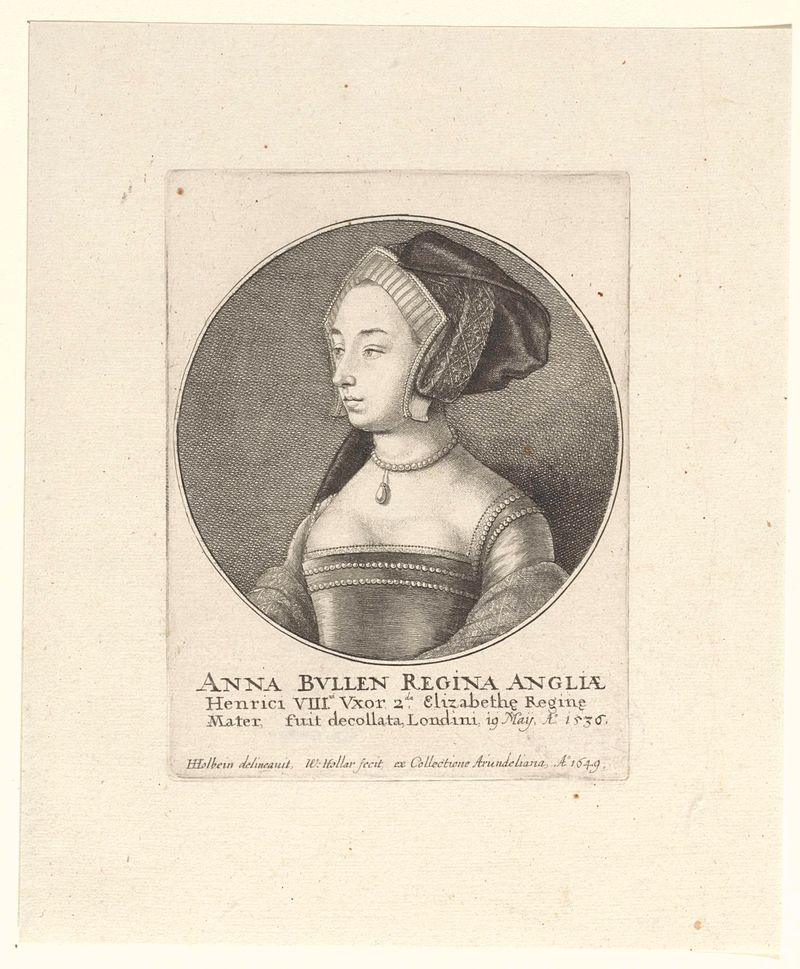
Portret van Anna Boleyn, koningin van Engeland
Wenceslaus Hollar
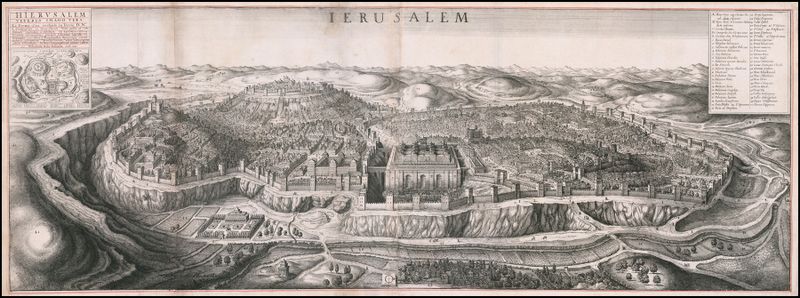
Bird’s eye view of Jerusalem
Wenceslaus Hollar
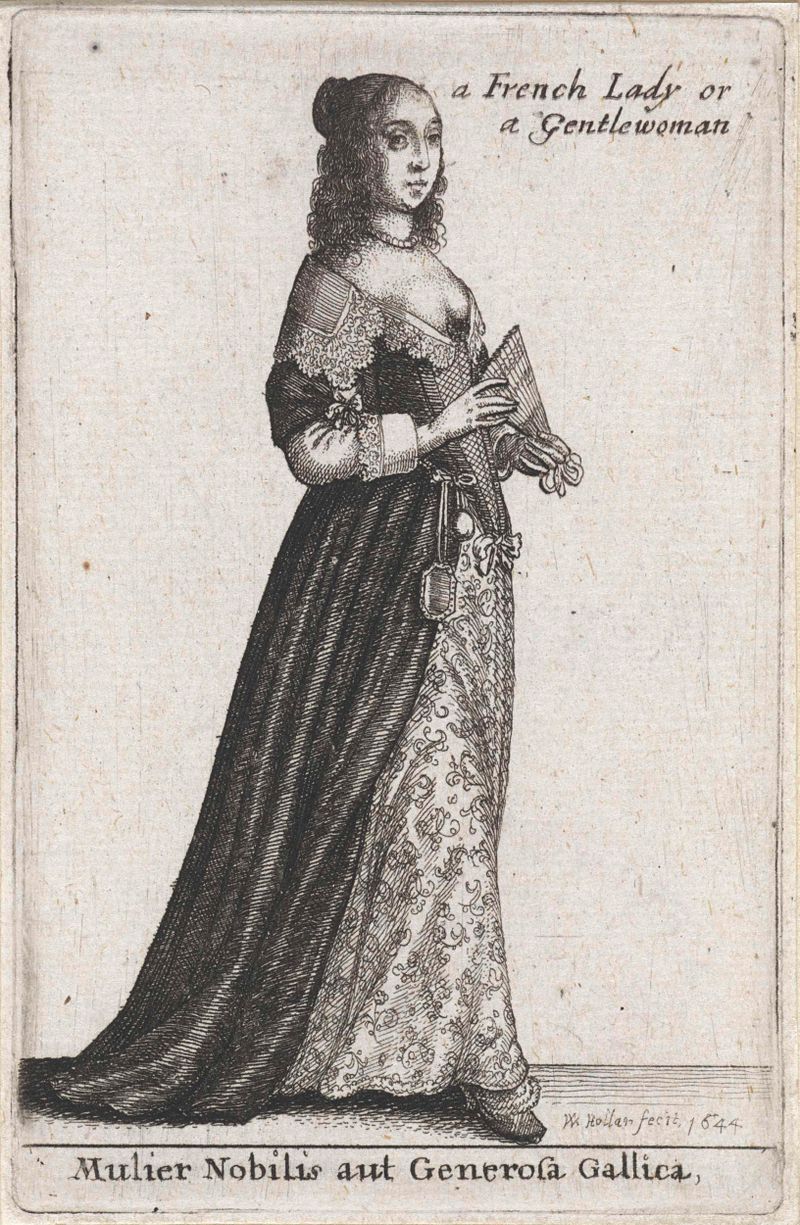
Mulier Nobilis aut Generosa Gallica / a French Lady or Gentlewoman
Wenceslaus Hollar
Titelprent voor: Ornatus Muliebris Anglicanus
Wenceslaus Hollar
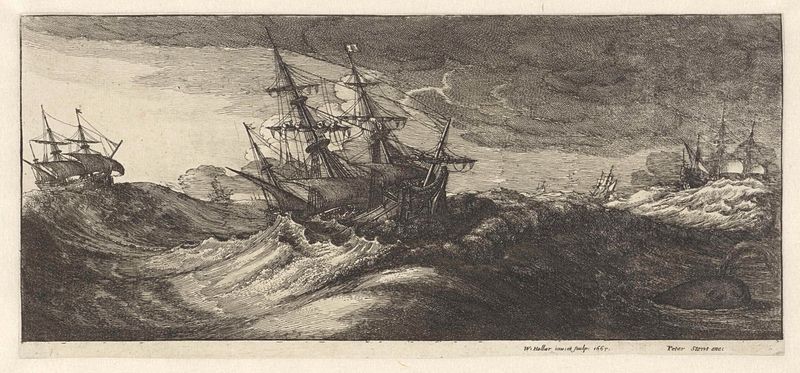
Oorlogsschepen en een walvis in een zeestorm
Wenceslaus Hollar
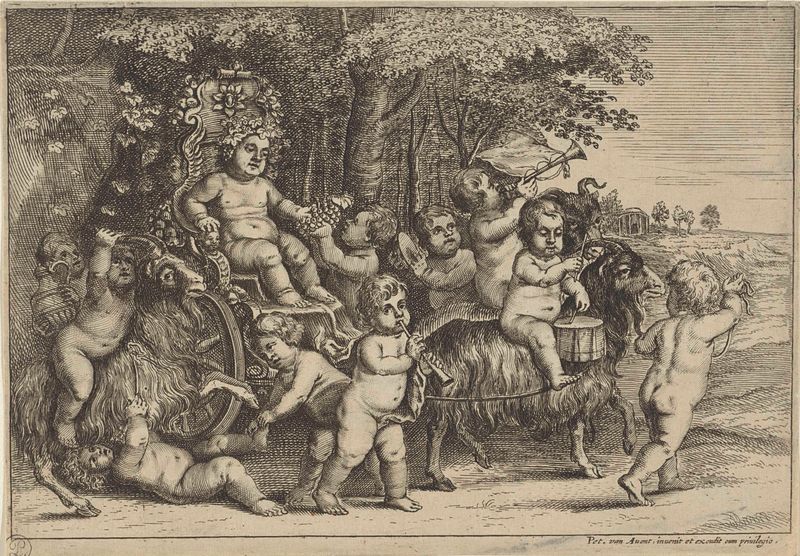
Optocht van bacchant en jongetjes op geiten
Wenceslaus Hollar
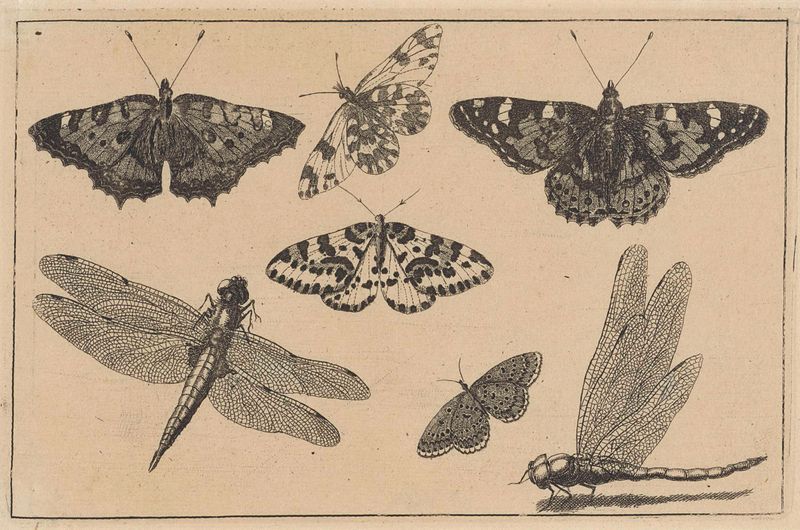
Twee libellen en vijf vlinders
Wenceslaus Hollar
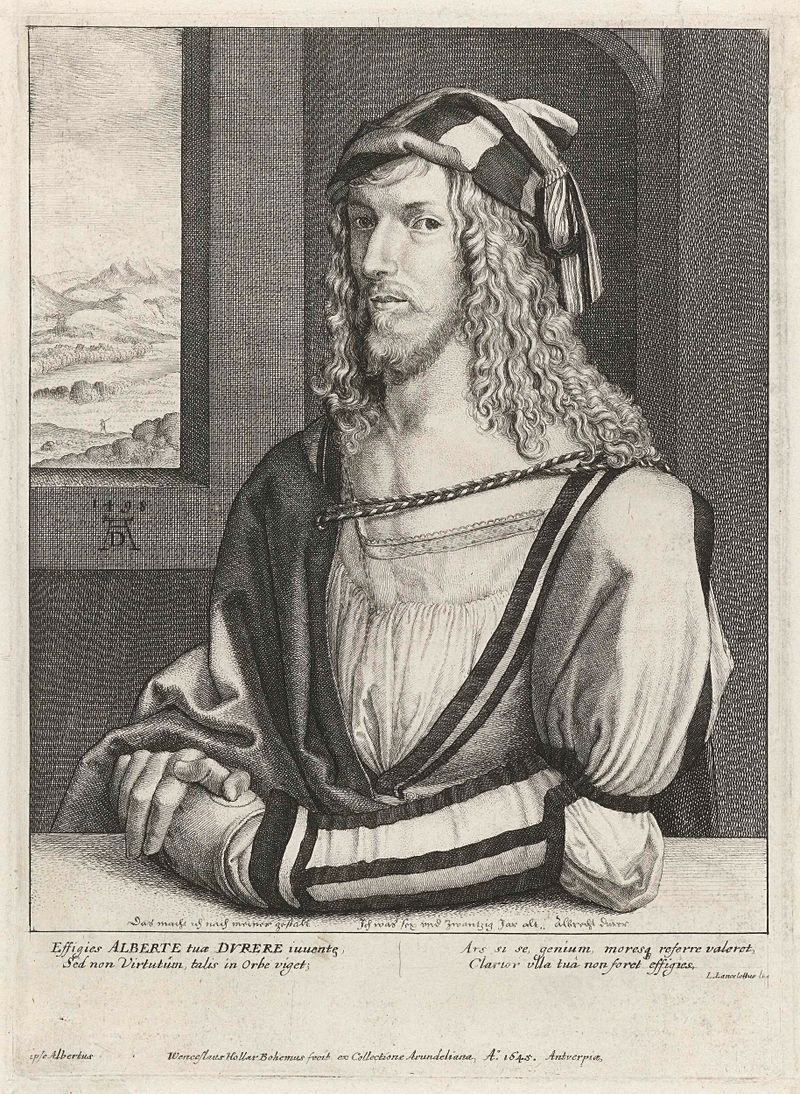
Portret van Albrecht Dürer
Wenceslaus Hollar
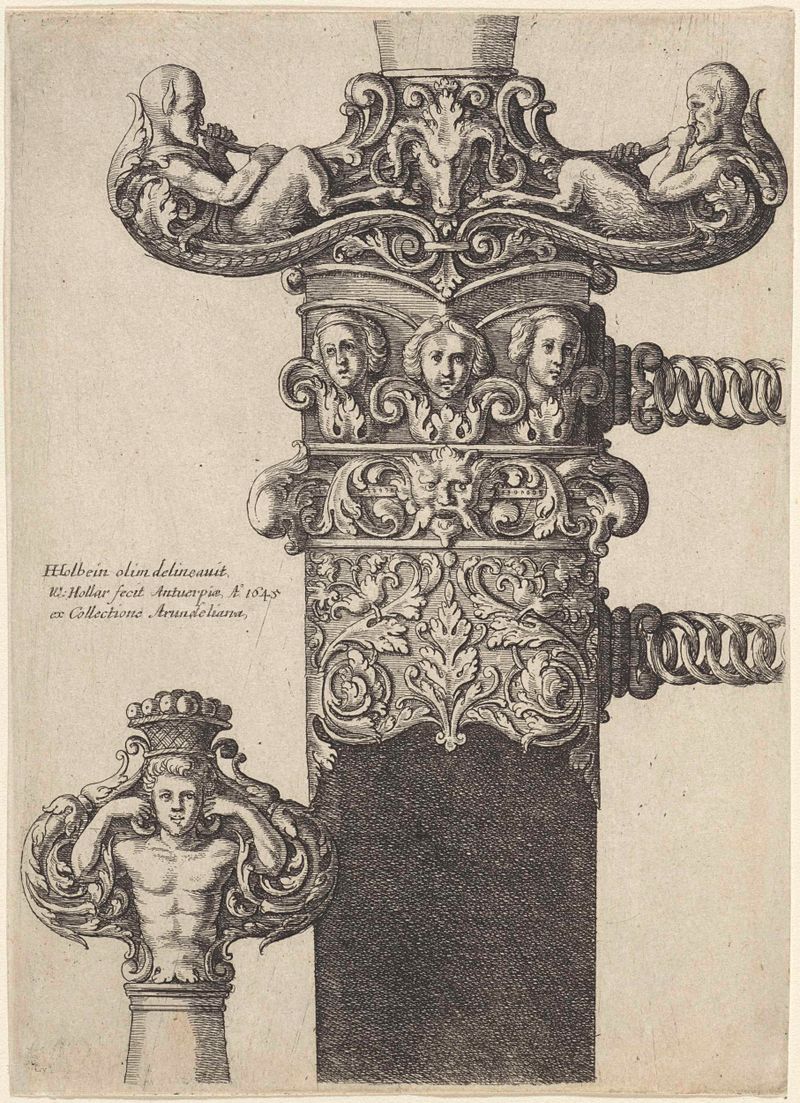
Ornamenteel ontwerp voor een dolk
Wenceslaus Hollar
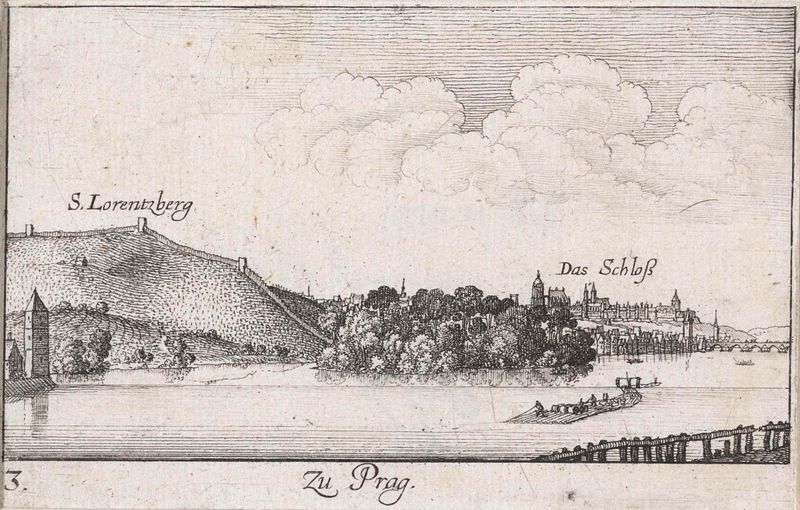
Gezicht op Praag vanaf de Moldau
Wenceslaus Hollar
More Architecture Art
Browse all →
The statue of Liberty
Frédéric Auguste Bartholdi

View of Houses in Delft, Known as ‘The Little Street’
Johannes Vermeer

View of Houses in Delft, Known as ‘The Little Street’
Johannes Vermeer

The Cathedral in Rouen. The portal, Grey Weather
Claude Monet

The yellow house
Vincent van Gogh

The Church in Auvers-sur-Oise, View from the Chevet
Vincent van Gogh