
Gezichten op Ansbach en Coburg — History & Facts
Where does light end, and longing begin? In the delicate interplay of shadow and brilliance, a sense of memory lingers, almost tangible yet fleeting. Look closely at the right side of the composition, where the sun-drenched rooftops of Ansbach rise against a soft, hazy sky. The artist’s meticulous hatchings create depth, drawing the eye along the intricate buildings that seem to breathe with history. The muted colors blend seamlessly, a nostalgic palette of browns and greens that evokes the warmth of cherished recollection.
To the left, Coburg’s fortifications loom, their stoic presence contrasting the lighter tones, grounding the viewer in the weight of time. Hidden within this landscape are emotions of yearning and solitude—a longing for places once familiar or perhaps never visited. The serenity of the scene belies a deeper tension, as the viewer’s gaze traverses the gentle undulations of the hills that cradle these towns, suggesting both connection and separation. Each line, each shadow contributes to a narrative of history, inviting contemplation of what remains and what has faded away. Wenceslaus Hollar created Gezichten op Ansbach en Coburg in 1694 while living in London, where he had sought refuge from the turmoil of his native Bohemia.
This period was marked by a blossoming interest in topographical views, as artists turned increasingly to capturing the essence of the landscapes that defined their memories and identities. Hollar’s technique reflects a meticulous attention to detail, characteristic of the Baroque period, and resonates with a burgeoning European fascination for the relationship between place and personal experience.
More Artworks by Wenceslaus Hollar
Browse all →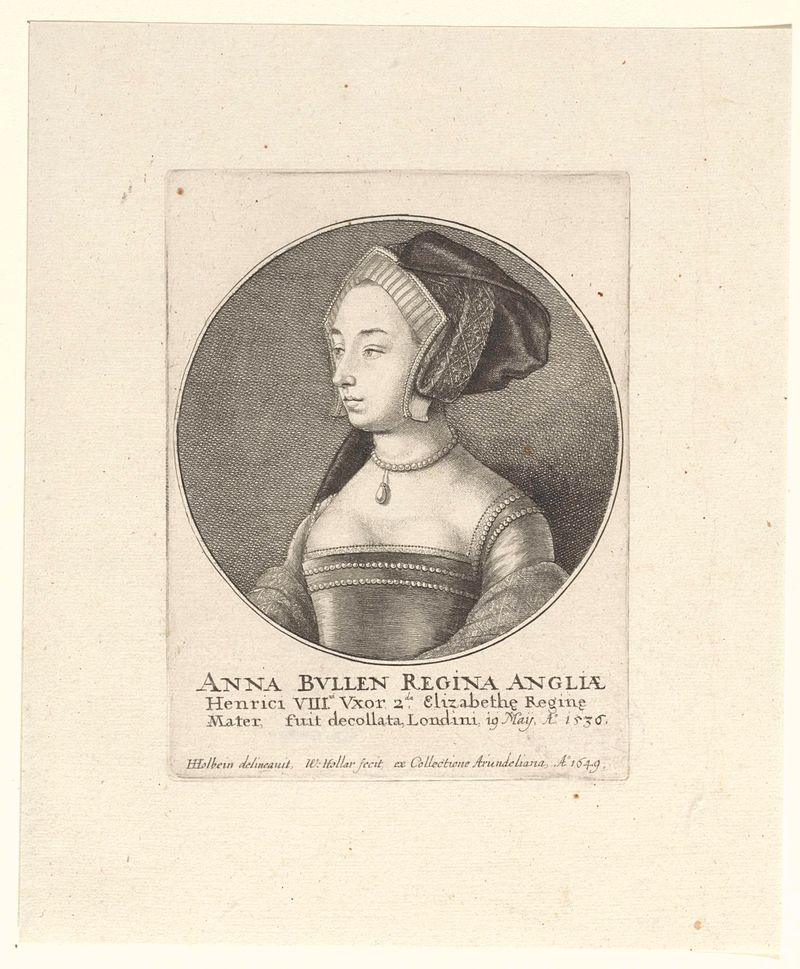
Portret van Anna Boleyn, koningin van Engeland
Wenceslaus Hollar
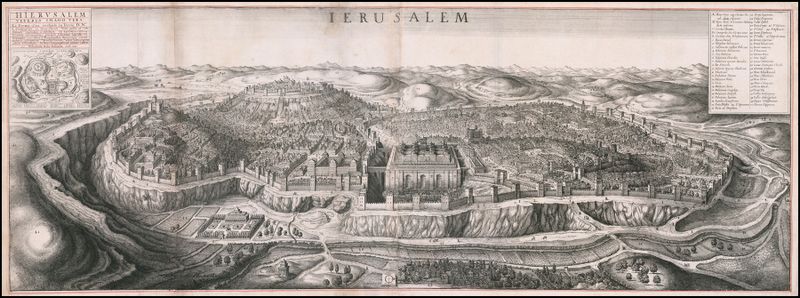
Bird’s eye view of Jerusalem
Wenceslaus Hollar
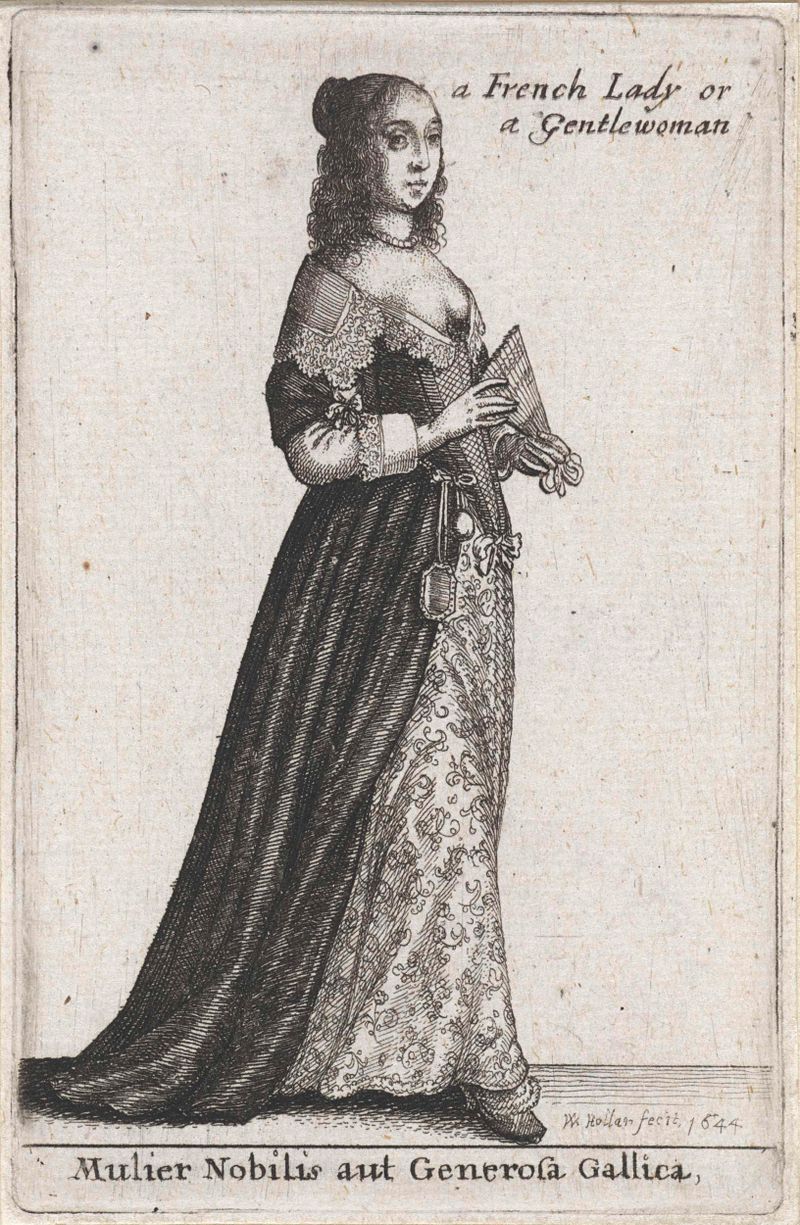
Mulier Nobilis aut Generosa Gallica / a French Lady or Gentlewoman
Wenceslaus Hollar
Titelprent voor: Ornatus Muliebris Anglicanus
Wenceslaus Hollar
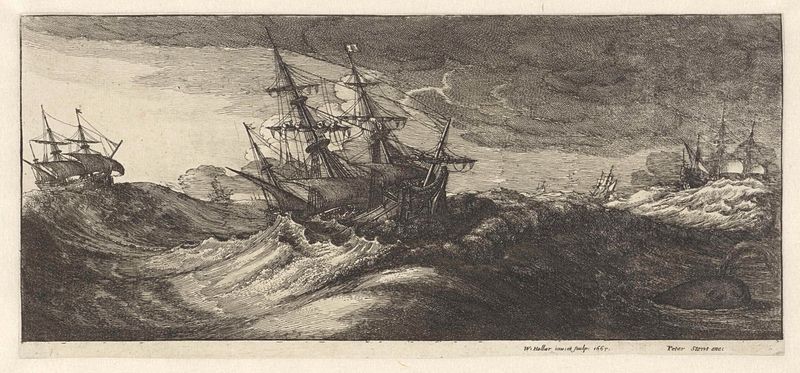
Oorlogsschepen en een walvis in een zeestorm
Wenceslaus Hollar
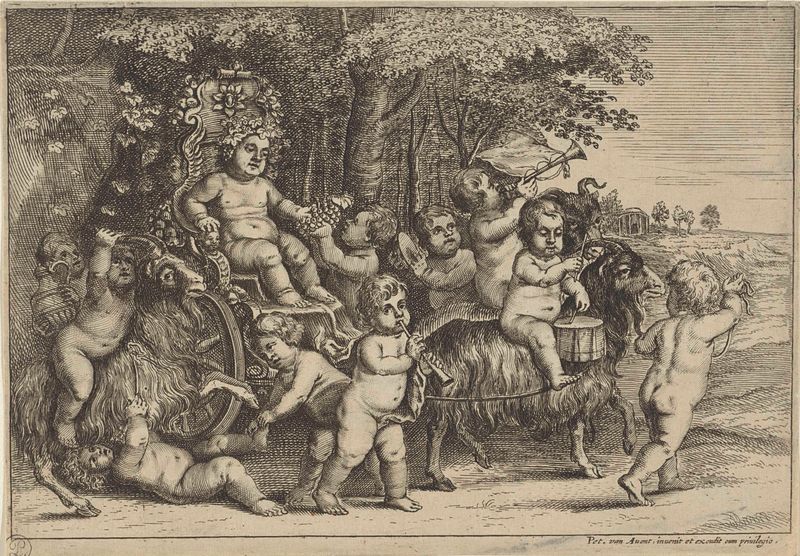
Optocht van bacchant en jongetjes op geiten
Wenceslaus Hollar
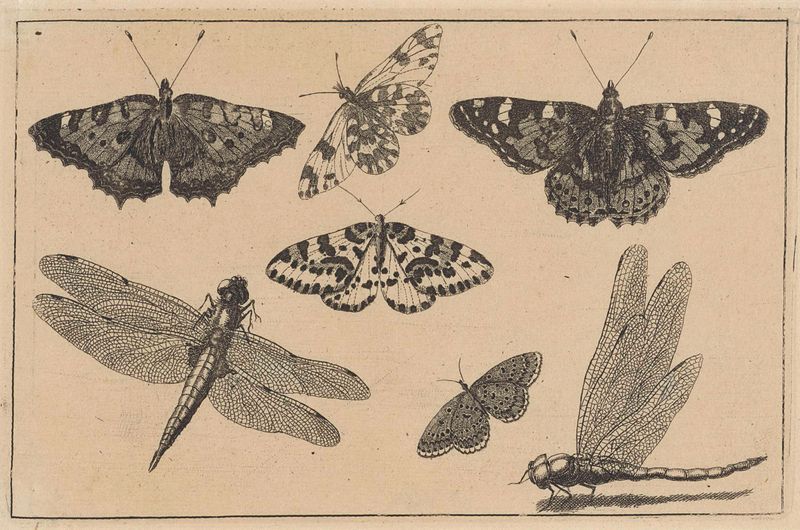
Twee libellen en vijf vlinders
Wenceslaus Hollar
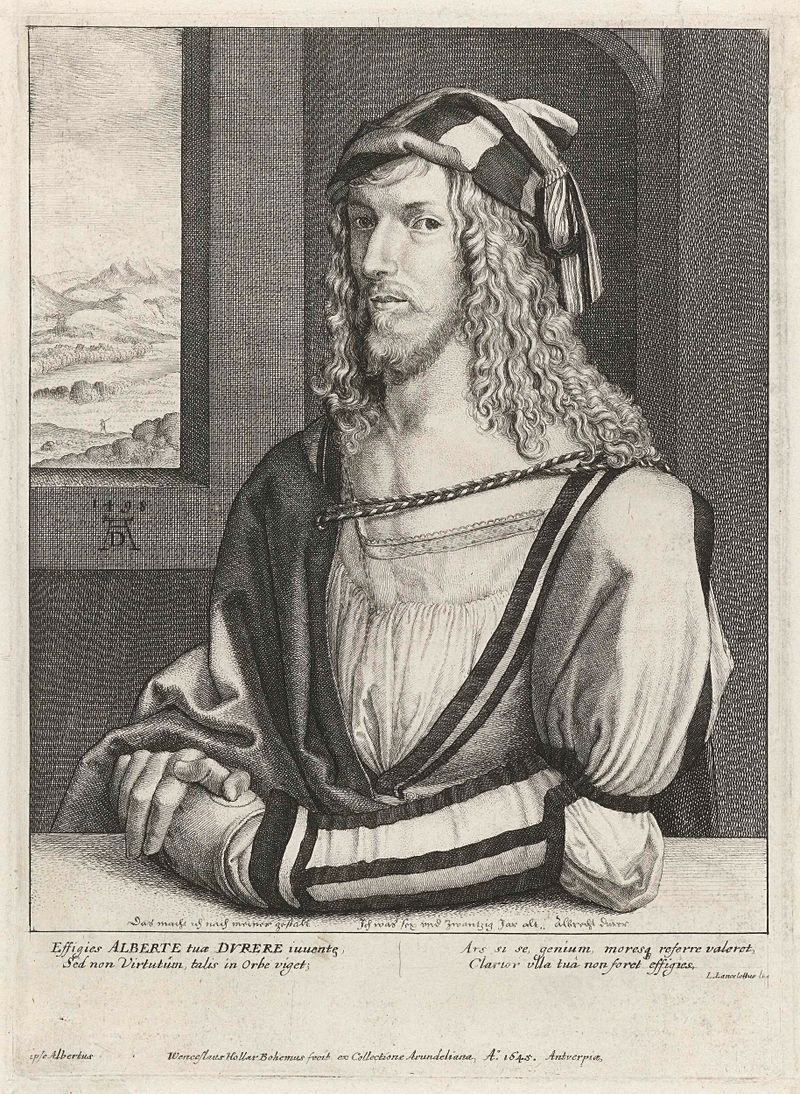
Portret van Albrecht Dürer
Wenceslaus Hollar
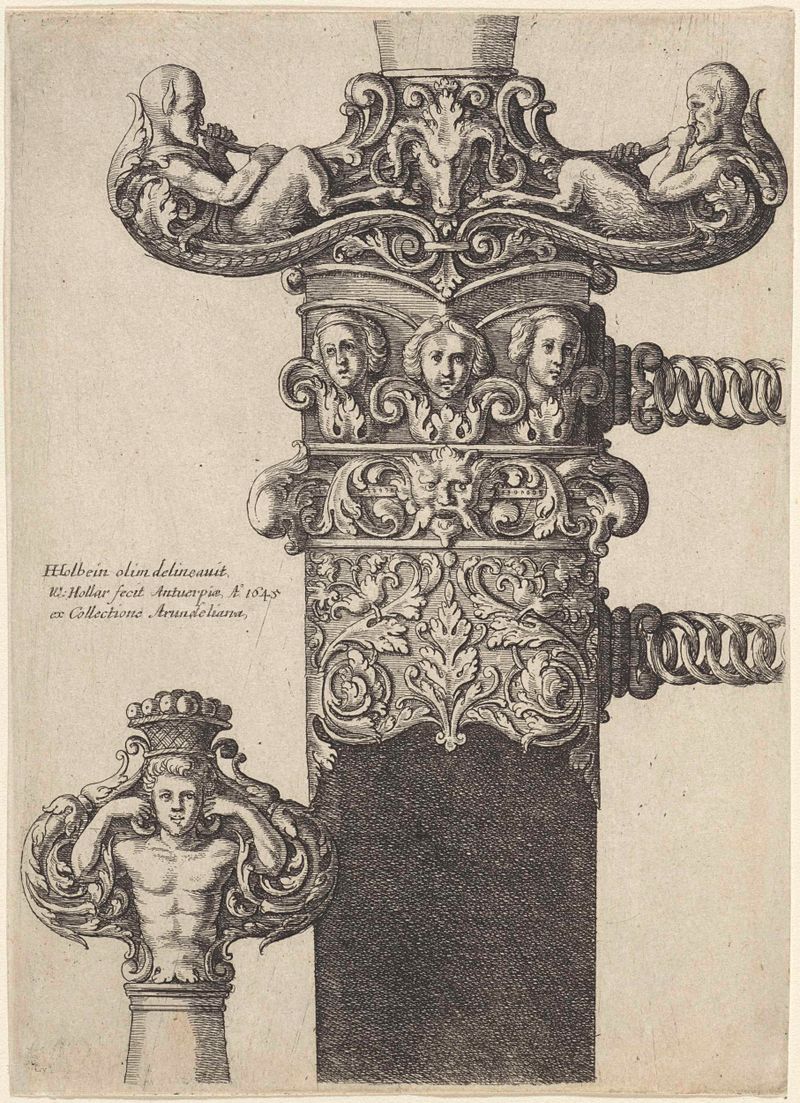
Ornamenteel ontwerp voor een dolk
Wenceslaus Hollar
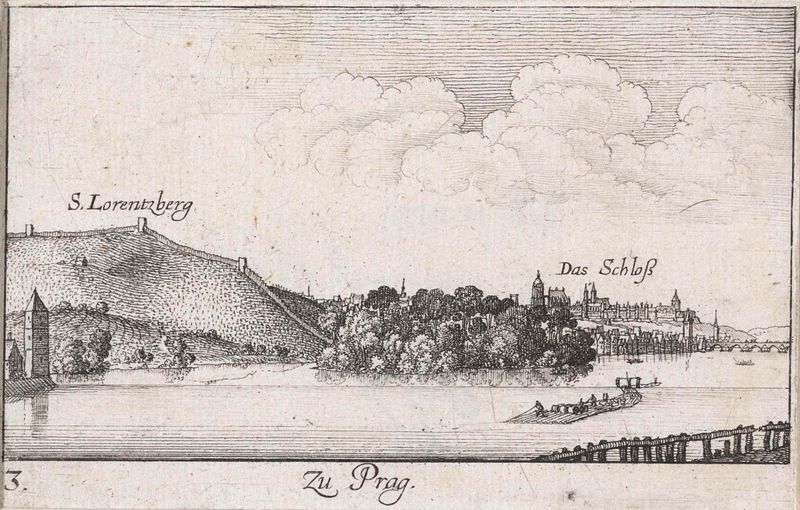
Gezicht op Praag vanaf de Moldau
Wenceslaus Hollar





