Ginger — History & Facts
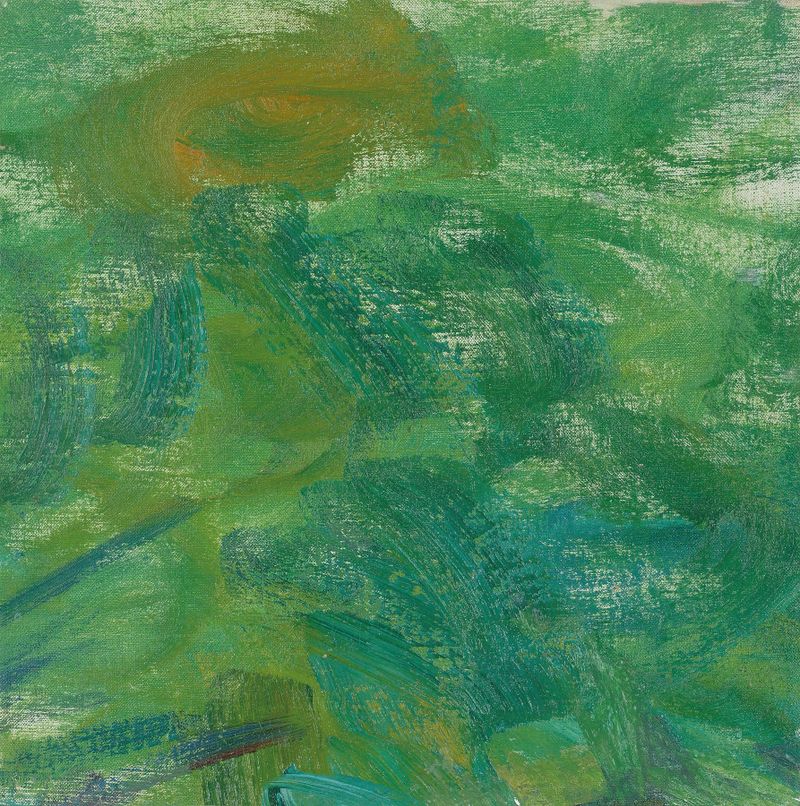
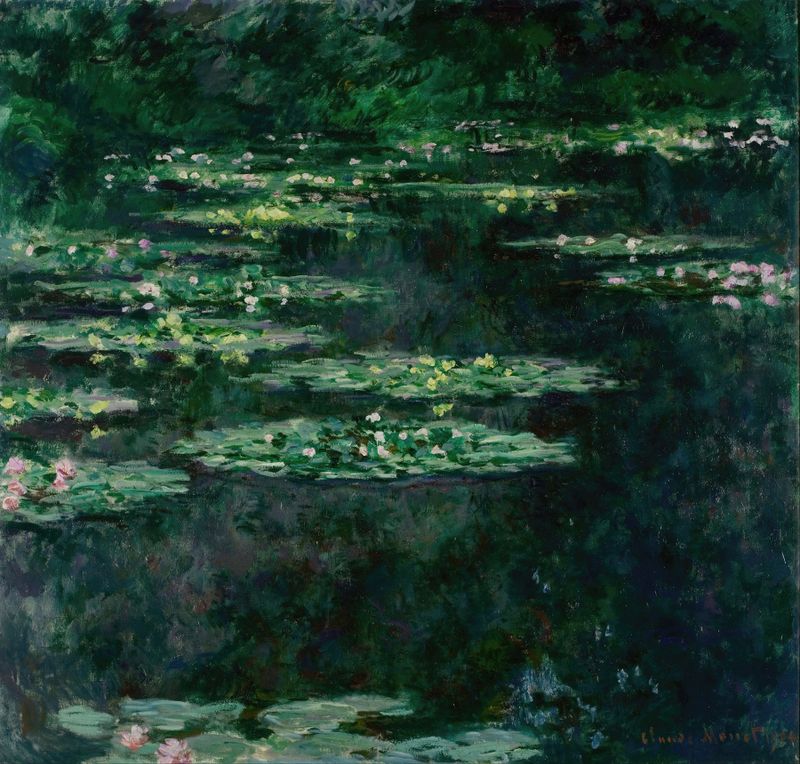
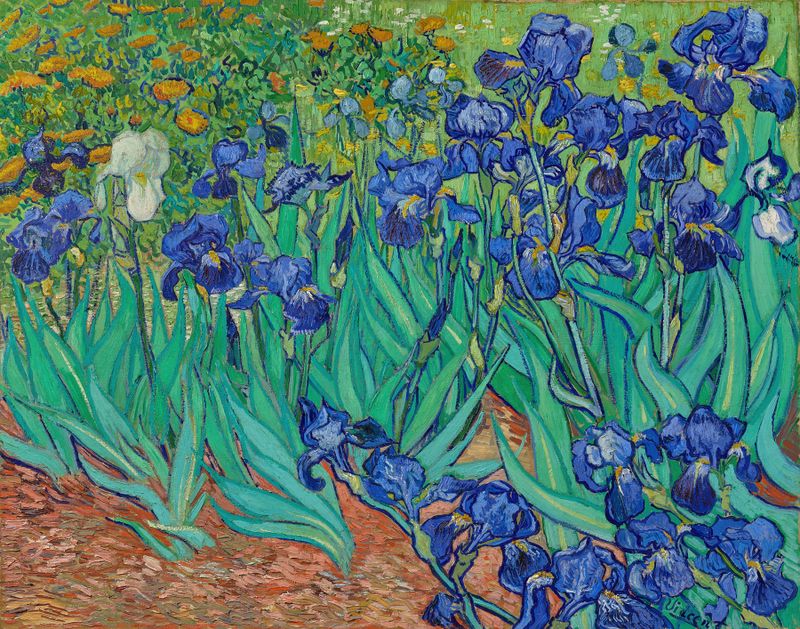
Could a single brushstroke hold eternity? In Ginger, a delicate balance between color and form invites the viewer to ponder the fleeting nature of life through art. The painting resonates with an intimate harmony, an exploration of beauty that transcends its surface. Look to the center, where a vibrant orange dominates, its warm hues harmonizing with the gentle greens and browns that cradle it. Notice how the artist meticulously layers the pigments, creating depth and texture that invite your gaze to wander.
Each brushstroke appears deliberate, yet effortlessly fluid, weaving a narrative of balance that flows through the composition. The soft interplay of light and shadow further enhances the richness of the subjects, suggesting an almost ethereal quality to the work. Beneath its serene façade lies an intricate dialogue between chaos and order. The way the colors coalesce speaks to the struggles of life, where contrasting emotions — joy and sorrow, stability and volatility — coexist.
There’s a sense of quiet tension, as if the harmony teeters on the brink of disruption. This duality encapsulates the essence of existence, drawing the viewer into a contemplative state, urging them to reflect upon the balance found amidst life's inevitable fluctuations. Denman Waldo Ross painted Ginger in 1907, during a time when the Boston School was flourishing, which emphasized the importance of color theory and light in composition. His work reflects a burgeoning maturity in the realm of American art, where personal expression began to take precedence over strict academic traditions.
Ross, influenced by his studies in Europe, was exploring the nuances of color and form, seeking to capture the essence of his subjects while maintaining a deep connection to their emotional core.
More Artworks by Denman Waldo Ross
Browse all →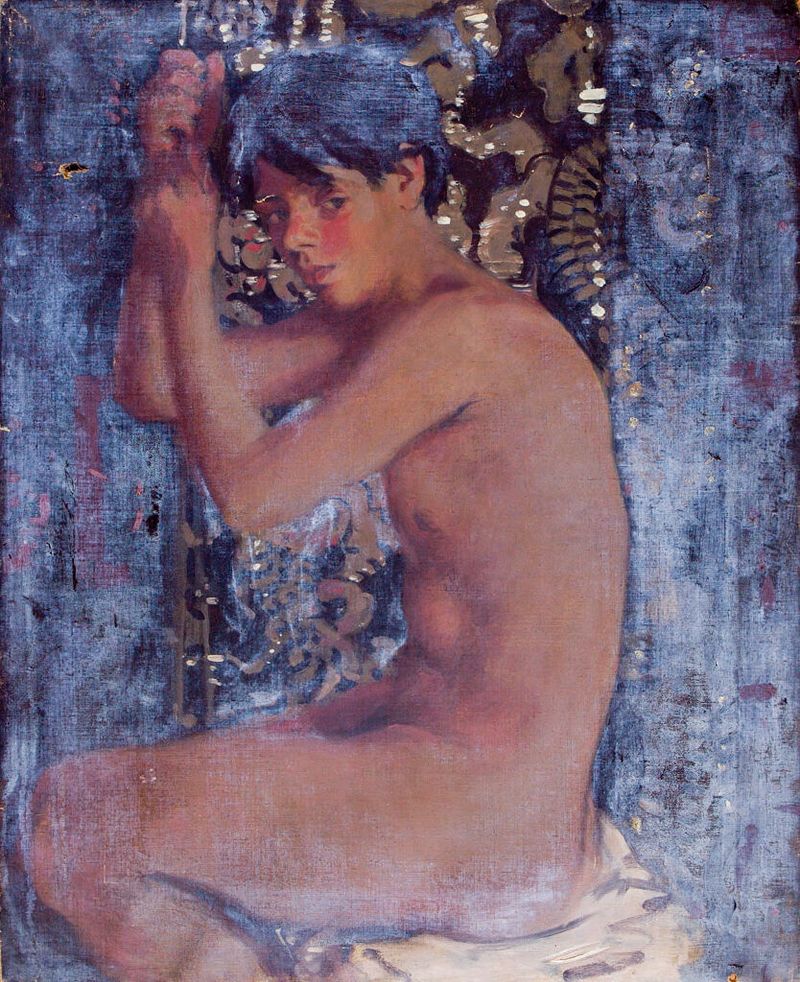
Portrait of a Seated Young Man
Denman Waldo Ross
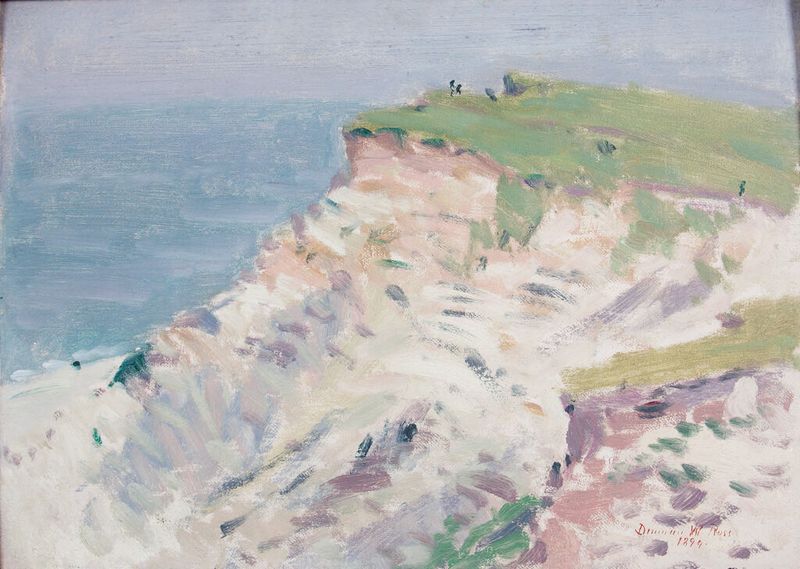
Highland Light, North Truro, Massachusetts
Denman Waldo Ross
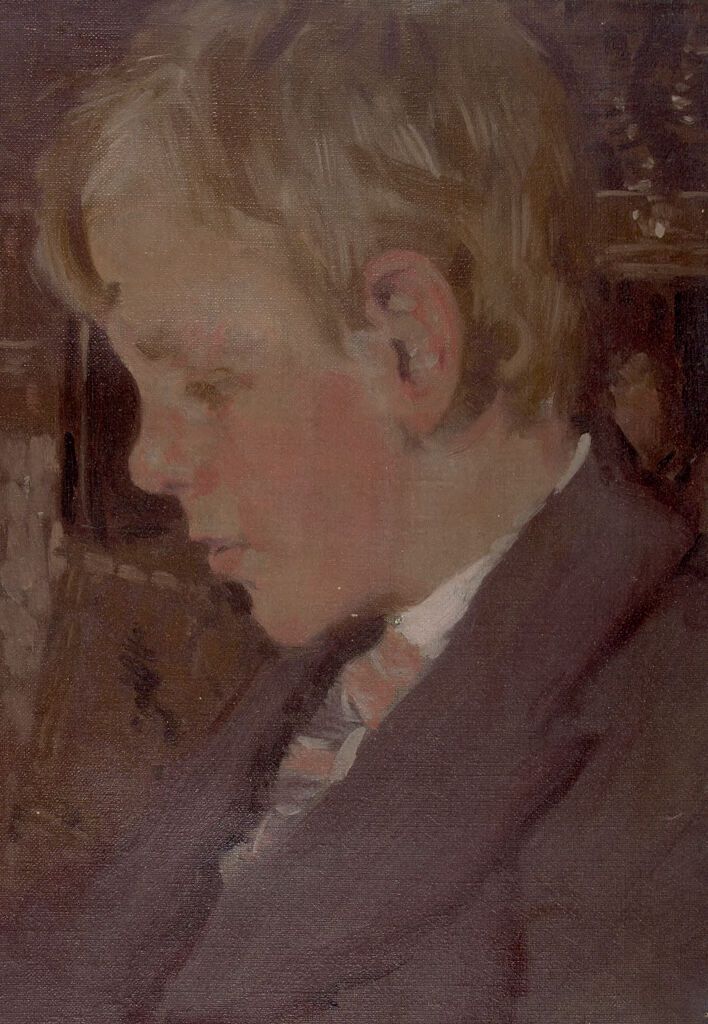
Profile Portrait of a Boy in Suit and Tie
Denman Waldo Ross
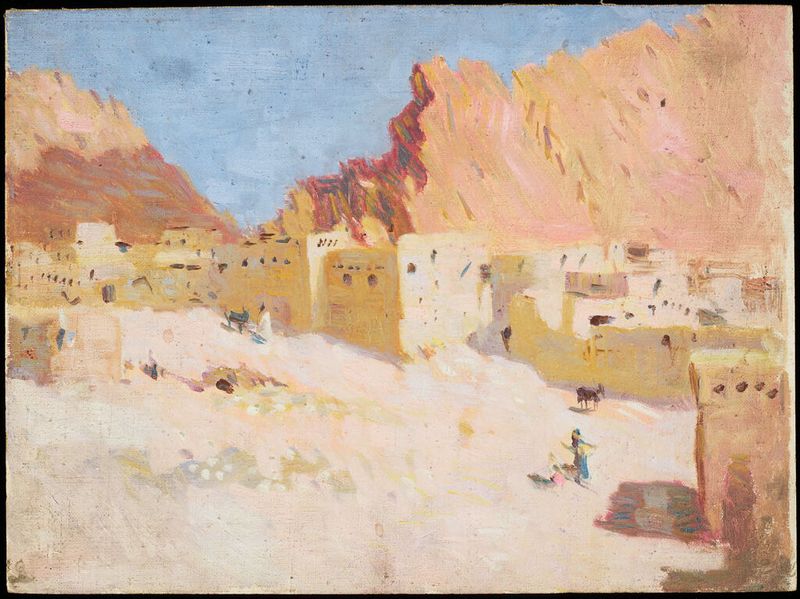
El Kantara, Near Biskra, Algeria
Denman Waldo Ross
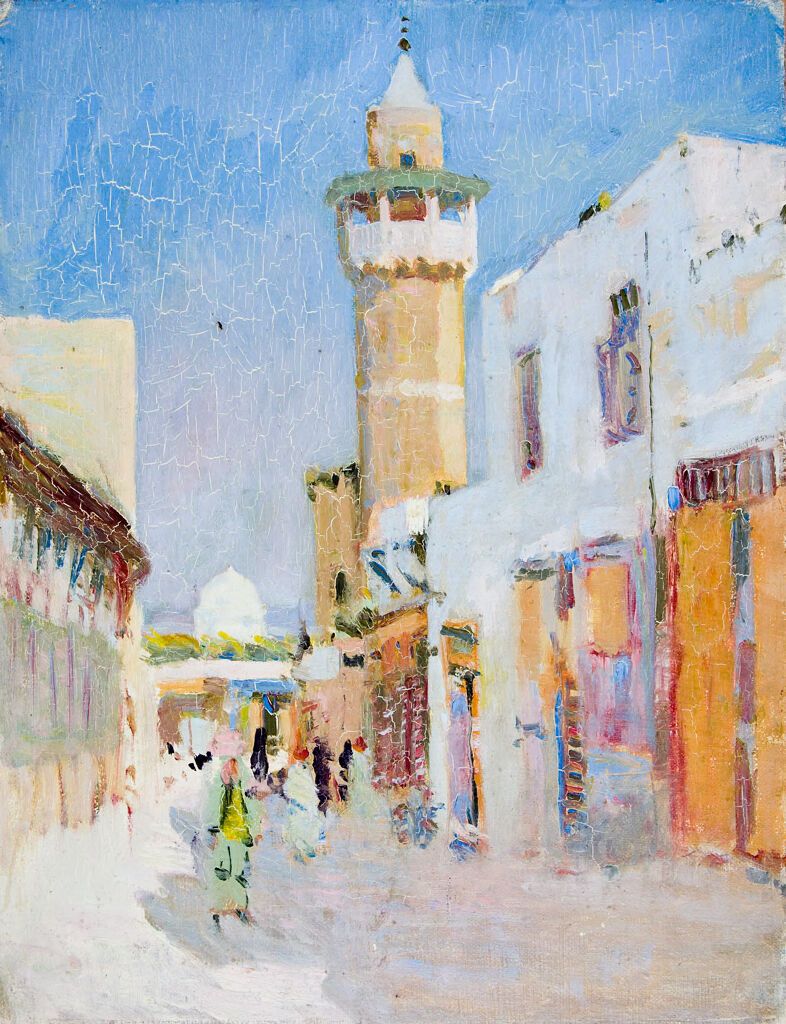
Tunis Street Scene
Denman Waldo Ross
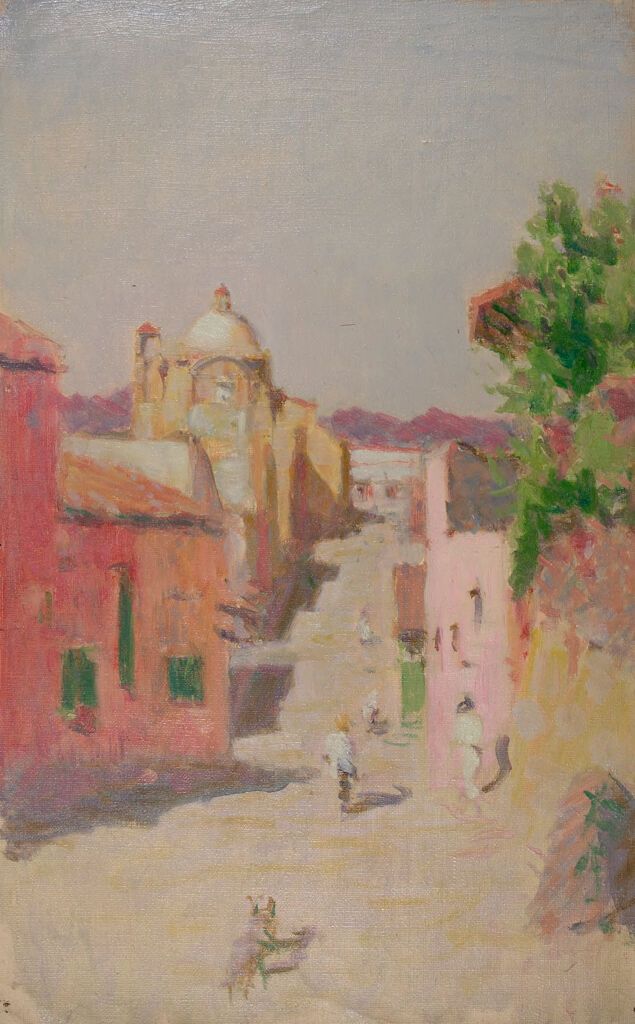
Street Scene with Animal and Figures
Denman Waldo Ross
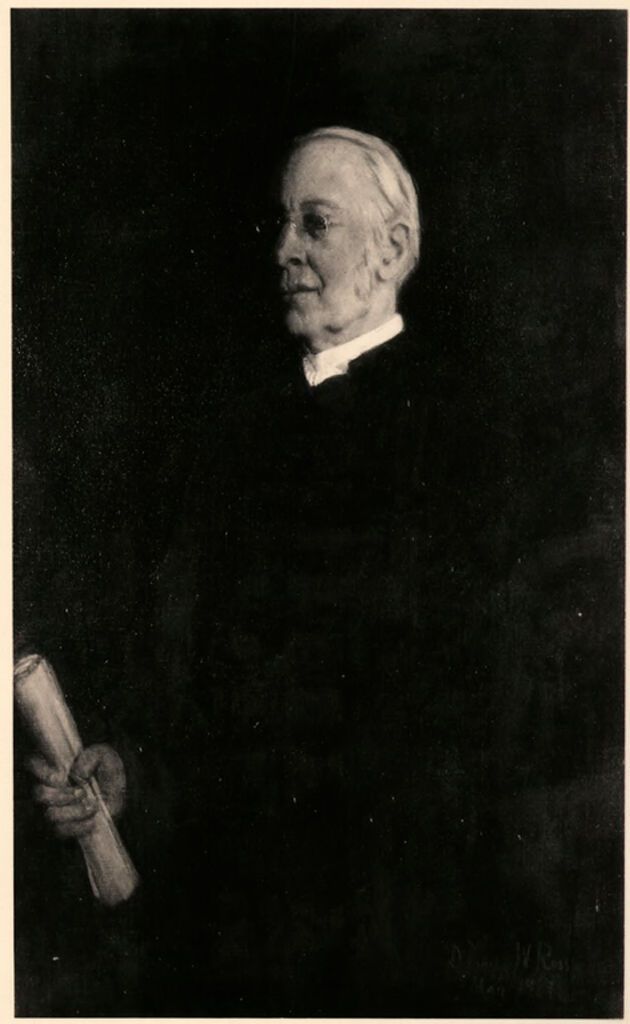
Charles William Eliot (1834-1926)
Denman Waldo Ross
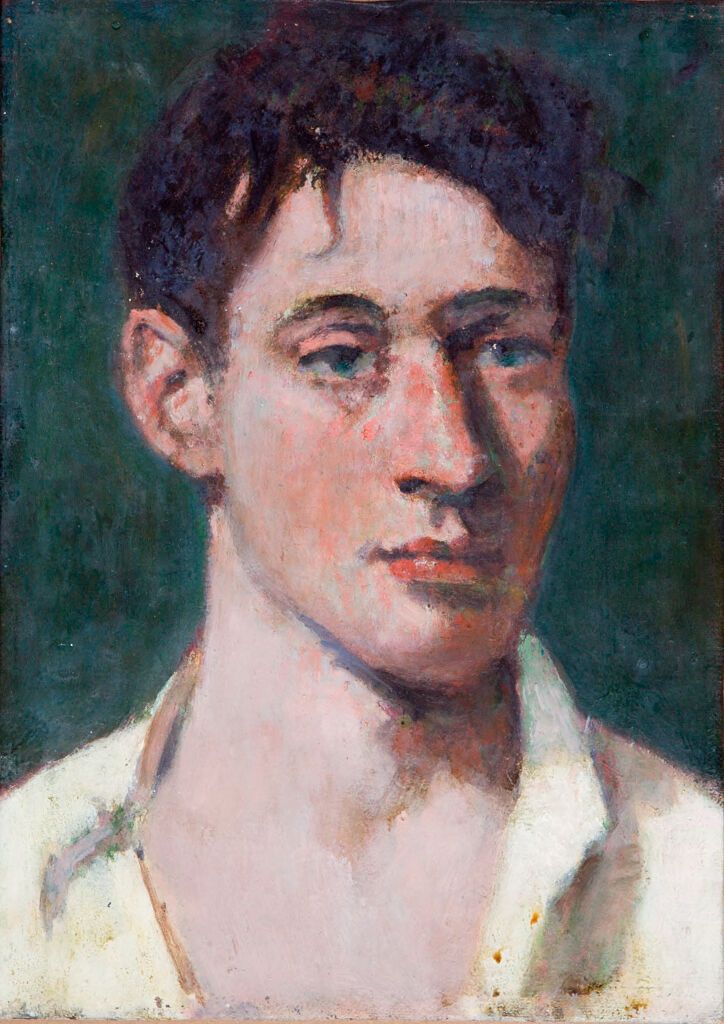
Portrait of a Young Man in White Shirt
Denman Waldo Ross
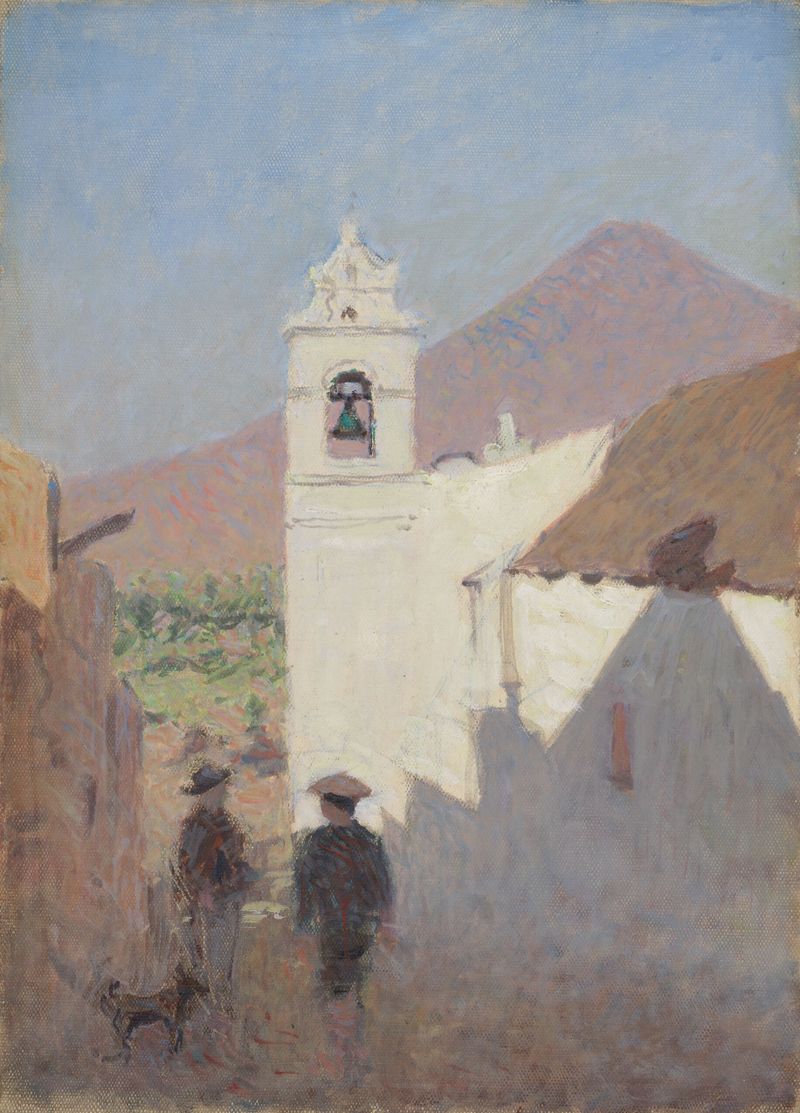
Village Near Arequipa, Peru
Denman Waldo Ross

York Harbor, Maine
Denman Waldo Ross