Girdle of Ares — History & Facts
A surge of bodies in motion seizes the foreground, each figure caught mid-stride or mid-gesture, as if the whole valley has become a stage for some ancient contest. The eye is drawn first to the tangle of limbs and torsos, a choreography of struggle and exultation, with arms thrust skyward and bodies twisting in rhythm. The figures appear almost spectral against the dark foothills, their pale forms thrown into relief by the encroaching shadow, while the distant mountains and wide sky dwarf the human drama below.
There is a sense of ritual here, the repeated gestures suggesting not chaos but a kind of order—perhaps a mythic battle, or the ceremonial contest for a legendary prize. The mood is both urgent and remote, as if we are witnessing a memory from another age. Created circa 1908, Girdle of Ares by Arthur Bowen Davies belongs to a moment when American artists were reaching for new mythologies, blending classical themes with modern sensibilities. Davies, known for his dreamlike scenes and fascination with the human form, was part of a generation that looked to Europe for inspiration but sought to forge a distinctly American vision.
Works like this, now in the collection of the Metropolitan Museum of Art, were rarely made for private patrons; instead, they spoke to a public eager for images that combined beauty, movement, and the suggestion of ancient mystery. Little is recorded about the specific history of this canvas, but its energy and ambition invite us to linger, searching the crowd for stories and meaning that echo far beyond the painted surface.
More Artworks by Arthur Bowen Davies

Mirror of Illusion
Arthur Bowen Davies
Nymphs of the Stream
Arthur Bowen Davies

Woman Dancing
Arthur Bowen Davies
Landscape 2
Arthur Bowen Davies
Ocean Swells
Arthur Bowen Davies
Silver Springs
Arthur Bowen Davies
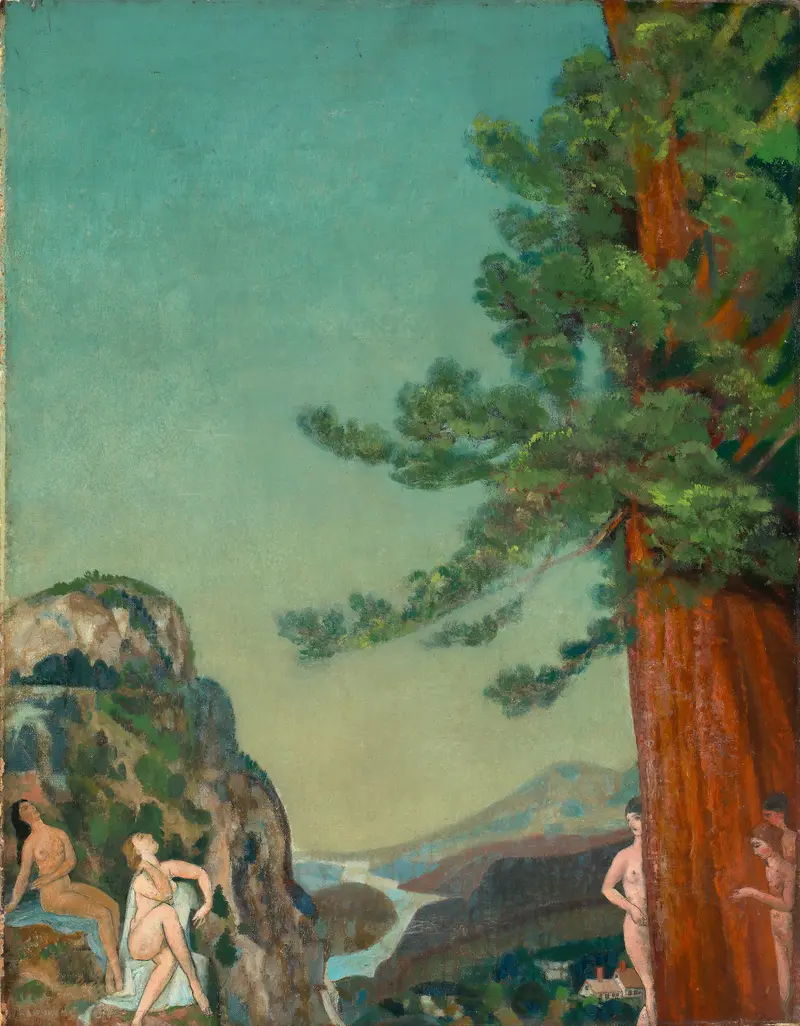
On the Cliffs
Arthur Bowen Davies

Landscape
Arthur Bowen Davies
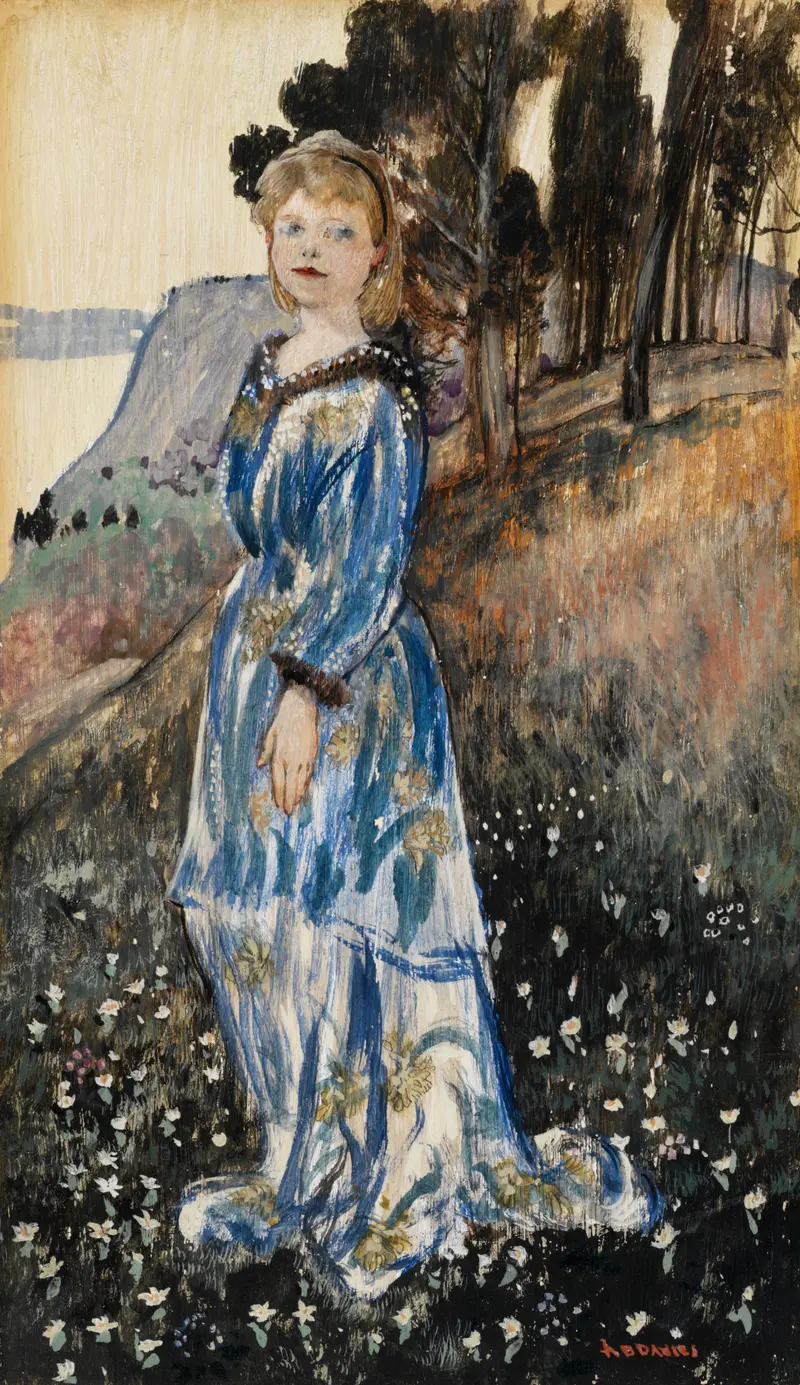
Flora
Arthur Bowen Davies
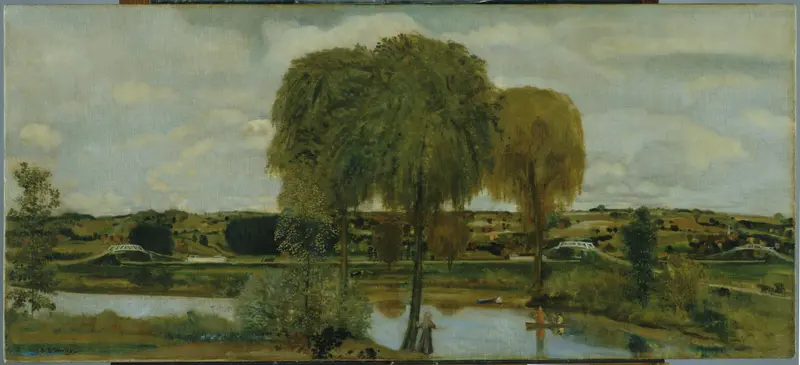
Along the Erie Canal
Arthur Bowen Davies