Goulphar. Belle-Isle en mer — History & Facts
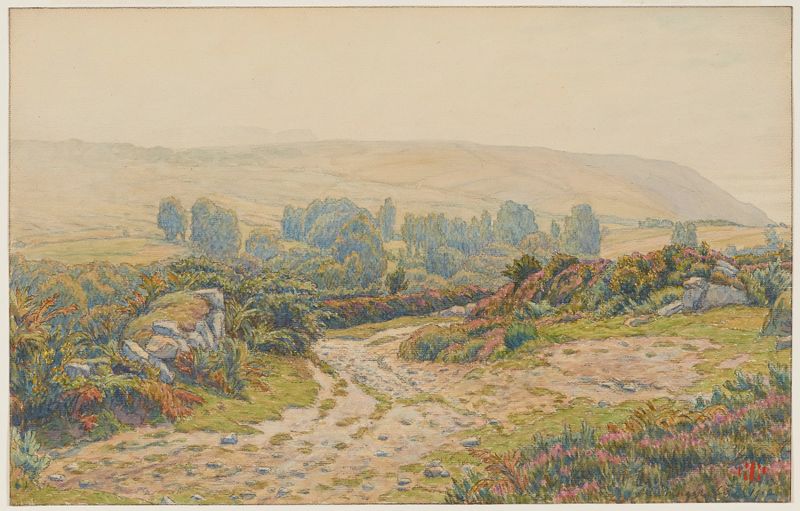
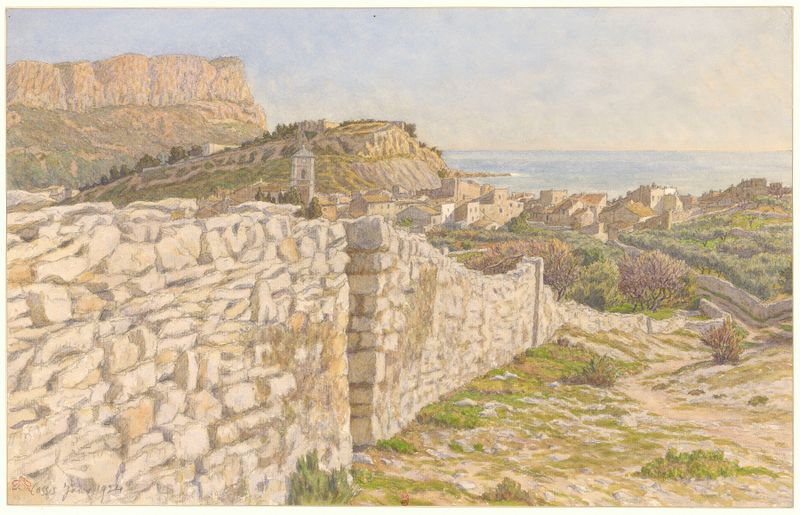
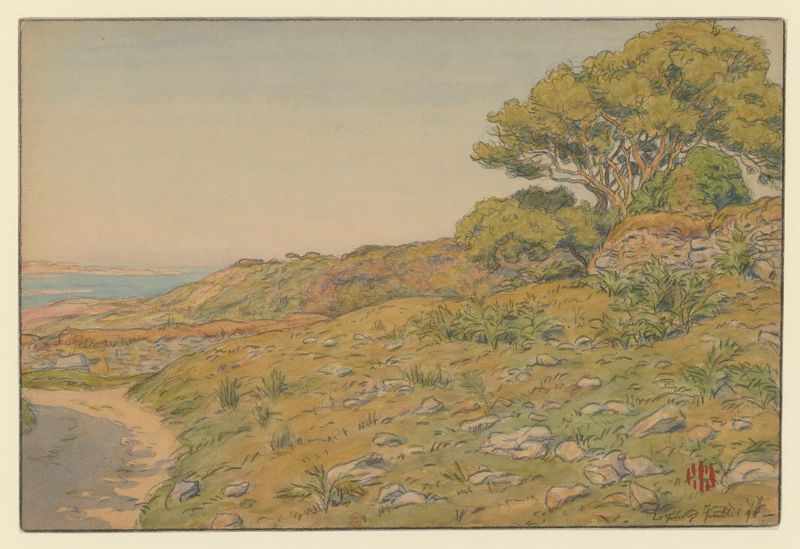
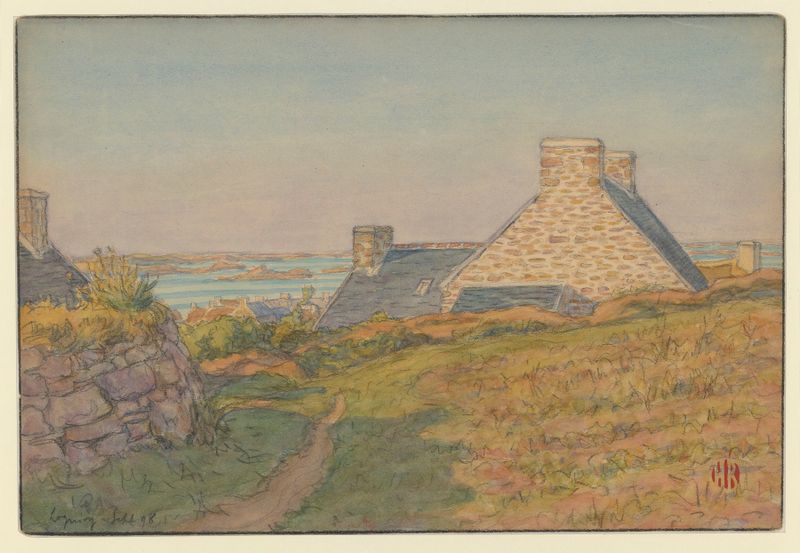
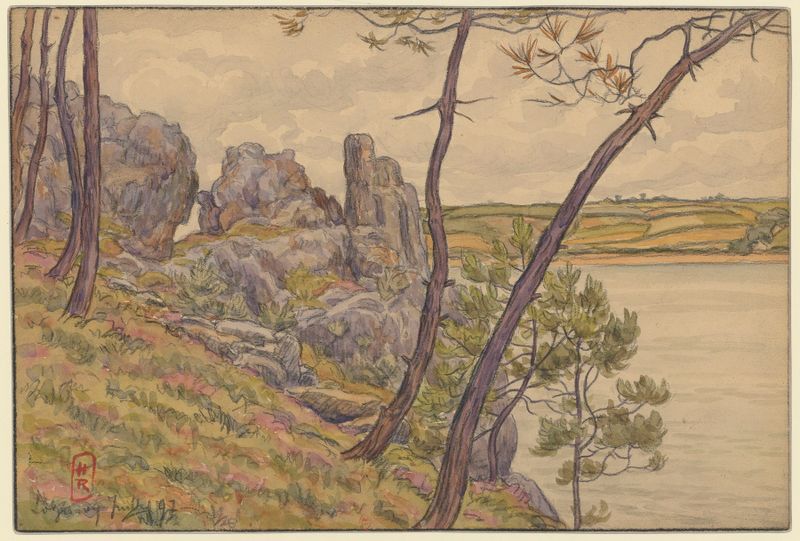
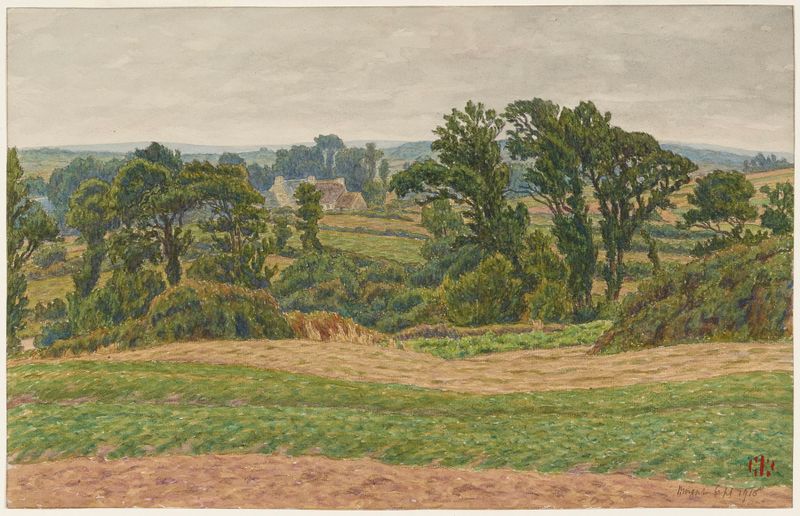
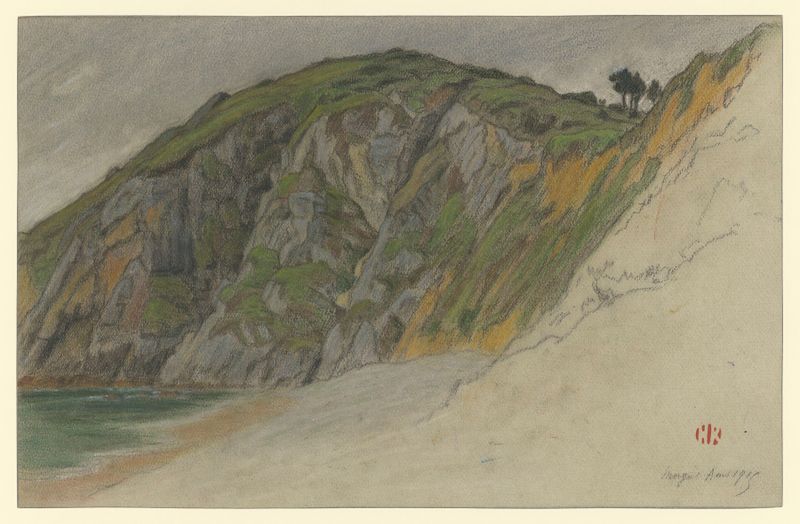
In Goulphar. Belle-Isle en mer, vivid colors collide and intertwine, inviting the viewer to lose themselves in a whirlwind of emotion, where ecstasy permeates every stroke. Look to the left at the swirling blues and greens, where the tumultuous sea dances against the rugged cliffs. Notice how the sun breaks through, casting a golden halo upon the waves, illuminating the canvas with a vibrant luminosity.
Rivière’s technique embodies a dynamic brushwork that captures the energy of the moment, each stroke conveying both turbulence and tranquility, while the juxtaposition of chaotic waves and serene sky creates an exquisite tension. Delve deeper into the contrasts of the piece—the fierce, churning ocean represents both nature's power and the artist’s inner tumult, while the serene horizon hints at hope and resolution. This interplay between chaos and calm echoes the emotional landscape of Rivière’s own life, where personal struggles mingle with artistic aspirations. The brushwork is not merely an exploration of place but a manifestation of a deeper state of being, as if the landscape itself is alive with the pulse of ecstasy and despair. Henri Rivière painted *Goulphar.
Belle-Isle en mer* in 1910 during a period of introspection and experimentations in his career. Living in France, he was influenced by the Symbolist movement, which sought to express the ineffable through art. This was a time when artists were beginning to explore abstraction, and Rivière, having experienced personal losses, poured his emotional landscape into his work, marking a significant evolution in his artistic journey.