Graanzuiger aan het werk — History & Analysis
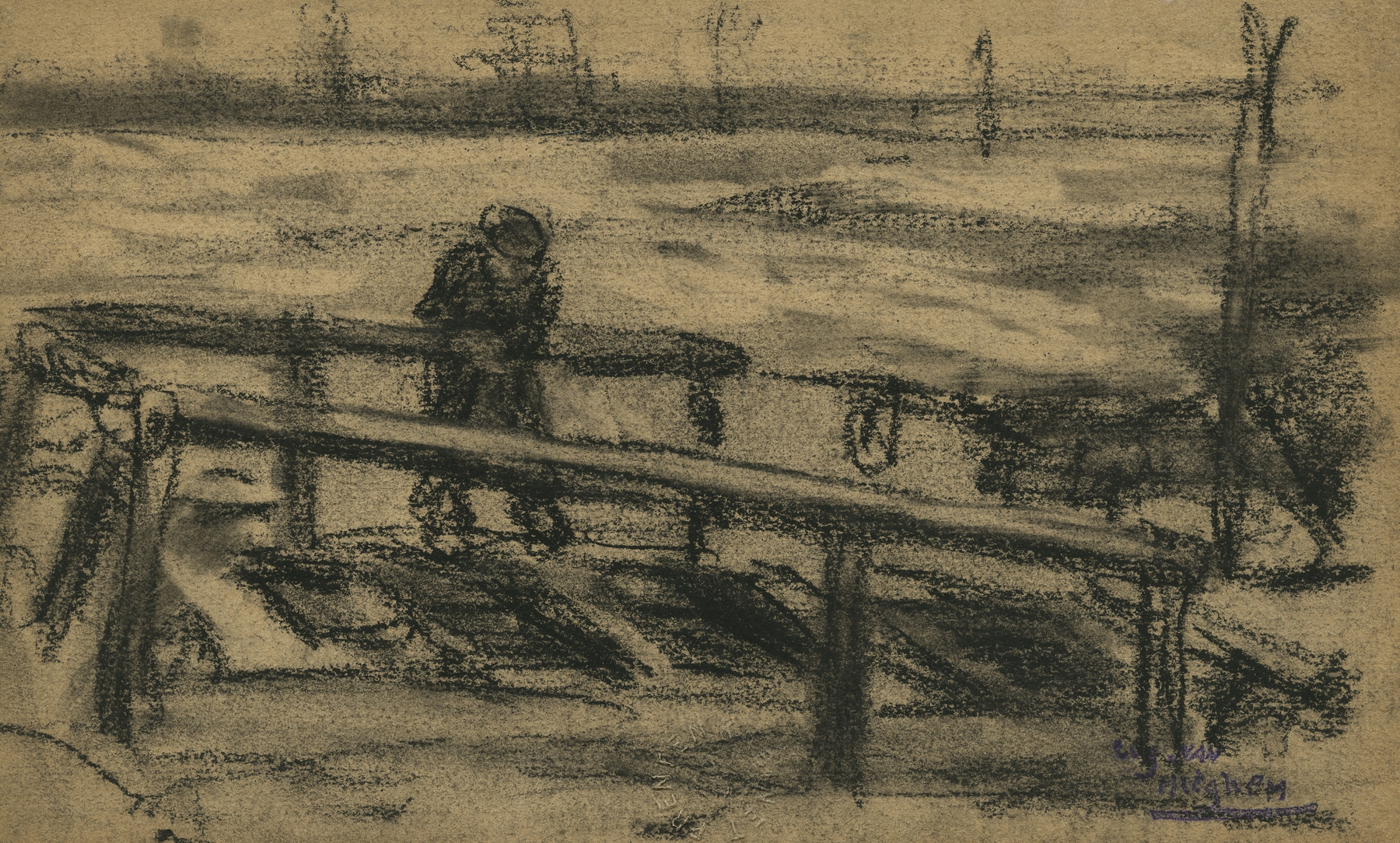
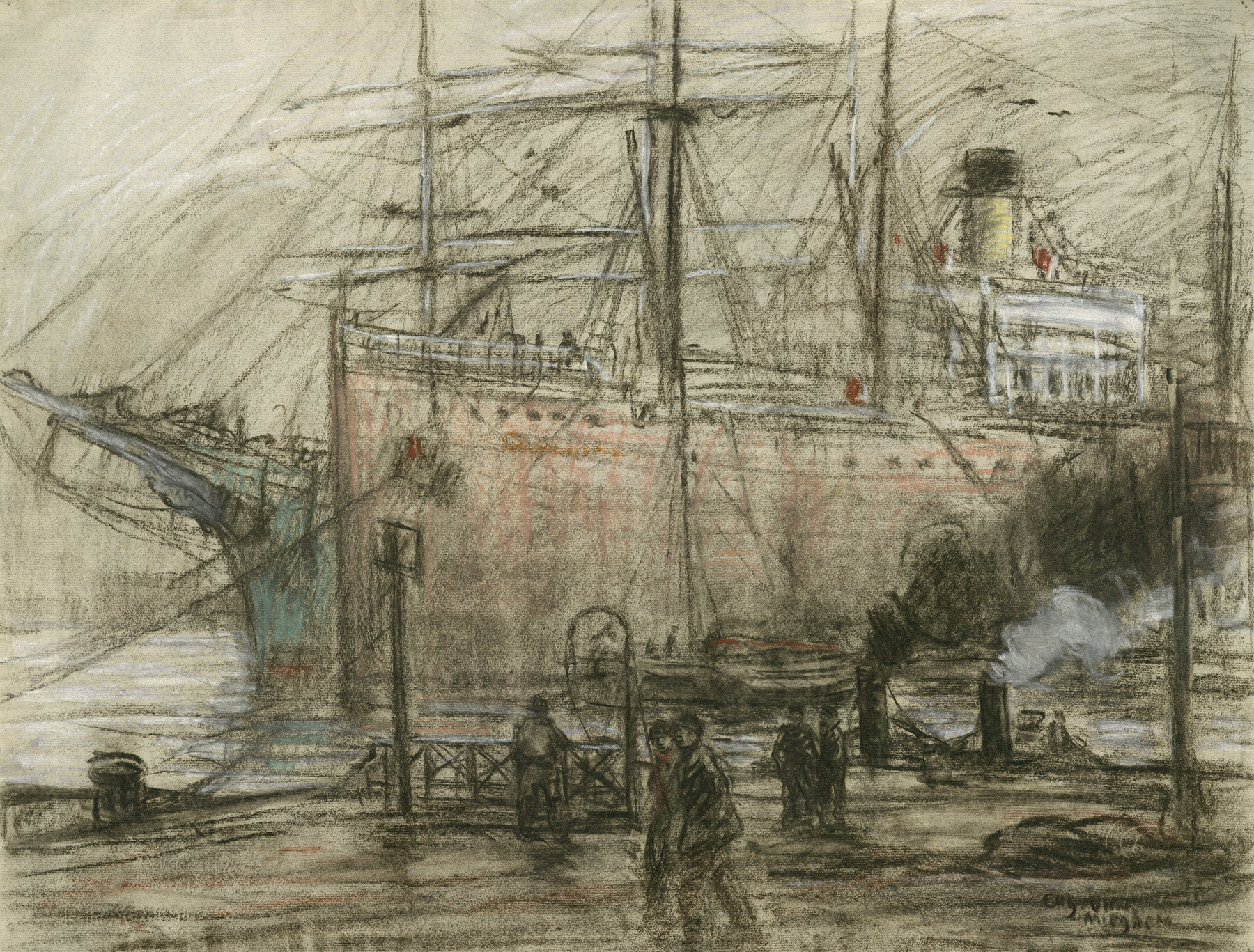
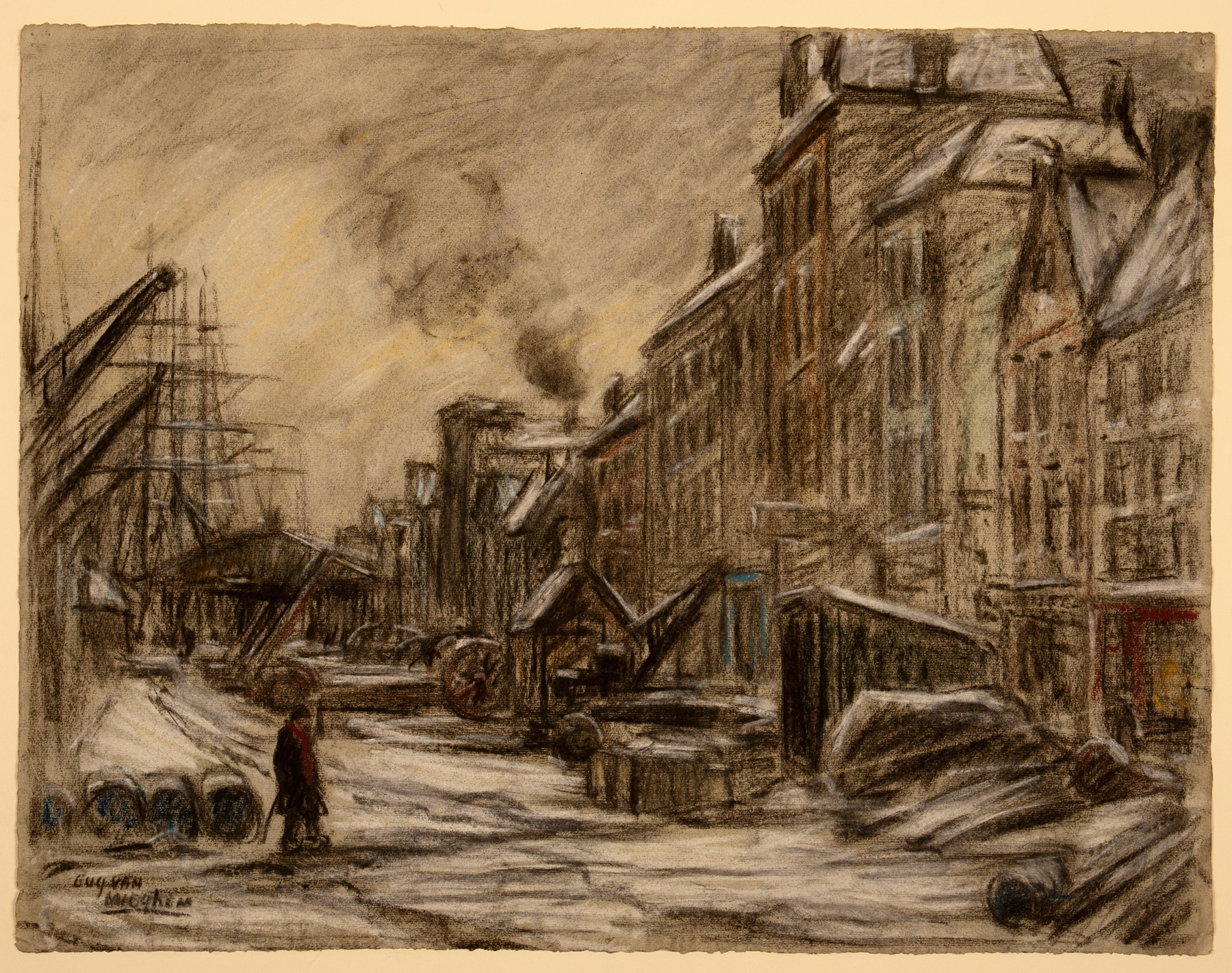
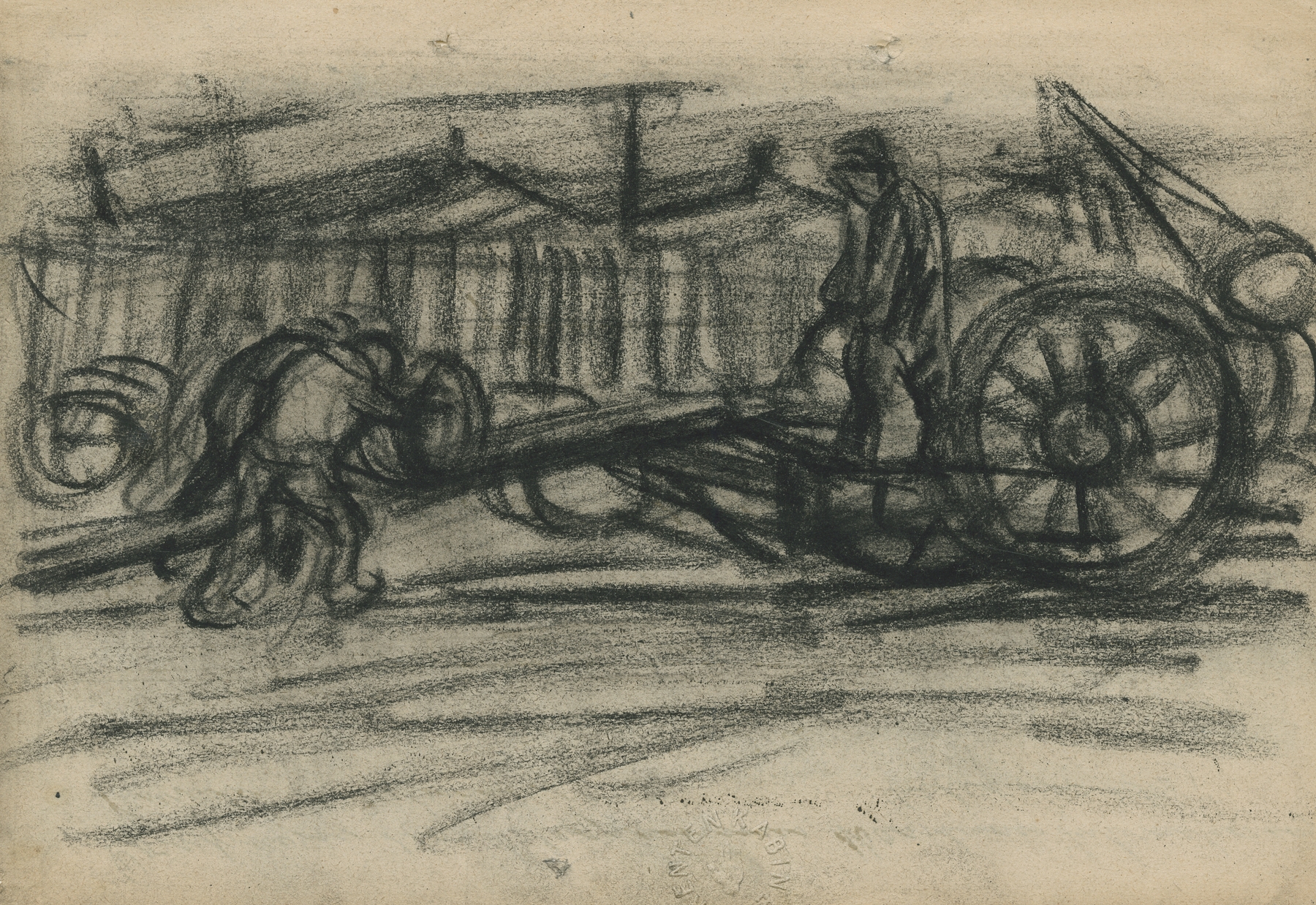
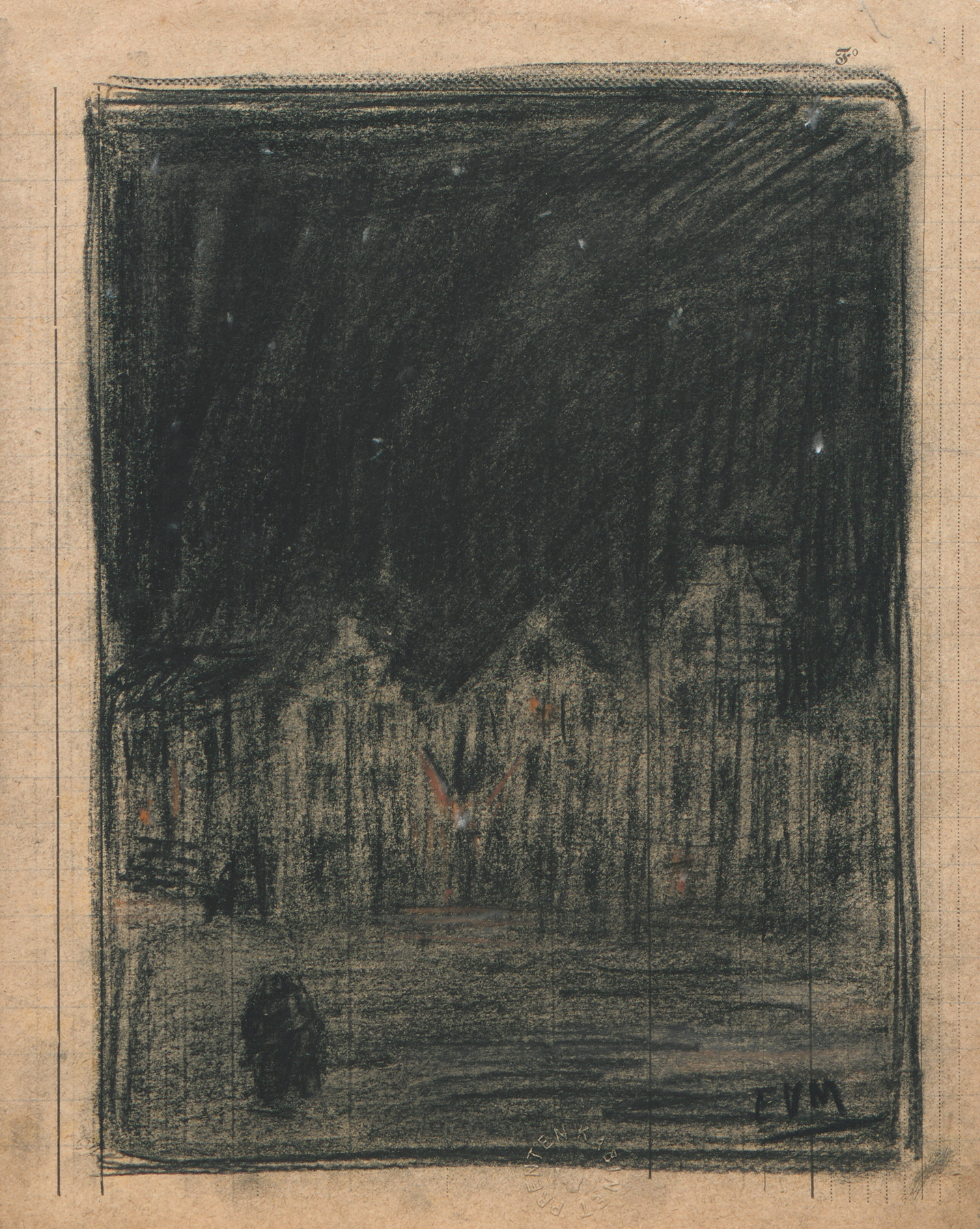
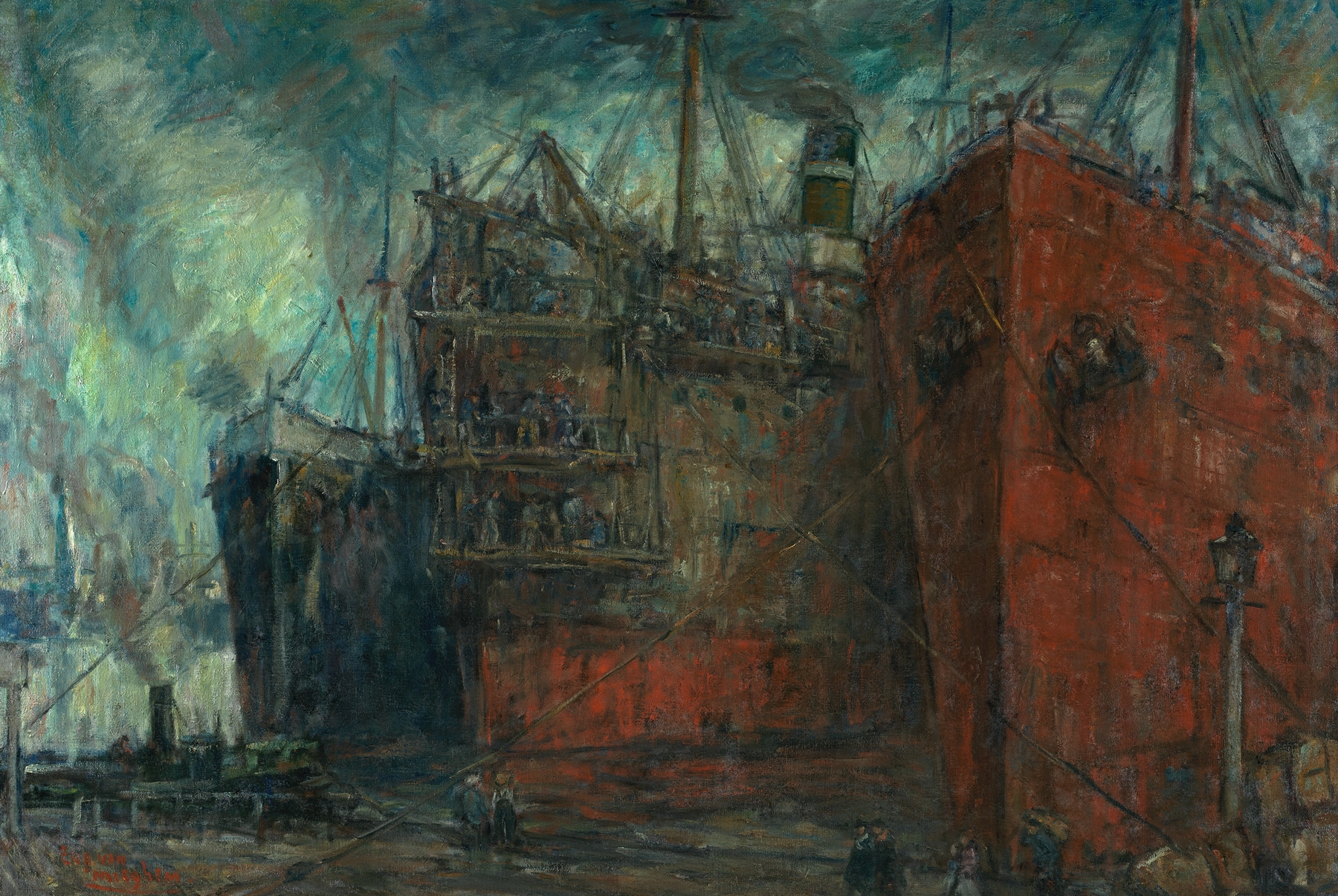
“Art reveals the soul when the world turns away.” In the depths of solitude, the essence of human experience often shines brightest, illuminating the shadows we navigate. Focus first on the somber figure at the center, a lone worker in a dilapidated environment. Notice how the muted color palette—grays and browns—mirrors the weight of isolation, wrapping around the subjects like a heavy blanket. The brushstrokes are both deliberate and expressive, capturing the laborer's toil while simultaneously evoking a sense of stillness that hangs in the air.
The slightly blurred edges hint at the uncertainty of the future, while the crispness of the figure brings an unsettling clarity to their struggle. As you delve deeper, consider the contrast between the solitary figure and the vast emptiness surrounding them. This artwork encapsulates not only the struggle of the individual but also the broader experience of many during this era. The bleak environment reflects the harsh realities faced by workers, drawing attention to the profound loneliness that often accompanied industrial progress.
Furthermore, the detailed portrayal of the worker's hands, rugged and worn, offers a glimpse into their life story, evoking empathy and connection amidst solitude. Painted between 1907 and 1917, this work emerged during a time of social upheaval in Belgium, as industrialization transformed urban landscapes. Eugeen Van Mieghem, deeply influenced by the working class's plight, sought to document their resilience and despair. This period marked a shift in artistic focus towards the human condition, capturing the essence of lives often overlooked in the march of progress.