
Graflegging — History & Facts
What if beauty was never meant to be finished? The delicate balance between the ephemeral and the eternal lies at the heart of this masterful work, inviting contemplation about the legacies we create. Focus on the intricate details within the figures portrayed, particularly the gaze of the central woman. Notice how her eyes seem to hold secrets, drawing the viewer in with an unspoken narrative. The soft, yet vibrant colors evoke a sense of warmth, while the meticulous brushwork showcases an artist’s commitment to capturing humanity’s fleeting nature.
The composition draws attention to the interplay of light and shadow, emphasizing the contours of the figures and the lush surroundings, breathing life into this timeless moment. Delve deeper, and you’ll uncover the emotional tension between allure and transience. The woman’s gentle yet haunting expression suggests both vulnerability and strength, reflecting the duality of beauty as both a gift and a burden. Surrounding elements, like the rich flora, symbolize the cycle of life and decay, contrasting with the stillness of the figures, which invites reflection on permanence amid impermanence. In 1509, Lucas Cranach painted this work during a time of transformation in the art world, marked by the rise of humanism and a shift towards more individualized expressions.
Working in Wittenberg, he was deeply influenced by the Reformation, which was beginning to reshape societal values, emphasizing the individual's relationship with art and beauty. Cranach's focus on portraiture and mythological themes laid the groundwork for a new legacy in Northern Renaissance art, capturing not only the aesthetics of his time but also the profound questions of existence and identity.
More Artworks by Lucas Cranach (I)
Browse all →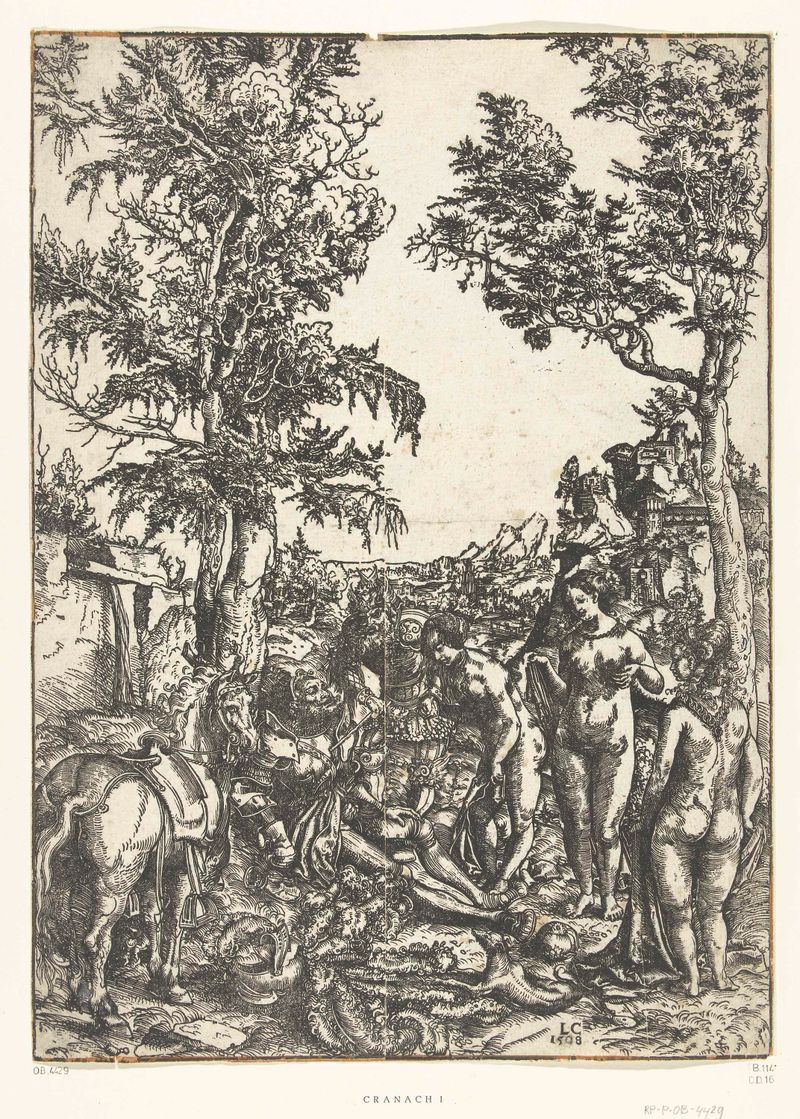
Oordeel van Paris
Lucas Cranach (I)
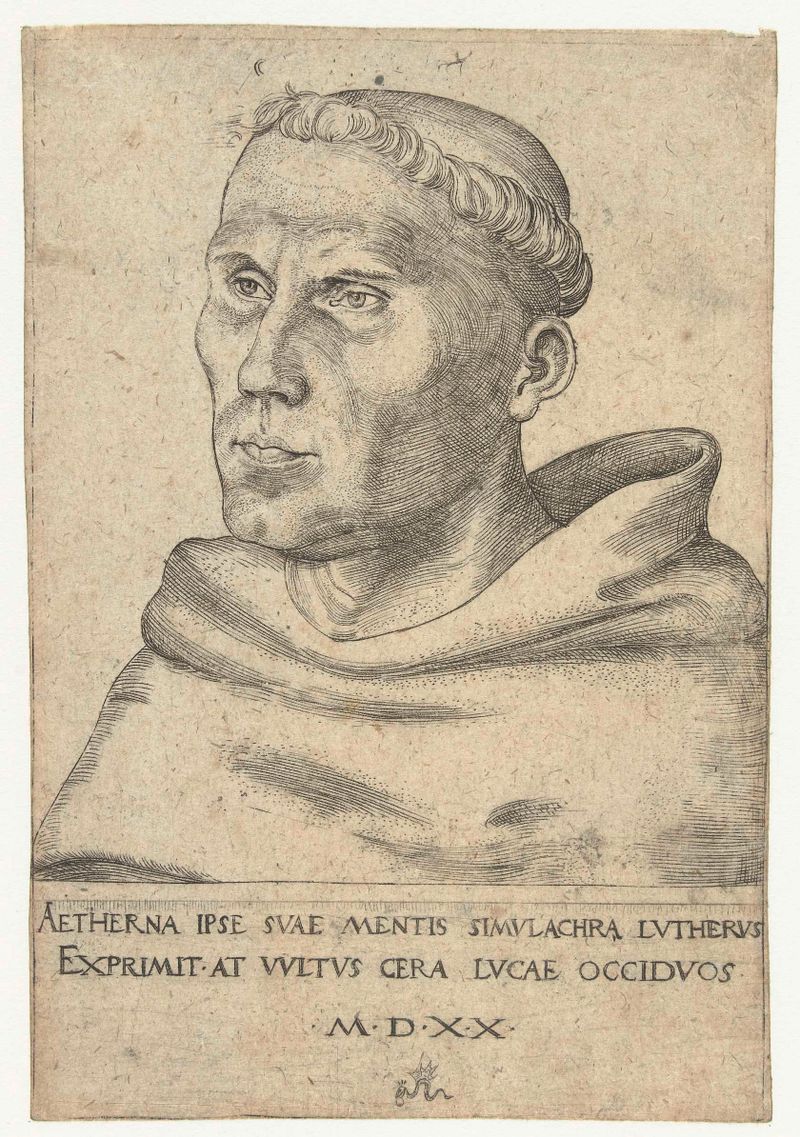
Portret van Martin Luther als Augustijner monnik
Lucas Cranach (I)
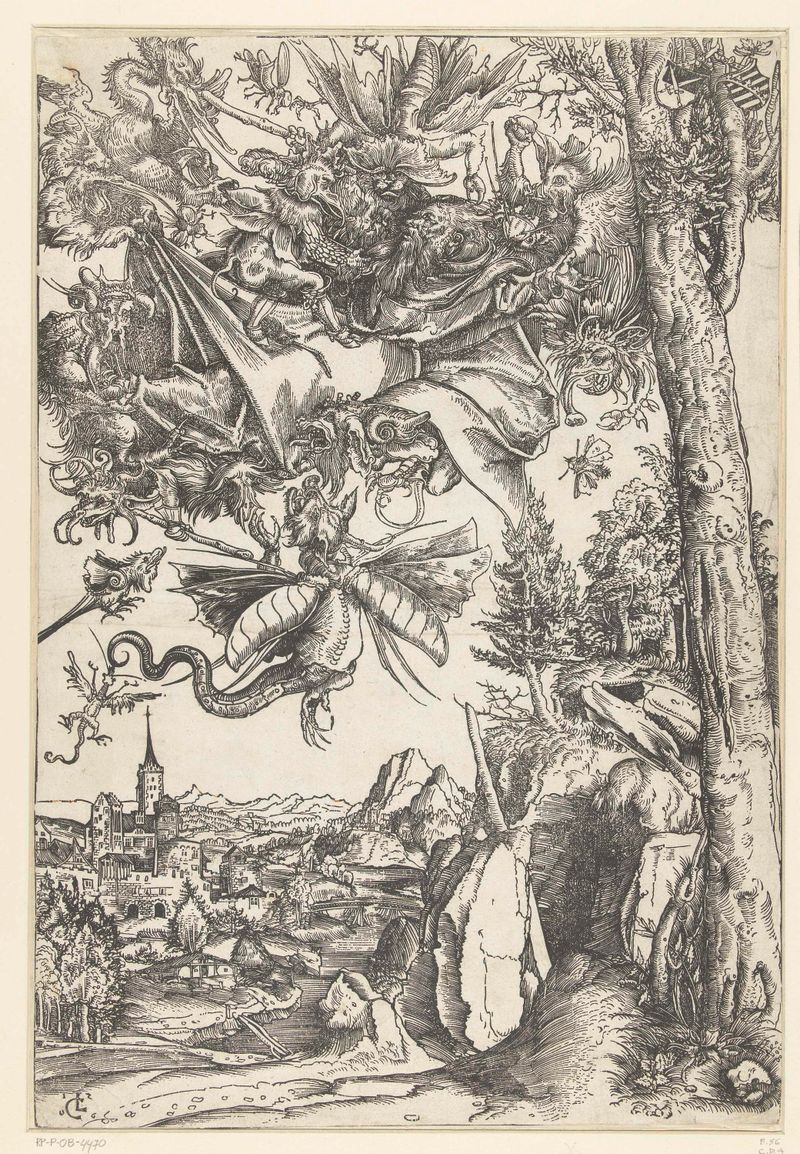
Verzoeking van Antonius met aanval door demonen
Lucas Cranach (I)

Christus en de Samaritaanse vrouw
Lucas Cranach (I)

Duits toernooi met twee edelmannen als ridders te paard
Lucas Cranach (I)
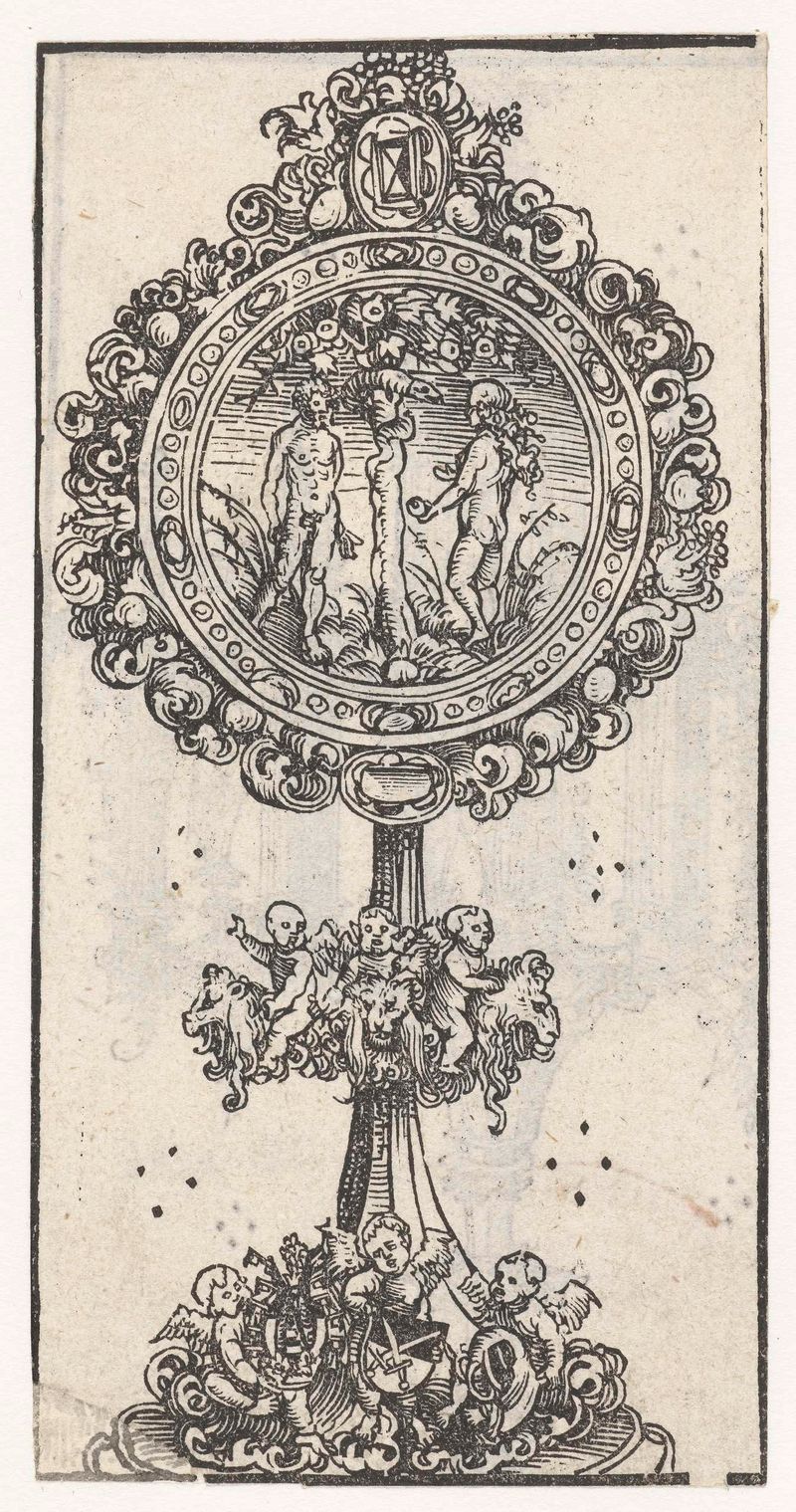
Reliekhouder met de verzoeking van Adam en Eva
Lucas Cranach (I)

Intocht van Christus in Jerusalem
Lucas Cranach (I)
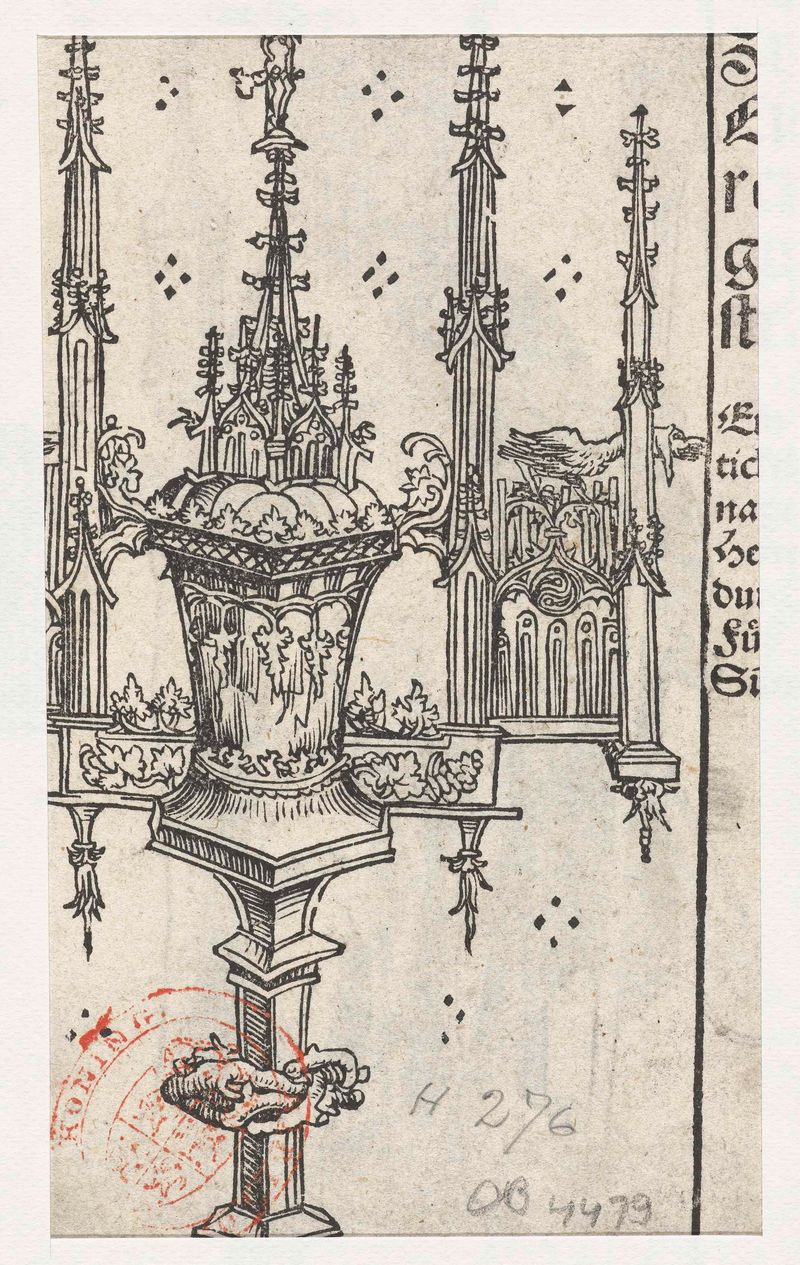
Monstrans met vogel (pelikaan)
Lucas Cranach (I)
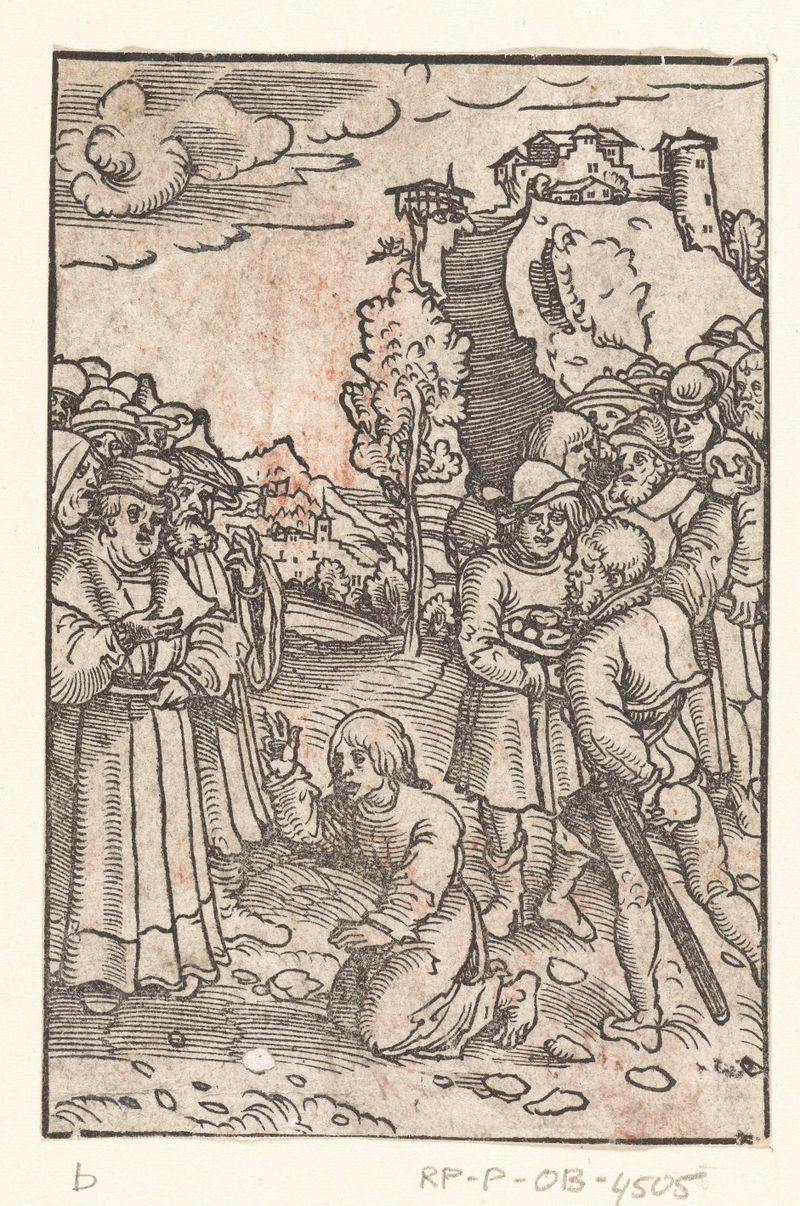
Steniging van Stefanus
Lucas Cranach (I)
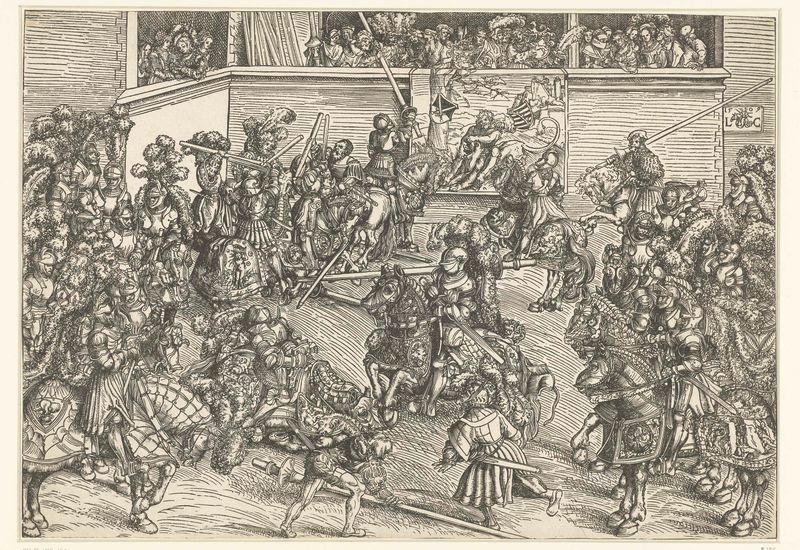
Toernooi van het keurvorstelijk hof van Saksen met wandtapijt Simson doodt de leeuw
Lucas Cranach (I)





