
Grain — History & Facts
In the quiet embrace of solitude, emotions linger like shadows, inviting viewers to reflect on their own lost moments. The soft, muted tones of Grain evoke a sense of melancholy, capturing the essence of introspection and the passage of time. Look to the left at the delicate, golden grains that sway gently in the breeze, their texture rendered with meticulous detail. Notice how the artist's brushstrokes create a rhythm that mimics nature itself, inviting your eye to dance across the canvas.
The warm palette of yellows and browns envelops the scene, while hints of green punctuate the background, grounding the viewer in a richly layered composition. Within this tranquil landscape lies a poignant contrast between abundance and yearning, as the lush fields suggest both fertility and loss. The gentle undulation of the grains suggests movement, yet the stillness of the scene evokes an ache of nostalgia for what was once vibrant and alive. This duality—life and absence—whispers softly, urging us to contemplate our own ephemeral experiences. In 1903, Jan Stanisławski painted Grain during a period marked by his growing interest in the Symbolist movement, which sought to express emotional truths through nature.
Working in Poland, he was immersed in a time of artistic innovation, seeking to capture the deep connections between the landscape and the human spirit. This work reflects not only his mastery of color and form but also the shifting cultural landscape of early 20th-century art.
More Artworks by Jan Stanisławski
Browse all →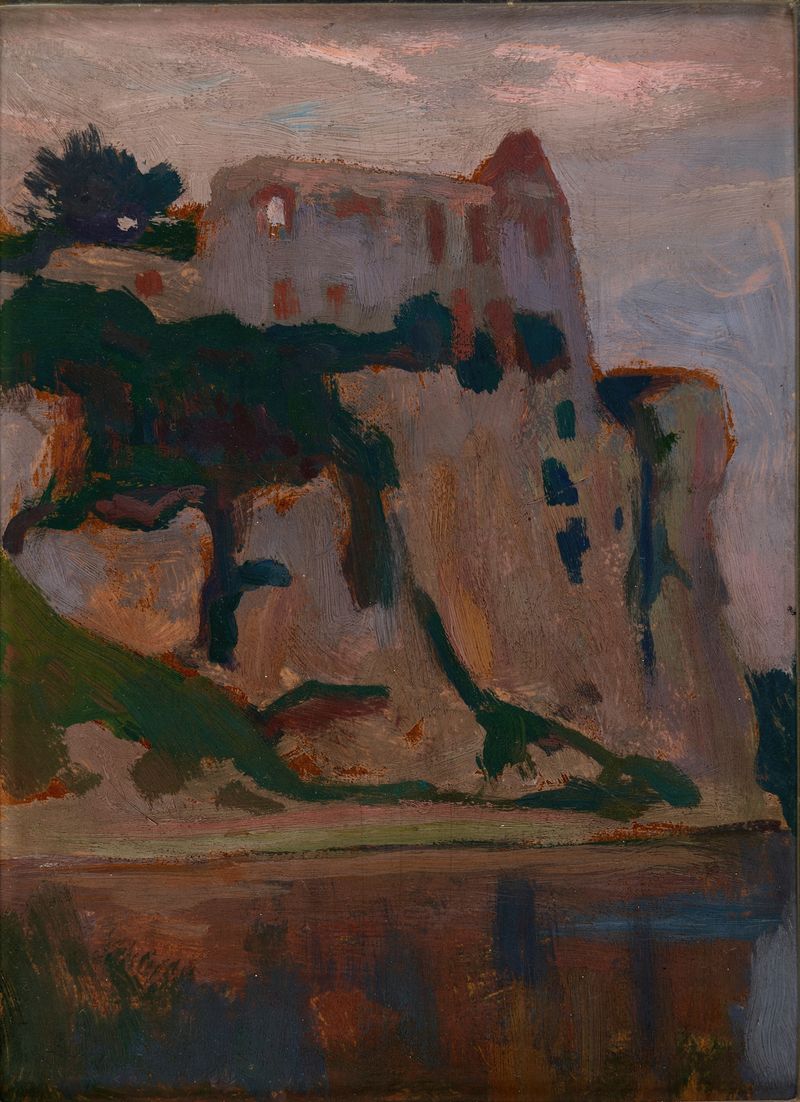
Tyniec at Dawn
Jan Stanisławski
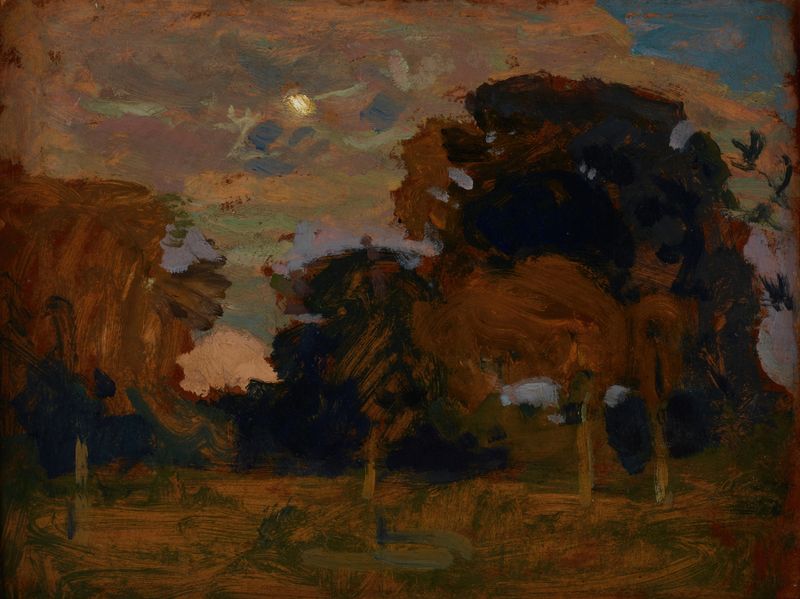
Moon in the Clouds
Jan Stanisławski
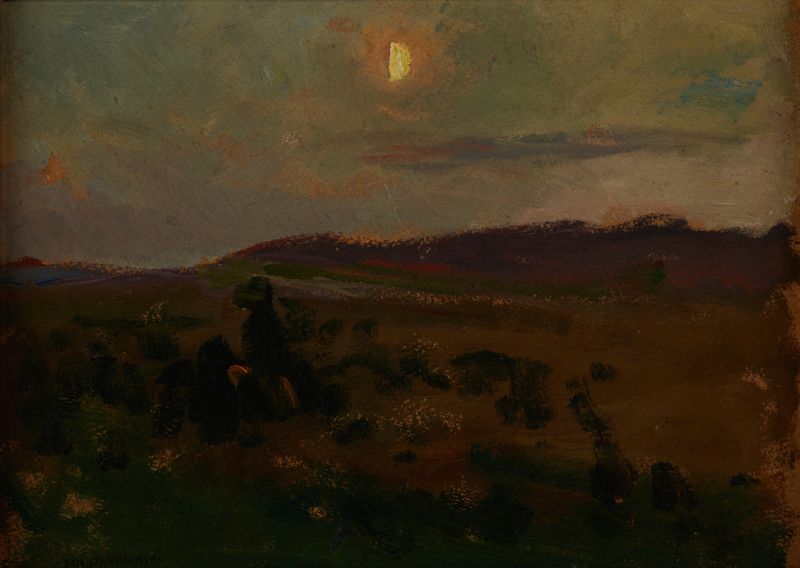
Moonrise
Jan Stanisławski
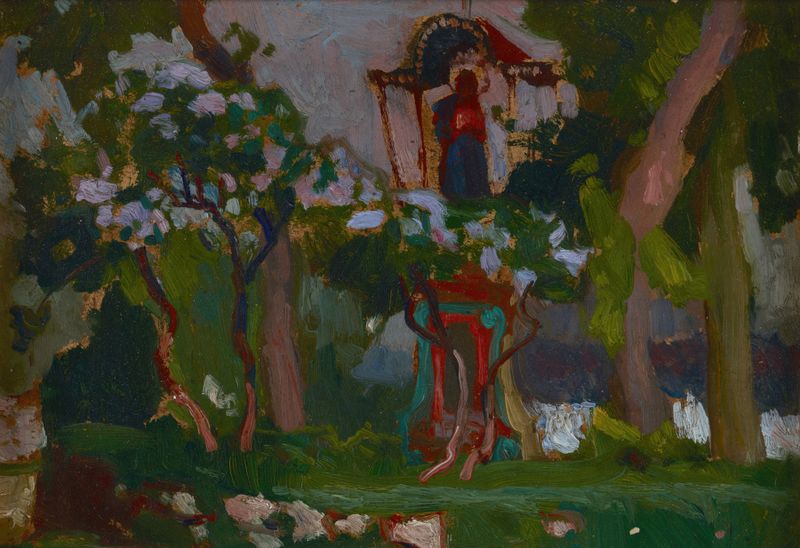
May
Jan Stanisławski
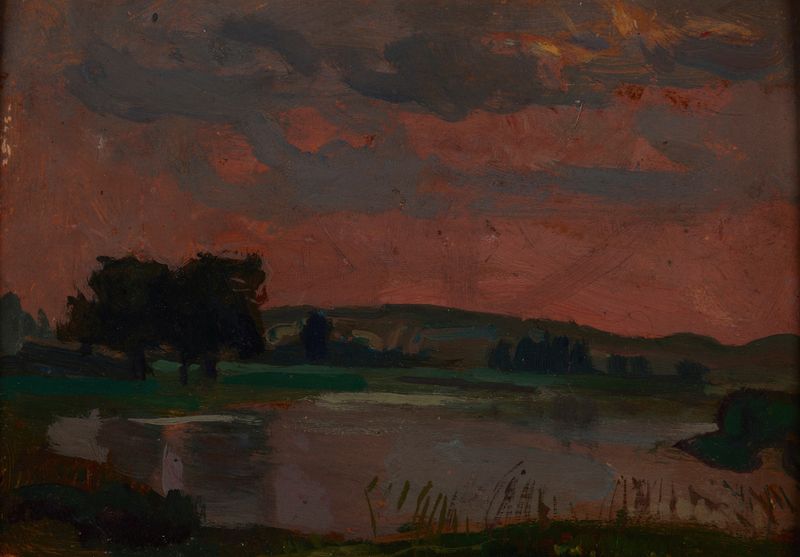
The Vistula in the Twilight
Jan Stanisławski
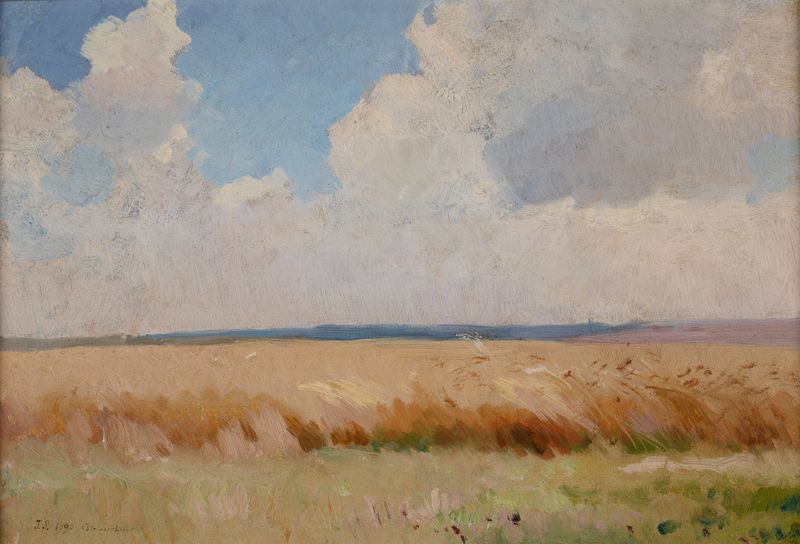
Field at Białocerkiew (Bila Tserkva)
Jan Stanisławski
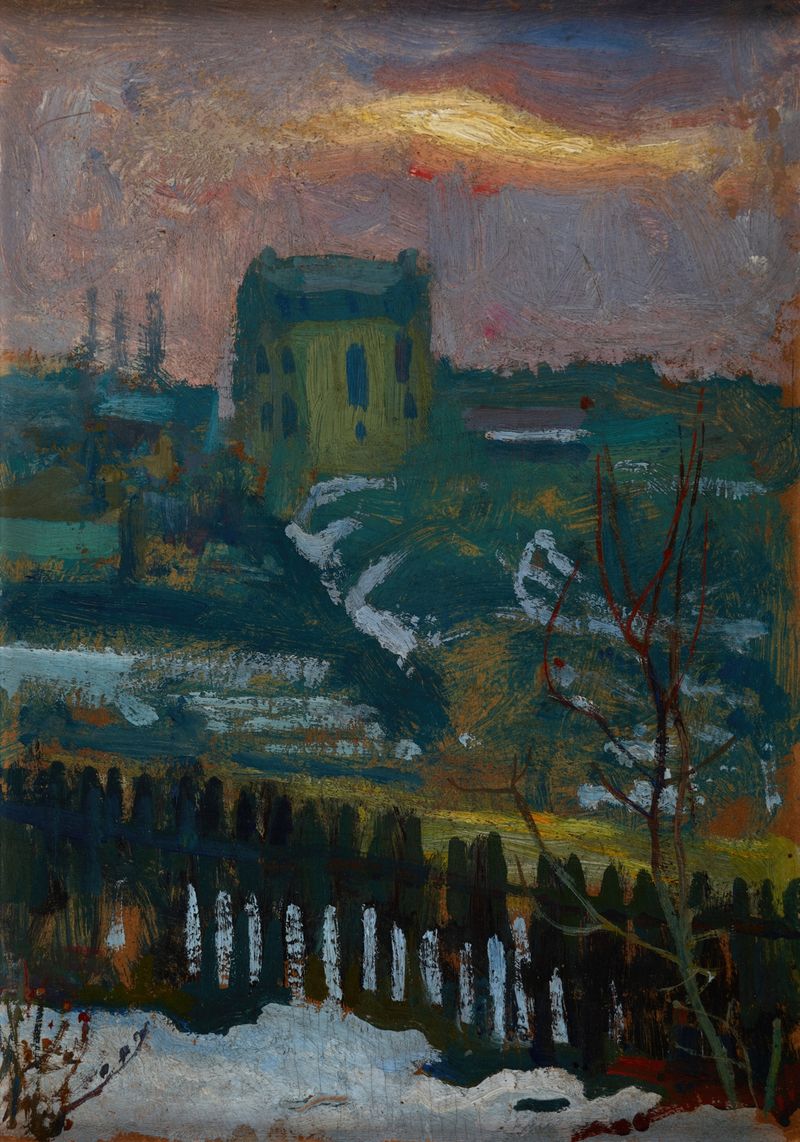
House in Winter
Jan Stanisławski
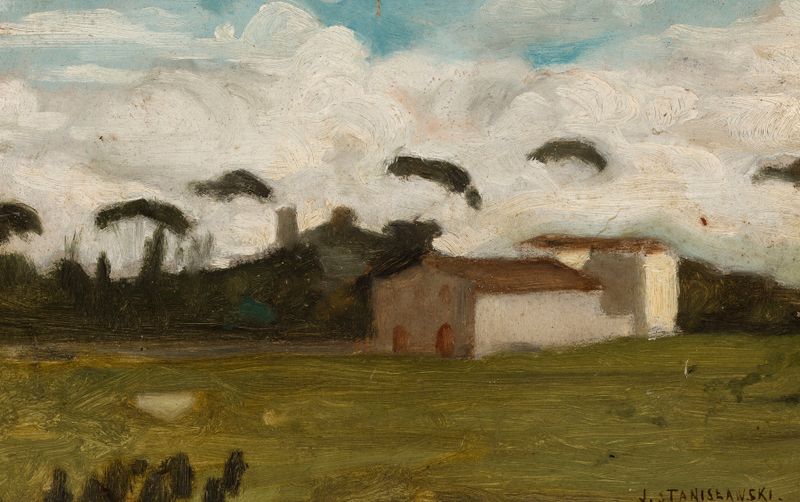
Landscape
Jan Stanisławski
Bielany at Dusk
Jan Stanisławski
Fields at Proszowice
Jan Stanisławski





