
Grammatica — History & Facts
In a world often marred by chaos, it is the quiet moments that reveal the heart of existence. Grammatica embodies this delicate balance, inviting viewers to peel back layers of complexity in both art and language. Look to the left at the figure of a woman immersed in a book, her brow furrowed in concentration. Notice the warm, earthy tones that envelop her, creating an intimate aura, contrasting sharply with the vibrant chaos of scattered letters and symbols around her.
The composition’s balance is striking; the stillness of her presence against the frenzy of disarray hints at the profound relationship between knowledge and disorder. Delve deeper into the scattered letters, which appear to dance around her, suggesting a tumultuous yet dynamic interplay of thoughts. The woman's stillness represents the pursuit of understanding amid this chaos, symbolizing the struggle between clarity and confusion that underpins language itself. The subtle play of light highlights her features, signifying enlightenment striving to emerge from the tumult, while shadows loom in the background, hinting at the transience of wisdom. Created between 1539 and 1543, Grammatica emerged during a time when the Renaissance was intensifying its embrace of humanism and intellectual exploration.
Georg Pencz, rooted in Nuremberg, found himself amidst a vibrant artistic community, grappling with the implications of language and knowledge in a world steadily evolving through reformative thought. The painting stands as both a personal reflection and a broader cultural commentary on the quest for understanding in a chaotic age.
More Artworks by Georg Pencz
Browse all →
Parabel van de zaaier
Georg Pencz

Parabel van de arbeiders in de wijngaard
Georg Pencz
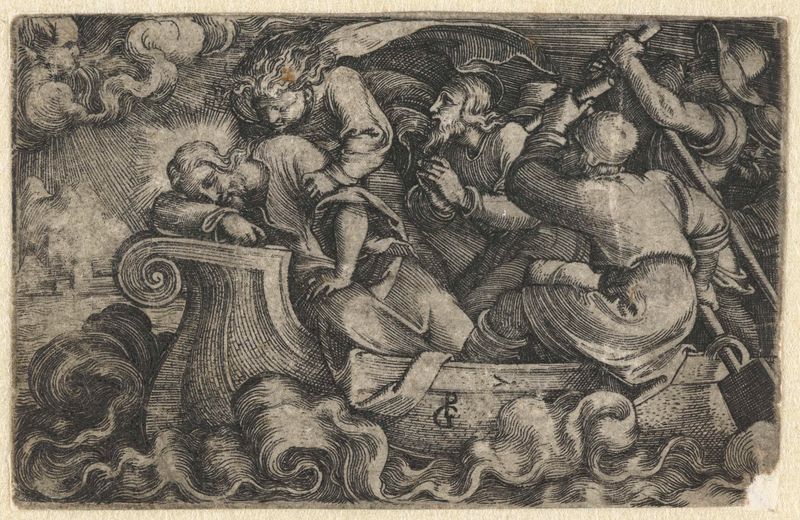
Discipelen wekken slapende Christus tijdens storm op Meer van Galilea
Georg Pencz

Afgunst (Invidia)
Georg Pencz
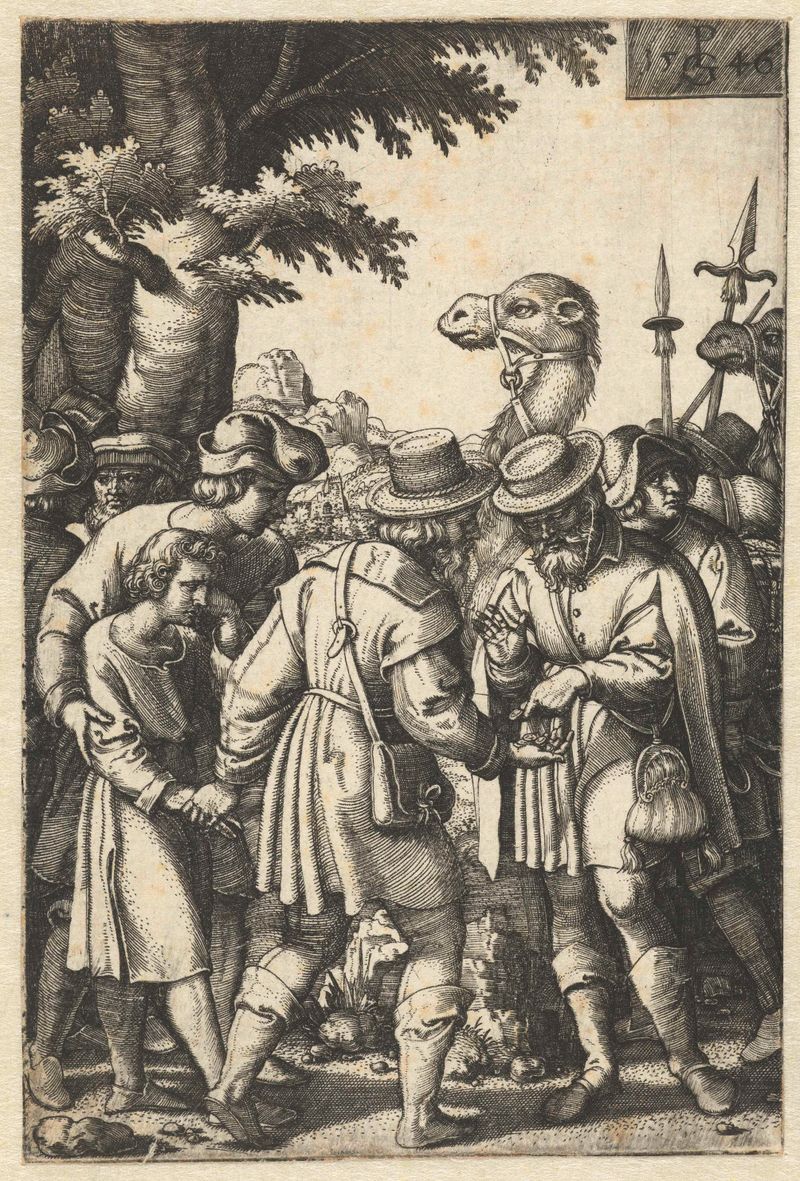
Jozef wordt verkocht aan kooplieden op weg naar Egypte
Georg Pencz

Aanbidding der koningen
Georg Pencz
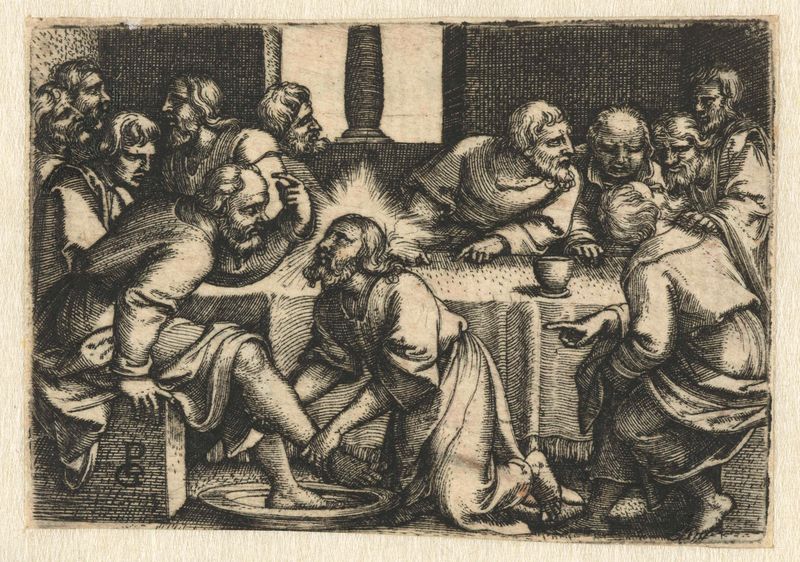
Petrus protesteert als Christus zijn voeten wast
Georg Pencz
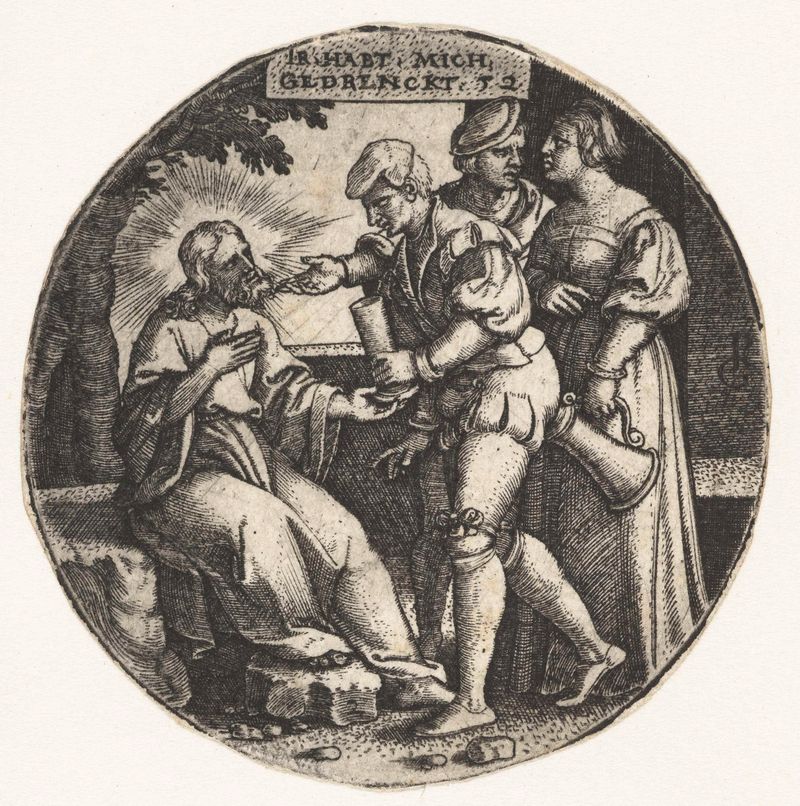
Christus heeft dorst en krijgt drinken aangeboden
Georg Pencz
Ongelovige Thomas raakt wonden Christus aan
Georg Pencz

Offer van Abraham van Isaak
Georg Pencz





