
Grammatica — History & Facts
Can beauty exist without sorrow? In Grammatica, Georg Pencz invites us to ponder this timeless question, weaving a tapestry of knowledge and emotion that resonates through the ages. Focus on the central figure, a poised woman draped in rich fabrics, her expression a blend of wisdom and melancholy. Notice how the light caresses her face, illuminating her delicate features, while shadows play across the open book in her hands. The meticulous detail in her attire and the soft glow of the background suggest a world steeped in intellectual pursuit, yet the woman’s distant gaze hints at unspoken burdens, creating a tension between enlightenment and the weight of knowledge. Delve deeper into the subtleties of Pencz’s composition.
The juxtaposition of the vibrant colors of the woman’s robe against the muted tones of her surroundings embodies the struggle between aspiration and reality. The book she clutches symbolizes enlightenment, yet its pages remain unread, foreshadowing the notion that pursuing beauty may come at a personal cost. Each brushstroke reveals layers of complexity, echoing the journey of learning—simultaneously illuminating and isolating. Georg Pencz created this piece between 1539 and 1543 during a time of significant intellectual and artistic exploration in the Renaissance.
Working in Nuremberg, he was influenced by the humanist movement that celebrated education and the classics. Yet, like many of his contemporaries, he grappled with the paradox of knowledge and its often burdensome nature, a theme that permeates much of his work and the era’s broader dialogue.
More Artworks by Georg Pencz
Browse all →
Parabel van de zaaier
Georg Pencz

Parabel van de arbeiders in de wijngaard
Georg Pencz
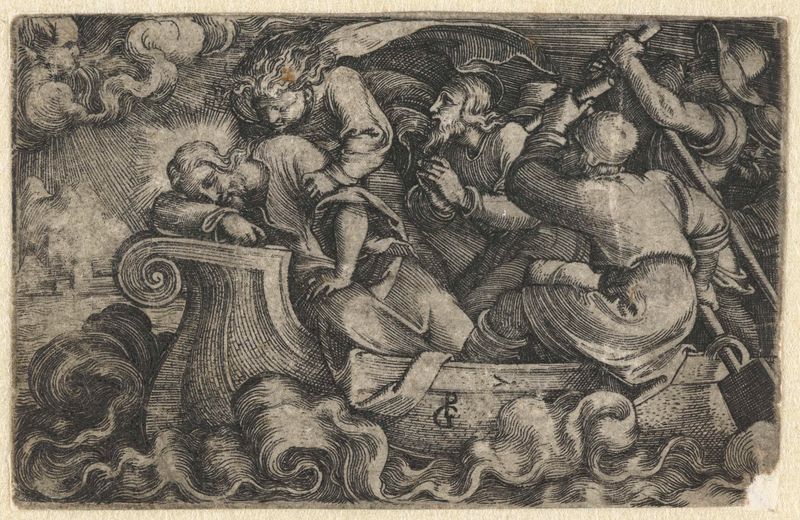
Discipelen wekken slapende Christus tijdens storm op Meer van Galilea
Georg Pencz

Afgunst (Invidia)
Georg Pencz
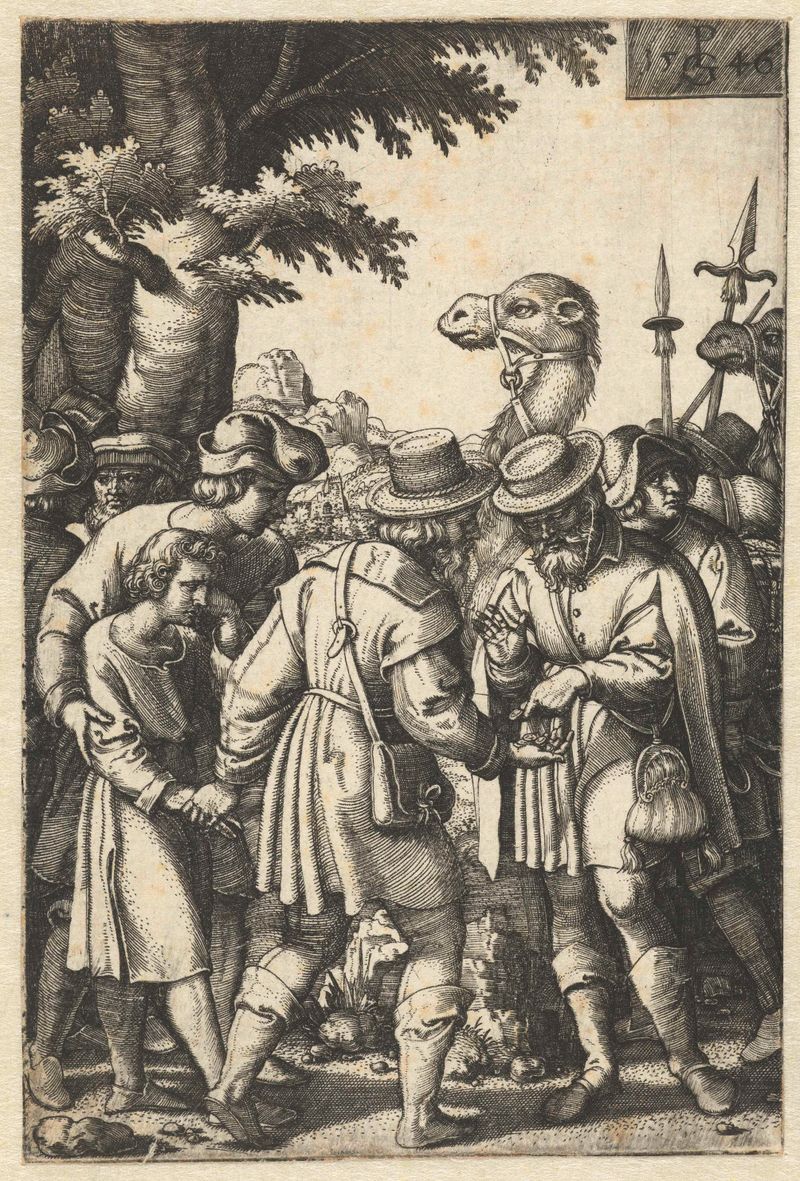
Jozef wordt verkocht aan kooplieden op weg naar Egypte
Georg Pencz

Aanbidding der koningen
Georg Pencz
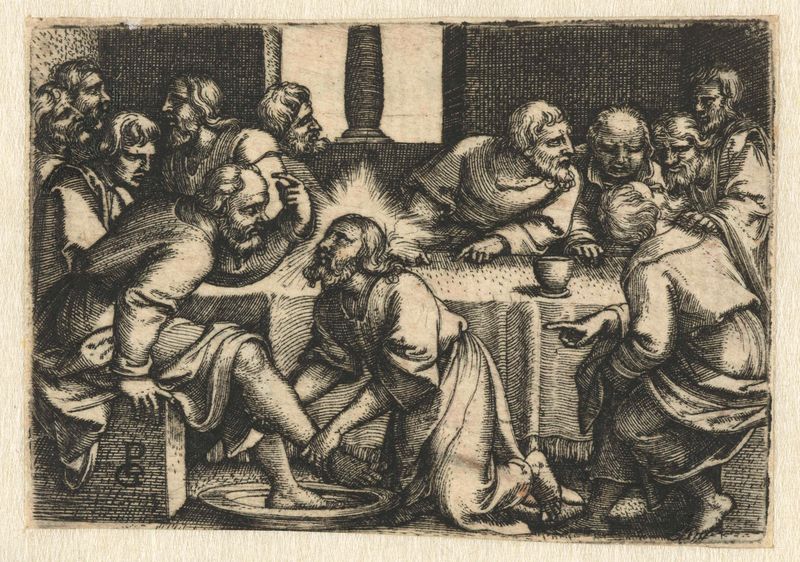
Petrus protesteert als Christus zijn voeten wast
Georg Pencz
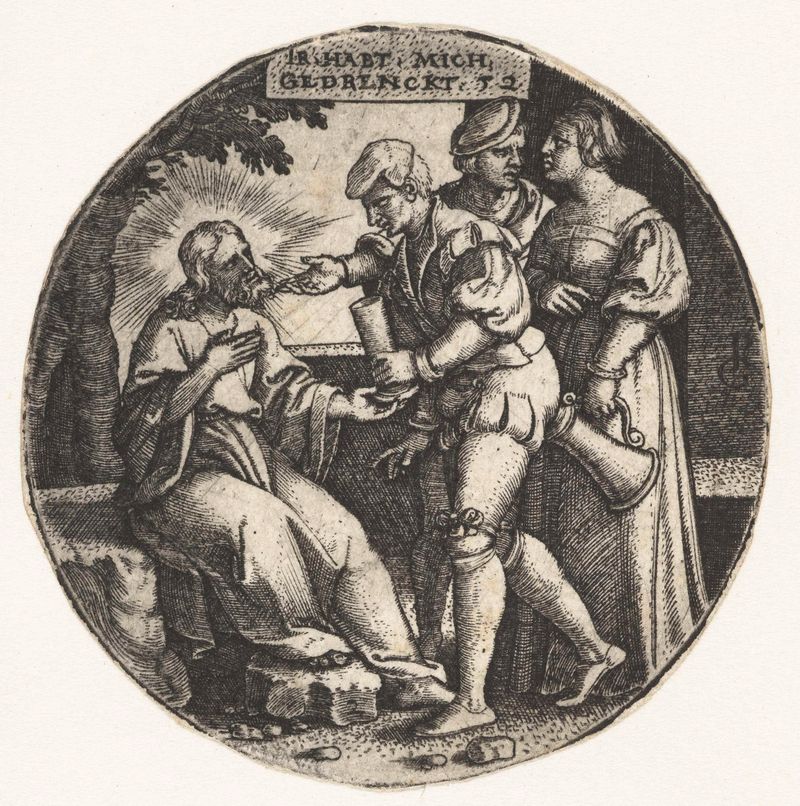
Christus heeft dorst en krijgt drinken aangeboden
Georg Pencz
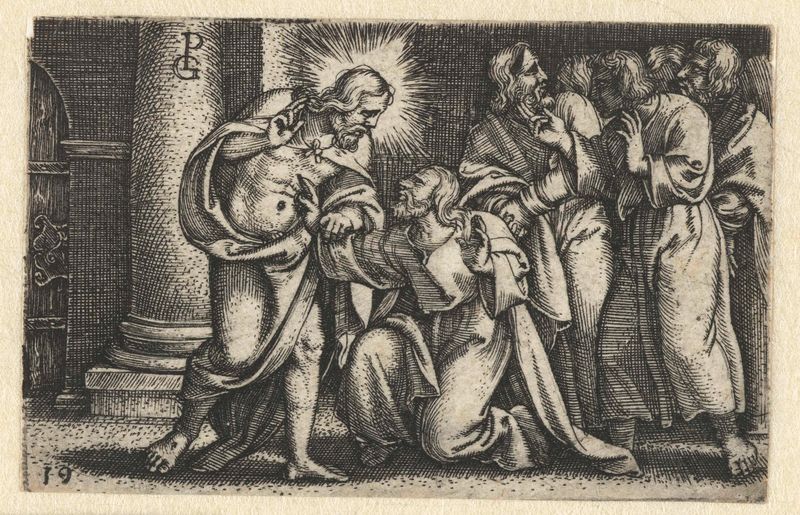
Ongelovige Thomas raakt wonden Christus aan
Georg Pencz

Offer van Abraham van Isaak
Georg Pencz





