
Grand Canal from Palazzo Balbi towards the Rialto — History & Facts
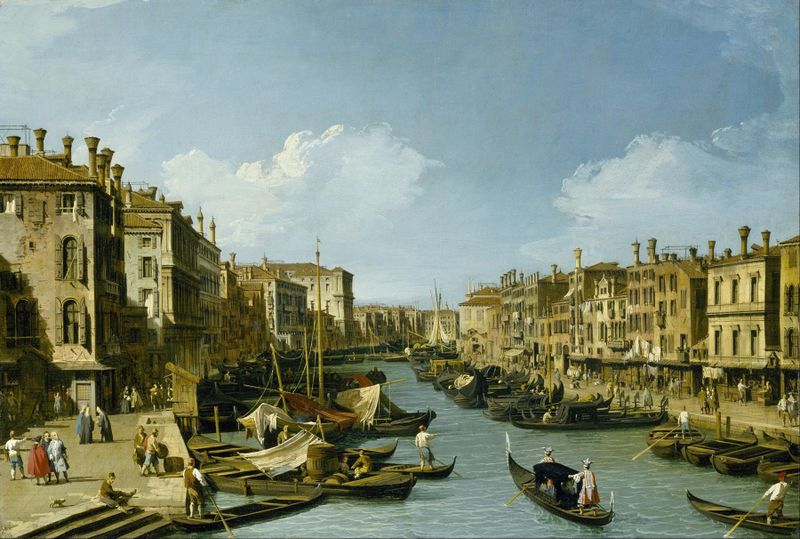
When did color learn to lie? The vibrant hues of the Grand Canal dance upon the water’s surface, enticing the viewer with an illusion that feels almost revolutionary. Look to the left at the elegant façade of the Palazzo Balbi, its warm ochre tones kissed by a soft glow of afternoon light. The architectural precision captures a moment frozen in time, while boats gliding smoothly through the canal draw your eye toward the iconic Rialto Bridge. Notice how the reflections in the water ripple and shimmer, distorting the image above — a delicate play between reality and representation, coaxing you to question what lies beneath the surface. This composition pulsates with life, revealing hidden tensions beneath its tranquil exterior.
The bustling activity of merchants and locals contrasts with the serene beauty of the architecture, suggesting both prosperity and the relentless passage of time. These figures, small yet vibrant, embody the spirit of an era on the brink of transformation, their movements hinting at the broader social shifts igniting the city of Venice. During the early 1720s, the artist captured this scene amidst a vibrant art scene in Venice, a city thriving on commerce and cultural exchange. As a skilled practitioner of vedute, Canaletto embraced the emerging fascination with realism and perspective in art, reflecting the grandiosity of baroque architecture while subtly hinting at the changing tides of society.
This period marked a revelation not just for him, but for the artistic landscape, as viewers began to appreciate the interplay of light and color in entirely new ways.
More Artworks by Canaletto
Browse all →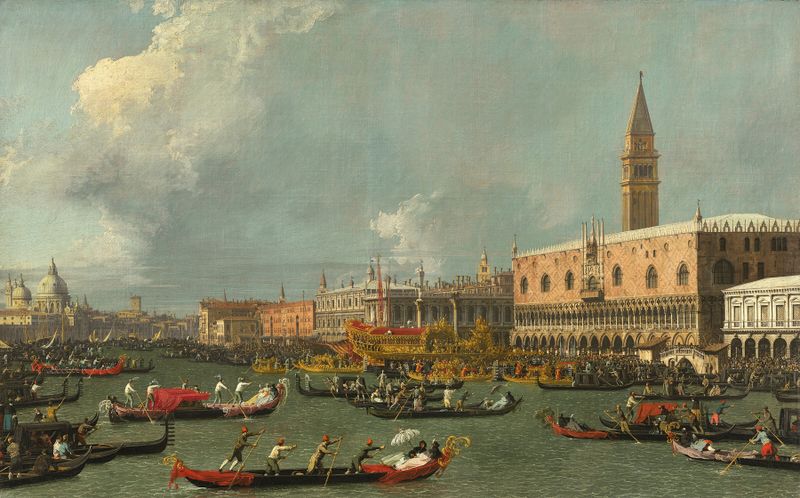
Venice, the Return of the Bucintoro on Ascension Day
Canaletto
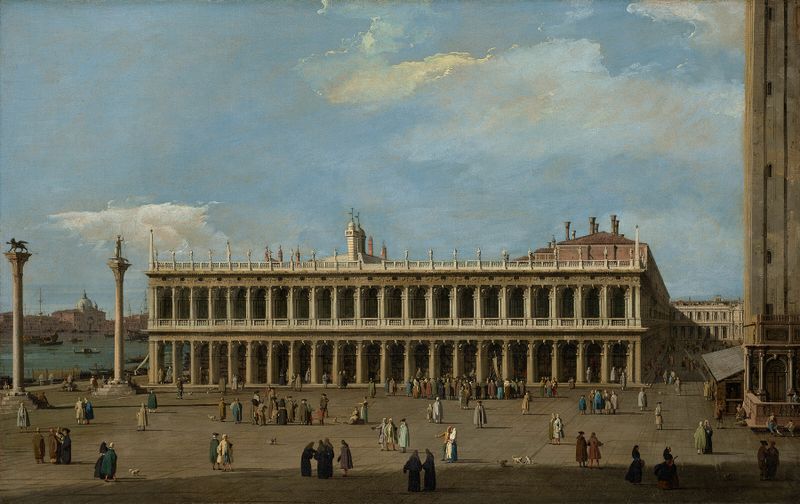
Venice, the Piazzetta, looking west, with the Libreria
Canaletto
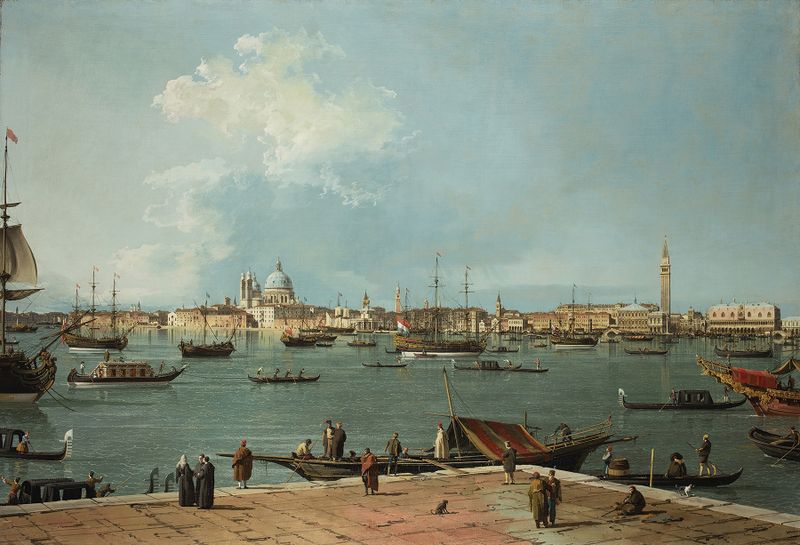
Venice, the Bacino di San Marco from San Giorgio Maggiore
Canaletto
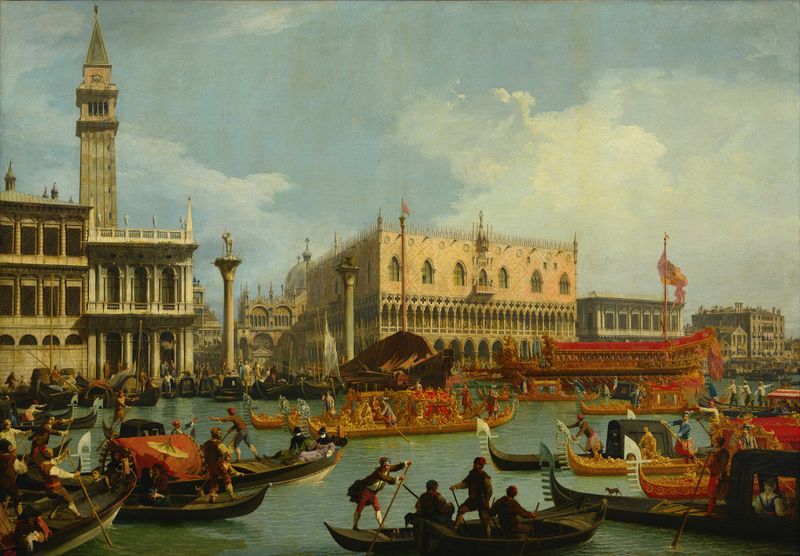
The Bucintore Returning to the Molo on Ascension Day
Canaletto
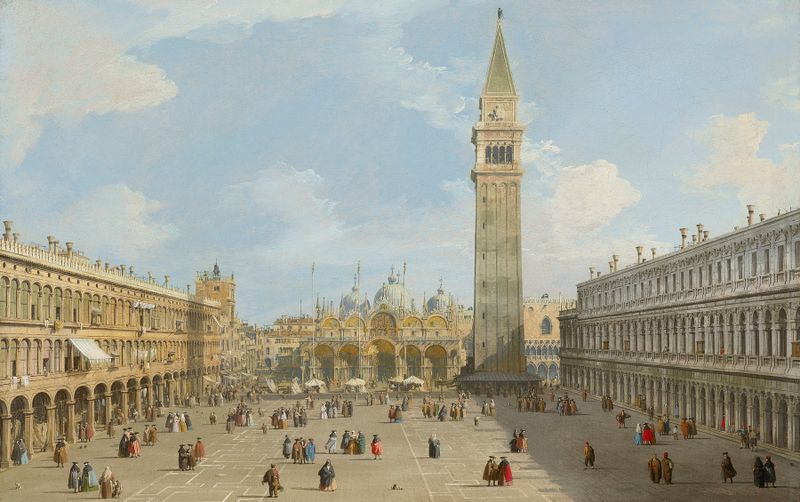
The Piazza San Marco, Venice, looking east towards the basilica
Canaletto
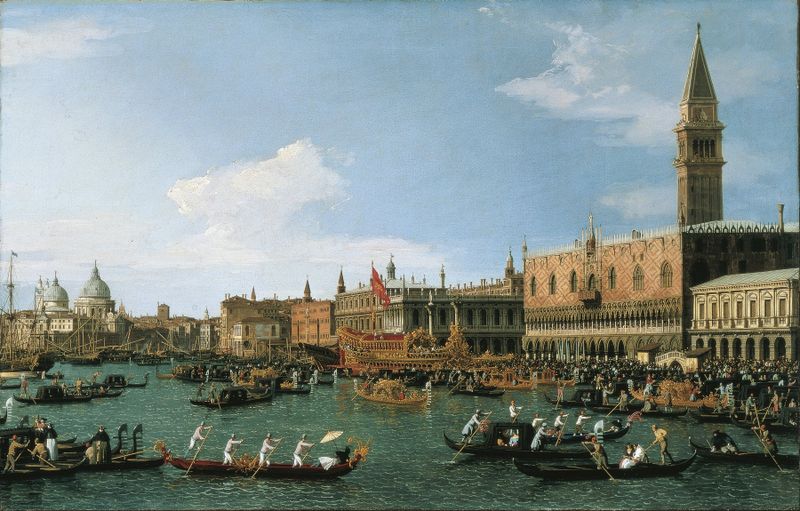
Return of ‘Il Bucintoro’ on Ascension Day
Canaletto
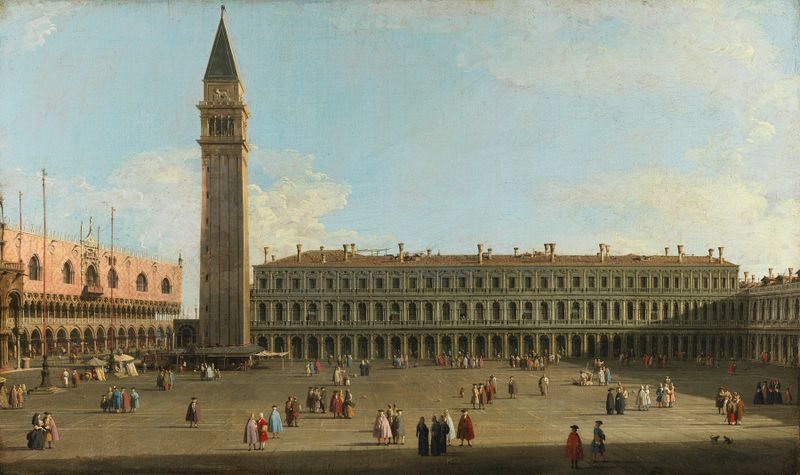
Saint Mark’s Square, Venice
Canaletto
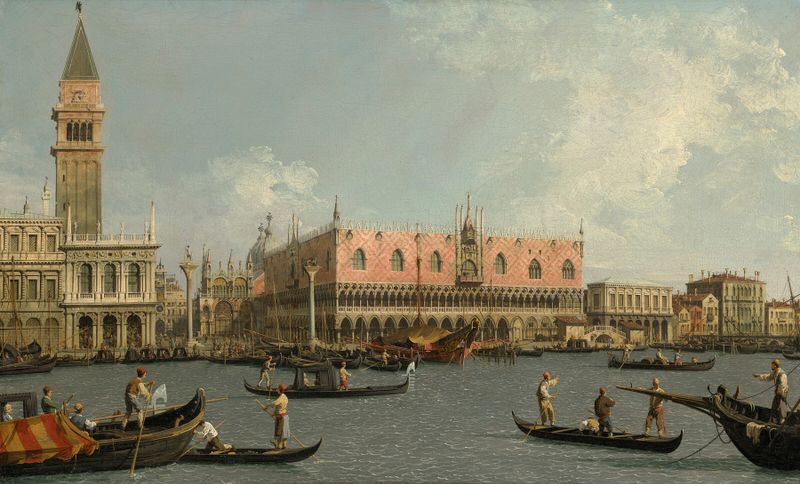
The Molo, with the Piazzetta and the Doge’s Palace, from the Bacino
Canaletto

The Entrance to the Grand Canal, Venice
Canaletto
The Grand Canal near the Rialto Bridge, Venice
Canaletto





