
Graveyard of S. Johannis — History & Facts
What first draws the eye in Graveyard of S. Johannis is not a dramatic event or a gathering of mourners, but the quiet, ordered geometry of a late medieval landscape. The low horizon grants the sky a vast, gentle dominance, its pale wash setting a mood of calm distance.
The cluster of half-timbered houses and the church, ringed by a sturdy wall, seem to huddle together for protection, their sharp roofs and neat façades echoing the careful structure of a community shaped by both faith and necessity. Trees rise behind the walls, their dark foliage anchoring the scene and casting cool shadows that hint at the passage of time. The subtle play of green fields and receding blue hills draws the viewer’s gaze outward, suggesting a world both intimate and expansive. Painted circa 1489, this work belongs to a moment in German art when landscape was beginning to claim its own importance, no longer just a backdrop for saints or stories but a subject worthy of close observation.
Albrecht Dürer was still a young man, absorbing the lessons of his Nuremberg surroundings and the new possibilities of watercolor and perspective. Such images were often created for private contemplation or as records of familiar places, their quiet precision reflecting both pride and nostalgia. Though the specific history of this piece is elusive—documented here only as part of the Kunsthalle Bremen’s collection and known through a 1984 scan—its careful rendering invites us to linger, to imagine the lives behind those walls, and to let our eyes wander again across the fields and sky.
More Artworks by Albrecht Dürer

Melancholia
Albrecht Dürer

St. George and the dragon.
Albrecht Dürer
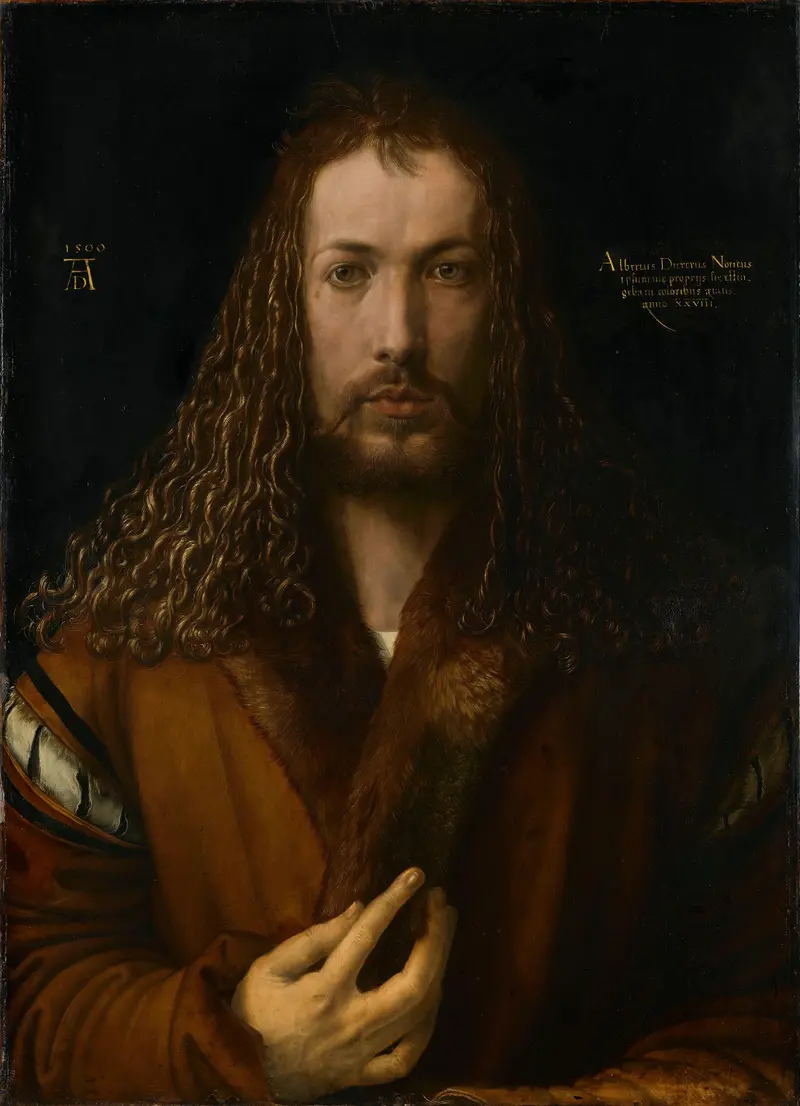
Self-Portrait with Fur-Trimmed Robe
Albrecht Dürer

Wing of a European Roller
Albrecht Dürer
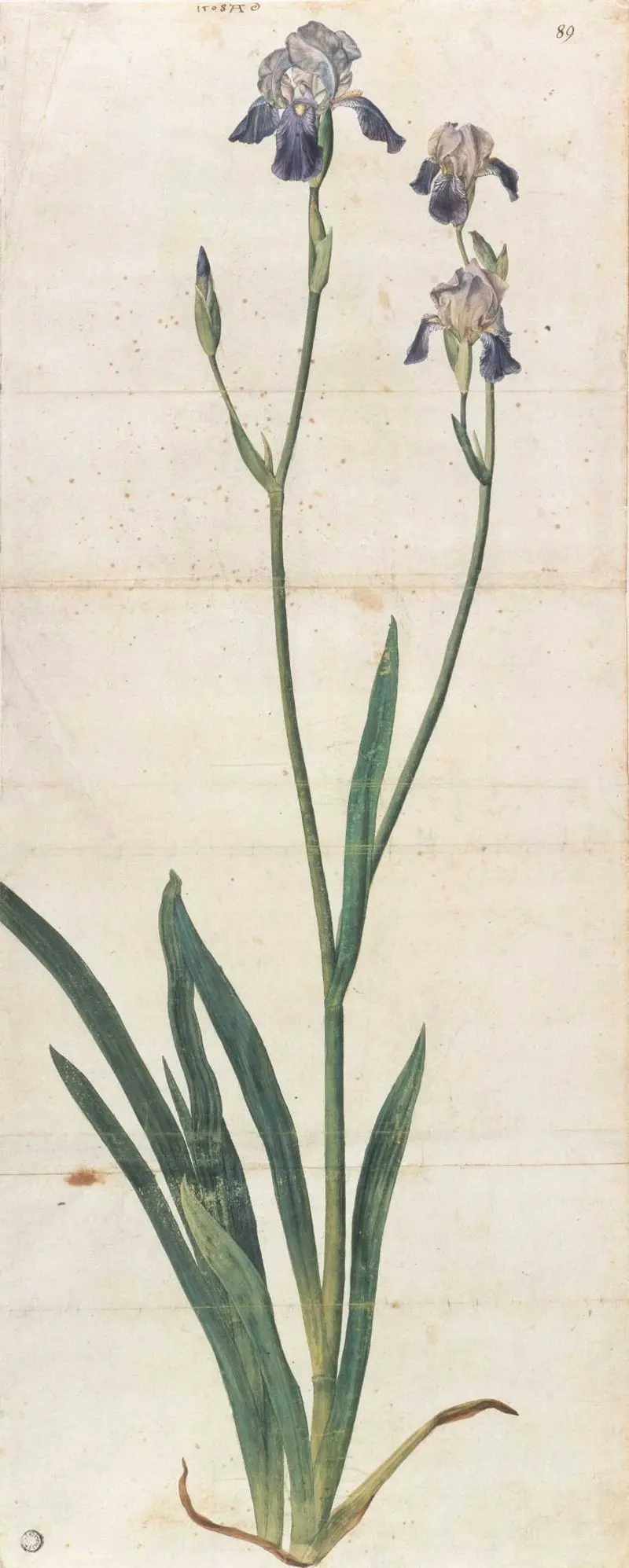
Iris
Albrecht Dürer
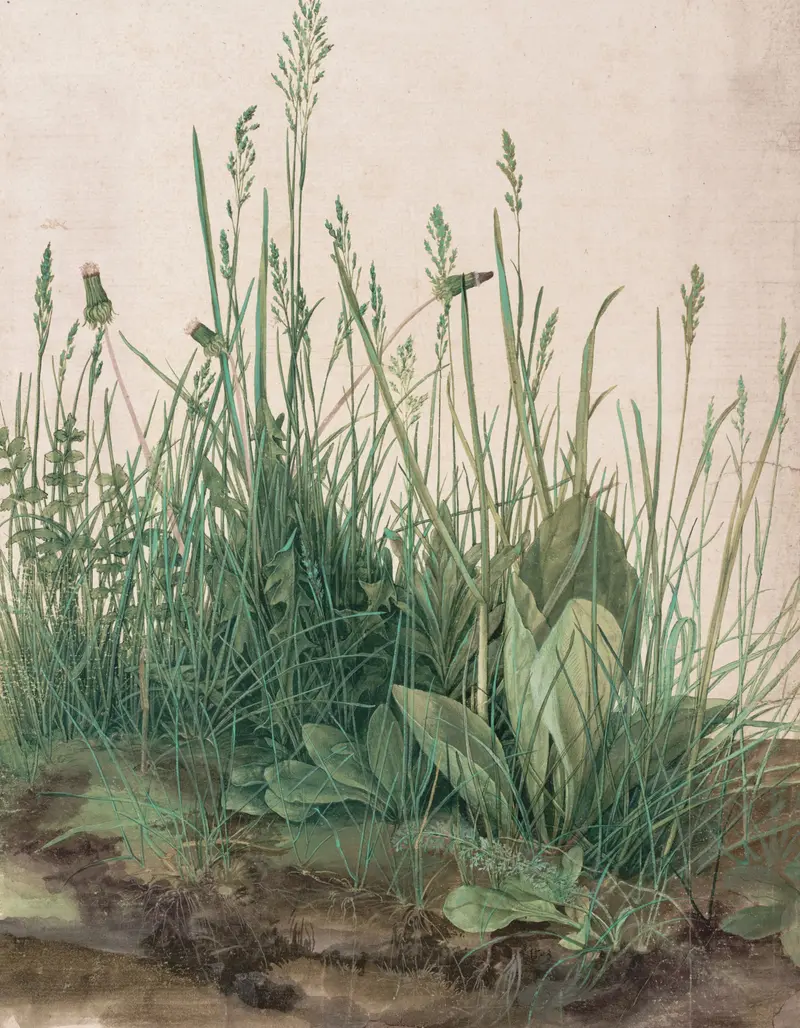
The Great Piece of Turf
Albrecht Dürer
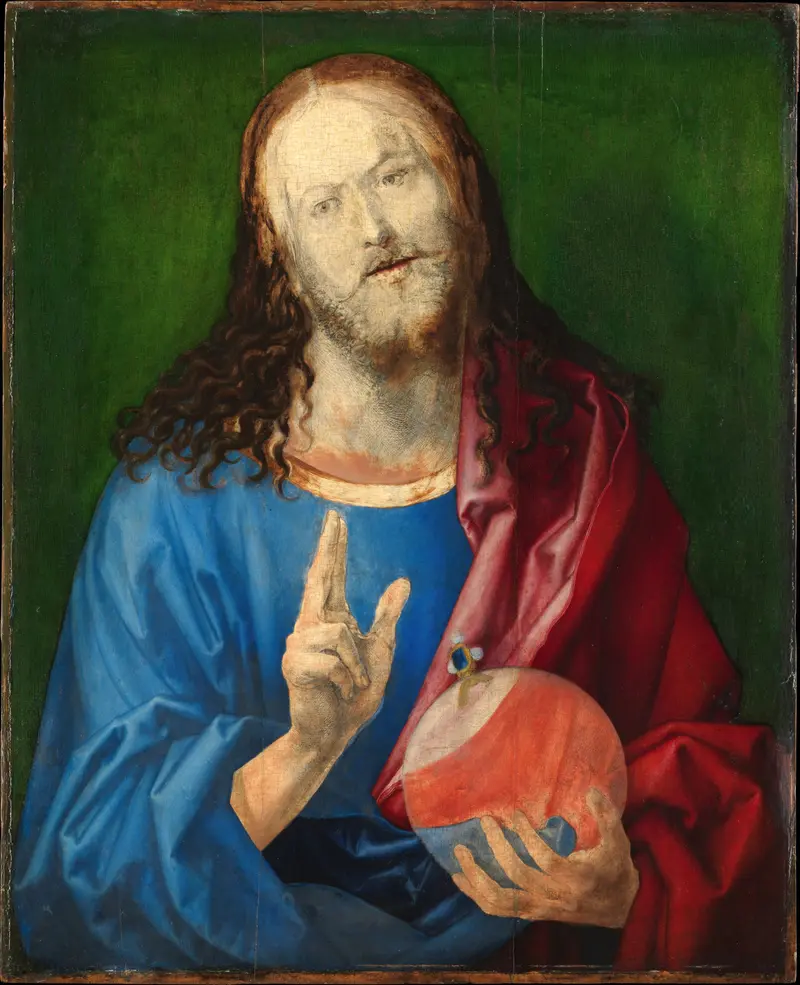
Salvator Mundi
Albrecht Dürer
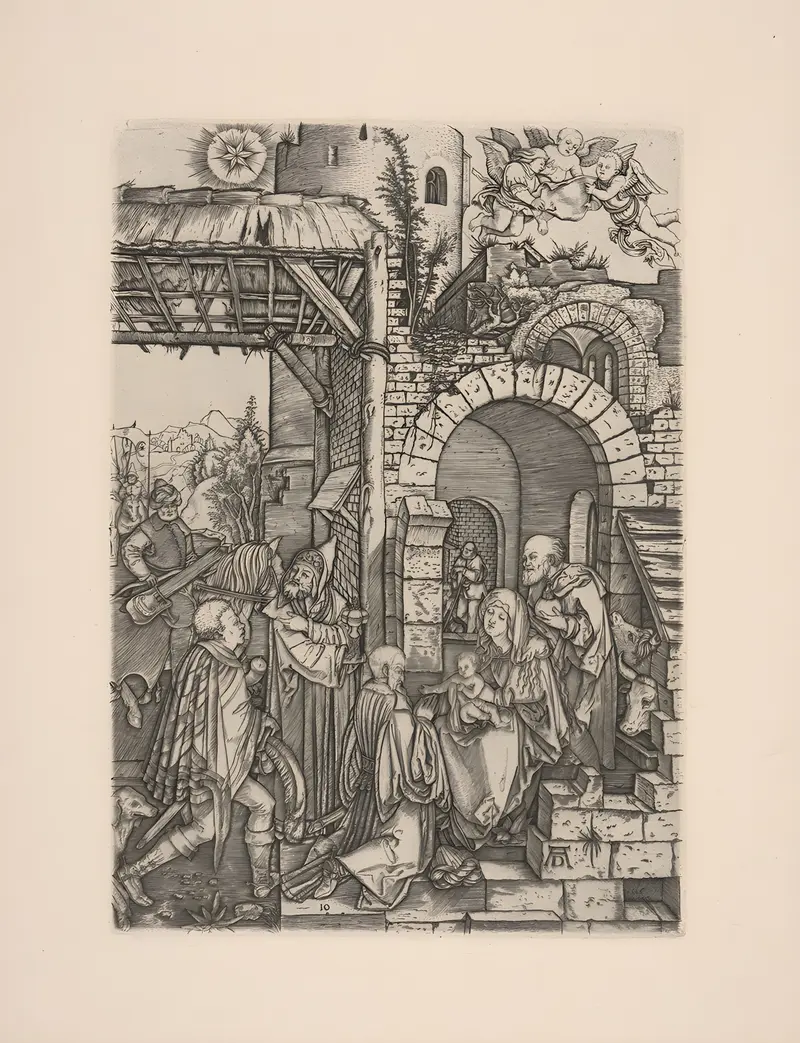
The Adoration of the Magi
Albrecht Dürer

Young Hare
Albrecht Dürer
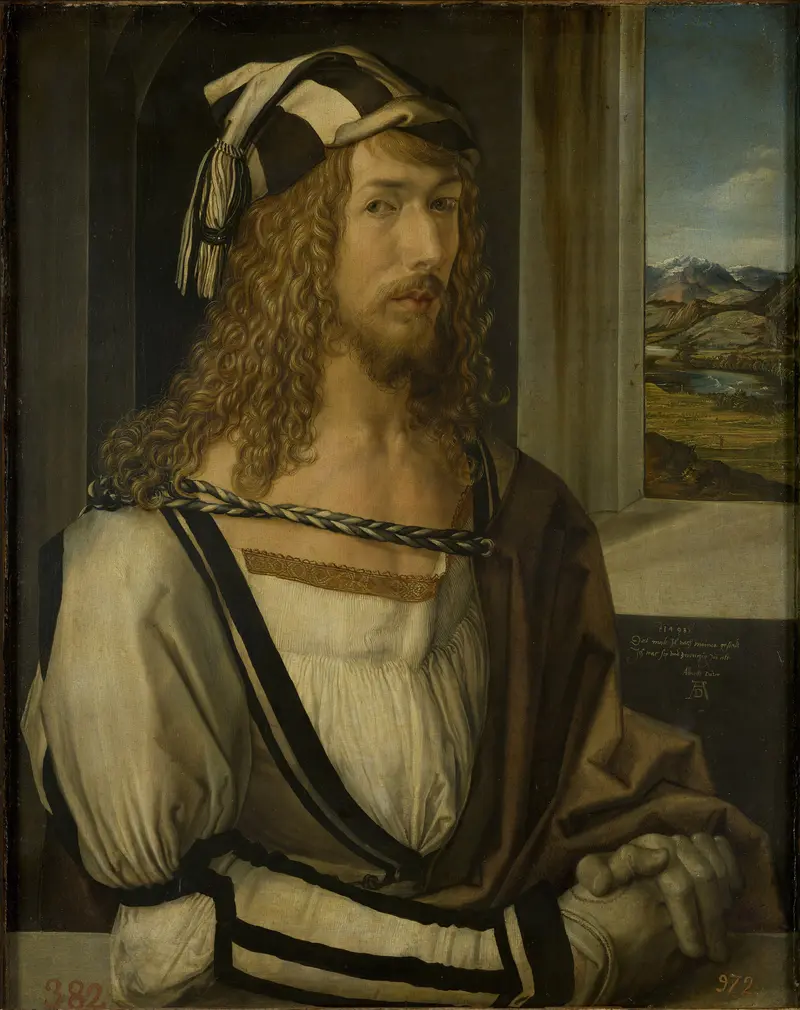
Self-portrait
Albrecht Dürer
More Landscape Art

The Starry Night
Vincent van Gogh

View of Delft
Johannes Vermeer

Water Lilies
Claude Monet

The Grand Canal, Venice, looking north-west from the Ca' Corner to the Ca' Contarini degli Scrigni, with the campanile of Santa Maria della Carità
Canaletto

Windsor Castle
Canaletto

The Grand Canal looking North-East from the Palazzo Dolfin-Manin to the Rialto Bridge
Canaletto