
Gray Day on the Esopus — History & Facts
What secret hides in the quiet of the canvas? Each brushstroke whispers a tale of fate, woven into the fabric of nature’s tranquil embrace. Look to the horizon where muted grays and soft blues merge, beckoning you into the serene landscape. The painting features a gentle river flanked by trees, their branches reaching out like tentative hands. Notice how the subtle variations in light dance across the surface of the water, capturing the fleeting moment just before dusk.
The artist employs a palette that leans towards the somber, yet it is this very choice that evokes a sense of calm, inviting contemplation and introspection. In the foreground, a solitary figure stands, almost blending into the landscape, embodying the duality of human existence against the vastness of nature. There is a palpable tension here, the juxtaposition of the individual against the expansive yet gray sky, suggesting themes of solitude and the inexorable passage of time. The stillness of the scene hints at destiny, urging us to ponder the intersection of personal journeys with the broader strokes of the universe. Jasper Francis Cropsey created Gray Day on the Esopus in 1882, during a period when the Hudson River School was celebrated for its romantic portrayal of American landscapes.
At the time, he was exploring the themes of light and atmosphere in his work, reflecting both his artistic evolution and the broader movement toward celebrating nature as a source of inspiration and transcendence.
More Artworks by Jasper Francis Cropsey
Browse all →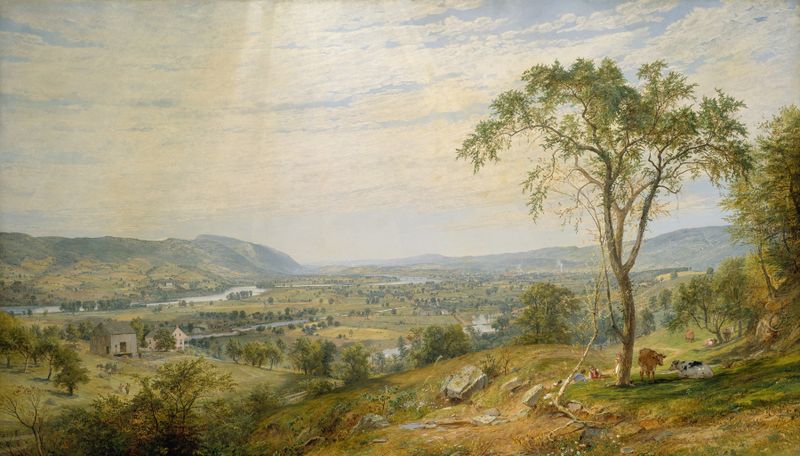
The Valley of Wyoming
Jasper Francis Cropsey
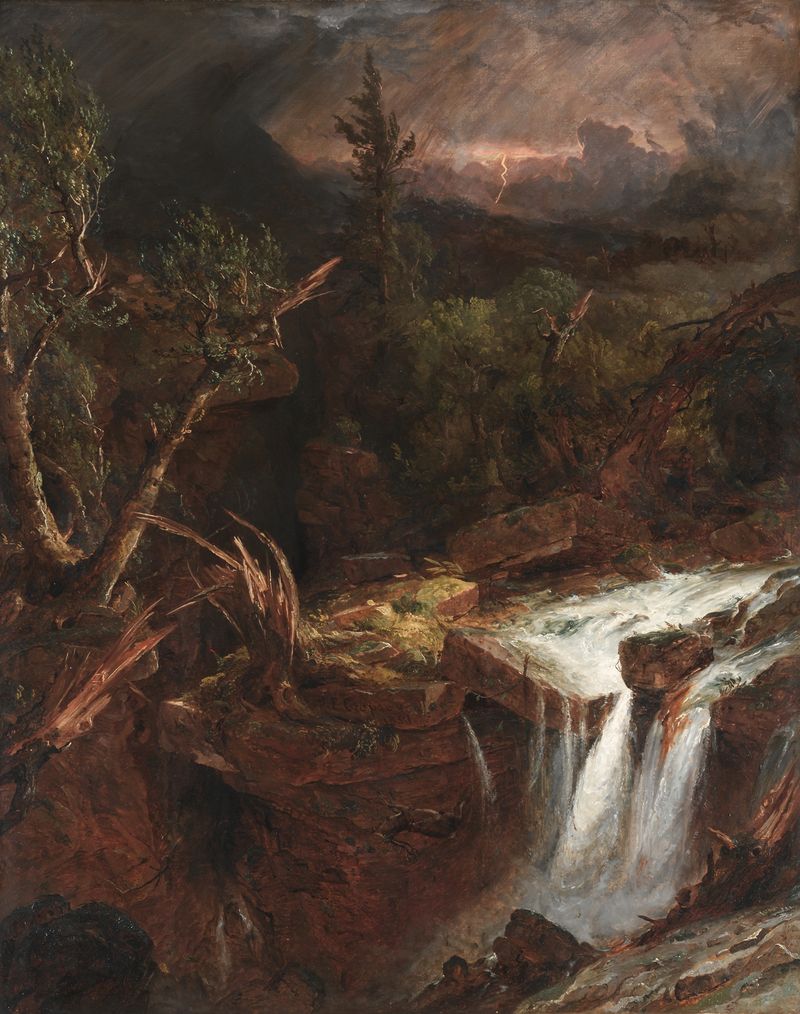
The Clove – A Storm Scene in the Catskill Mountains
Jasper Francis Cropsey
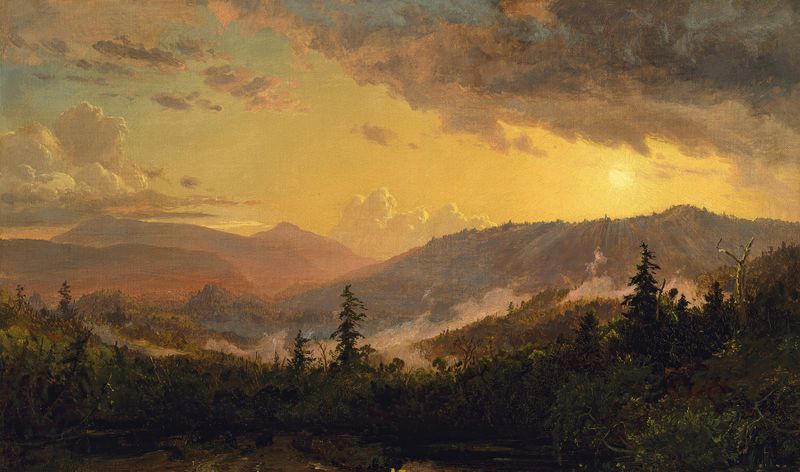
Sunset after a Storm in the Catskill Mountains
Jasper Francis Cropsey
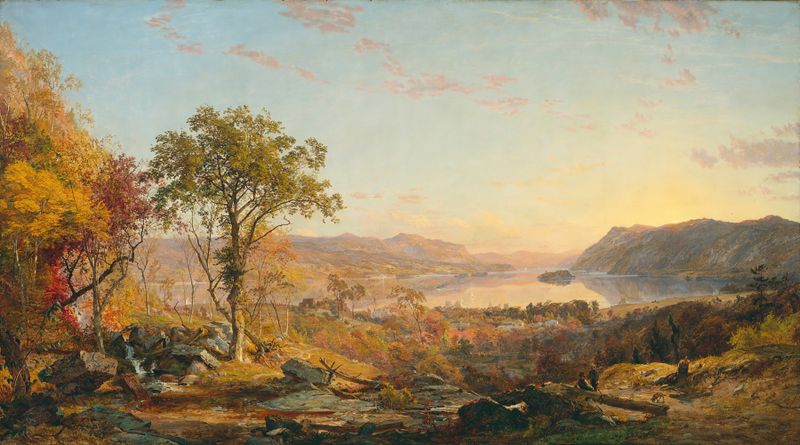
Indian Summer
Jasper Francis Cropsey

Autumn On The River
Jasper Francis Cropsey
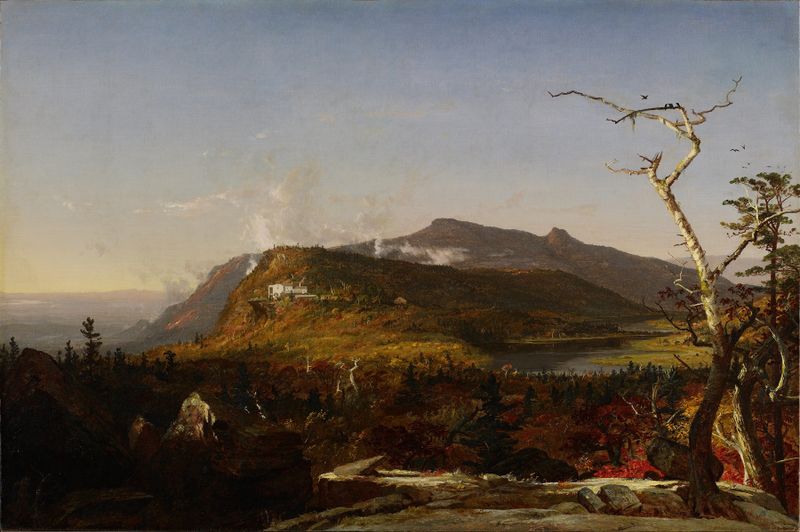
Catskill Mountain House
Jasper Francis Cropsey
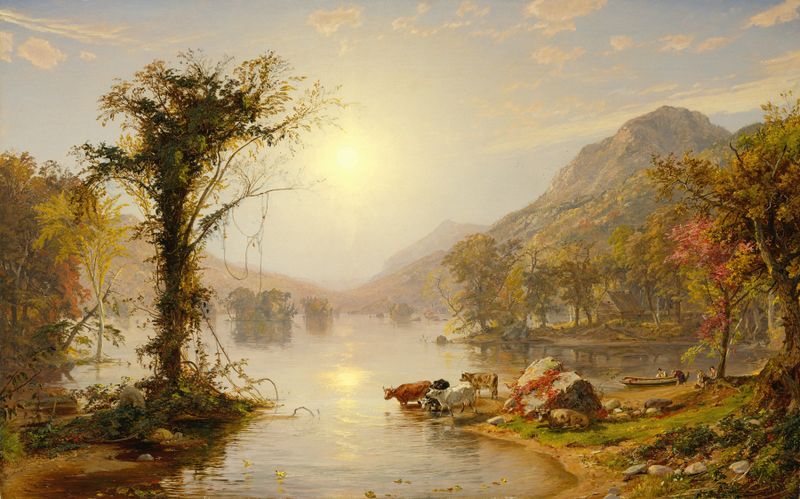
Autumn on Greenwood Lake
Jasper Francis Cropsey
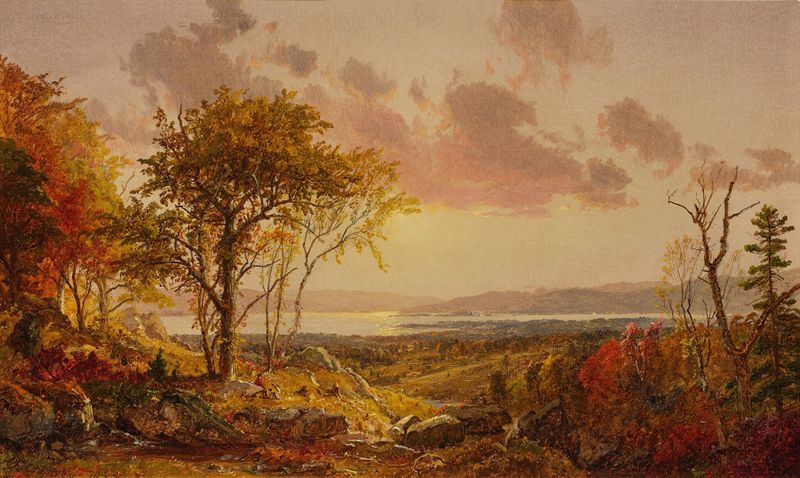
A Distant View of the Hudson River in the Fall
Jasper Francis Cropsey
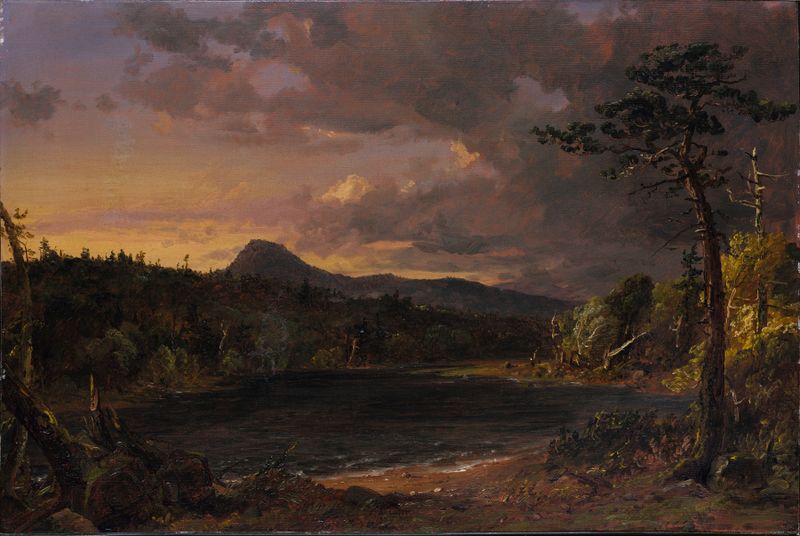
Catskill Creek
Jasper Francis Cropsey

Autumn on the Lake
Jasper Francis Cropsey





