
Gray’s Inn — History & Facts
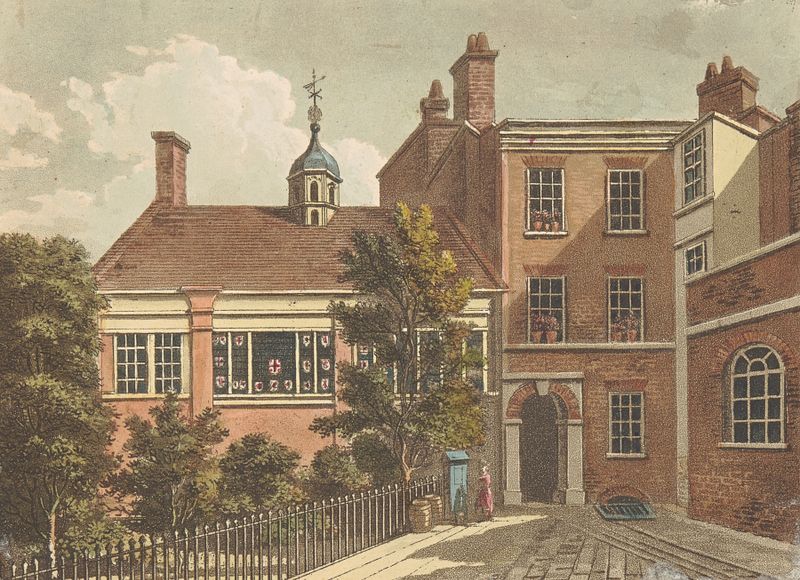
In the quiet corners of existence, innocence lingers, captured forever in a moment that beckons to be revisited and treasured. Look to the foreground, where delicate strokes of muted greens and browns intertwine, depicting the soft foliage framing the scene. The gentle arch of a tree draws the eye upward, leading into a serene sky, where wisps of cloud seem to float in harmony with the tranquil setting. Notice how the dappled light filters through the leaves, creating a mosaic of shadow and illumination, inviting contemplation and evoking a sense of peace. At first glance, the painting appears to celebrate a simple outdoor scene, yet delve deeper and you will uncover layers of emotional tension.
The interplay of light and shadow suggests the fragile nature of innocence, hinting at the transience of beauty and the inevitable passage of time. The stillness of the landscape evokes a bittersweet nostalgia, prompting reflections on what is lost in the pursuit of adulthood and the complexities that arise with maturity. Created between 1794 and 1800, this work emerged during a period when Samuel Ireland was deeply engaged with the evolving Romantic movement in British art. Living in London, Ireland's explorations of picturesque landscapes were influenced by the changing societal views of nature and nostalgia.
This was a time of transition and uncertainty, as artists began to embrace emotions and individual experience, moving away from the strictures of classicism, which strongly influenced the formation of his artistic identity.
More Artworks by Samuel Ireland
Browse all →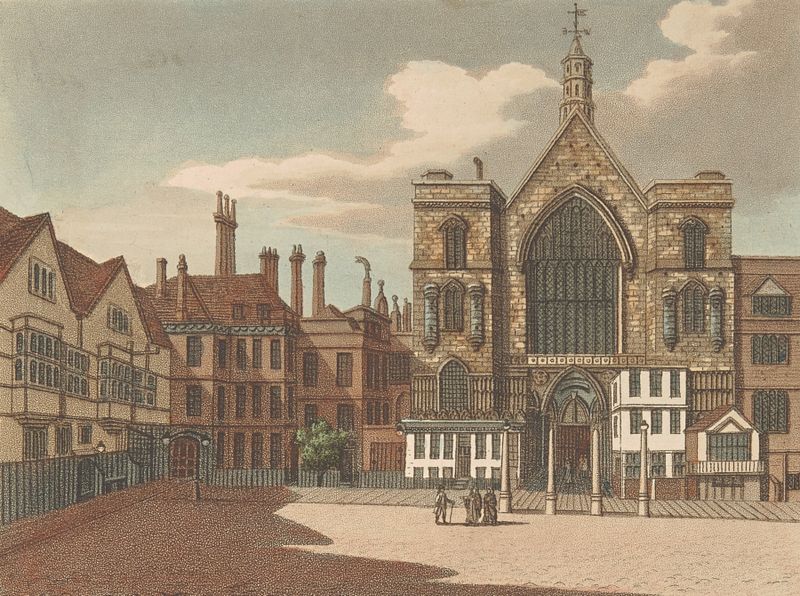
Westminster Hall
Samuel Ireland

Southwest View of Middle Temple
Samuel Ireland
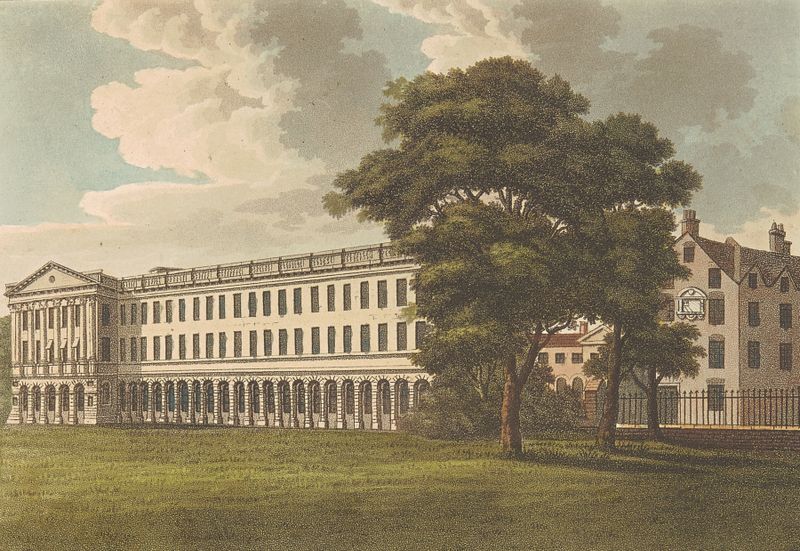
Stone Buildings, Lincoln’s Inn
Samuel Ireland
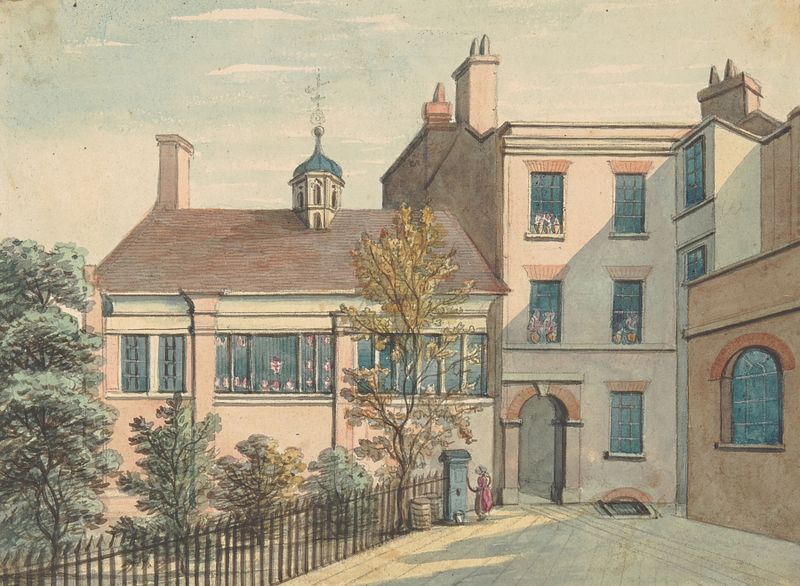
Barnard’s Inn
Samuel Ireland

Lincoln’s Inn Hall and Chapel
Samuel Ireland

Lion’s Inn
Samuel Ireland
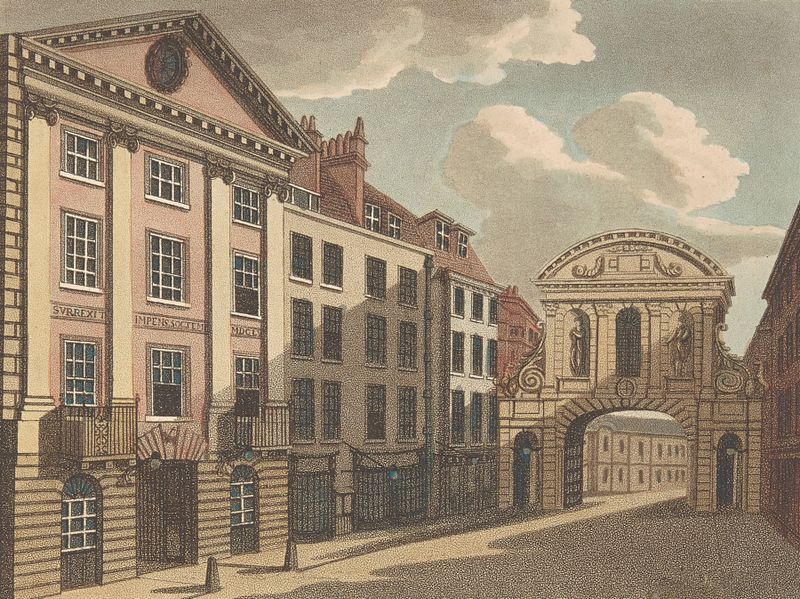
Middle Temple Gate
Samuel Ireland
Barnard’s Inn
Samuel Ireland

Westminster Hall
Samuel Ireland
Lincoln’s Inn Gate
Samuel Ireland





