
Grenoble — History & Facts
This essence whispers through the layers of a landscape that beckons you into its embrace. Each stroke of paint captures not just the scenery, but the very soul of the moment, a connection with nature that resonates deeply. Look to the center of the canvas where the sun spills golden light across the rolling hills and glistening waters of Grenoble. The interplay of warm and cool tones draws your eye, guiding you along the gentle contours of the landscape.
Notice how the artist employs delicate brushwork to depict the rippling effect of water, a shimmering mirror that reflects the sky’s brilliance. This meticulous technique invites a sense of tranquility, creating a visual harmony that feels alive, almost breathing. Bidauld’s landscape is not merely a picturesque view; it embodies a tension between serenity and the impending change of seasons. The soft greens suggest the vibrancy of life, while the hints of autumn around the edges introduce a whisper of transition.
This duality speaks to the viewer's own inner landscape—moments of calm interlaced with the inevitability of time passing. The subtle details, like the wispy clouds above and distant peaks beyond, evoke a sense of longing, as if inviting you to ponder what lies just beyond the horizon. In 1790, Bidauld painted this work during a period of significant artistic exploration in France. While the country was on the cusp of turmoil, the artist found solace in the tranquil landscapes of his homeland.
This moment of creation reflected not only his personal dedication to capturing nature’s beauty but also a broader movement in art, where Romanticism began to swell, emphasizing emotion and the sublime in the natural world.
More Artworks by Jean-Joseph-Xavier Bidauld
Browse all →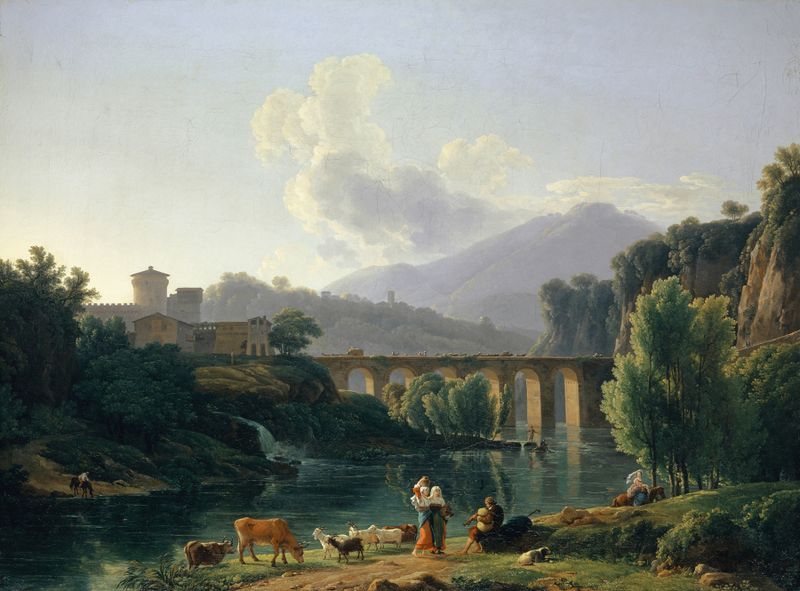
Roman Landscape with Viaduct
Jean-Joseph-Xavier Bidauld
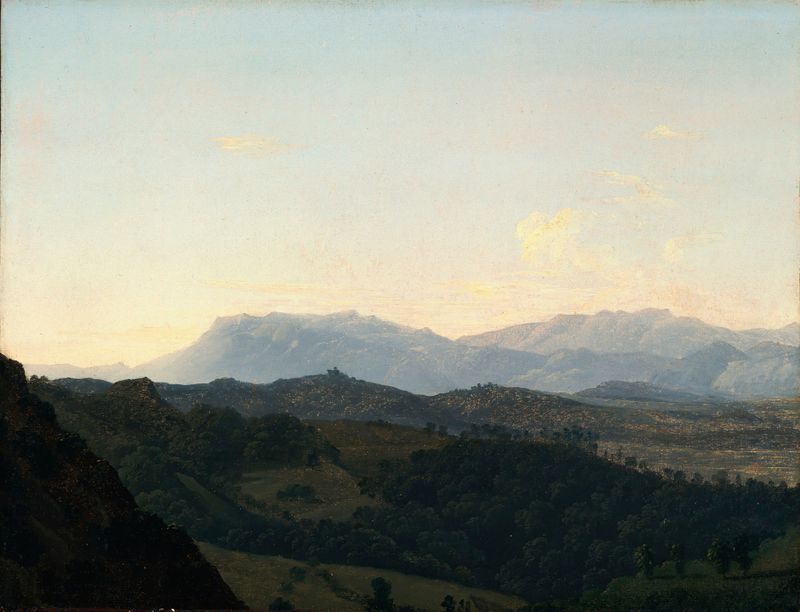
The Sabine Mountains
Jean-Joseph-Xavier Bidauld
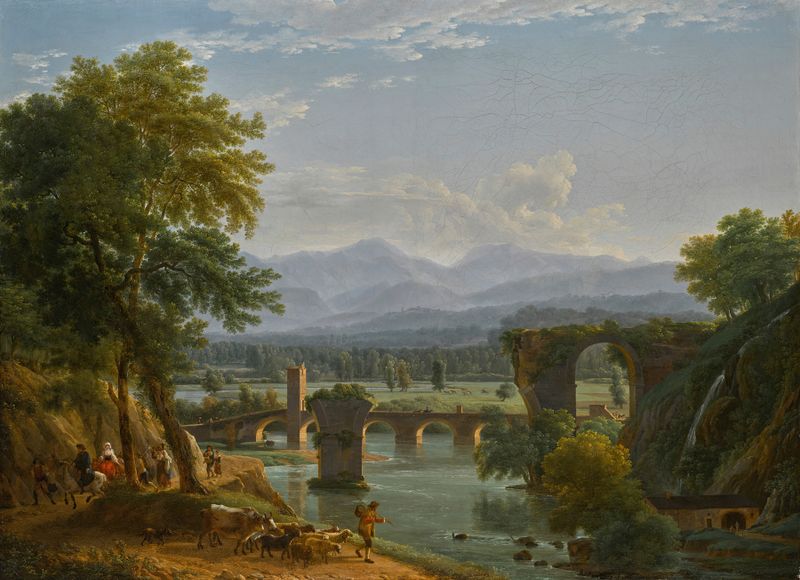
The Augustus Bridge Over The River Nera, Near The City Of Narni, Italy
Jean-Joseph-Xavier Bidauld

La baie de Naples
Jean-Joseph-Xavier Bidauld
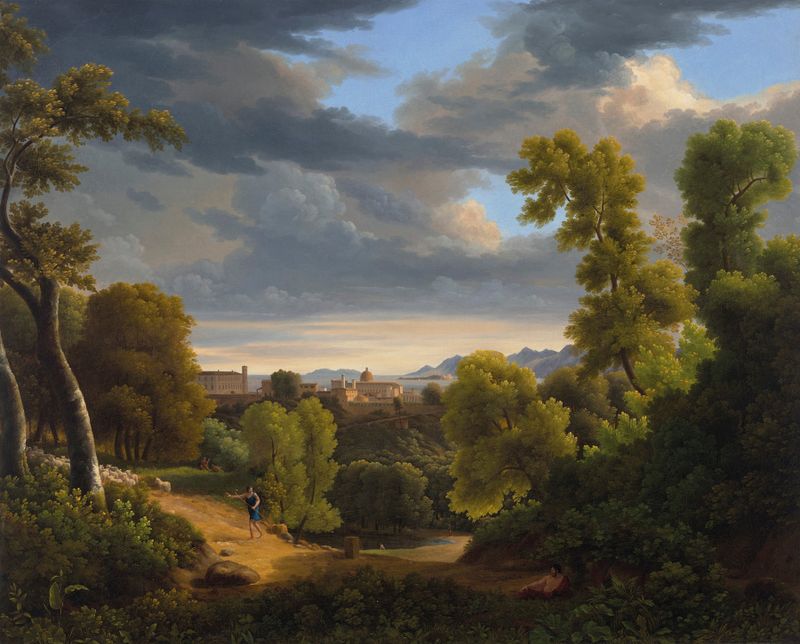
A view of Vietri near the sea in the Gulf of Salerno with Capri in the background
Jean-Joseph-Xavier Bidauld
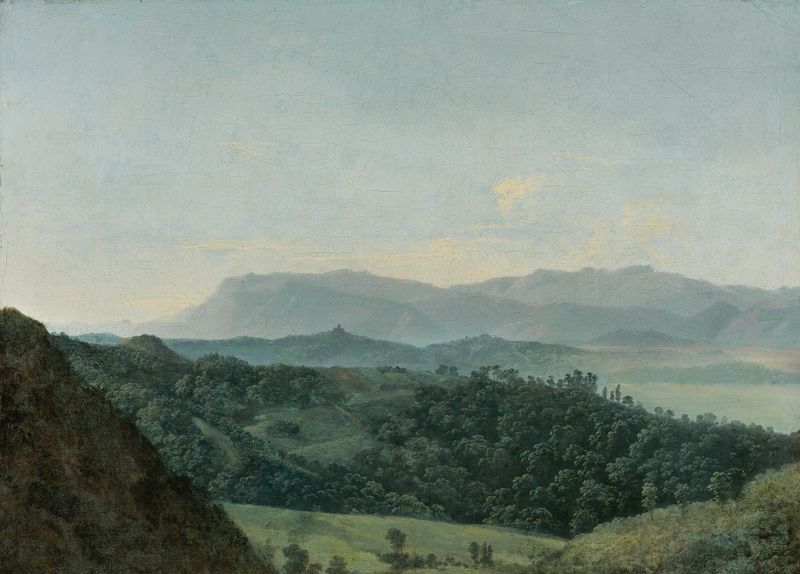
Extensive Mountainous Landscape
Jean-Joseph-Xavier Bidauld
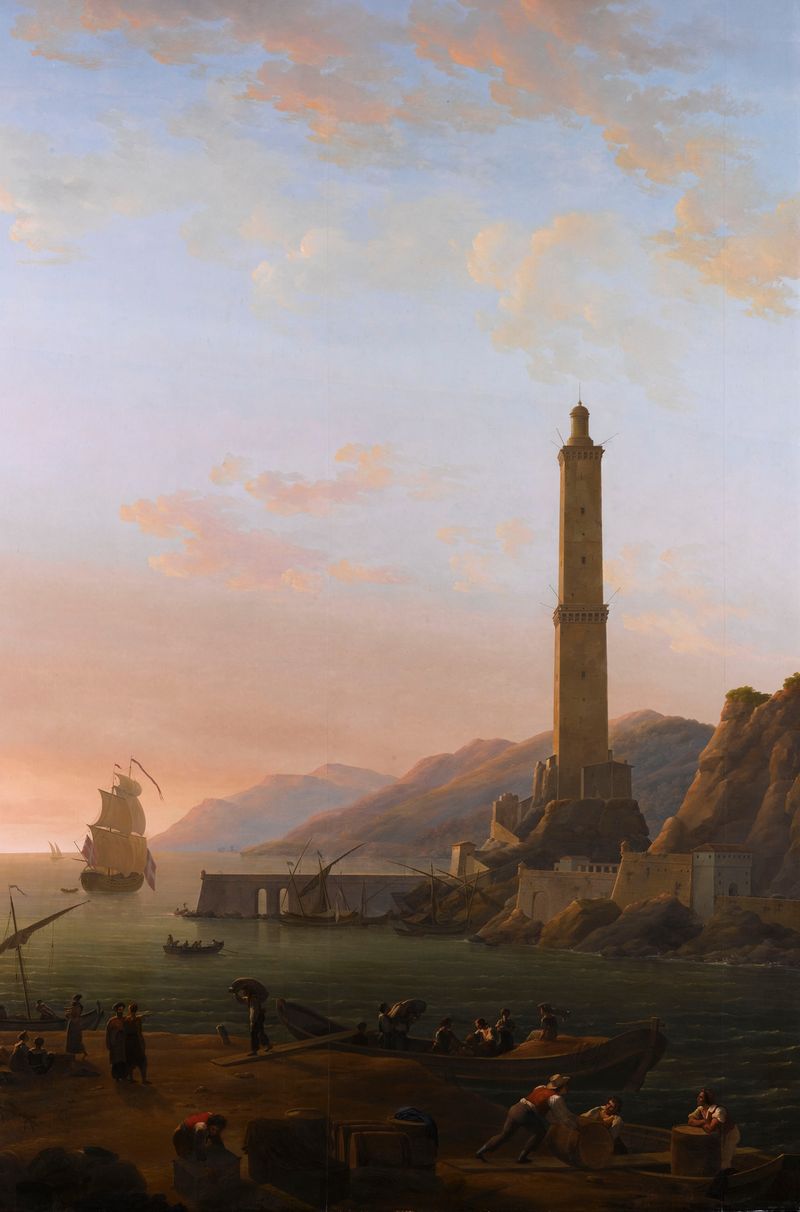
Le phare de Gênes
Jean-Joseph-Xavier Bidauld

Extensive Italian landscape with a town
Jean-Joseph-Xavier Bidauld

View of Bridge and the Town of Cava, Kingdom of Naples
Jean-Joseph-Xavier Bidauld
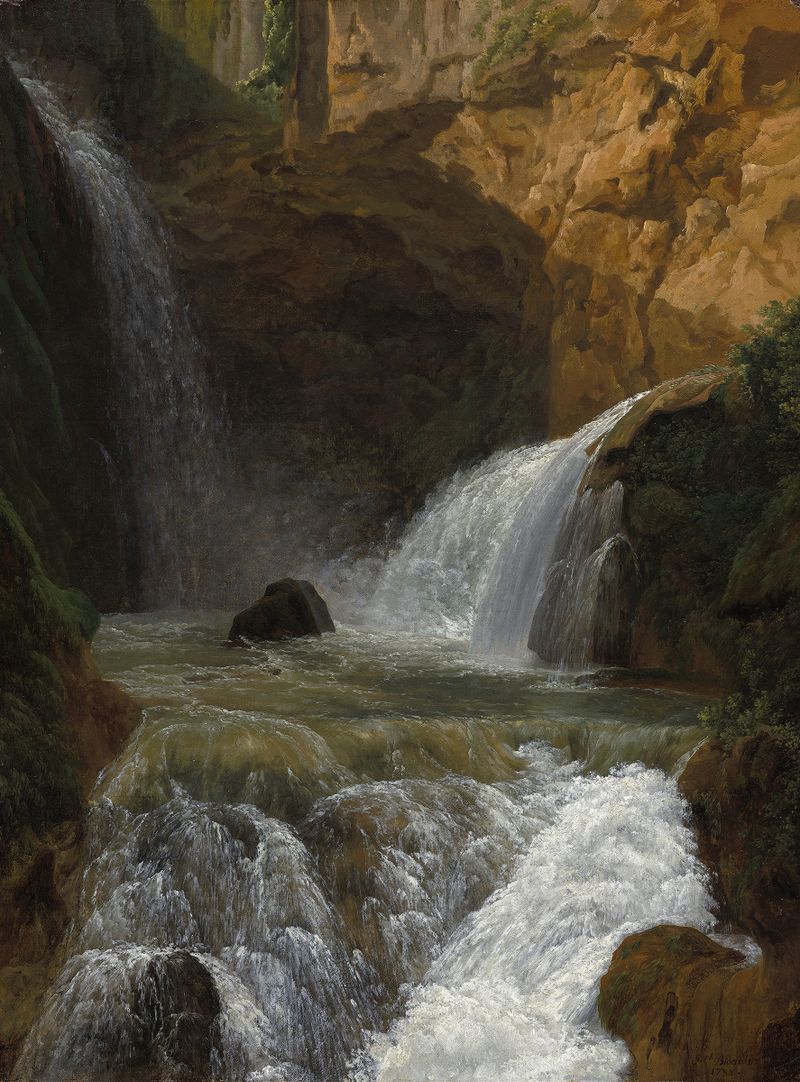
View of the Waterfalls at Tivoli
Jean-Joseph-Xavier Bidauld





