
H. Erpho — History & Facts
Art reveals the soul when the world turns away. In the silent depths of a void, a single figure emerges, casting a fragile light upon the surrounding darkness — a whisper of existence amidst oblivion. Look to the center of the composition, where the stark outline of the figure stands resolute. Wenceslaus Hollar employs sharp contrasts between light and shadow, creating a tension that draws the viewer’s eye directly to the form.
Notice how the delicate lines convey both fragility and strength, as the figure seems to float in an undefined space, eclipsed by the surrounding emptiness that envelops it. The muted palette, primarily earth tones, enhances the somber mood while emphasizing the isolation that permeates the scene. Within this artwork lies a poignant commentary on solitude and existential reflection. The void surrounding the figure suggests an absence, a longing for connection, while the solitary stance evokes a sense of introspection.
The interplay between presence and absence reveals a subtle conflict, inviting the viewer to ponder the complexities of existence. It poses profound questions about identity and the human condition, making one grapple with the essence of being. In 1649, Hollar created this piece during a time of tumultuous change in Europe, following the Thirty Years' War. Residing in London after years of political upheaval and displacement, he found solace in art.
This work reflects not just his personal journey, but also the broader struggles of a world in crisis, where the search for meaning often feels lost within the vastness of silence.
More Artworks by Wenceslaus Hollar
Browse all →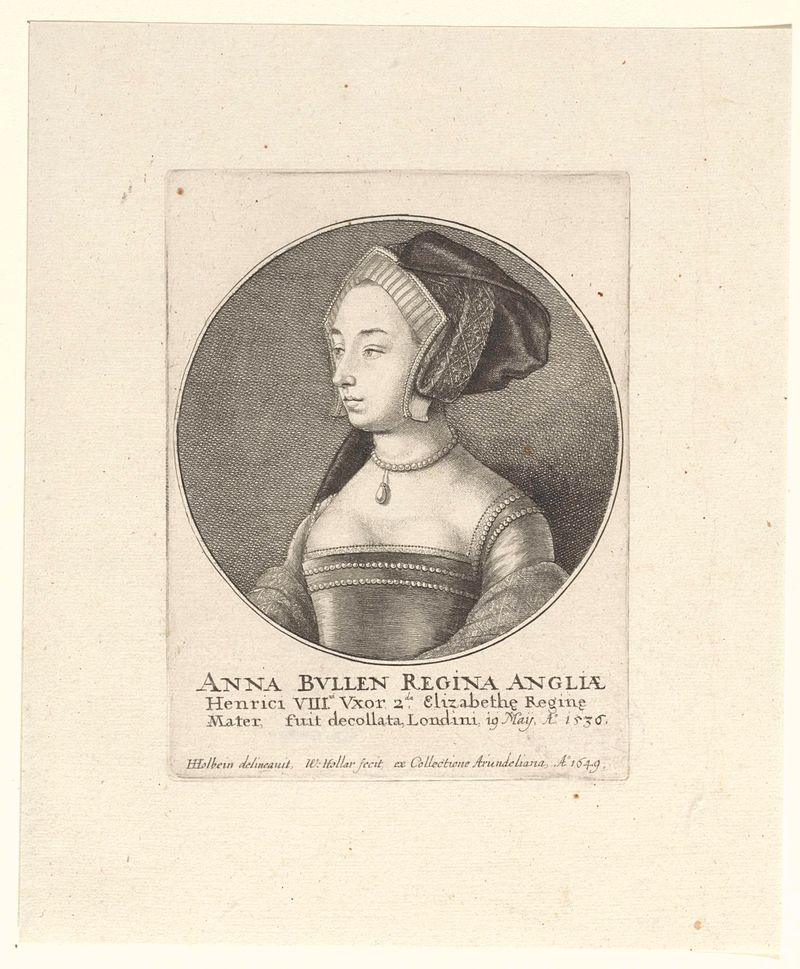
Portret van Anna Boleyn, koningin van Engeland
Wenceslaus Hollar
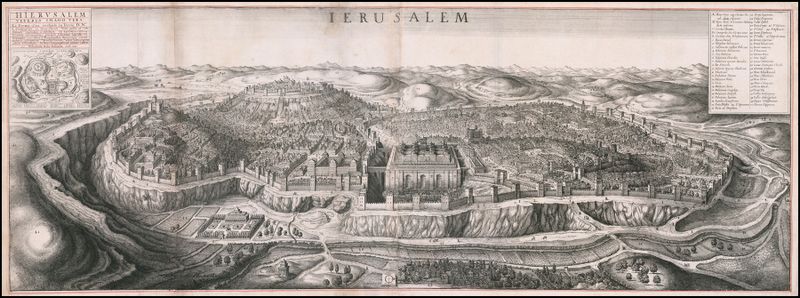
Bird’s eye view of Jerusalem
Wenceslaus Hollar
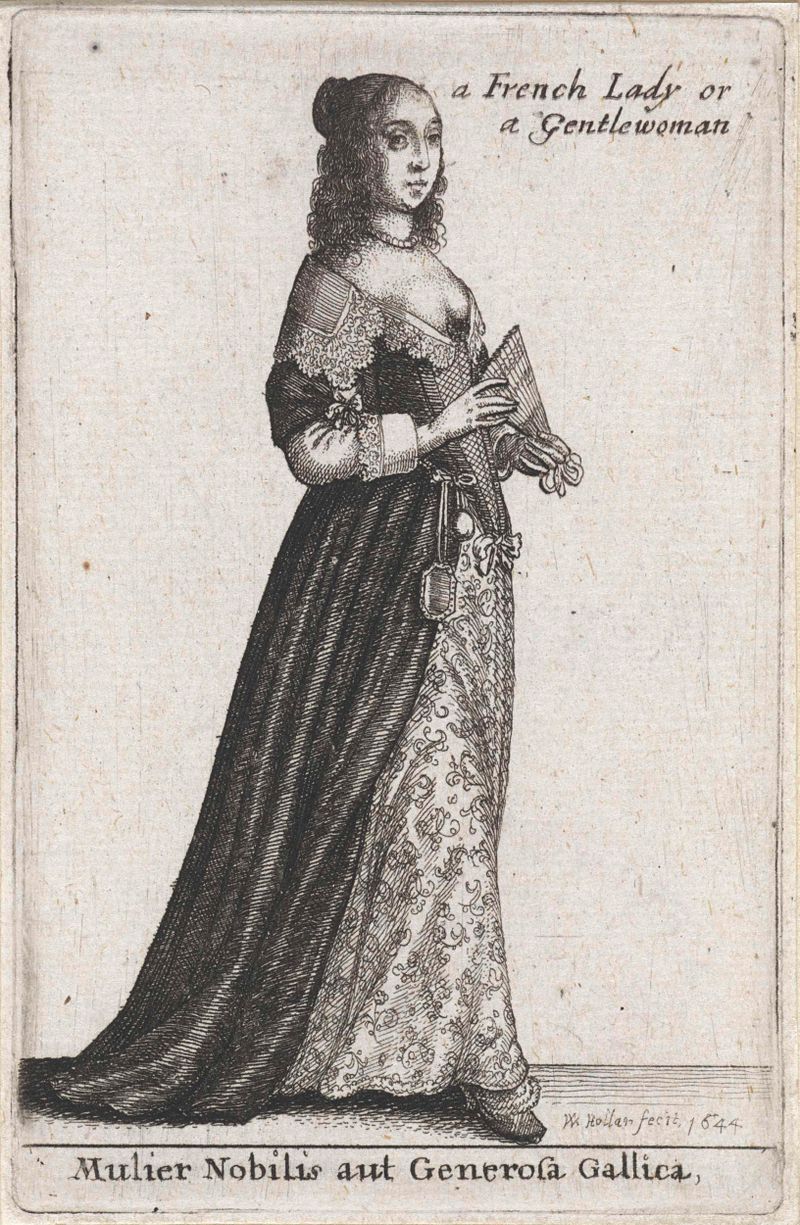
Mulier Nobilis aut Generosa Gallica / a French Lady or Gentlewoman
Wenceslaus Hollar
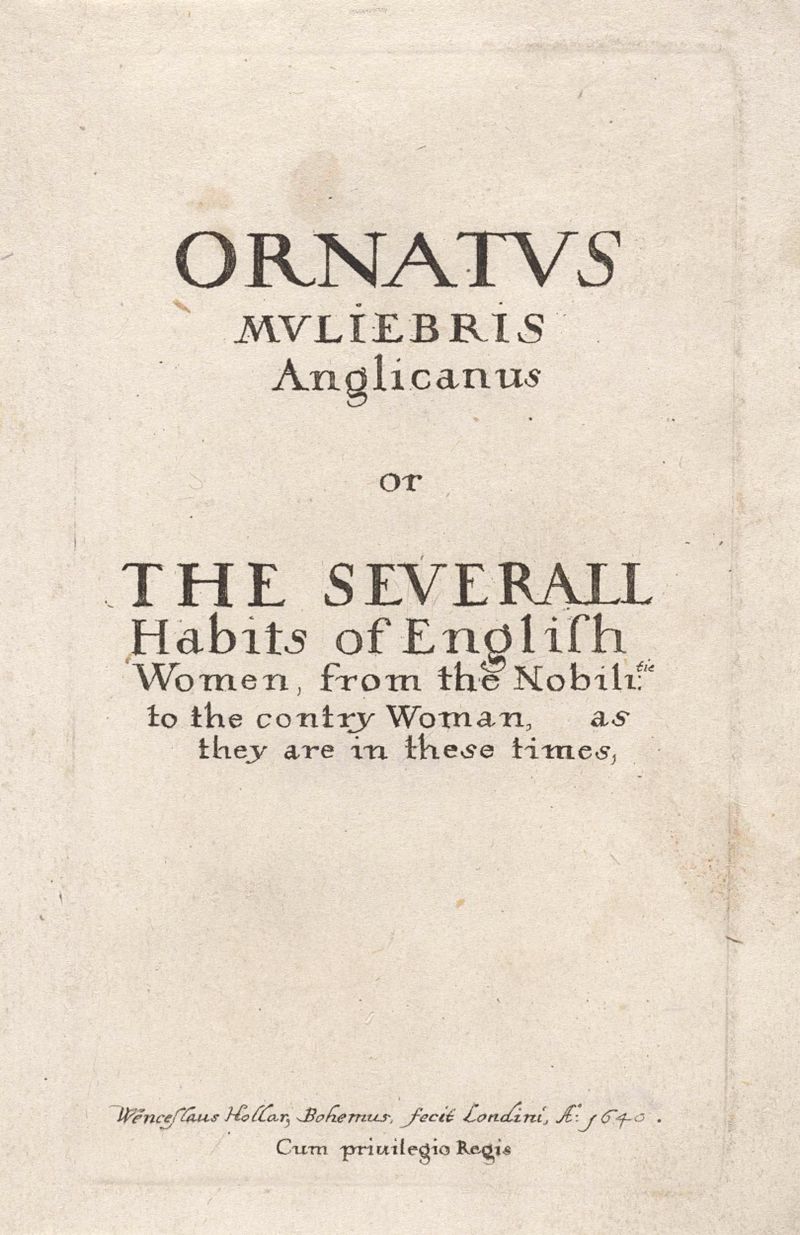
Titelprent voor: Ornatus Muliebris Anglicanus
Wenceslaus Hollar
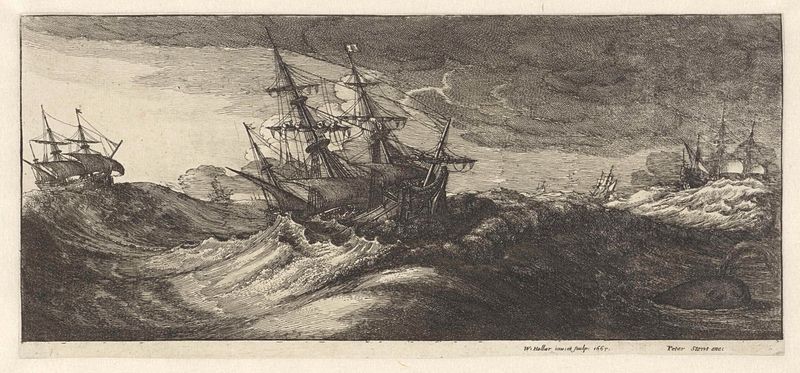
Oorlogsschepen en een walvis in een zeestorm
Wenceslaus Hollar
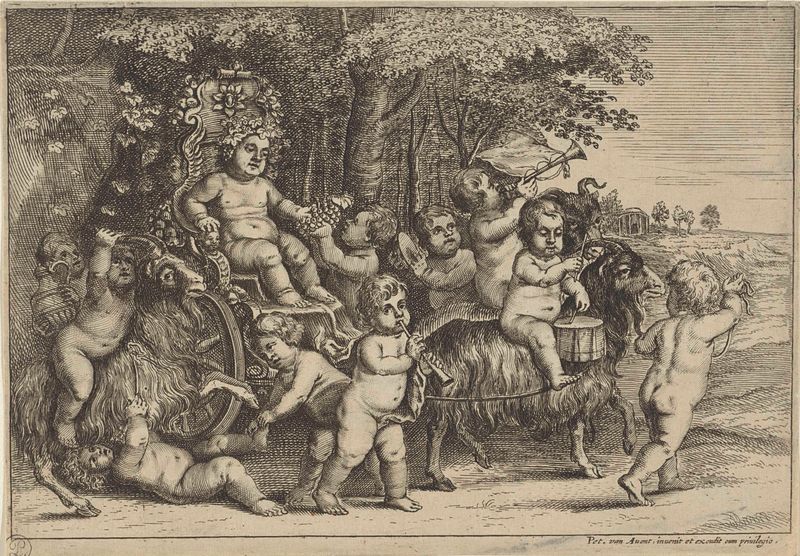
Optocht van bacchant en jongetjes op geiten
Wenceslaus Hollar
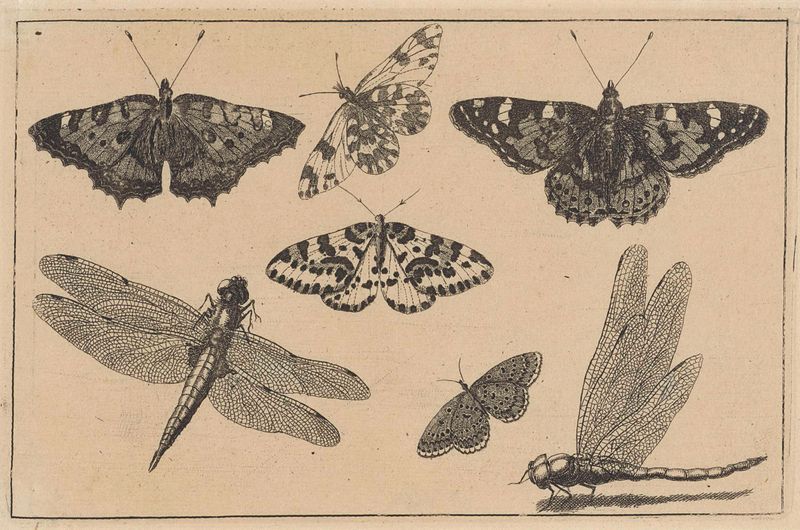
Twee libellen en vijf vlinders
Wenceslaus Hollar
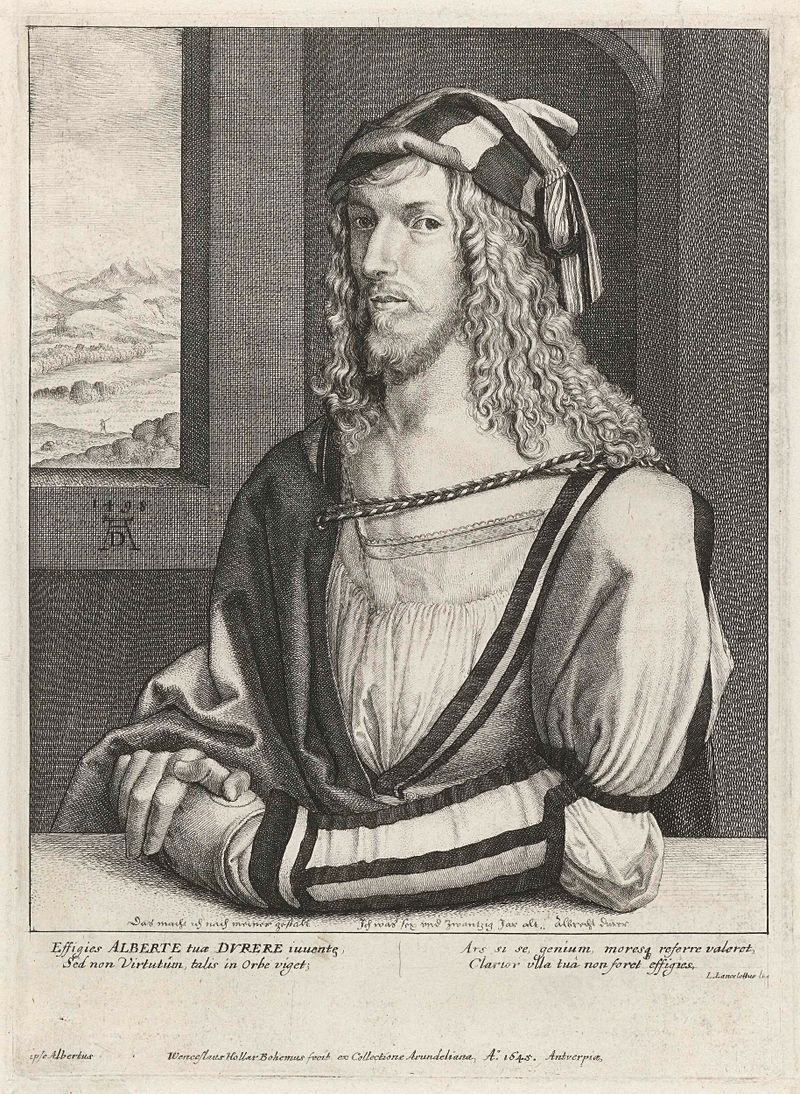
Portret van Albrecht Dürer
Wenceslaus Hollar
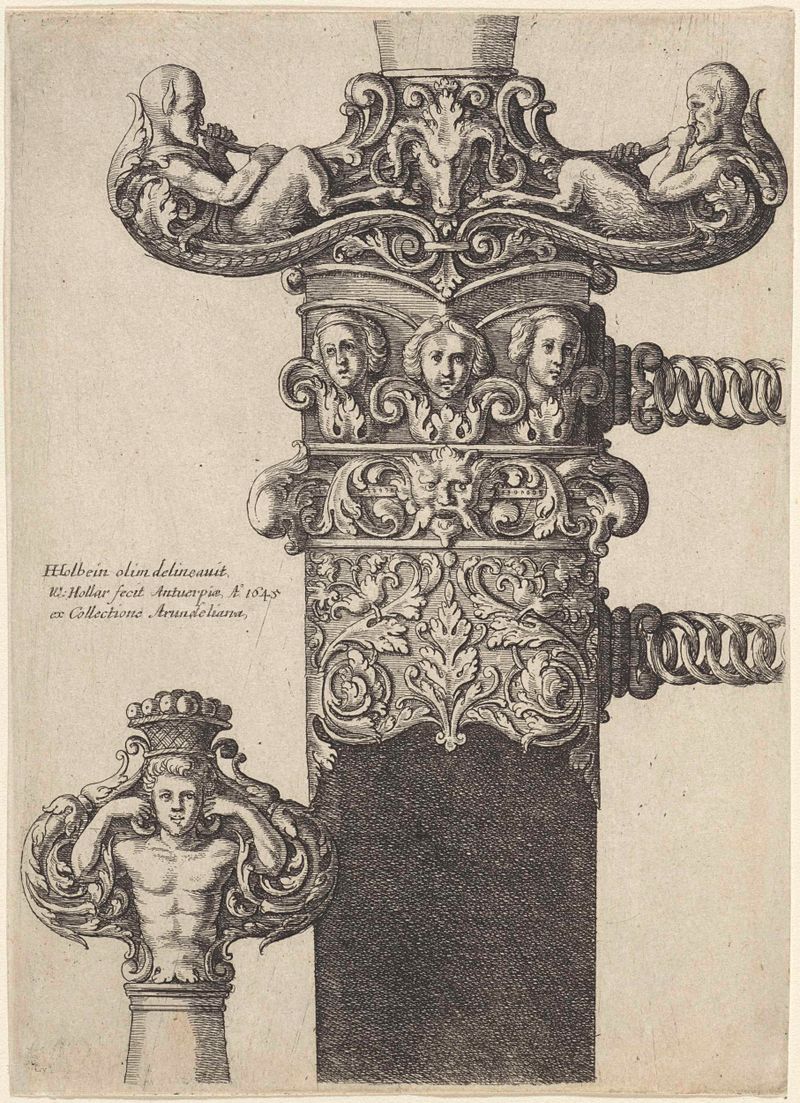
Ornamenteel ontwerp voor een dolk
Wenceslaus Hollar
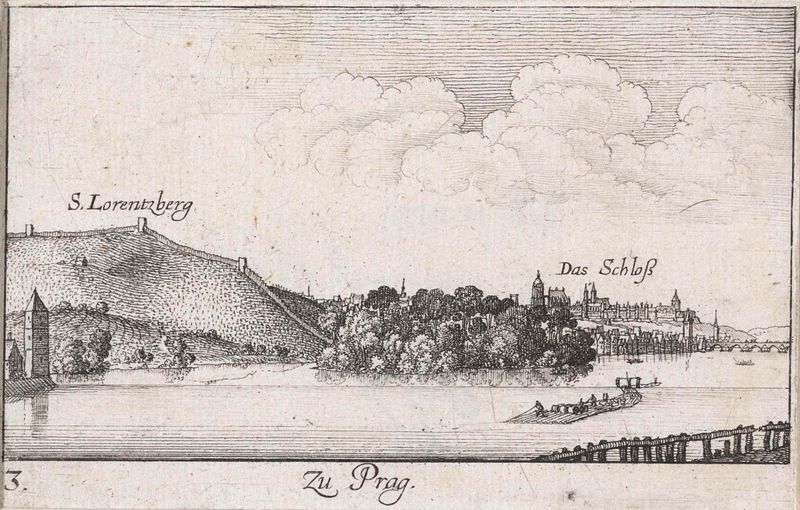
Gezicht op Praag vanaf de Moldau
Wenceslaus Hollar





