Haardplaat met een lauwerkrans tussen twee putti — History & Facts
Can beauty exist without sorrow? The delicate balance of joy and pain often intertwines, creating a tapestry of emotions that resonates deeply within us. Look closely at the intricate details of this exquisite piece, where a laurel wreath, emblematic of victory and glory, is elegantly cradled between two cherubic figures, or putti. Their expressions, caught in a moment of serene contemplation, invite the viewer to ponder the deeper layers of their existence. Notice how the soft, warm hues of gold and green envelop the scene, with light expertly highlighting the contours of the putti, contrasting with the shadowed background that hints at the complexities of life. As you absorb the composition, consider the interplay between hope and melancholy.
The laurel wreath speaks of triumph, yet the presence of the putti suggests innocence and vulnerability. This juxtaposition creates a poignant reminder that beauty often arises from struggle, each cherub embodying the duality of existence — where joy is often laced with a tinge of sorrow. The gentle curves of the figures’ forms further emphasize this harmony, drawing us into a reflective space where we can embrace both the light and the dark. Created between 1650 and 1700 by an unknown artist, this work reflects the Baroque period's fascination with emotion and symbolism.
During this time, artists often explored themes of love, mortality, and divine beauty, influenced by the turbulent social and religious landscape of Europe. The artist, though unnamed, contributed to a legacy of art that captures the fragile essence of the human experience, inviting viewers to reflect on their own journeys through hope and despair.
More Artworks by Unknown Artist
Browse all →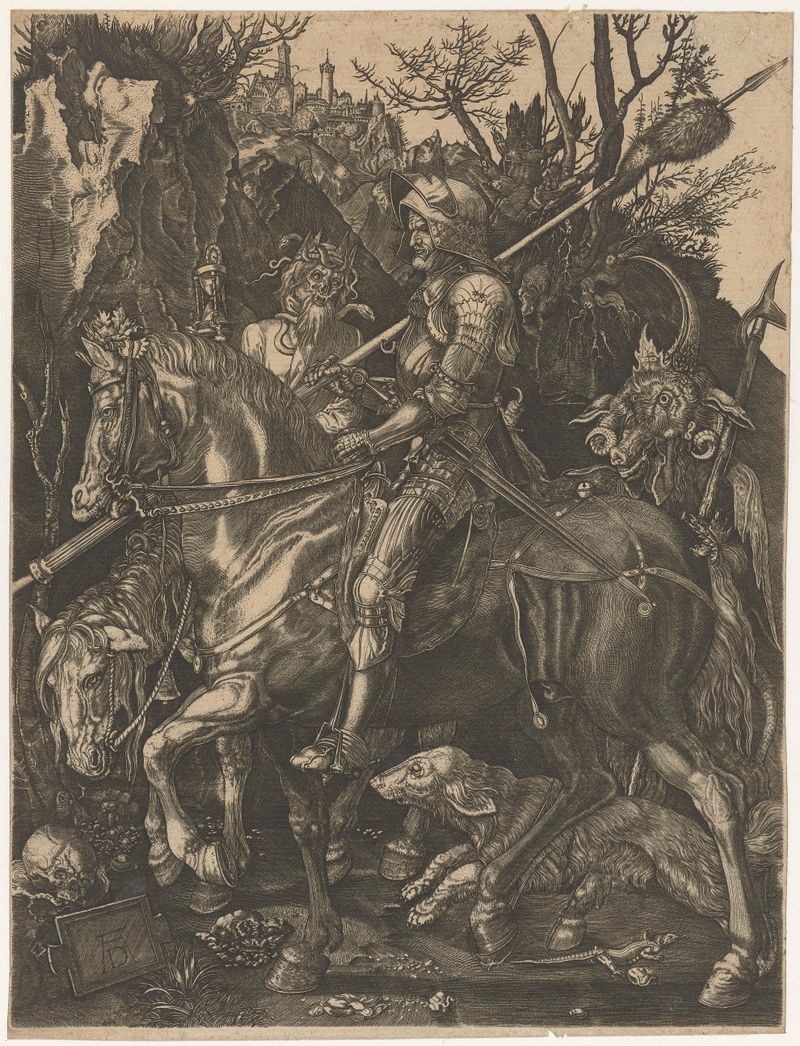
Ridder, Dood en Duivel
Unknown Artist
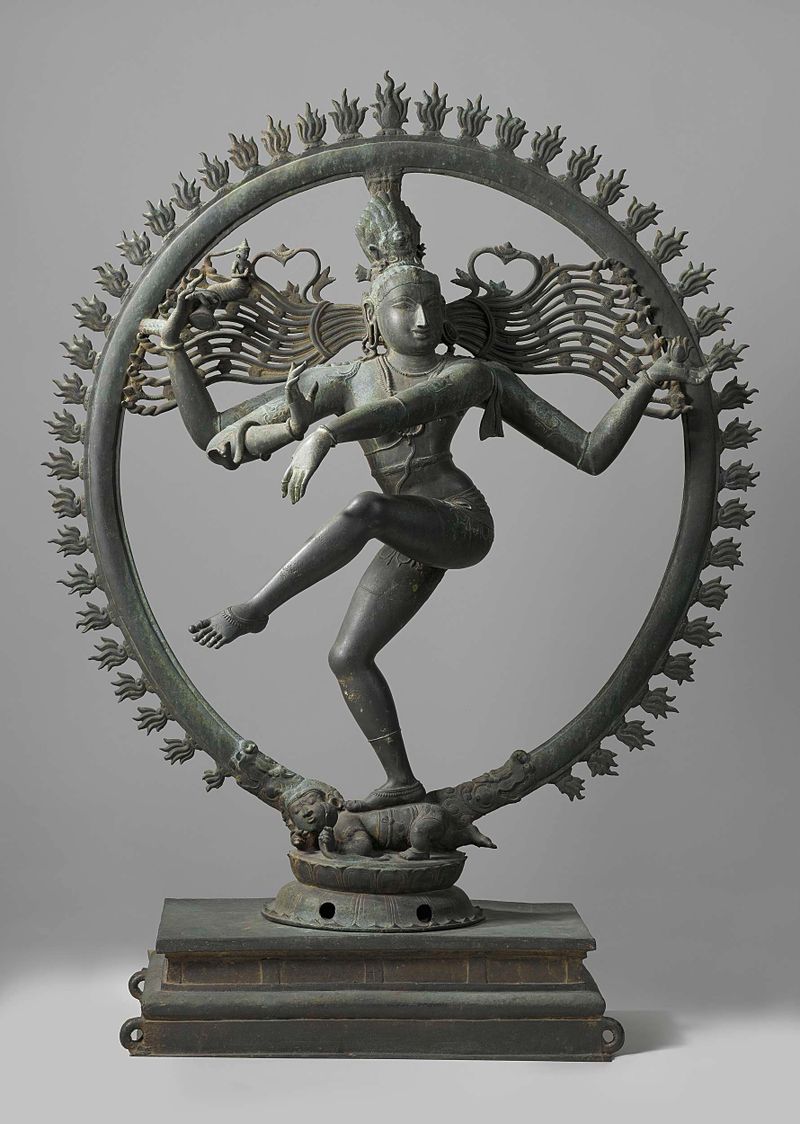
Shiva Nataraja
Unknown Artist
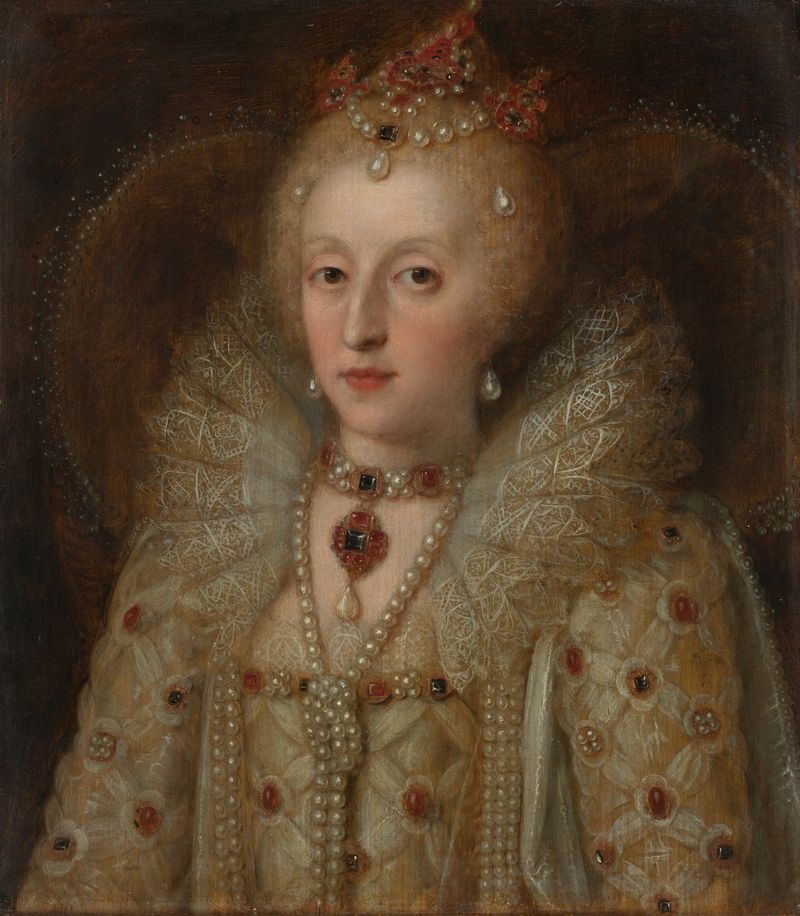
Portrait of Elizabeth I, Queen of England
Unknown Artist
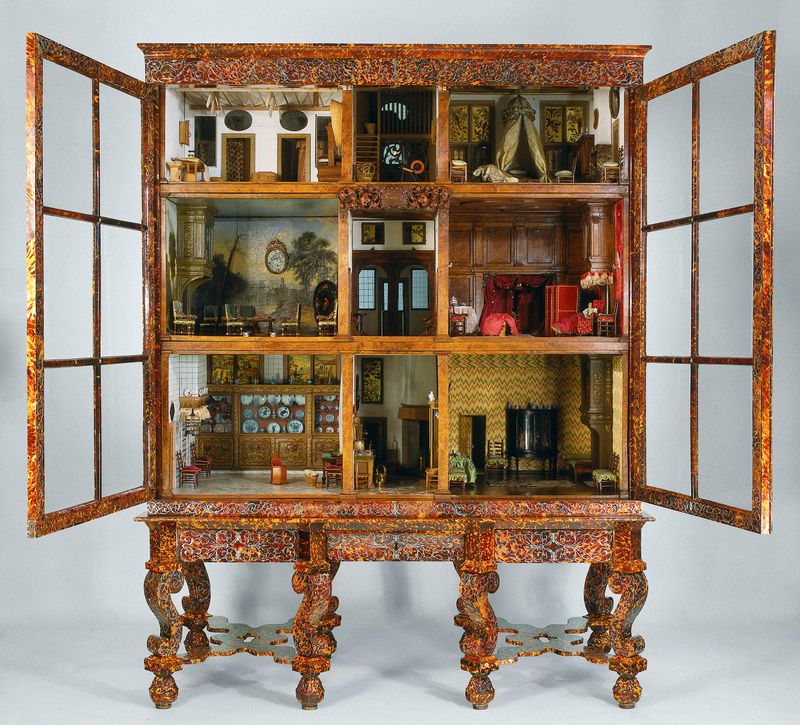
Dolls’ house of Petronella Oortman
Unknown Artist
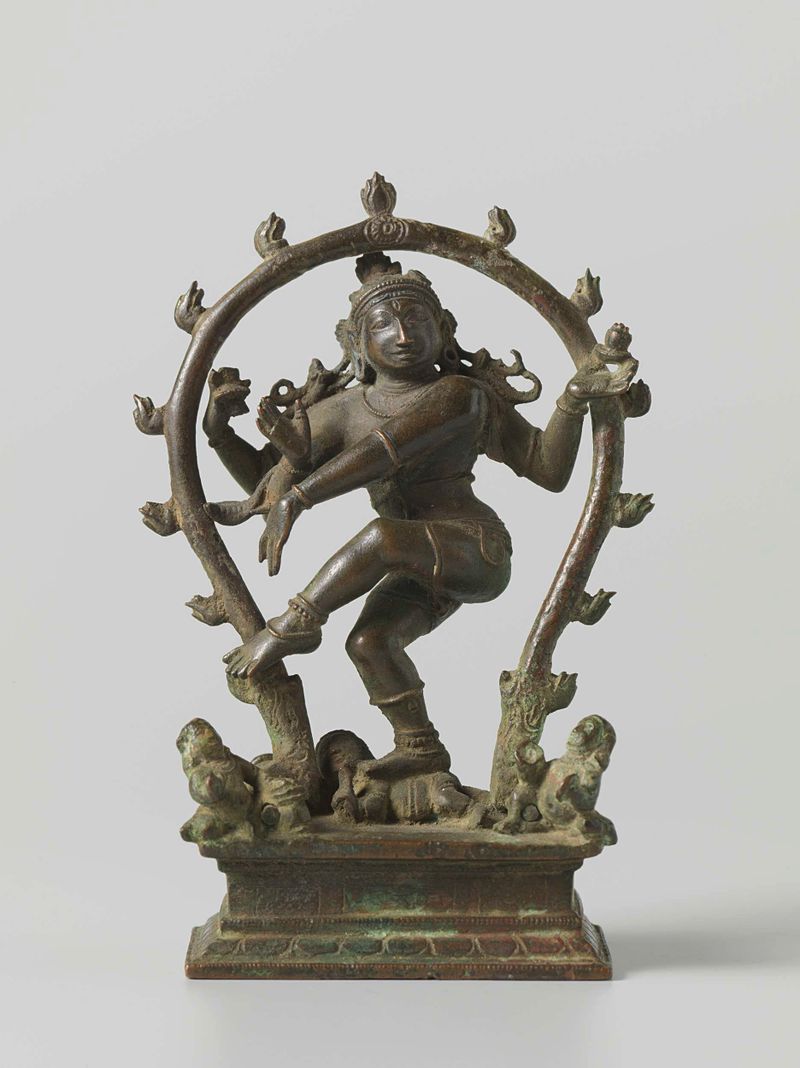
Shiva Nataraja
Unknown Artist

The Tale of Genji
Unknown Artist

The Tale of Genji
Unknown Artist

Cong
Unknown Artist
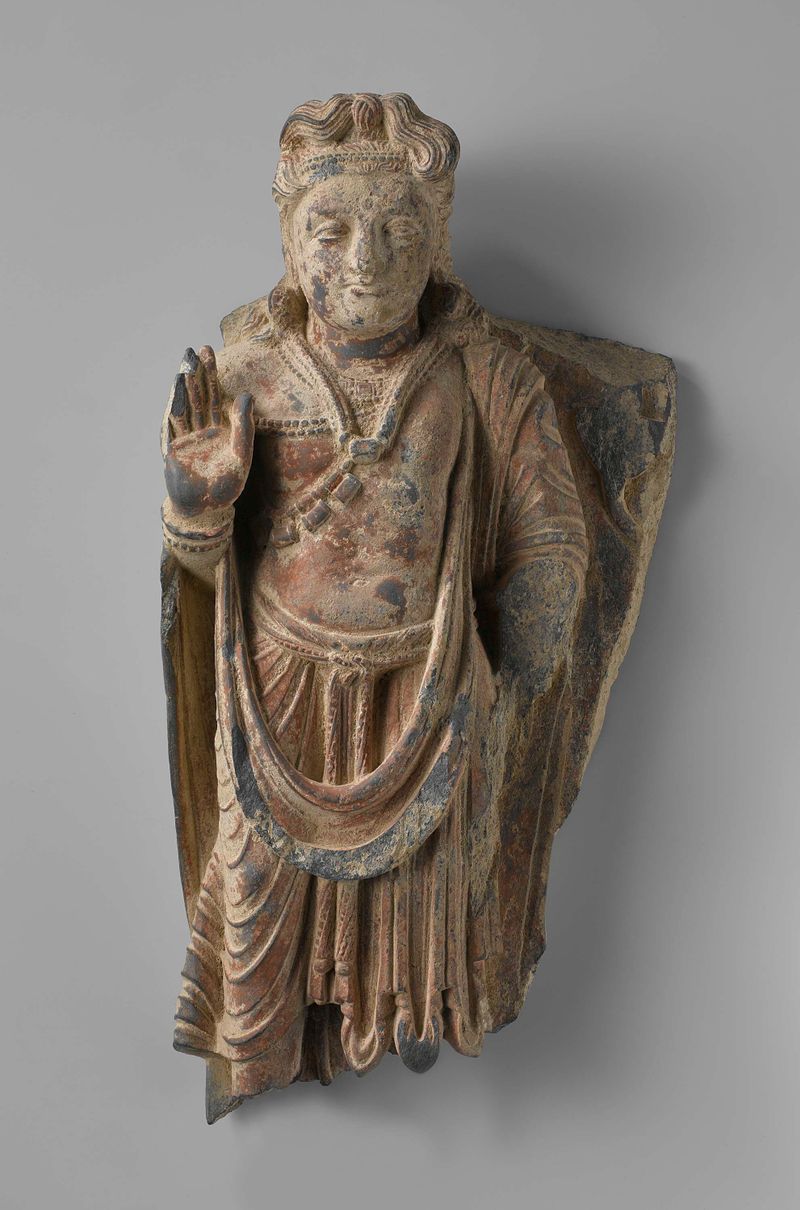
The bodhisattva Maitreya
Unknown Artist

Teabowl with a 'hare's fur' glaze
Unknown Artist