
Hadrian’s Villa — History & Facts
Did the painter know this moment would outlive them? In Hadrian’s Villa, the grandeur of ancient architecture whispers secrets of awe and contemplation through time, beckoning viewers into its timeless embrace. Focus on the expansive ruins that dominate the canvas, structured by masterful brushstrokes that evoke both life and decay. The soft light cascades over the weathered stone, illuminating the intricate details of the columns and arches, while shadows play an elegant dance, hinting at nature's reclamation of this once-majestic site. The harmonious blend of earthy tones grounds the viewer in reality, yet the ethereal quality of the sky transforms the scene into a dreamlike experience. Amidst the grandeur lies a tension between permanence and transience.
The decaying structures symbolize the inevitable passage of time, while the lush landscape breathes life into the ruins, suggesting resilience. The viewer might feel a pang of nostalgia or a reflection on the human ambition that built and then lost such splendor. Each element holds a story, from the lush greenery that encroaches upon the stone to the distant blue hills that symbolize the continuity of life beyond human creation. Richard Wilson painted Hadrian’s Villa between 1775 and 1782, during a period when he was establishing himself as a leading figure in the landscape genre.
His time in Italy deeply influenced his work, as he sought to capture the sublime beauty of ancient ruins, reflecting both his admiration for classical ideals and the burgeoning Romanticism of the era. Wilson's journey was marked by a quest for inspiration and the desire to immortalize fleeting moments, solidifying his legacy in art history.
More Artworks by Richard Wilson
Browse all →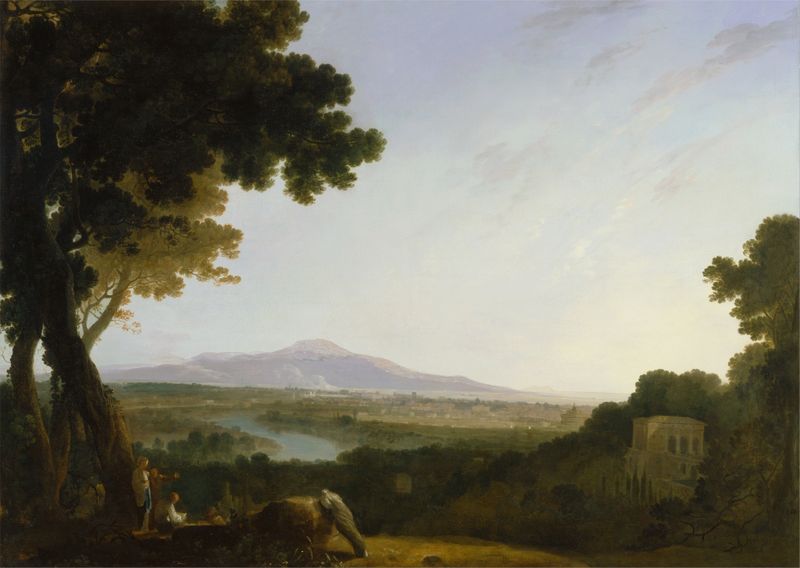
Rome from the Villa Madama
Richard Wilson
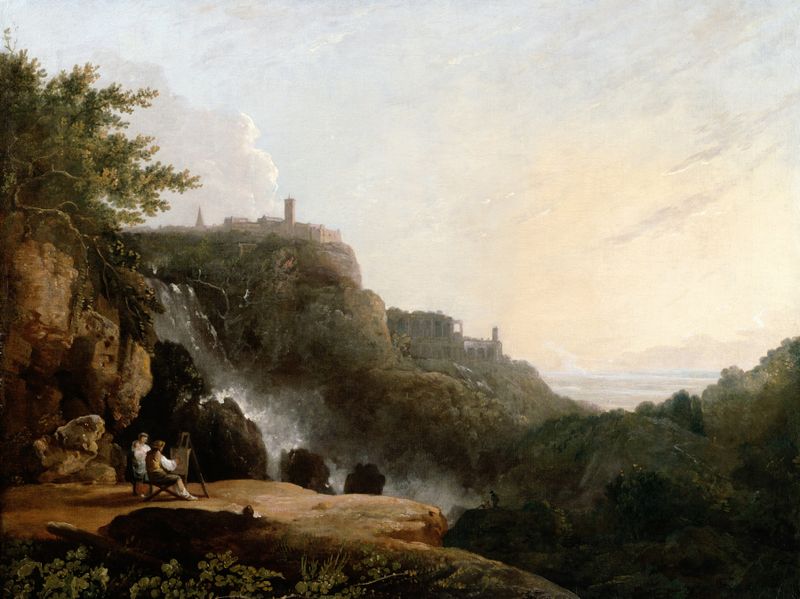
View of Tivoli- the Cascatelle and the ‘Villa of Maecenas’
Richard Wilson
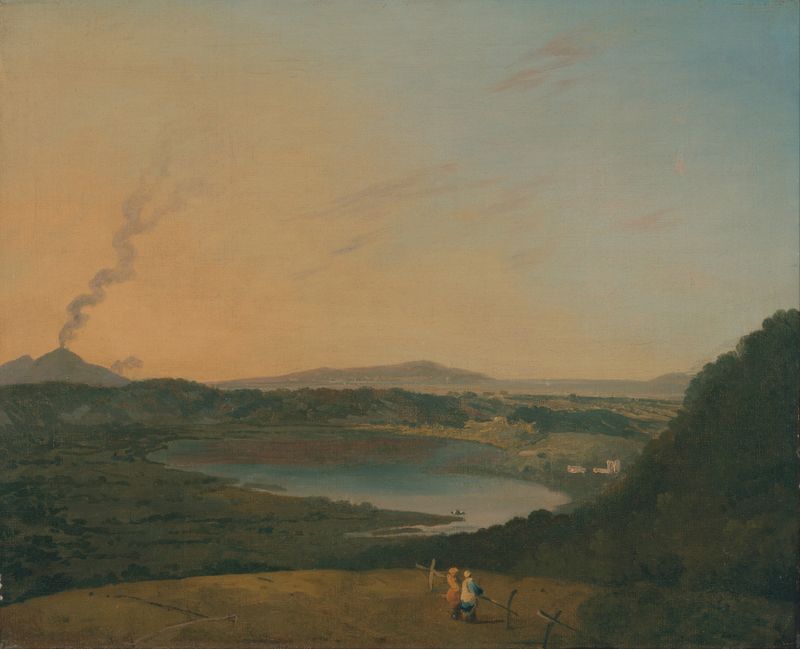
Lago d’Agnano with Vesuvius in the distance
Richard Wilson
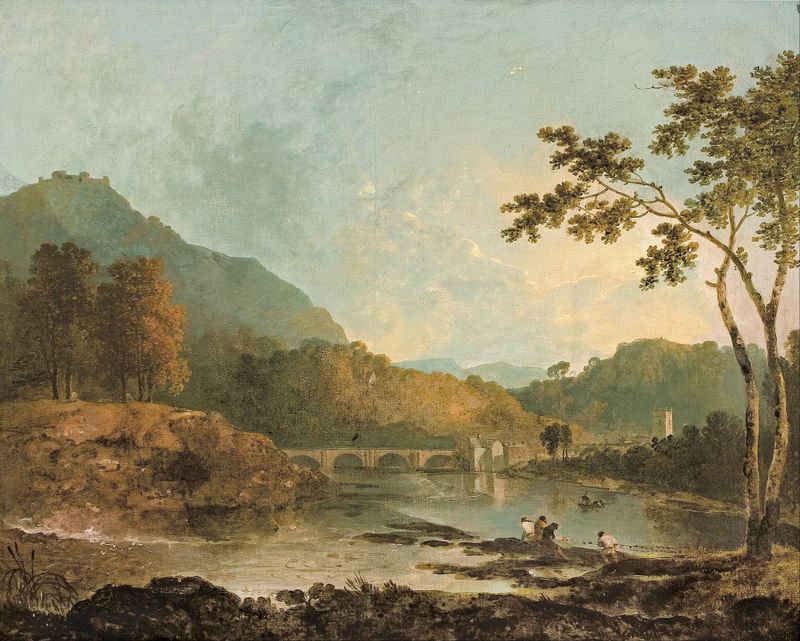
Dinas Bran from Llangollen
Richard Wilson
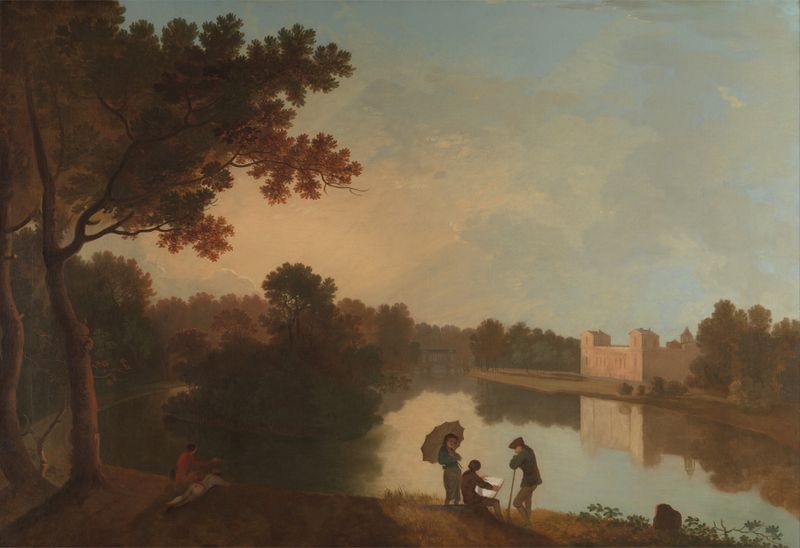
Wilton House from the Southeast
Richard Wilson
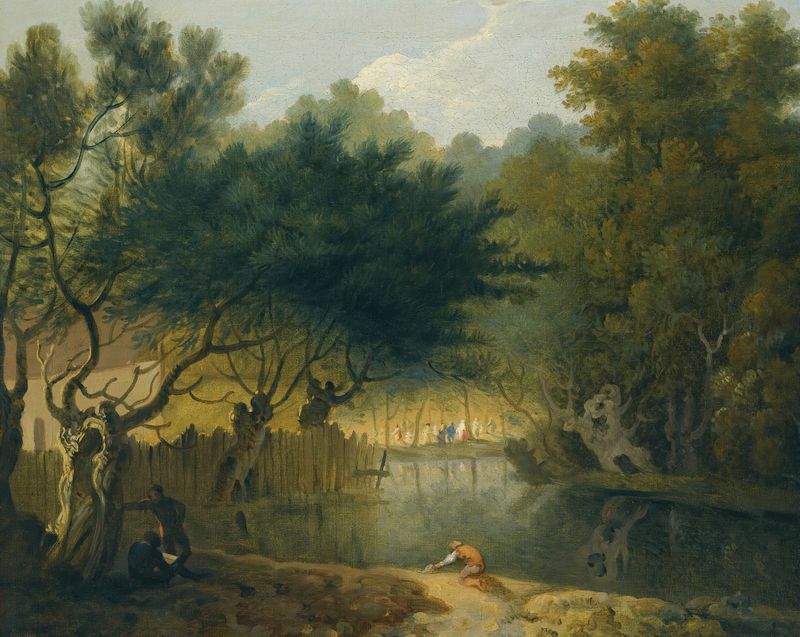
A View Of St. James’s Park, London
Richard Wilson
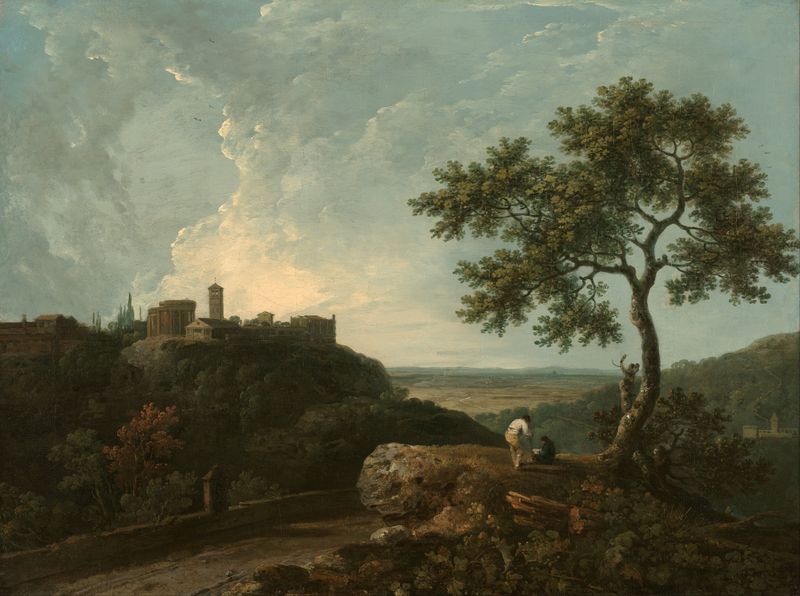
Tivoli- The Temple of the Sybil and the Campagna
Richard Wilson
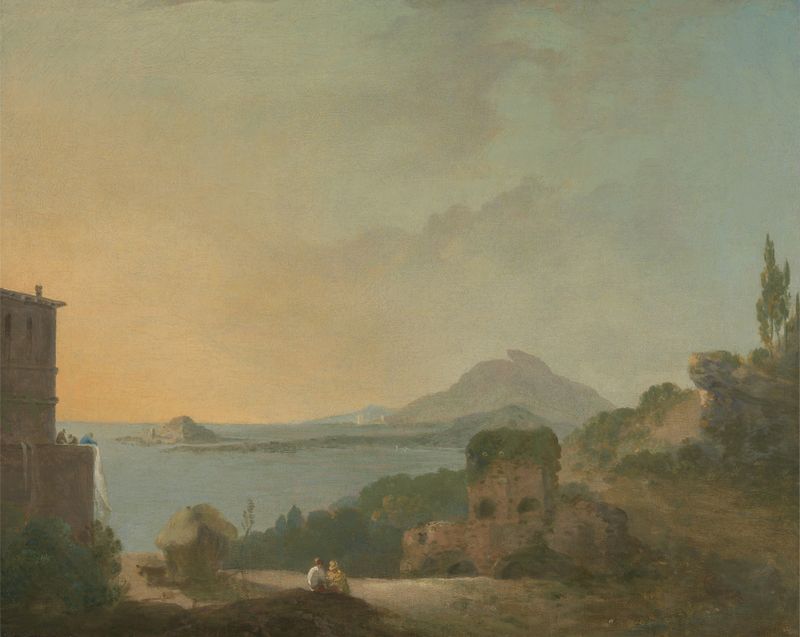
Cicero’s Villa and the Gulf of Pozzuoli
Richard Wilson
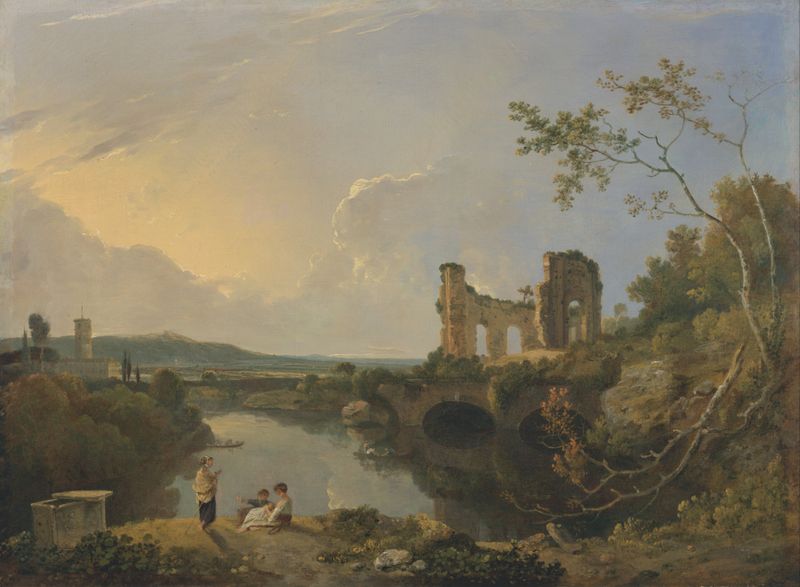
Italian Landscape (Morning)
Richard Wilson
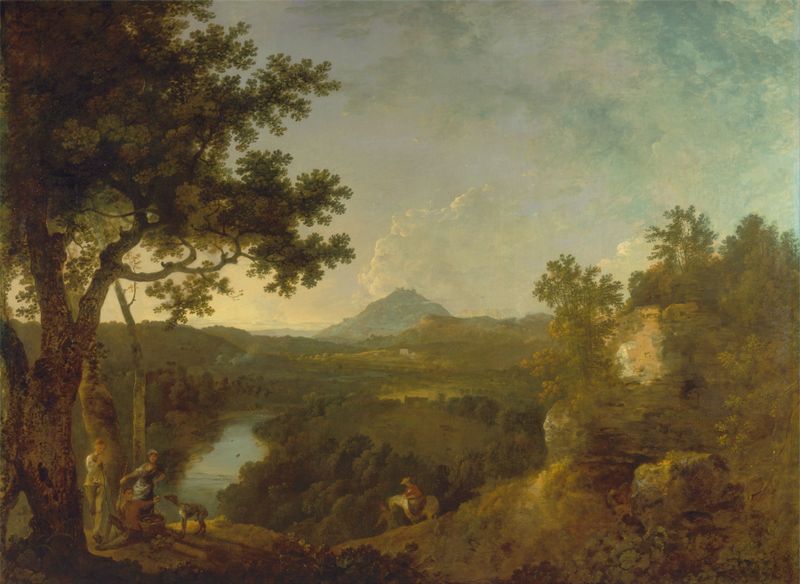
View near Wynnstay, the Seat of Sir Watkin Williams-Wynn, BT.
Richard Wilson
More Architecture Art
Browse all →
The statue of Liberty
Frédéric Auguste Bartholdi

View of Houses in Delft, Known as ‘The Little Street’
Johannes Vermeer

View of Houses in Delft, Known as ‘The Little Street’
Johannes Vermeer

The Cathedral in Rouen. The portal, Grey Weather
Claude Monet

The yellow house
Vincent van Gogh

The Church in Auvers-sur-Oise, View from the Chevet
Vincent van Gogh