Discover insights about this artwork
Hagar in the Wilderness — History & Facts
In Hagar in the Wilderness, Jean-Baptiste-Camille Corot presents a poignant scene featuring Hagar and her child. The colors are soft and muted, with earthy tones dominating the landscape. Hagar appears weary and desolate, set against a backdrop of a vast, arid wilderness.
The sky is painted in gentle hues, suggesting a moment of quiet reflection amidst despair. The painting is executed in oil on canvas, a common medium for Corot, allowing for rich texture and depth. Corot's brushwork is fluid, creating a sense of movement in the landscape and the figures. The composition is balanced, with Hagar positioned centrally, drawing the viewer's eye.
The use of light and shadow adds dimension, enhancing the emotional weight of the scene. Jean-Baptiste-Camille Corot was a key figure in the transition from Neoclassicism to Romanticism. This work, painted in the 1850s, reflects his interest in nature and human emotion. Interestingly, Corot often painted en plein air, capturing the essence of the landscape directly from nature.
Hagar in the Wilderness exemplifies his ability to blend realism with a romantic sensibility.
More Artworks by Jean-Baptiste-Camille Corot
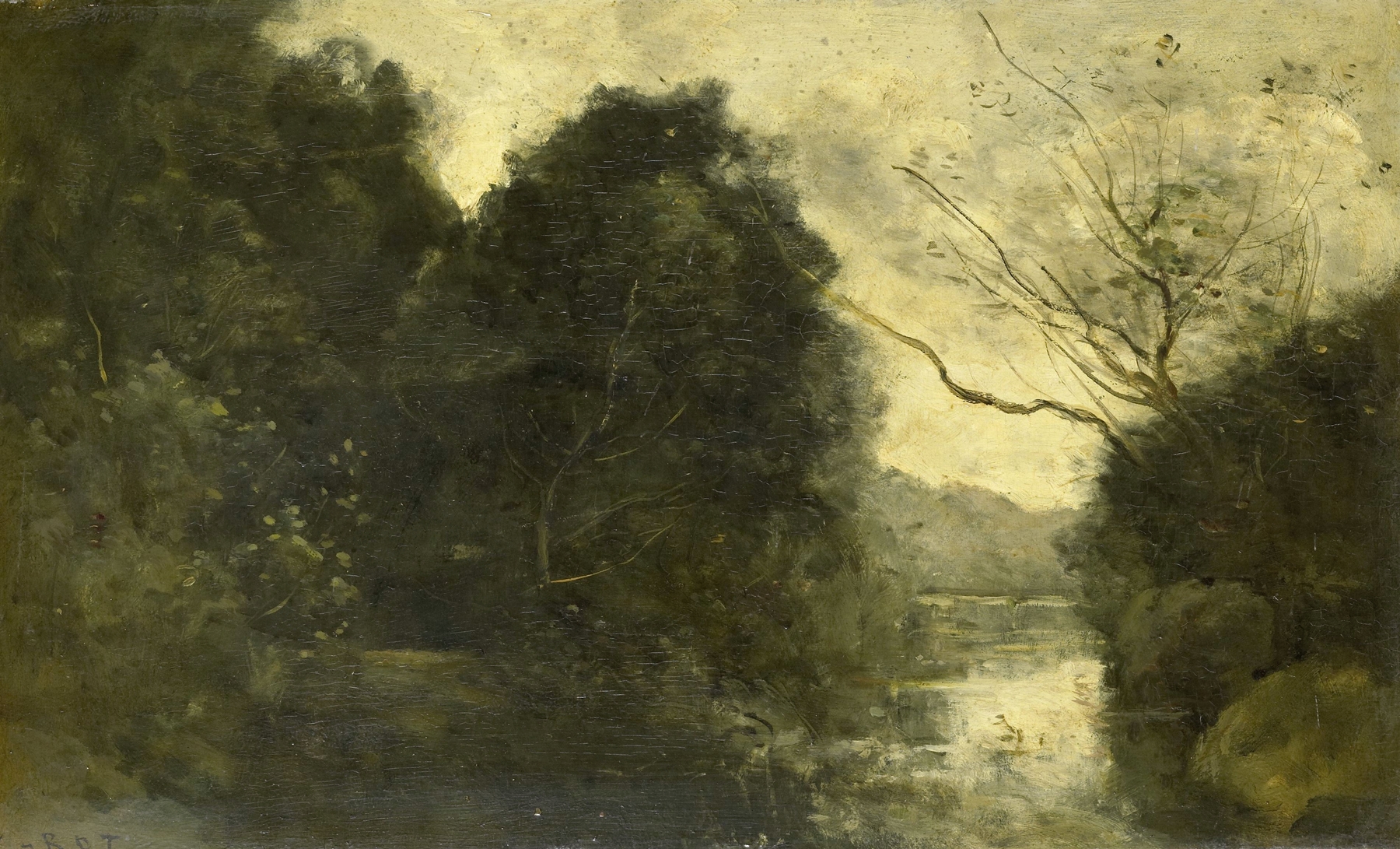
Pond in the Woods
Jean-Baptiste-Camille Corot
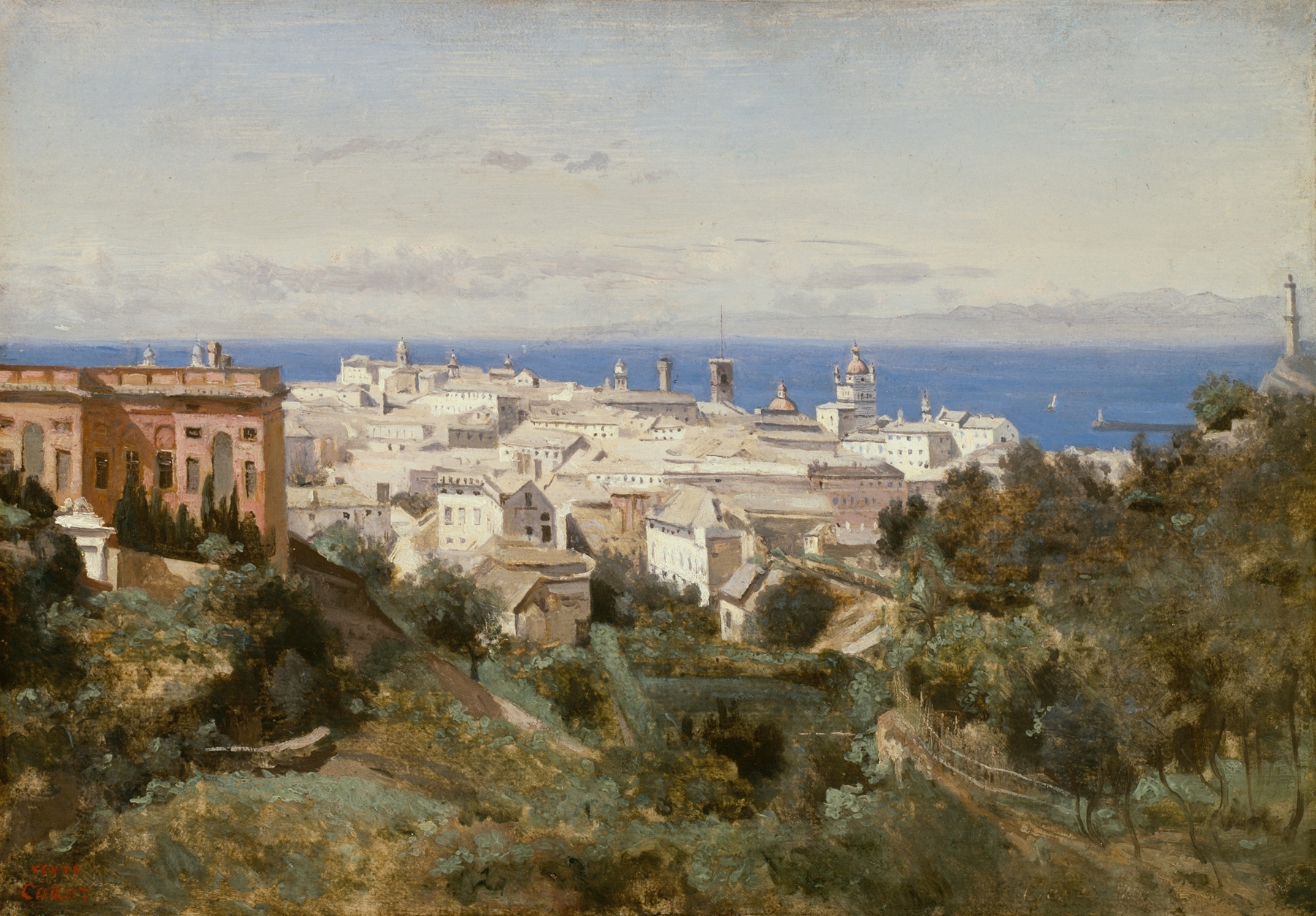
View of Genoa
Jean-Baptiste-Camille Corot
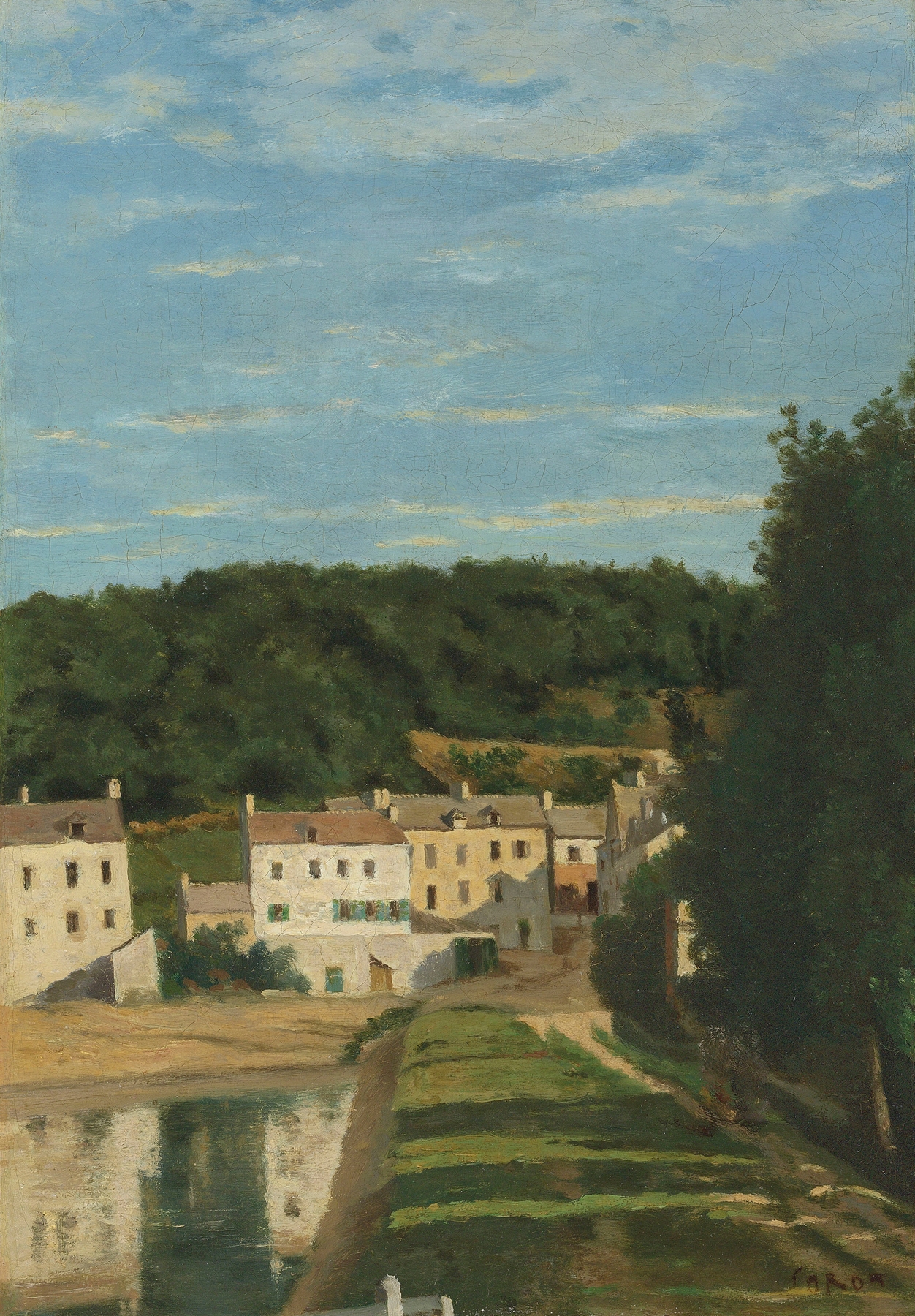
Les Maisons Cabassud À Ville D’avray
Jean-Baptiste-Camille Corot
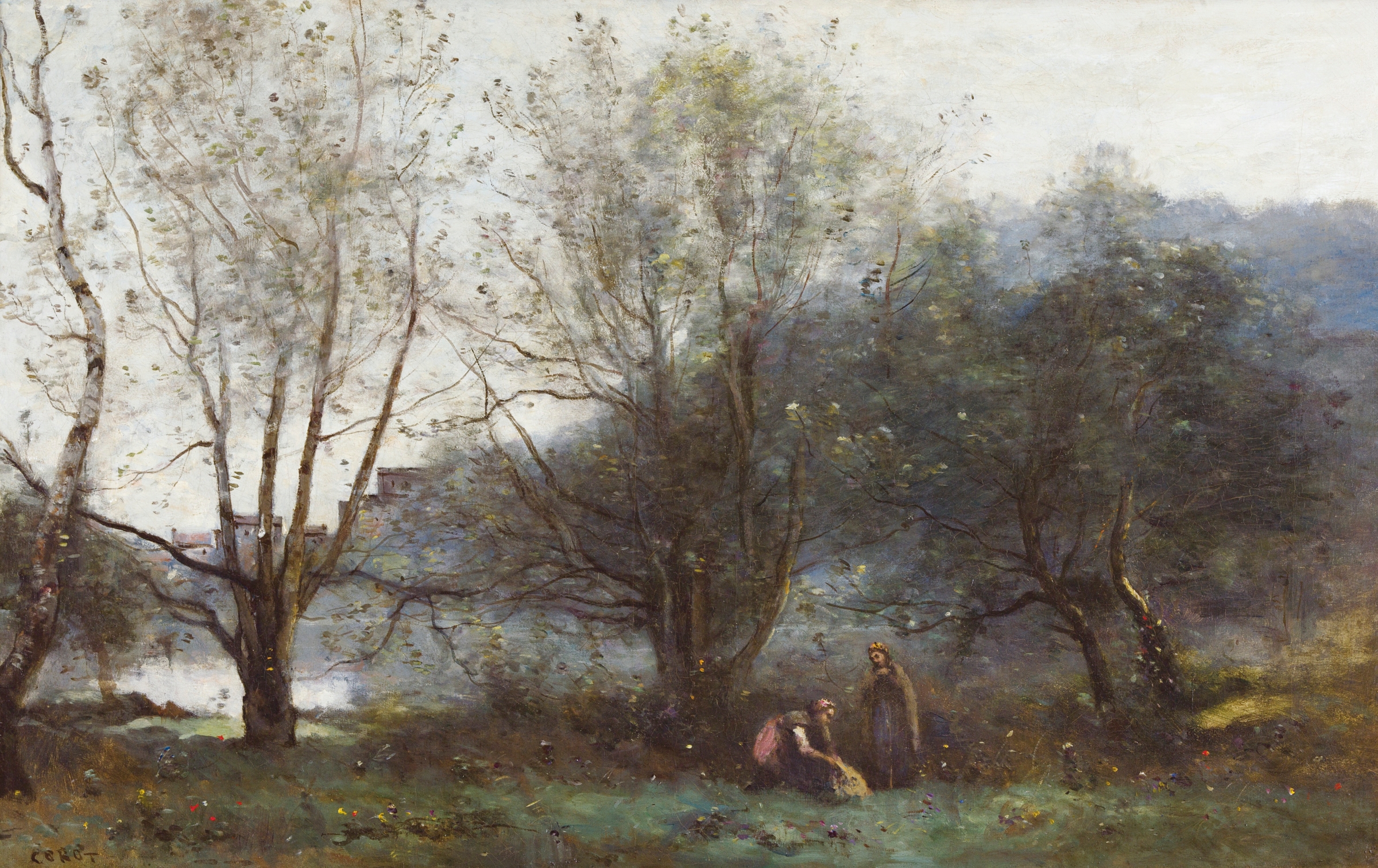
Les Étangs De Ville D’avray
Jean-Baptiste-Camille Corot
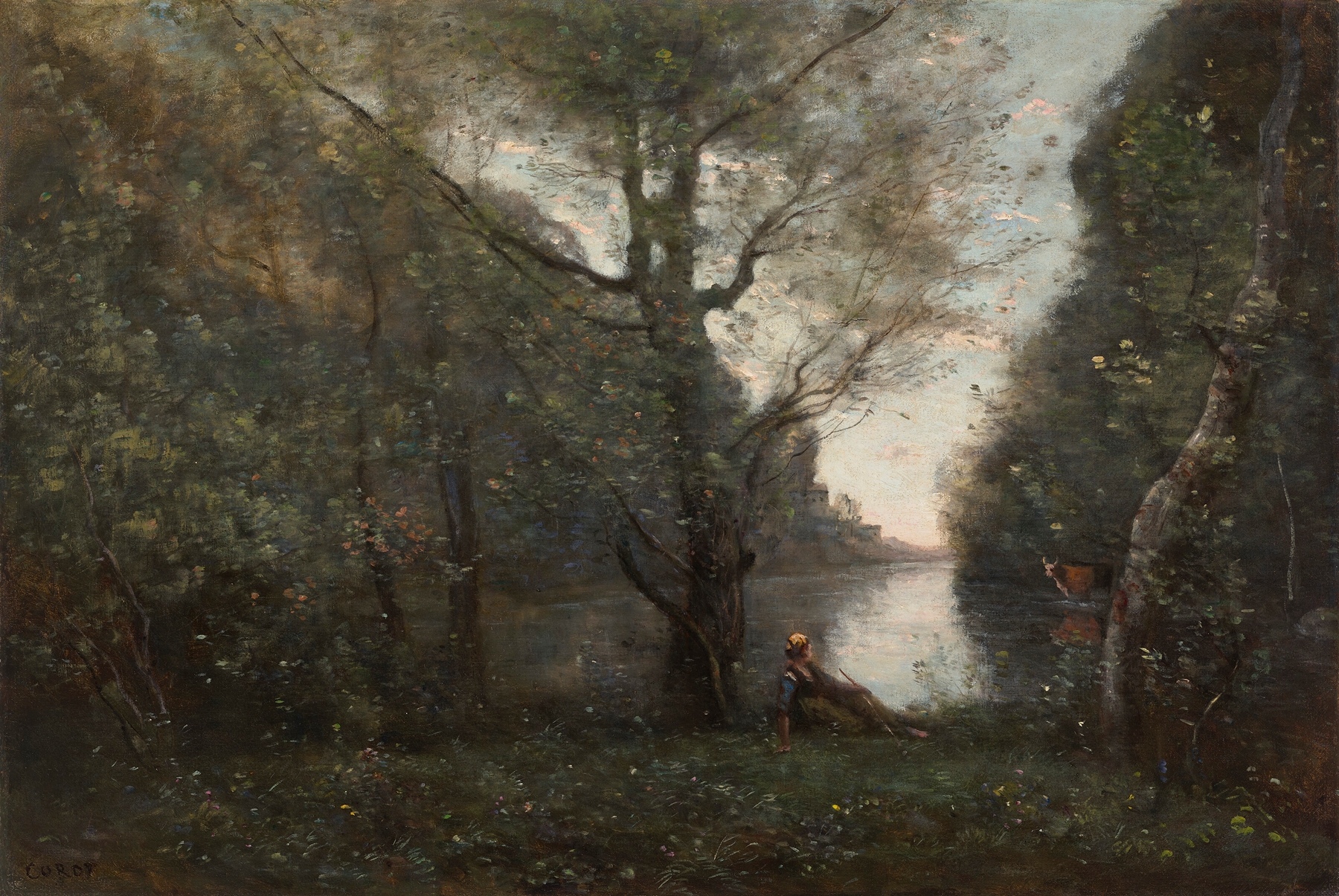
La solitude. Souvenir de Vigen (Limousin)
Jean-Baptiste-Camille Corot
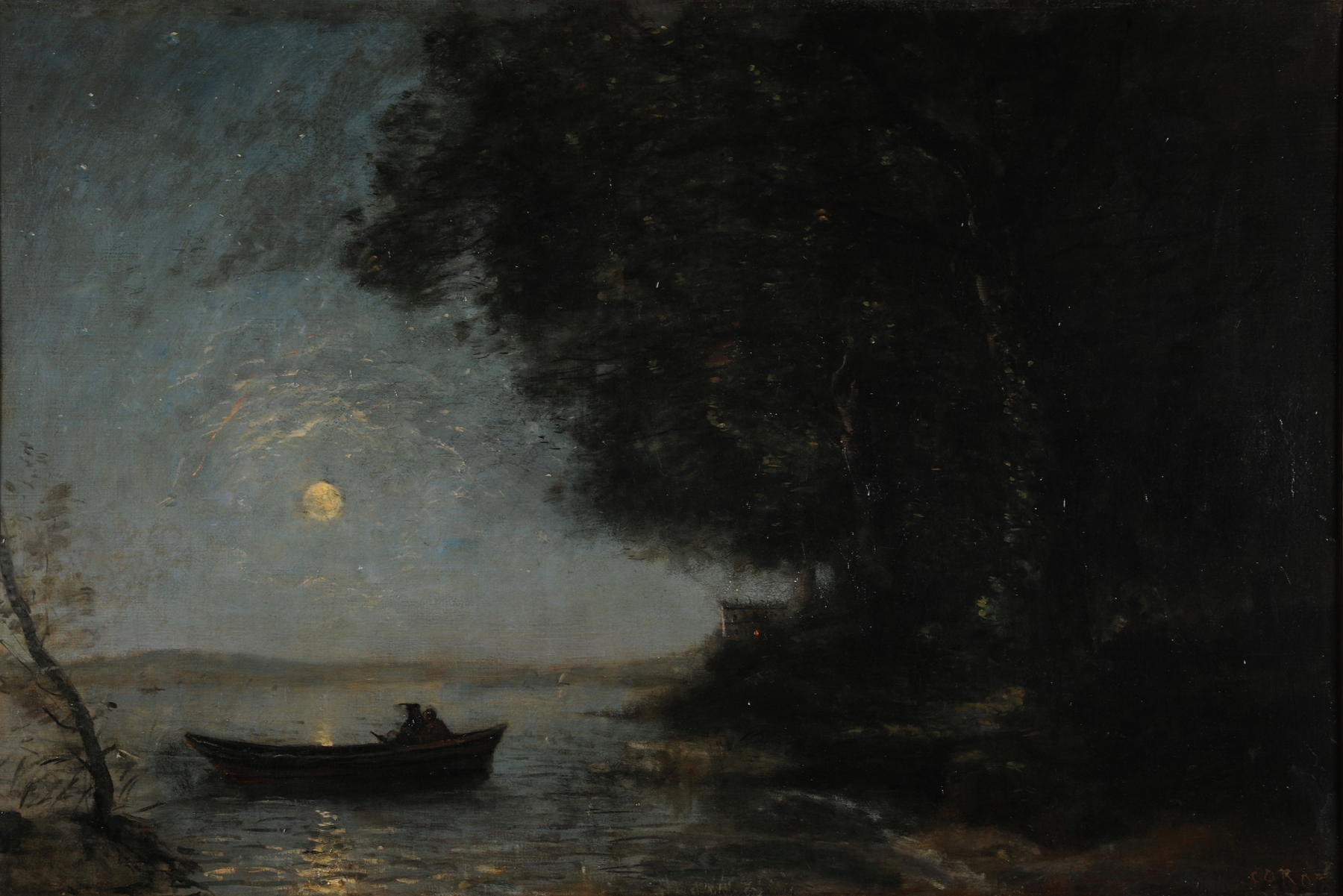
Le lac ; effet de nuit
Jean-Baptiste-Camille Corot
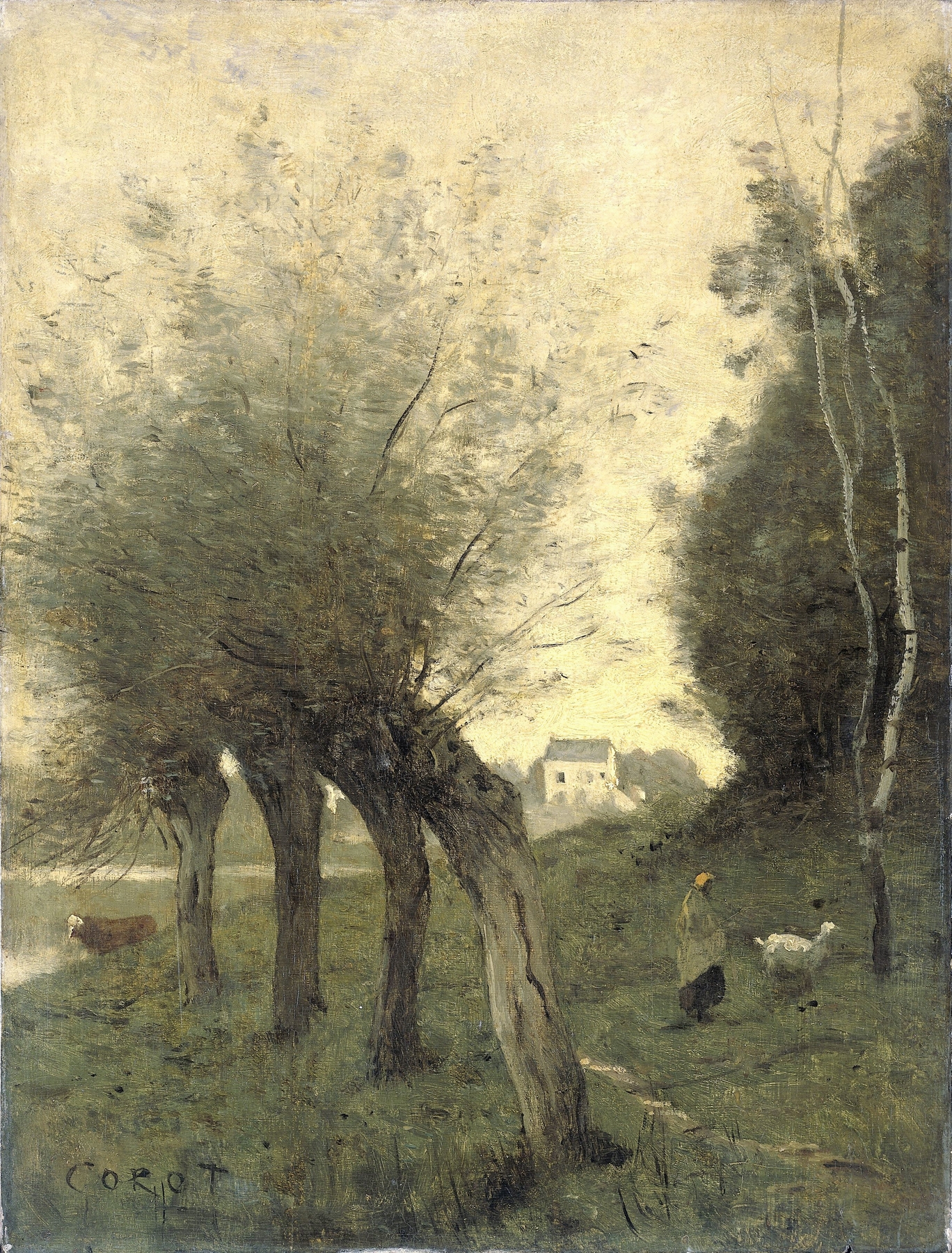
Landscape with Pollard Willows
Jean-Baptiste-Camille Corot
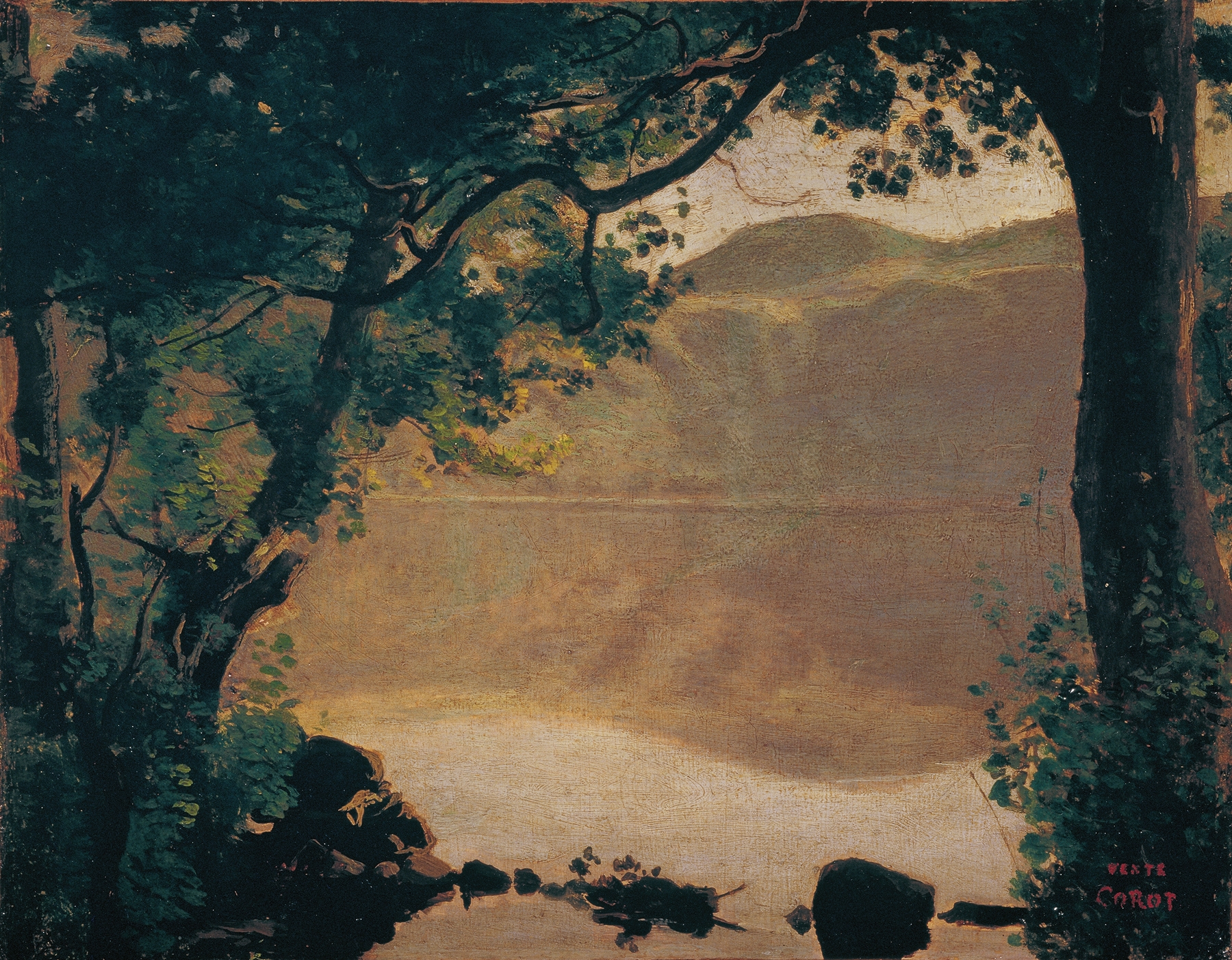
Der Nemisee
Jean-Baptiste-Camille Corot
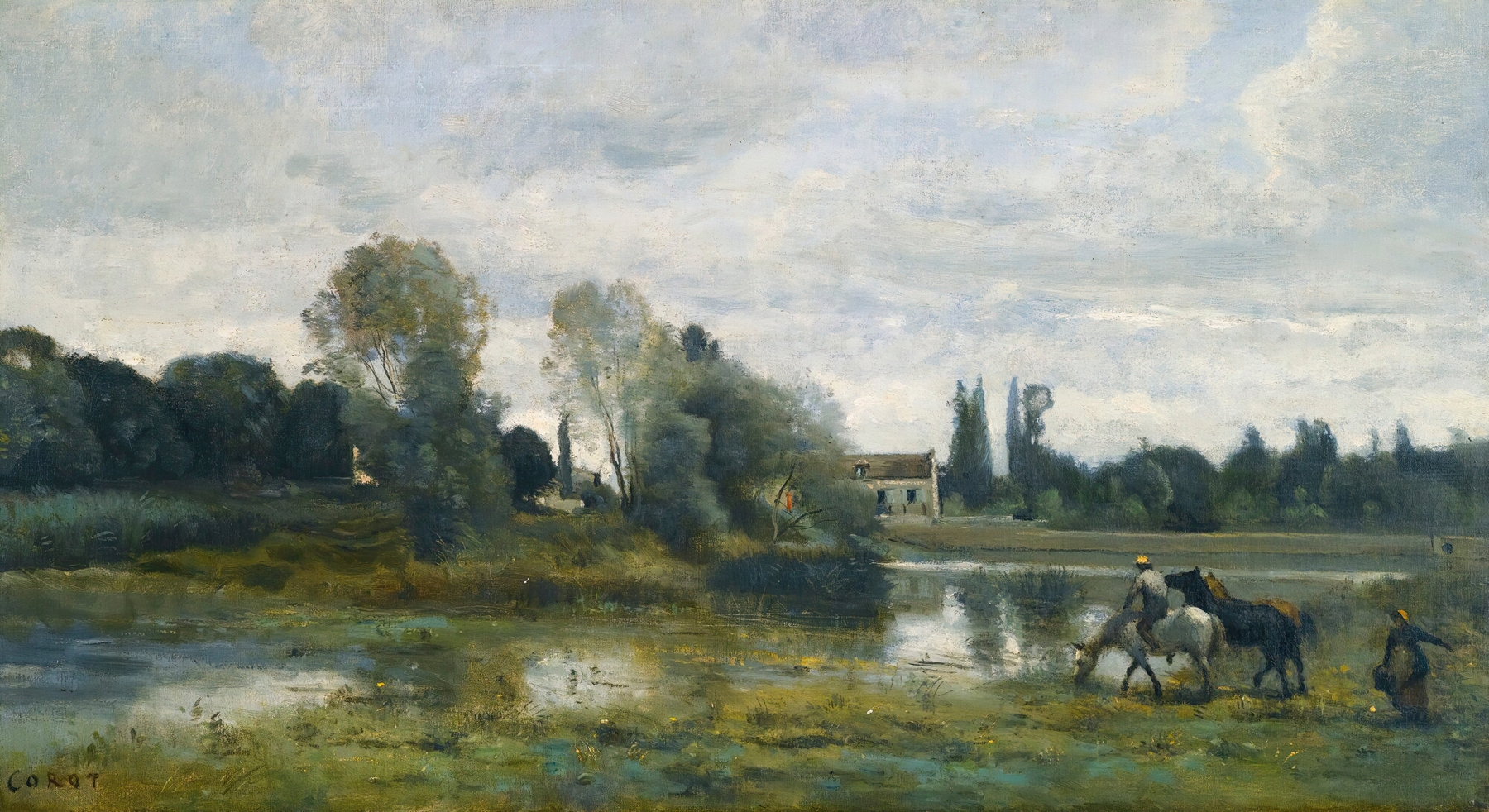
Ville D’avray; L’abreuvoir Des Chevaux
Jean-Baptiste-Camille Corot
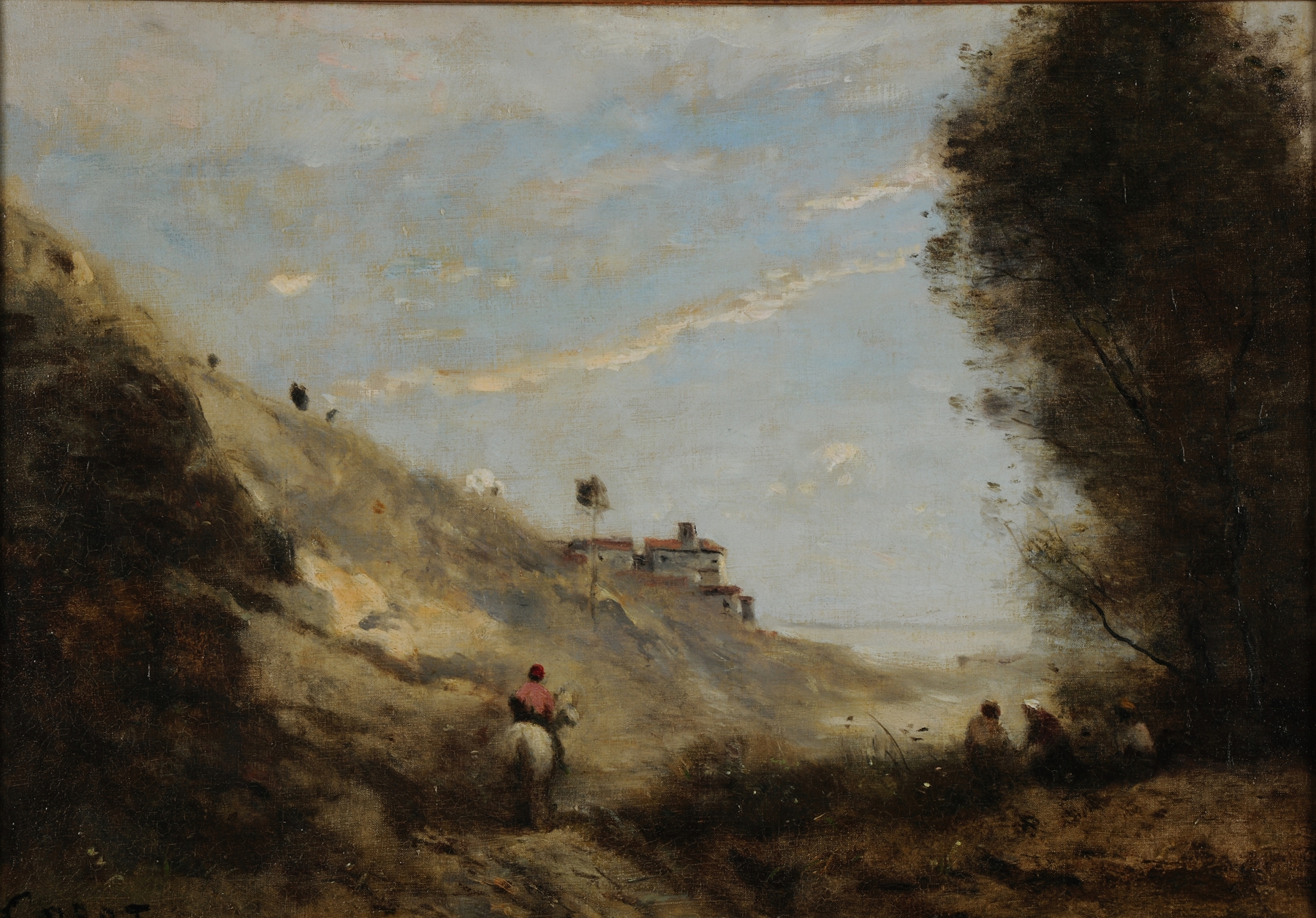
Le vallon au cavalier
Jean-Baptiste-Camille Corot