
Halfway House, Sadler’s Wells — History & Facts
In a world that relentlessly moves forward, capturing moments through art offers us a shelter from the passage of time, a place to reflect and remember. Look closely at the edges of Halfway House, Sadler’s Wells, where the gentle greens of the foliage blend with the earthy browns of the building. The way light filters through the trees creates a dappled effect, drawing your gaze toward the life teeming within the scene. Notice the precise brushwork that evokes textures, from the roughness of the stone to the softness of the blooming flowers, inviting you to feel the warmth of a fleeting afternoon. Yet beneath this serene exterior lies a contrast that speaks of transience.
The vibrant life depicted is juxtaposed with the structure, a reminder of stability in the face of change. Emotions stir in the quiet presence of the figures, whose stillness suggests stories untold—moments of joy intertwined with the inevitable melancholy of time’s passage. Each element, from the shadows cast by the trees to the still water reflecting the sky, echoes the tension between permanence and impermanence. In the midst of the 18th century, during an era of growing interest in landscape painting, the artist created this work while exploring the beauty of the English countryside.
Sandby, known for his detailed depictions of architectural settings, used this canvas to reflect his observations of nature and culture. At this time, the world was transitioning with industrial changes, yet his art served as a quiet testament to the timelessness of human experience within it.
More Artworks by Paul Sandby
Browse all →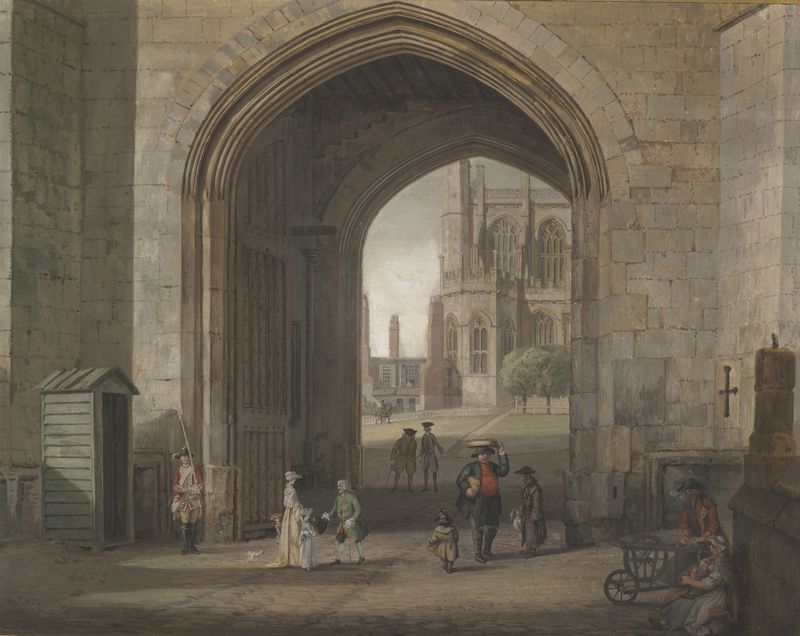
The Tower Gate at Windsor Castle
Paul Sandby

A Distant View of Maidstone, from Lower Bell Inn, Boxley Hill
Paul Sandby
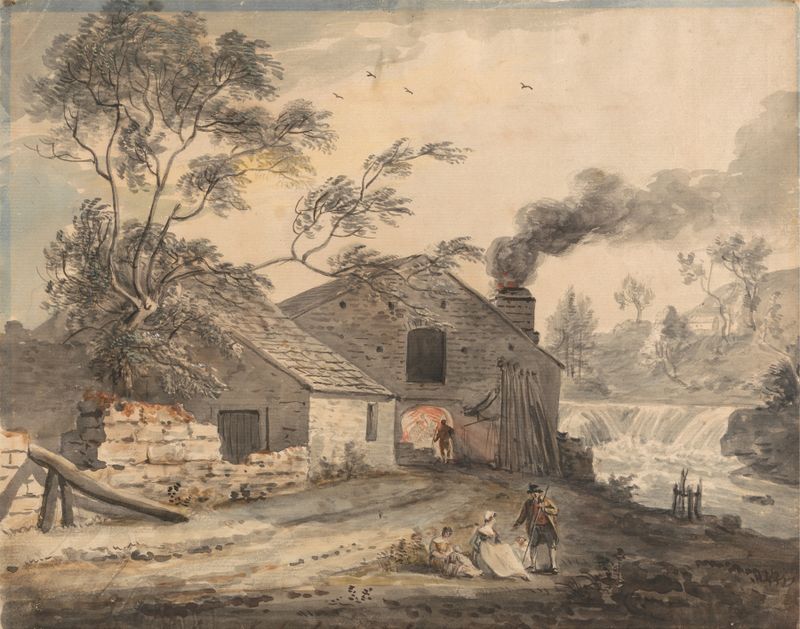
Iron Forge on the River Kent, Westmorland
Paul Sandby
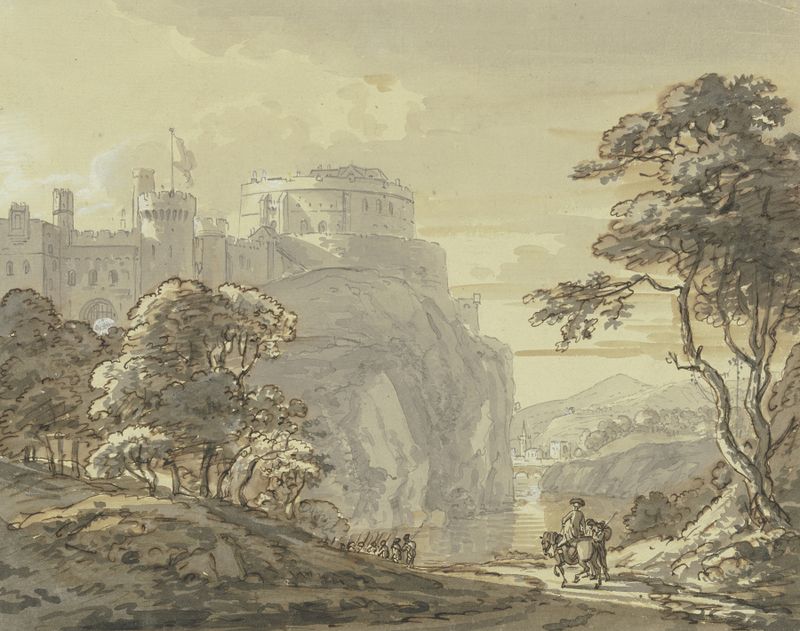
View of Windsor Castle
Paul Sandby

Hackwood Park, Hampshire
Paul Sandby

Roslin Castle, Midlothian
Paul Sandby
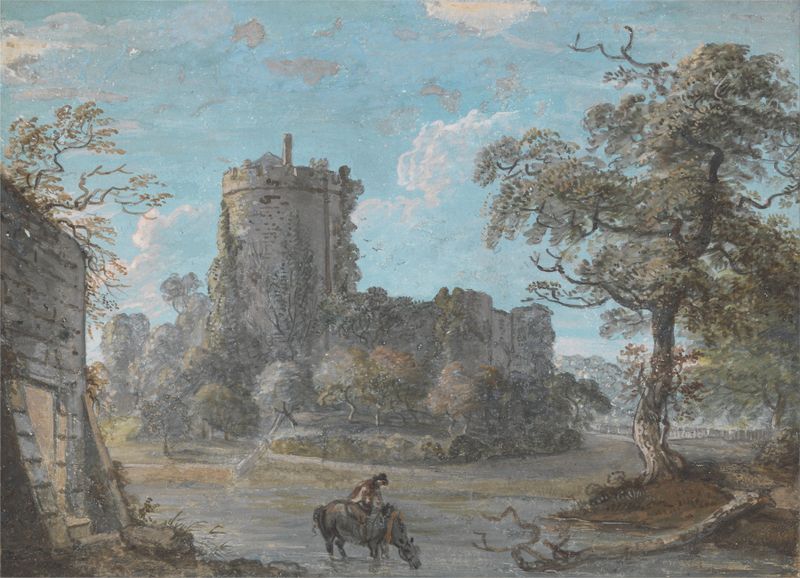
The Entrance to Chepstow Castle
Paul Sandby
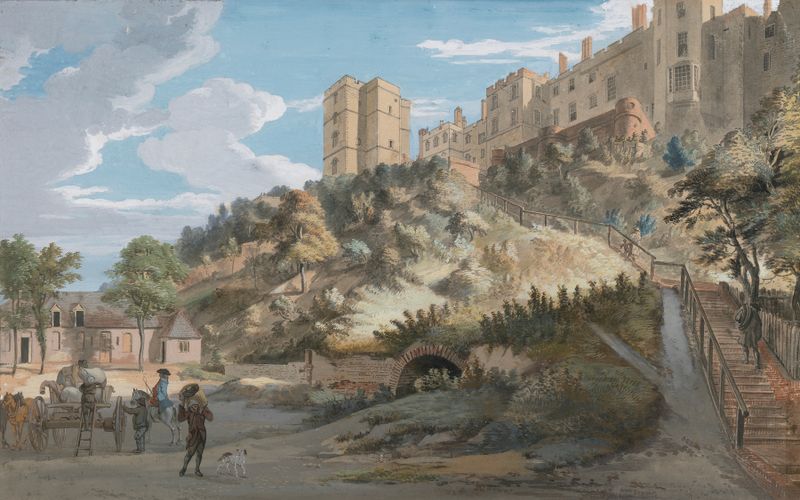
The Hundred Steps and Winchester Tower, Windsor Castle, Berkshire
Paul Sandby

Brook End, Essex
Paul Sandby
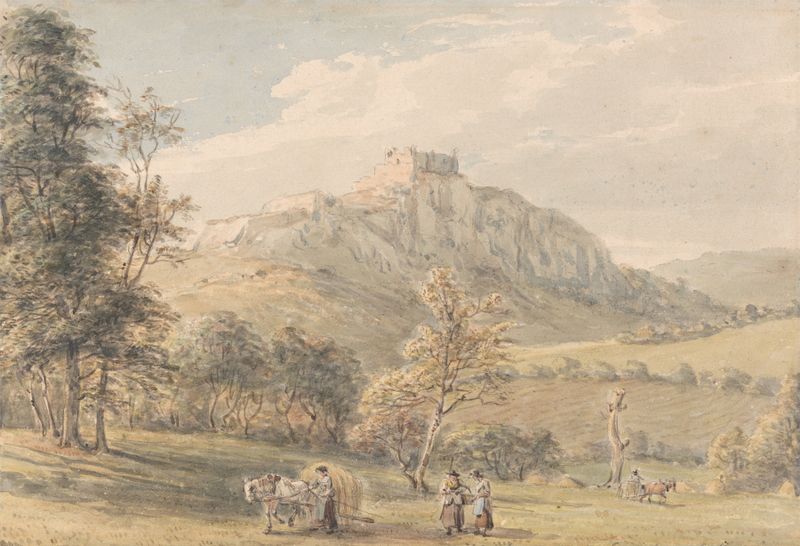
Carreg Cennen Castle
Paul Sandby





