
Hamlet — History & Facts
Who listens when art speaks of silence? In Hamlet, each brushstroke resonates with a profound longing, echoing the human desire for connection amidst isolation. Focus on the figure at the center, poised in contemplative stillness. Notice how the somber palette of deep blues and muted grays envelops him, creating a sense of introspection. The subtle play of light accentuates the contours of his face, revealing a haunting vulnerability.
As your gaze travels outward, the surrounding darkness pushes against the edges, mirroring the internal conflict that defines the character’s struggle. Delve into the intricate details: the faint outline of a skull in the shadows hints at mortality, while the play of shadows casts an air of foreboding. The absence of vibrant color enhances the tension between despair and hope, illustrating a heart torn apart by desire and regret. These elements converge to evoke the essence of Hamlet’s plight, where every silent moment is filled with unspoken words and unfulfilled dreams. Zolo Palugyay created this piece between 1930 and 1935, a time marked by political upheaval and artistic experimentation.
Living in a world brimming with uncertainty, he sought to explore the complexities of the human condition through expressionistic forms. His work, deeply influenced by the surrounding socio-political landscape, examines existential themes that resonate still today, inviting viewers to confront their own desires and doubts.
More Artworks by Zolo Palugyay
Browse all →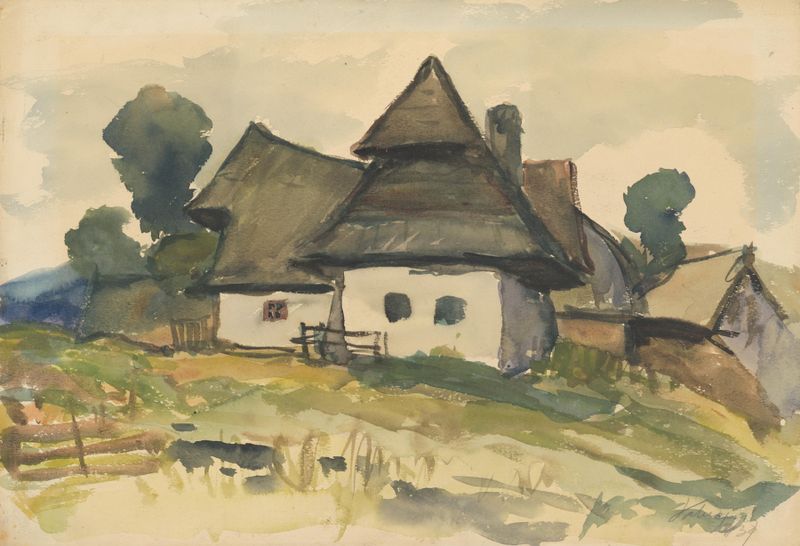
Dedinský motív
Zolo Palugyay
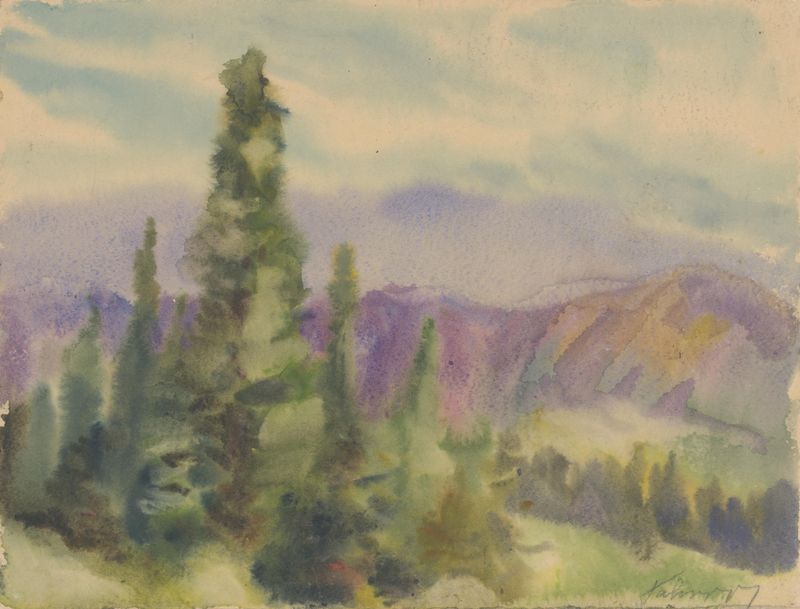
Motif from Liptov Mountains
Zolo Palugyay
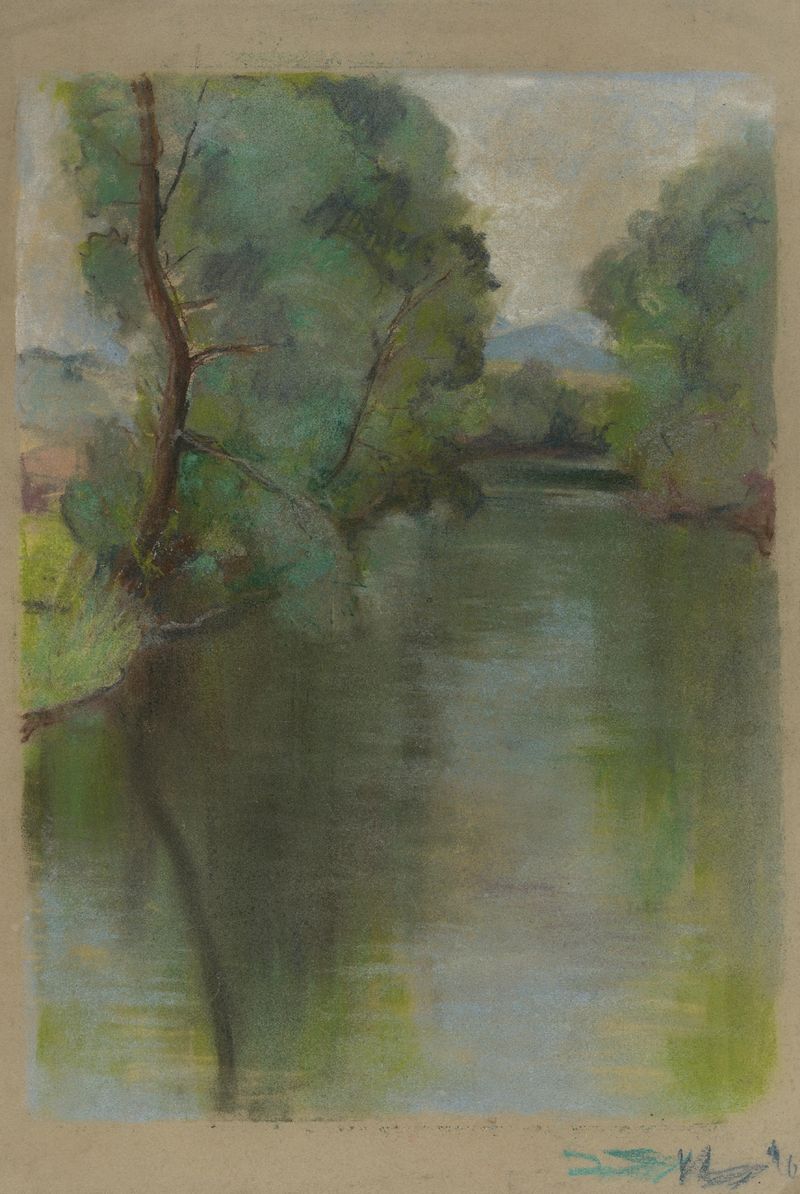
Silent River
Zolo Palugyay
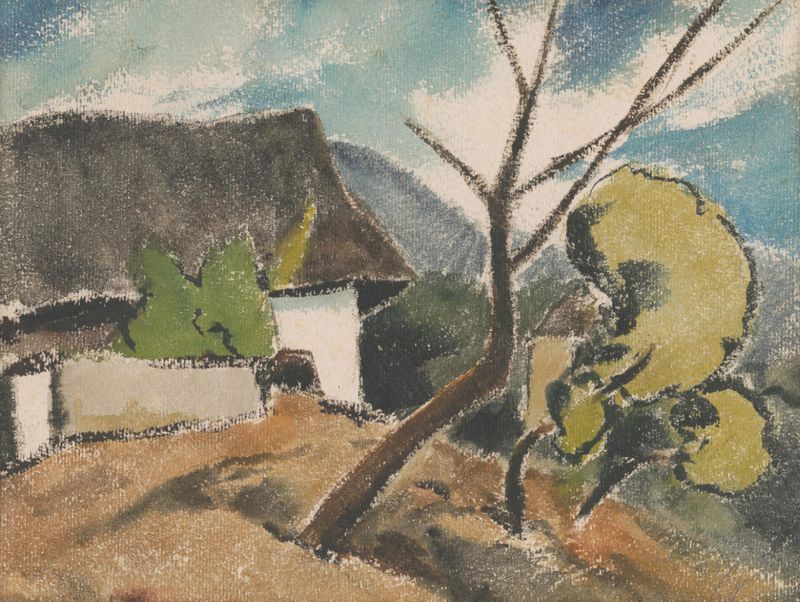
Oravská chalupa
Zolo Palugyay
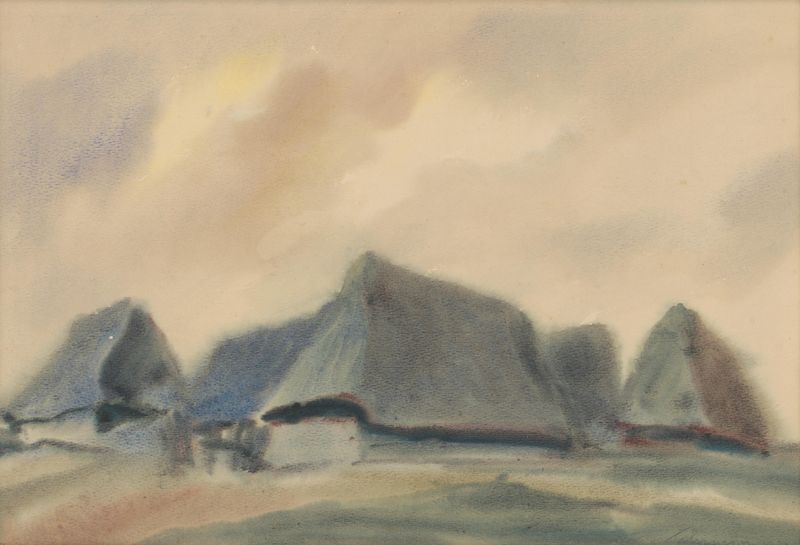
Modré chalupy
Zolo Palugyay
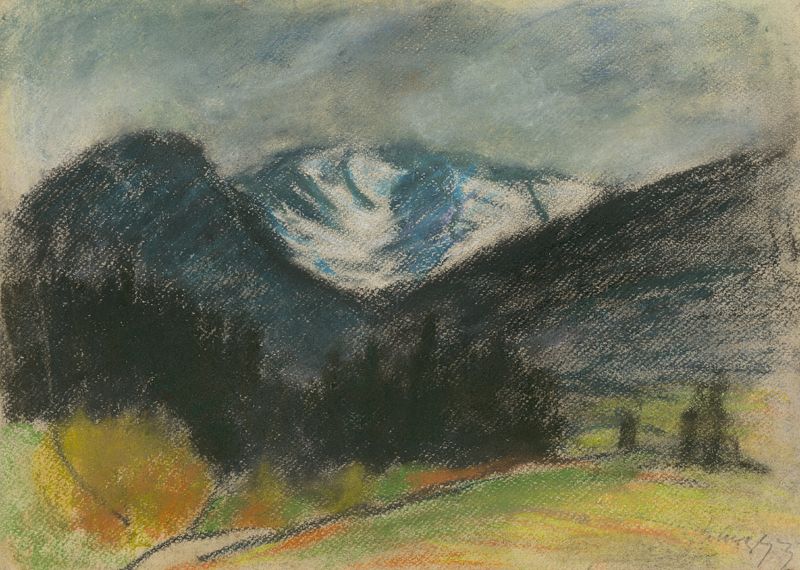
Mountain Landscape with Snowy Peaks
Zolo Palugyay
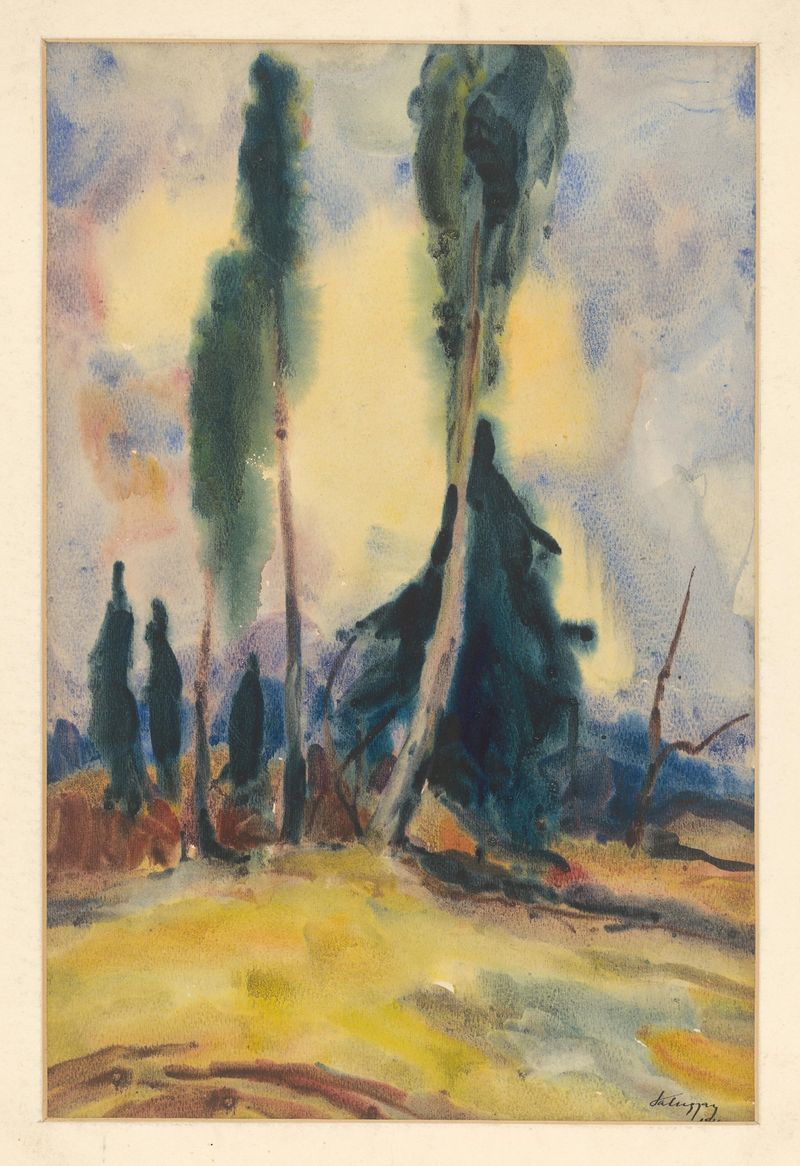
Three Trees on a Plain
Zolo Palugyay
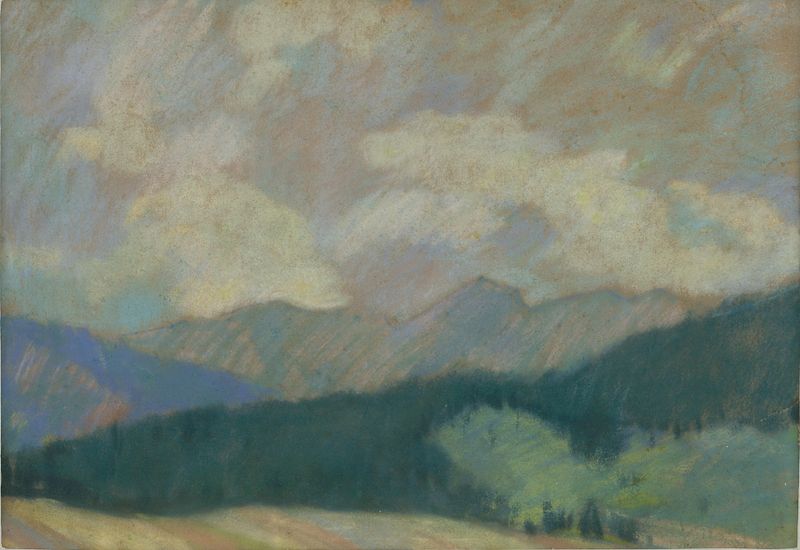
Horská krajina
Zolo Palugyay
Tatra Landscape
Zolo Palugyay
Spring Landscape
Zolo Palugyay





