Hanger met vliegende cupido — History & Facts
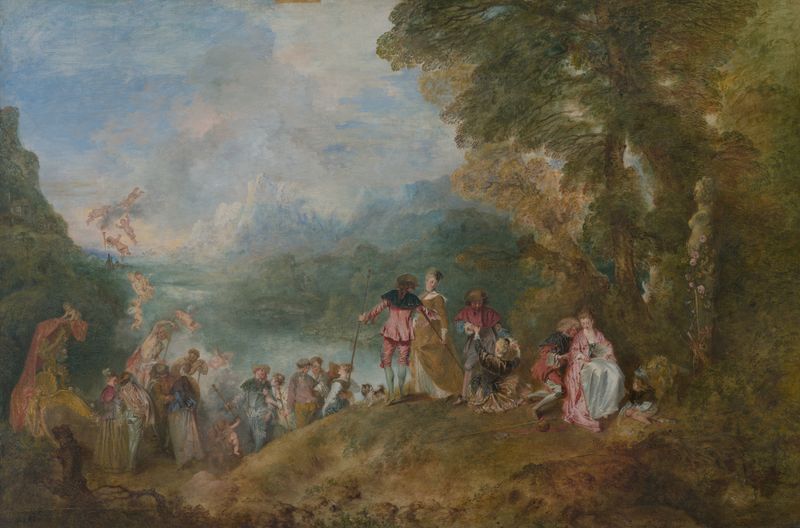
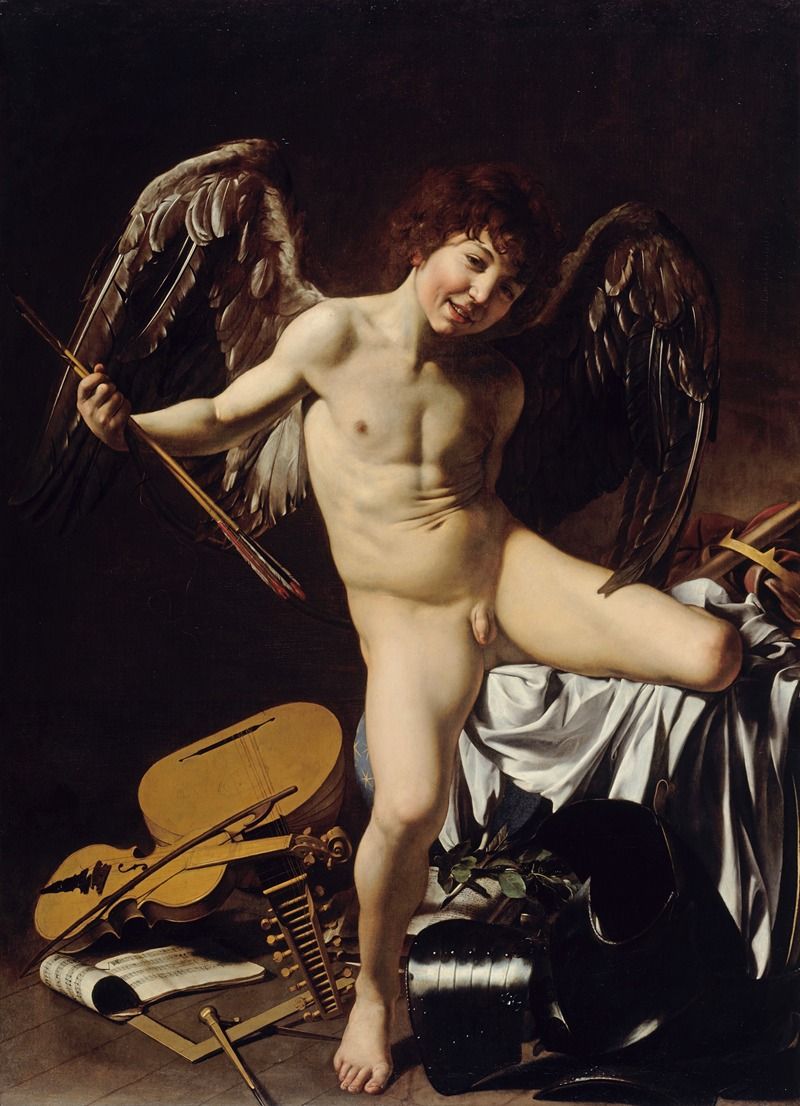
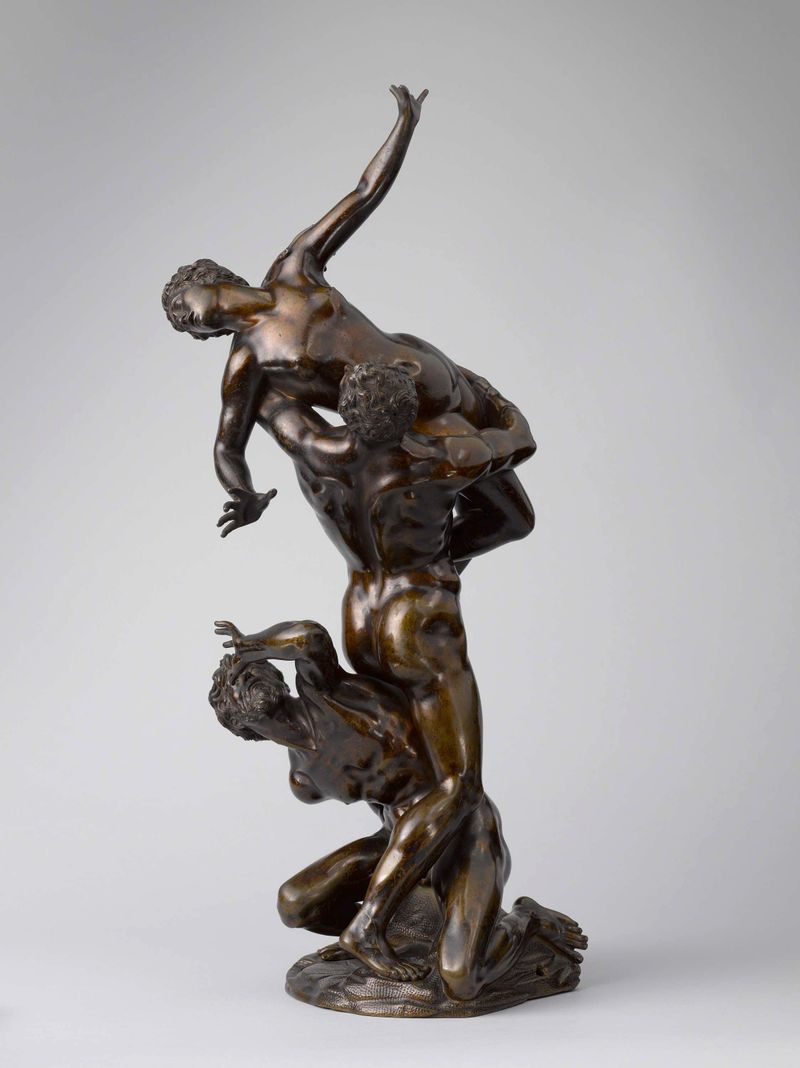
Within the delicate confines of this artwork, a sense of profound loneliness resonates, echoing through the ages. Look to the center, where the figure of a solitary hanger emerges, entwined with the airy form of a flying Cupid. The juxtaposition of the earthly and the ethereal creates a striking tension, pulling the viewer between realms. The color palette is muted yet rich, with deep browns and soft pastels that enhance the vulnerability of the subject while inviting contemplation.
Each element, from the finely rendered fabric of the hanger to the soft, billowing drapery of Cupid’s wings, reveals an intricate dance of light and shadow that heightens the emotional depth. A sense of isolation permeates the piece—the hanger, an object typically associated with attachment, hangs still, suggesting a yearning for connection. Meanwhile, Cupid's presence, often a symbol of love and passion, contrasts sharply with the stillness of the hanger, evoking themes of unreciprocated affection and longing. This duality deepens the narrative, as the viewer is left to ponder the interplay between desire and solitude. Created around 1600, this work reflects a period of transition in the art world, where artists began experimenting with symbolism and emotional expression.
The unknown creator, possibly influenced by the burgeoning Baroque movement, aimed to capture the complexities of human emotions during a time marked by social and political upheaval. The painting stands as a testament to the universal experience of loneliness, enduring through centuries, inviting each observer to reflect on their own connections.
More Artworks by Unknown Artist
Browse all →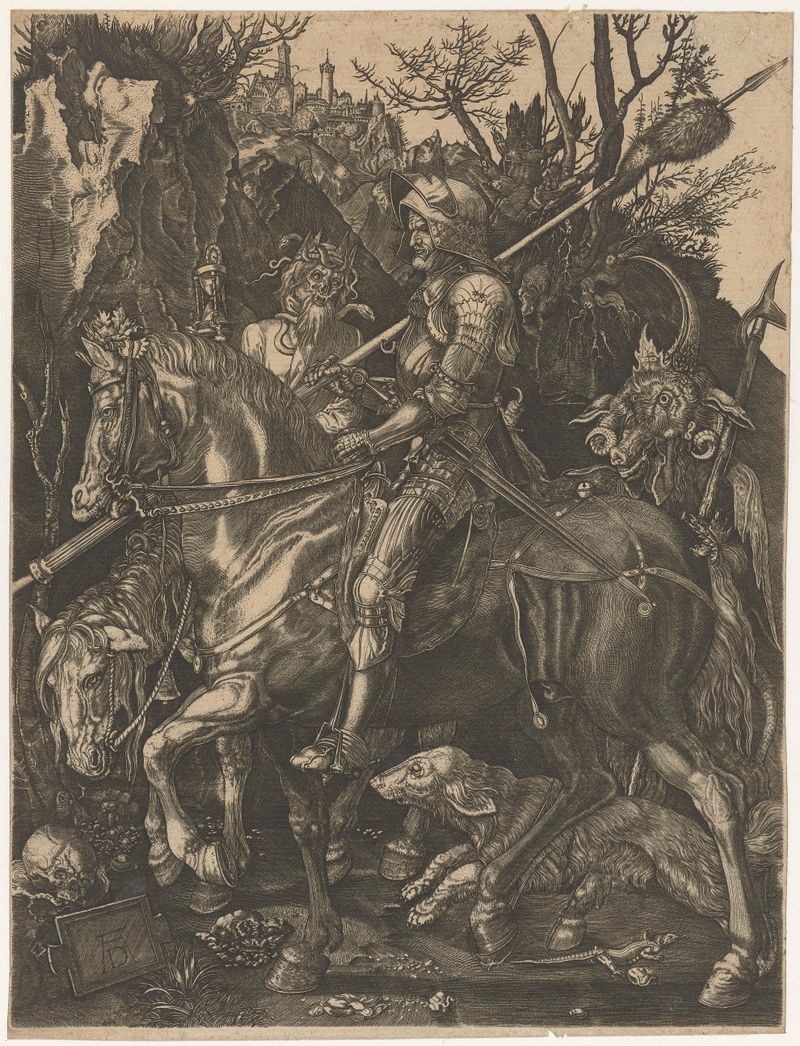
Ridder, Dood en Duivel
Unknown Artist
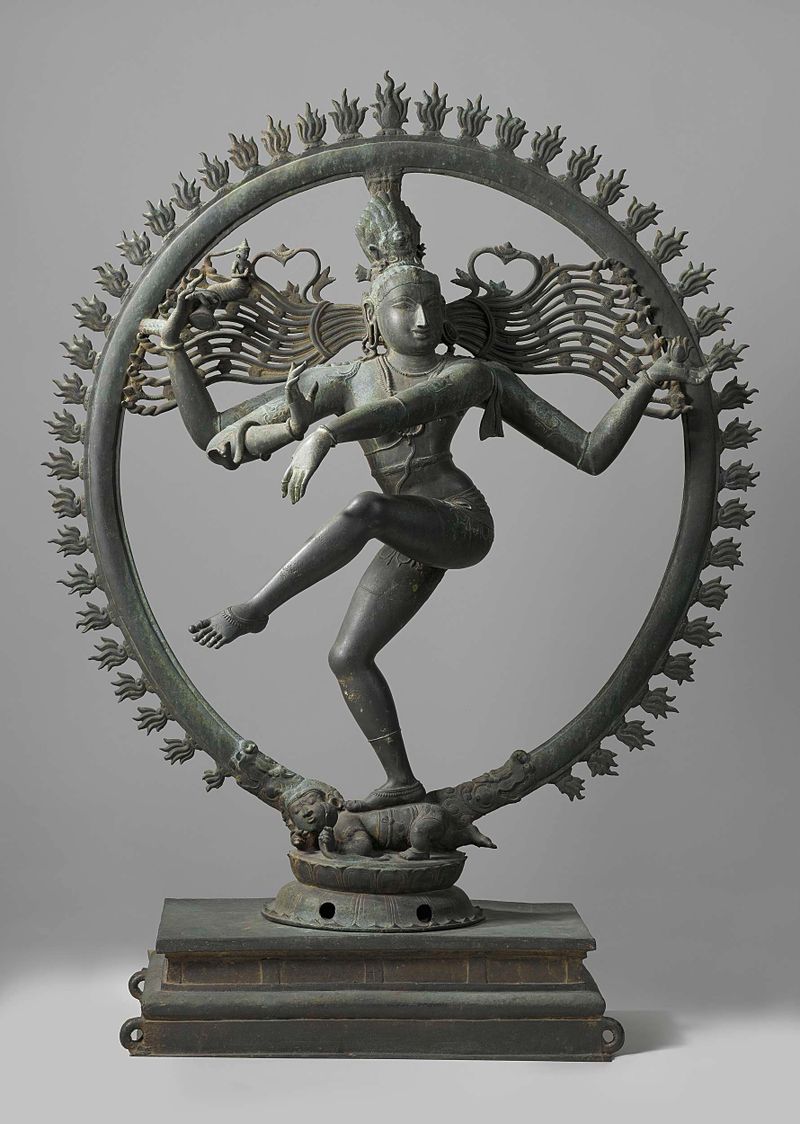
Shiva Nataraja
Unknown Artist
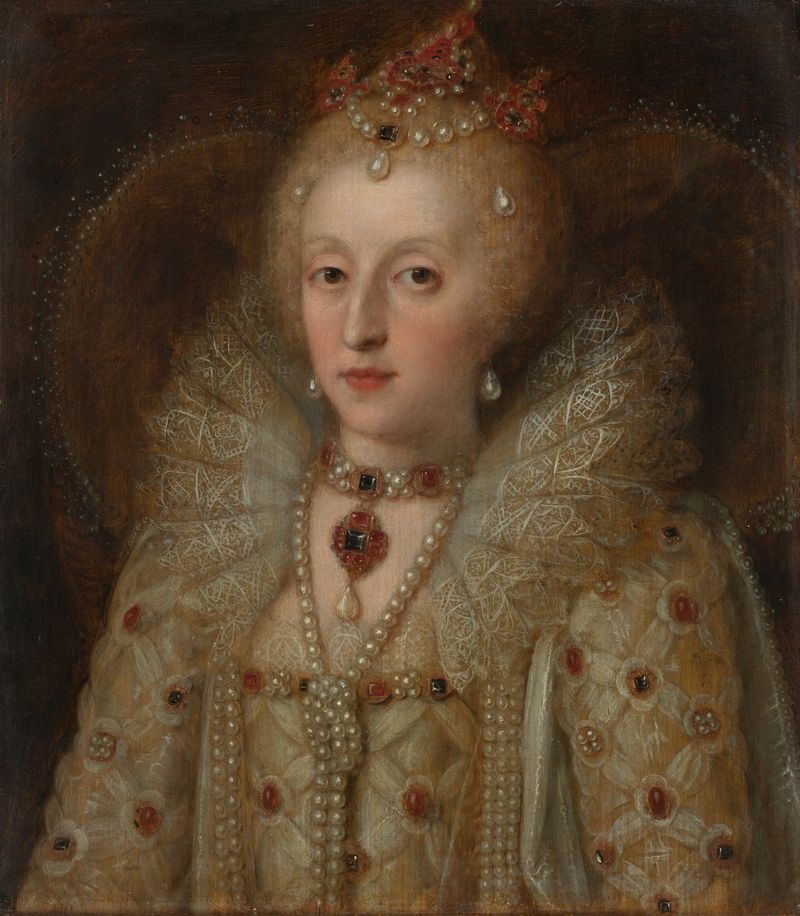
Portrait of Elizabeth I, Queen of England
Unknown Artist
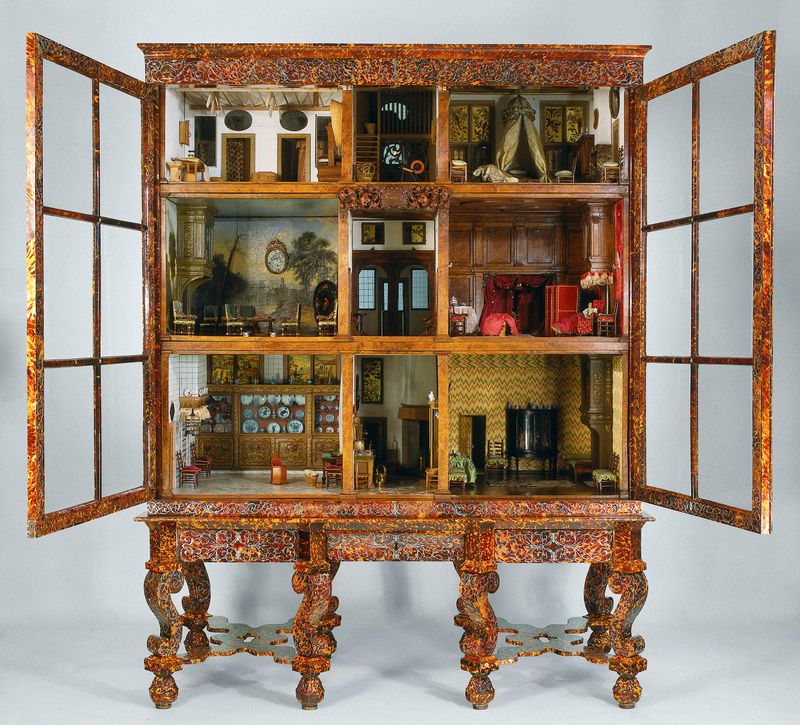
Dolls’ house of Petronella Oortman
Unknown Artist
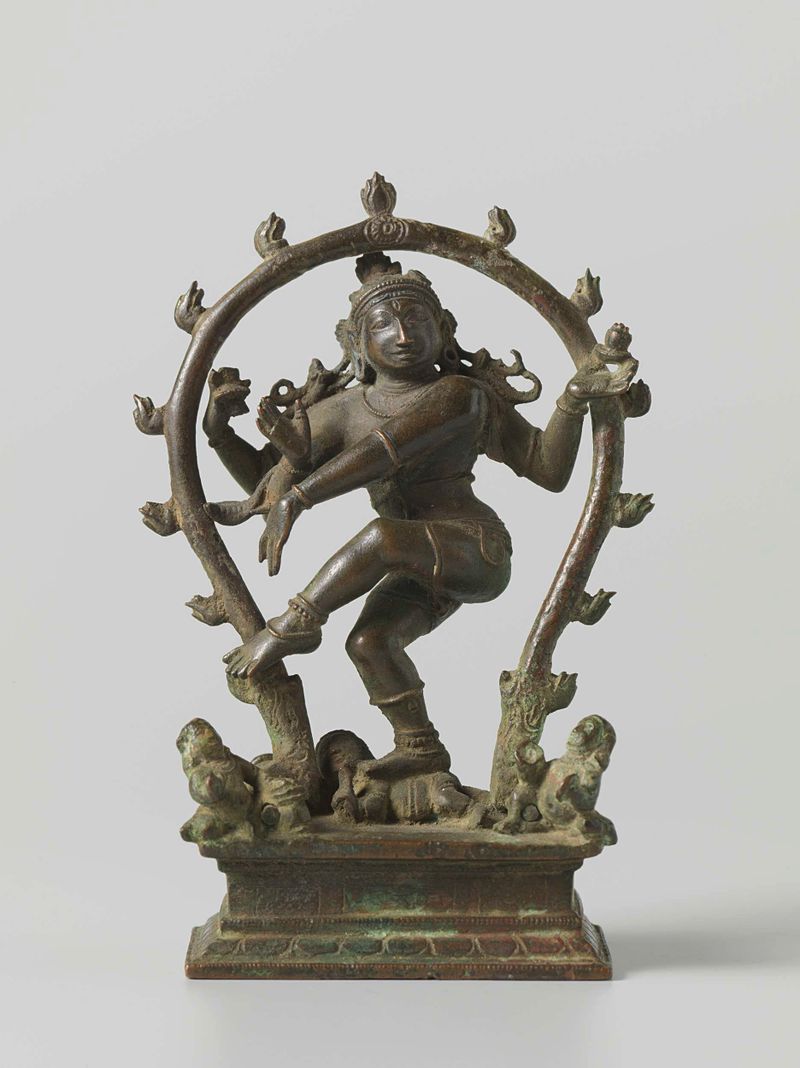
Shiva Nataraja
Unknown Artist

The Tale of Genji
Unknown Artist

The Tale of Genji
Unknown Artist

Cong
Unknown Artist
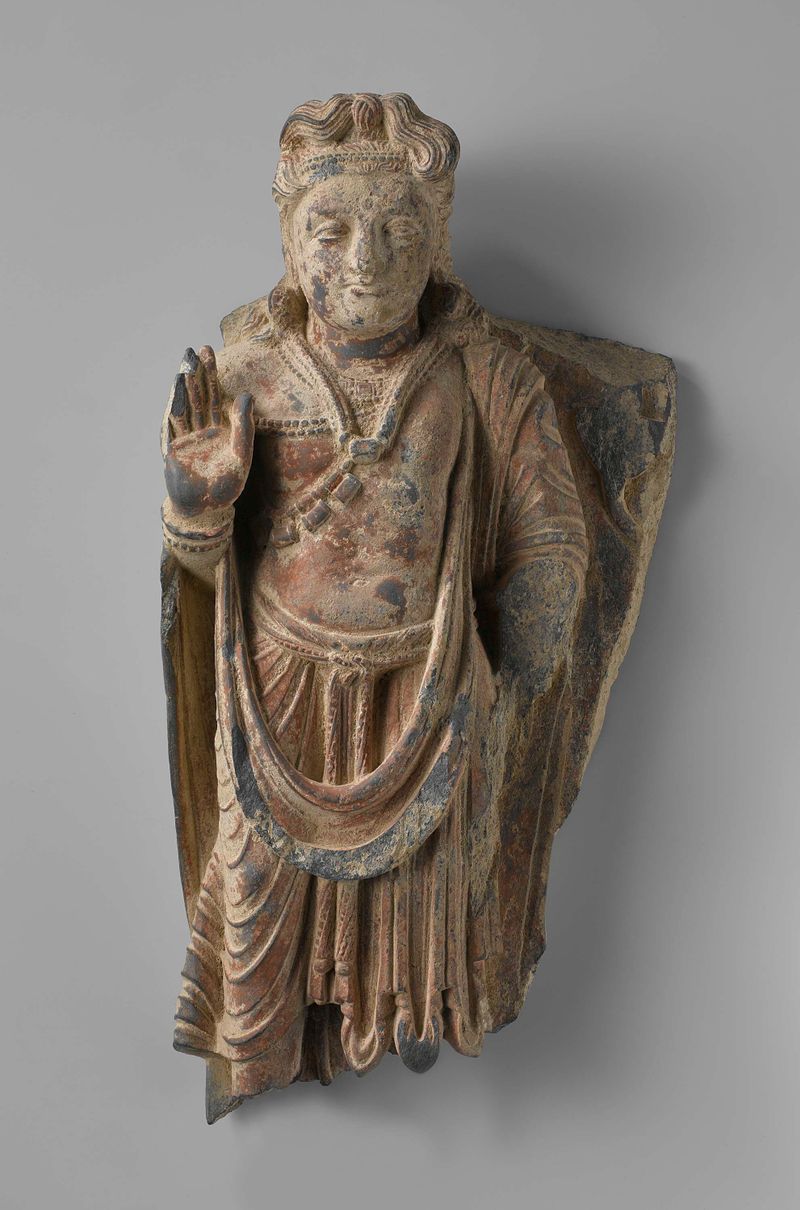
The bodhisattva Maitreya
Unknown Artist

Teabowl with a 'hare's fur' glaze
Unknown Artist