
Hanna weigert het eten dat Elkana haar aanbiedt — History & Facts
Did the painter know this moment would outlive them? In Hanna weigert het eten dat Elkana haar aanbiedt, a quiet tension hangs in the air as a simple act of refusal unfolds, echoing through time with each brushstroke. The richness of color breathes life into the scene, inviting us to pause and reflect on its deeper implications. Look to the left at the figure of Hanna, her delicate hand raised in an elegant gesture of rejection. The deep maroons and soft earth tones envelop her, contrasting sharply with the vibrant greens and golds that surround Elkana, who stands in a posture of both hope and desperation.
The painter’s mastery of light captures the subtle interplay of emotion, illuminating Hanna's face while casting shadows that hint at unspoken feelings lurking beneath the surface. The composition builds a quiet yet palpable tension between the two figures, suggesting layers of meaning within their exchange. The bounty of food offered—symbolic of sustenance, duty, and perhaps expectation—stands in stark contrast to Hanna's resolute stance. This juxtaposition reveals a hidden struggle for autonomy, reflecting the constraints of societal roles and personal desires.
The colors not only enhance the narrative but also evoke feelings of longing and rejection, inviting viewers to ponder the weight of Hanna's choice. Hans Holbein (II) painted this work in 1538, during a period when he was establishing himself in the vibrant art scene of the Northern Renaissance. Having moved to England, he was navigating the complexities of court life and humanist ideals. The painting reflects a blend of personal and cultural narratives, capturing a pivotal moment steeped in both emotional depth and artistic ambition.
More Artworks by Hans Holbein (II)
Browse all →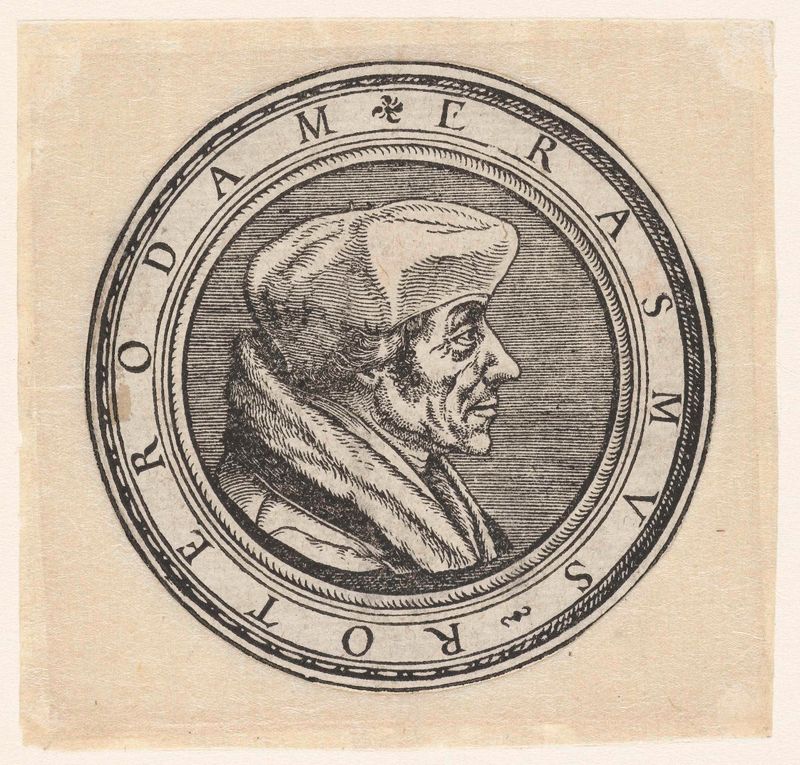
Portret van Erasmus
Hans Holbein (II)
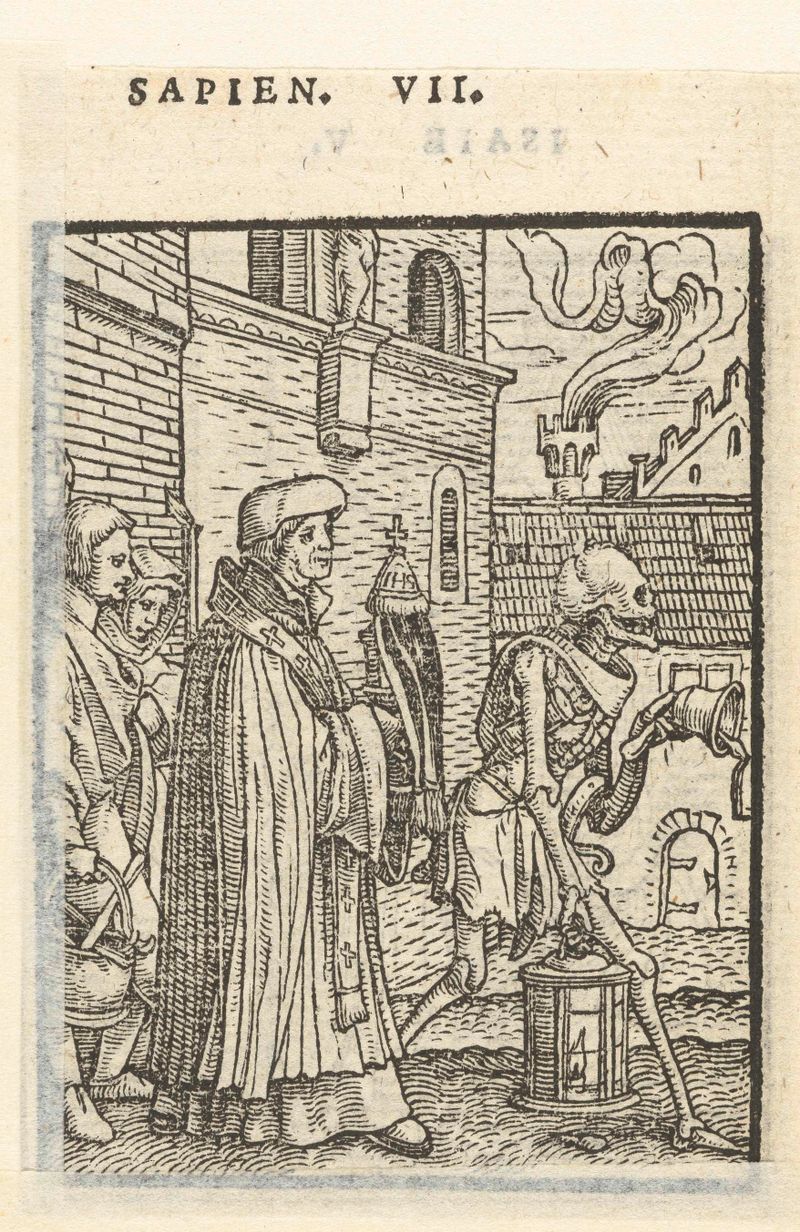
Priester en de Dood
Hans Holbein (II)
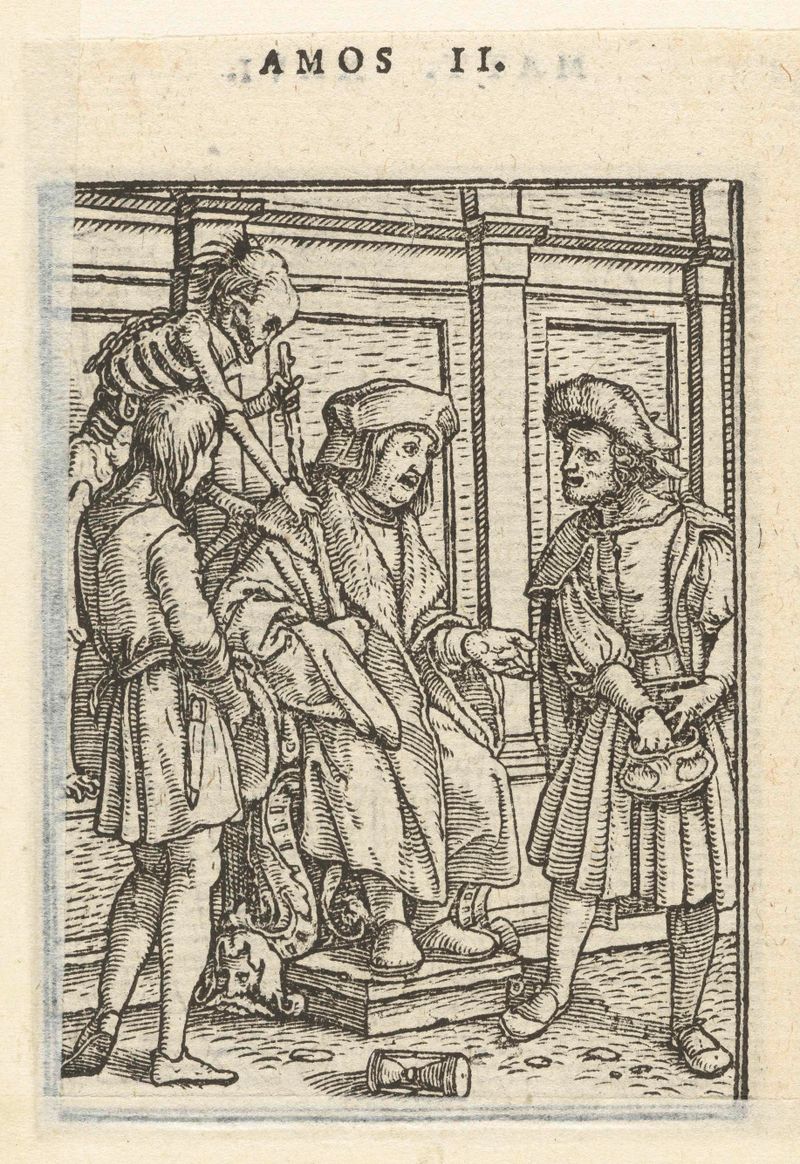
Rechter en de Dood
Hans Holbein (II)
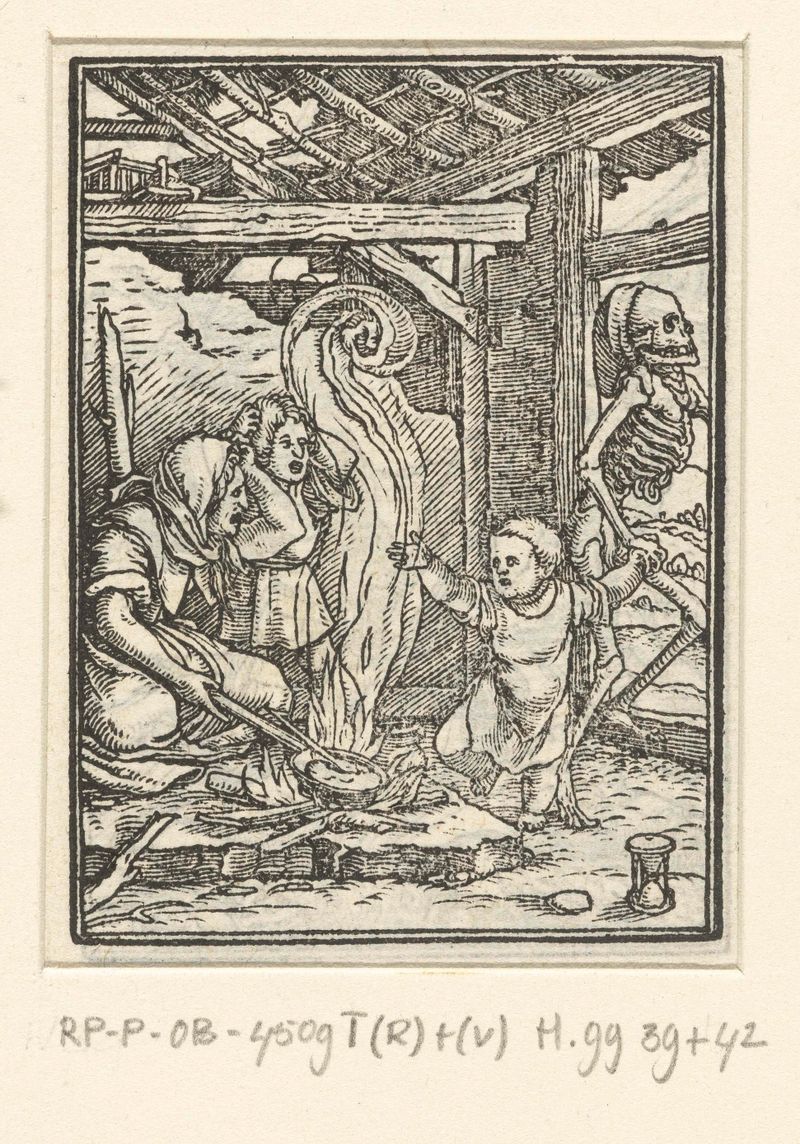
Kind en de Dood
Hans Holbein (II)
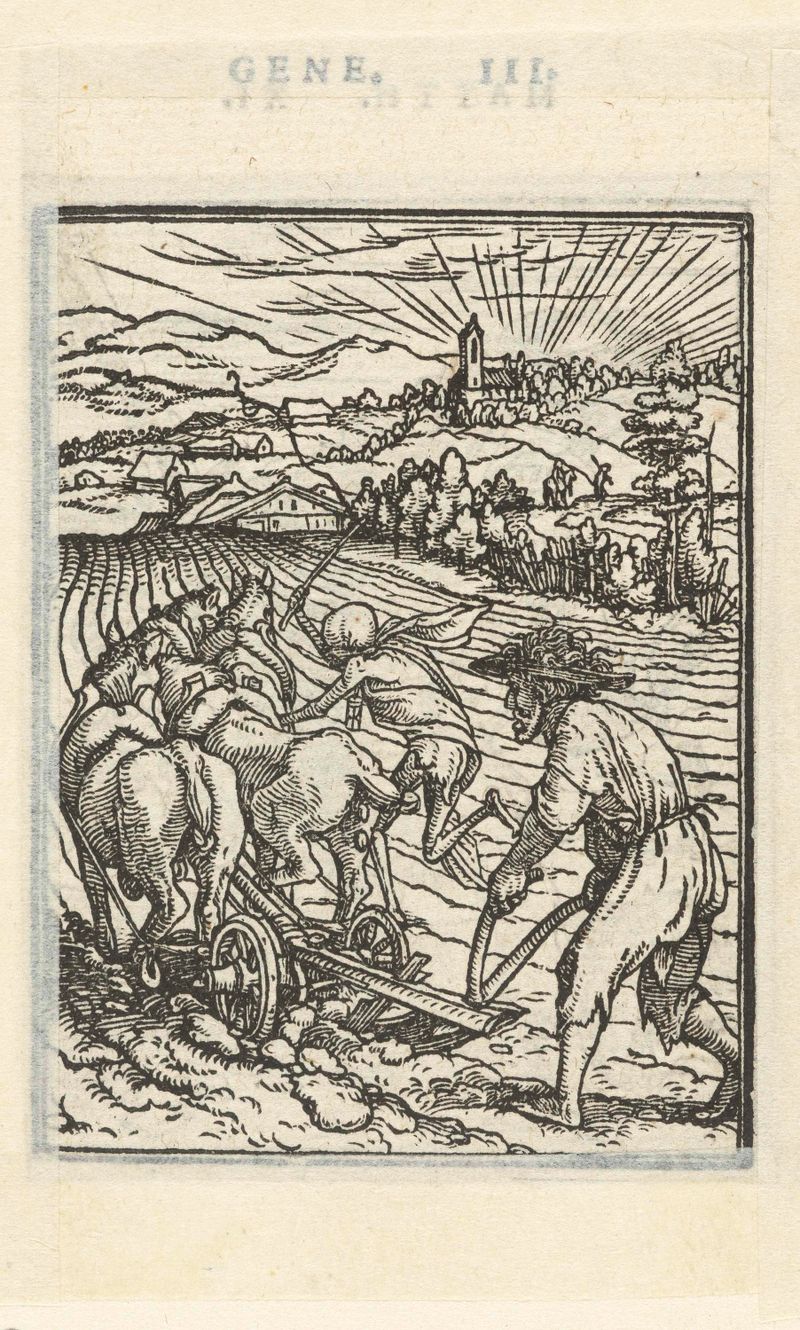
Boer en de Dood
Hans Holbein (II)
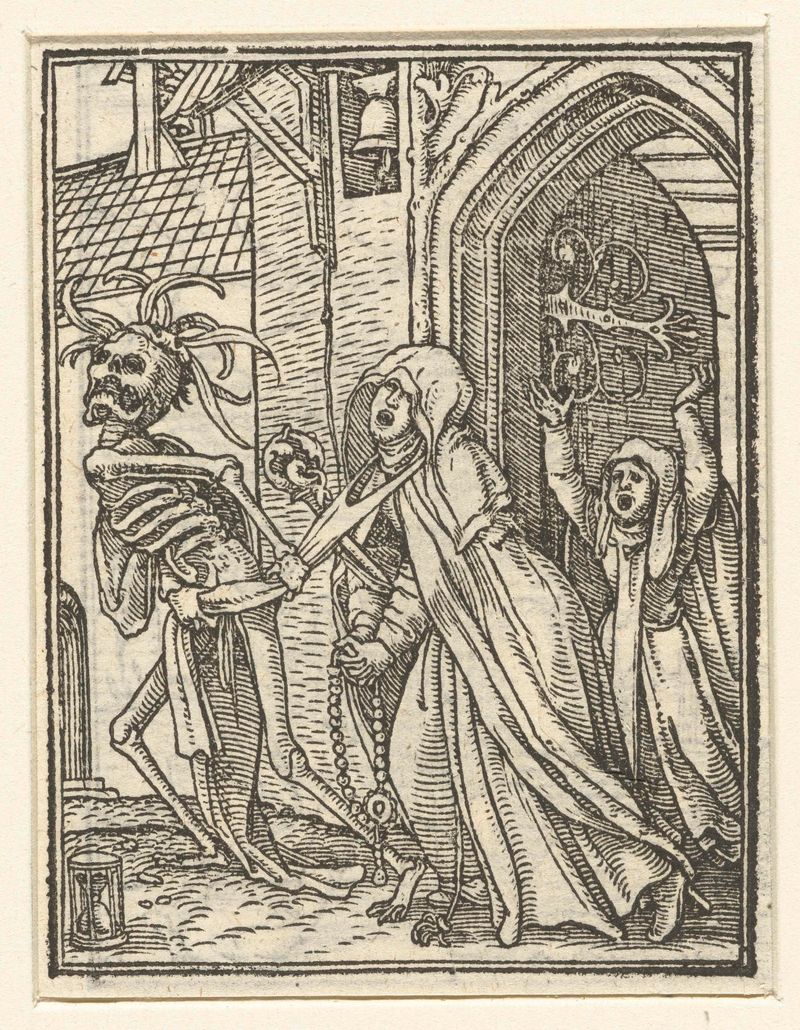
Abdis en de Dood
Hans Holbein (II)
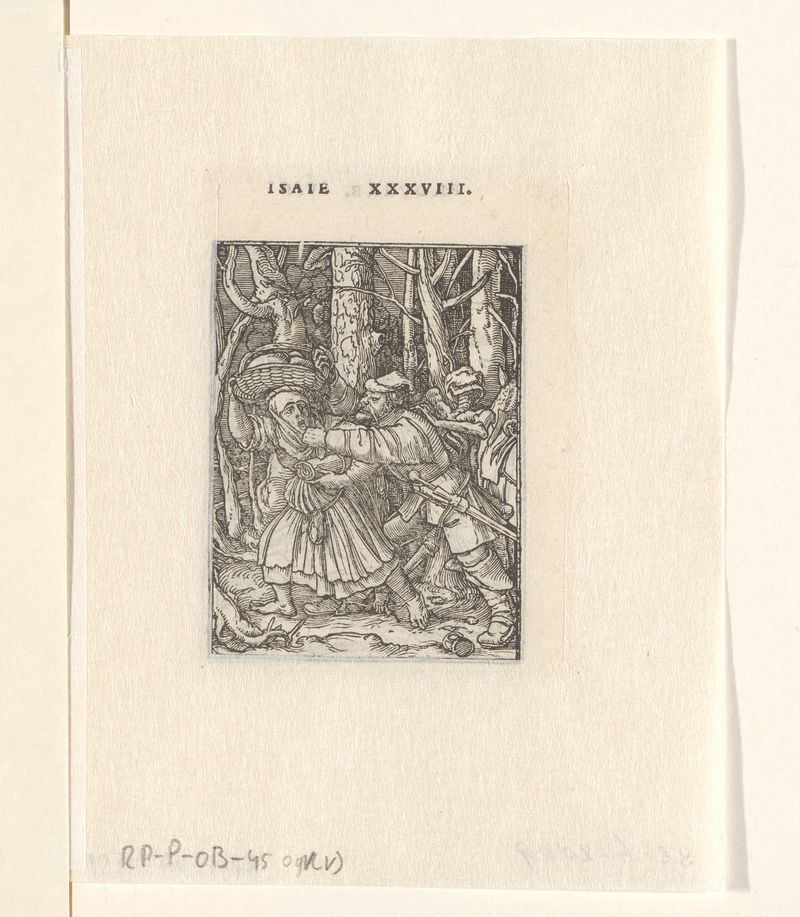
Dief en de Dood
Hans Holbein (II)
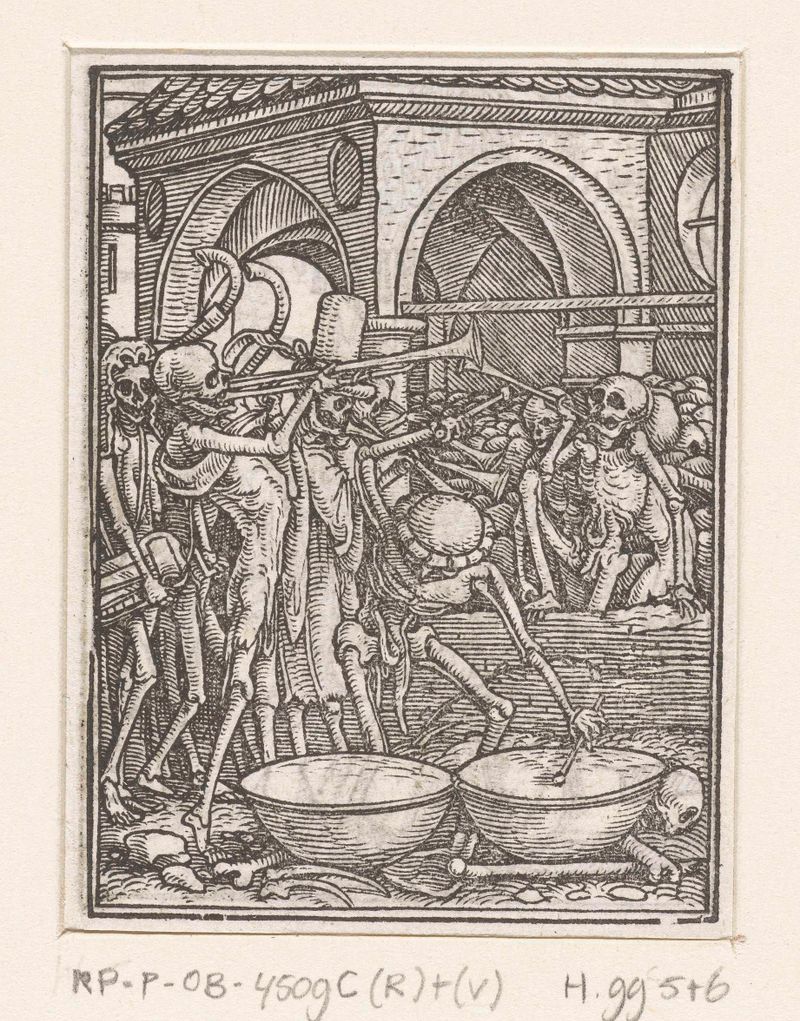
Skeletons Making Music from Dance of the Dead
Hans Holbein (II)
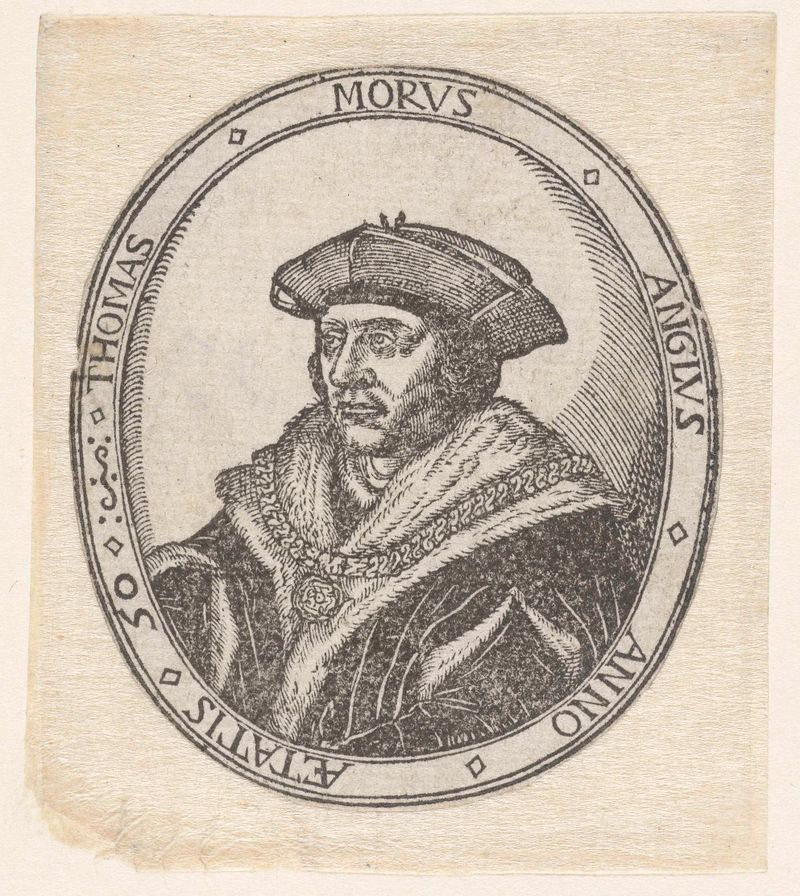
Portret van Thomas More
Hans Holbein (II)
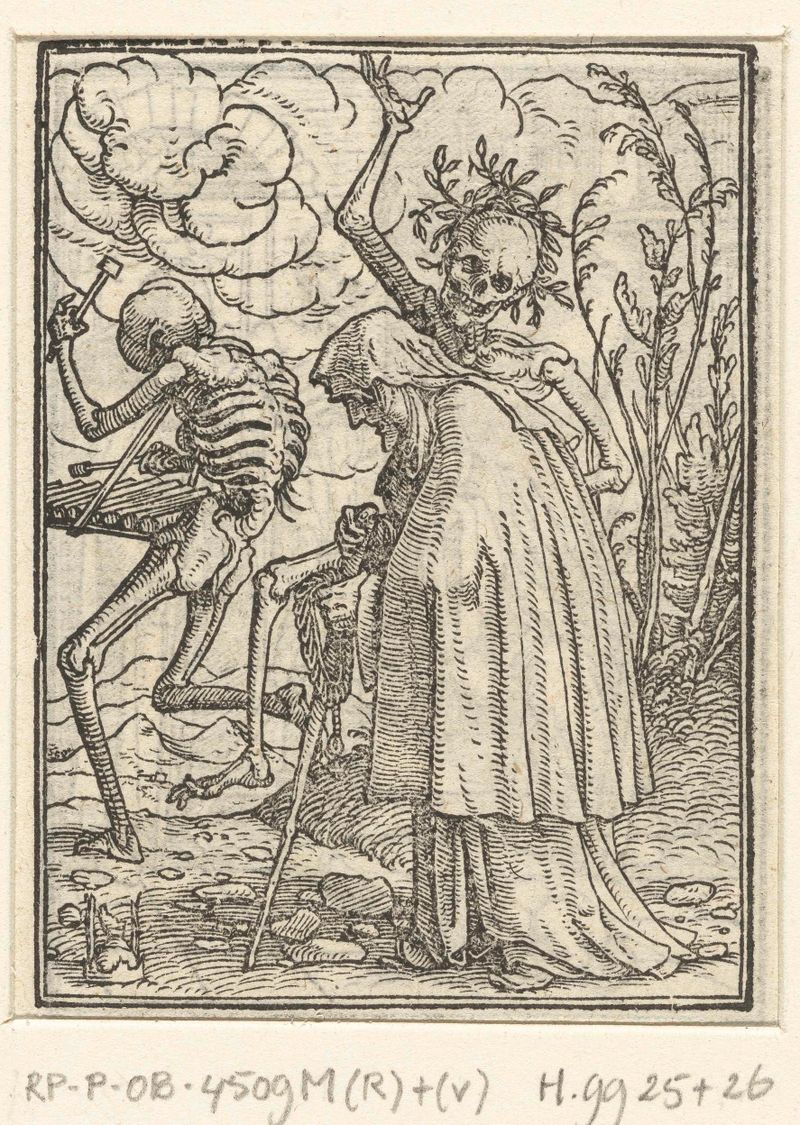
Oude vrouw en de Dood
Hans Holbein (II)
More Religious Art
Browse all →
The Return of the Prodigal Son
Rembrandt van Rijn

The Garden of Earthly Delights
El Bosco

Count Orgaz’ funeral
El Greco

The Hundred Guilder Print: the central piece with Christ preaching, the plate arched
Rembrandt van Rijn

The Descent from the Cross
Rogier van der Weyden

The return of the prodigal son
Rembrandt van Rijn