
Hare in the grain — History & Facts
What if beauty was never meant to be finished? In the delicate interplay of light and shadow, the essence of nature unfolds, inviting contemplation of divinity in the simplest forms. Look to the left at the soft, golden grain swaying gently under a warm breeze, each stalk captured in a dance of movement. The textured brushstrokes convey a tactile quality, drawing you into the scene. Notice how the sunlight bathes the hare, highlighting its velvety coat, as if the divine hand of creation has paused to showcase this moment of tranquil existence amidst the abundance of life. In the reflection of the hare's curious gaze lies a profound stillness, a contrast to the vibrant life surrounding it.
The soft earth tones juxtaposed with the bright yellows and greens create a harmony that speaks to the interconnectedness of all living things. Chelmonski captures not only the beauty of the landscape but also the fleeting nature of existence, prompting viewers to ponder the divine purpose woven into every element of the scene. Painted in 1888 during a period of artistic transition in Poland, Chelmonski’s Hare in the Grain reflects his deep connection with nature and his exploration of naturalism. At this time, he was influenced by the broader European art movements while remaining grounded in his rural homeland.
The world around him was shifting, yet he chose to encapsulate a moment of serene beauty, reminding us of the divine grace present in the mundane.
More Artworks by Jozef Chelmonski
Browse all →
Landscape; Meadow with Marsh-Marigolds
Jozef Chelmonski
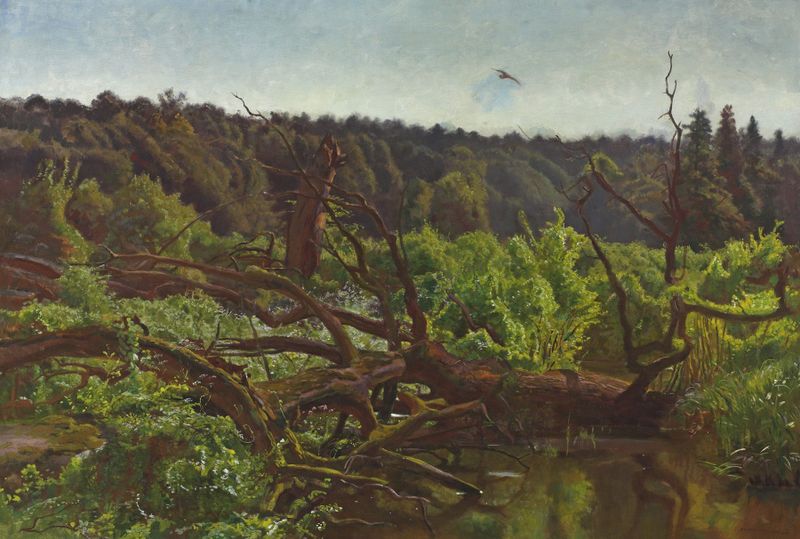
Deep forest – Windthrows
Jozef Chelmonski

Winter Sunset
Jozef Chelmonski
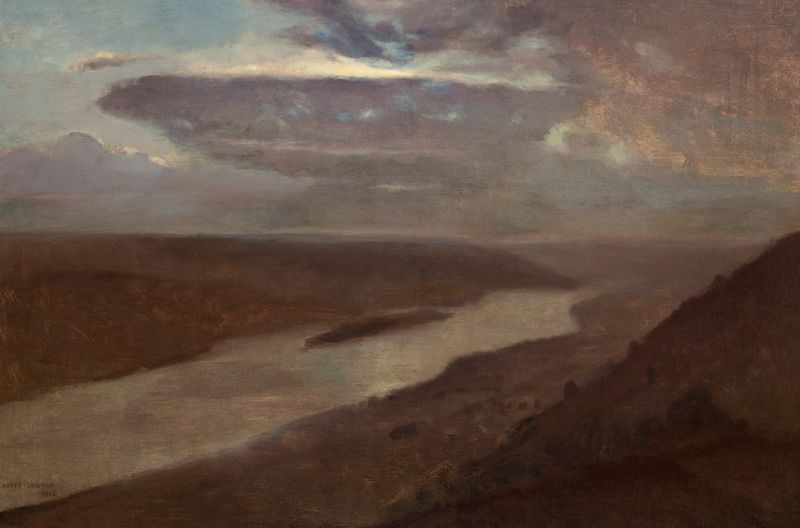
The Dniester River at Night
Jozef Chelmonski
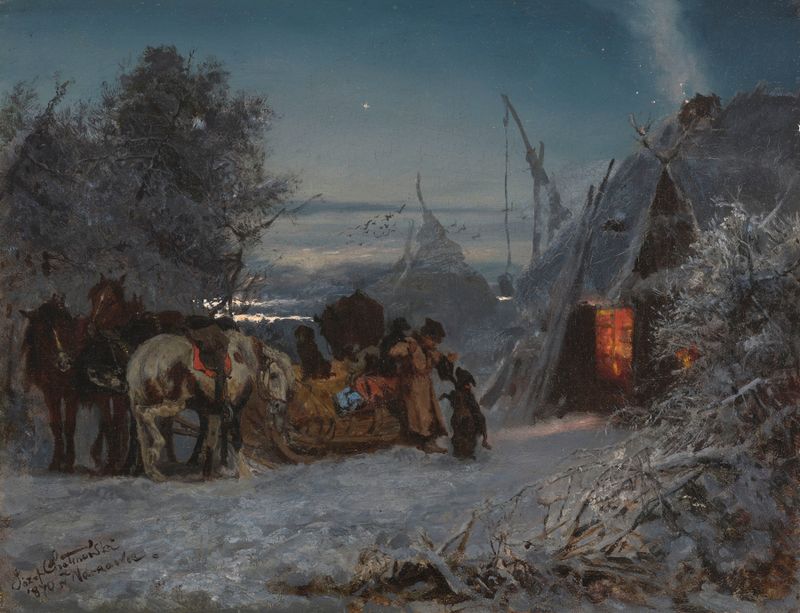
Morning in the Forest
Jozef Chelmonski
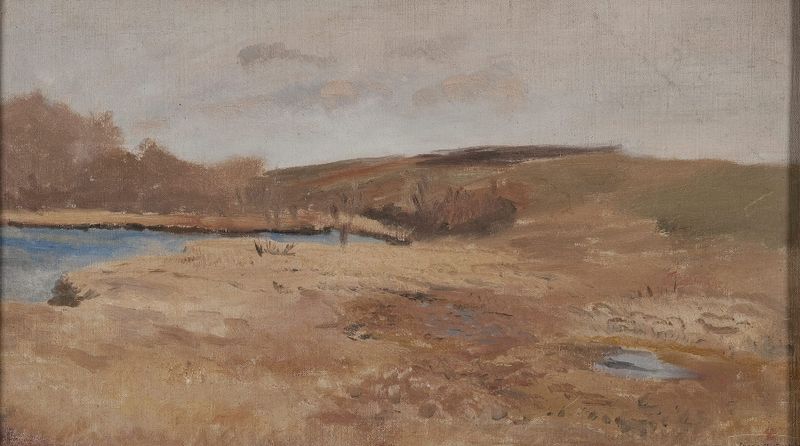
Autumn landscape
Jozef Chelmonski
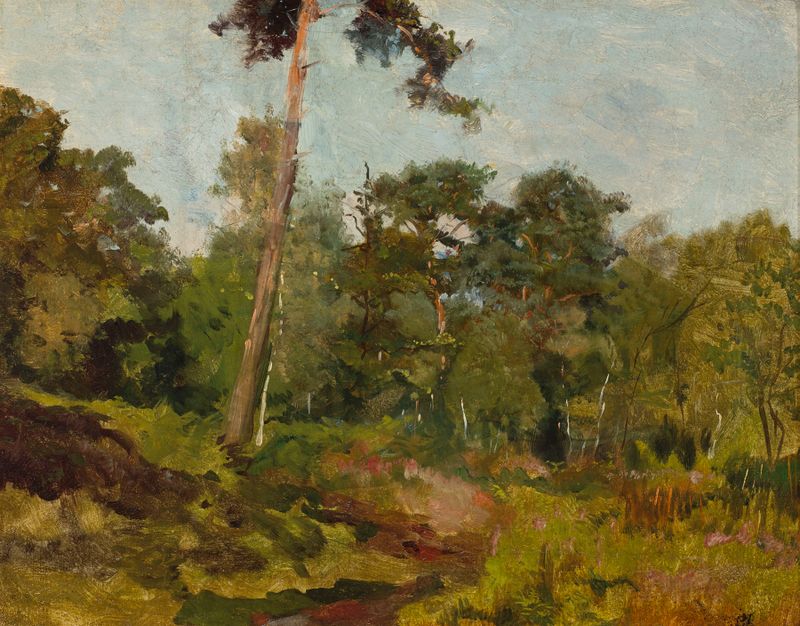
Lasek Buloński
Jozef Chelmonski

Episode from the Uprising of 1863
Jozef Chelmonski

Dawn
Jozef Chelmonski

Village by the Water
Jozef Chelmonski





