
Harmony in Blue and Silver: Beaching the Boat, Étretat — History & Facts
In the stillness of this artwork, an ethereal quality beckons us to contemplate the divine interplay of color and form. Each brushstroke seems to hum with a quiet reverence, inviting the viewer into a serene dialogue between nature and artistry. As you gaze at this piece, look to the lower left where the subtle curve of the beach meets the shimmering water. The delicate hues of blue and silver blend seamlessly, evoking a sense of tranquility.
Notice the gentle flow of the waves, depicted with fluid brushwork that captures their rhythmic dance. The horizon line floats, almost weightless, inviting the eye to drift into the expansive sky, painted in soft tones that complement the serene landscape. In the composition, the contrast between the dynamic water and the tranquil shore creates an emotional tension. This interplay speaks to the balance between chaos and peace, mirroring humanity's relationship with nature.
The luminous quality of the silver accents illuminates not just the scene but also the soul, suggesting a divine presence that transcends the ordinary. It’s a moment of quiet reflection, where the viewer is encouraged to find their own harmony in the ebb and flow of life. Created around 1897, Whistler painted this piece during a period of artistic innovation, where the exploration of color and light was paramount. Living in Paris, he was deeply engaged with the Impressionists, yet his work maintained a distinct sense of intimacy and compositional refinement.
The world was changing rapidly with industrialization and modernity, but in Harmony in Blue and Silver: Beaching the Boat, Étretat, Whistler offers a timeless escape into tranquility.
More Artworks by James Abbott McNeill Whistler
Browse all →
Nocturne in Blue and Silver
James Abbott McNeill Whistler
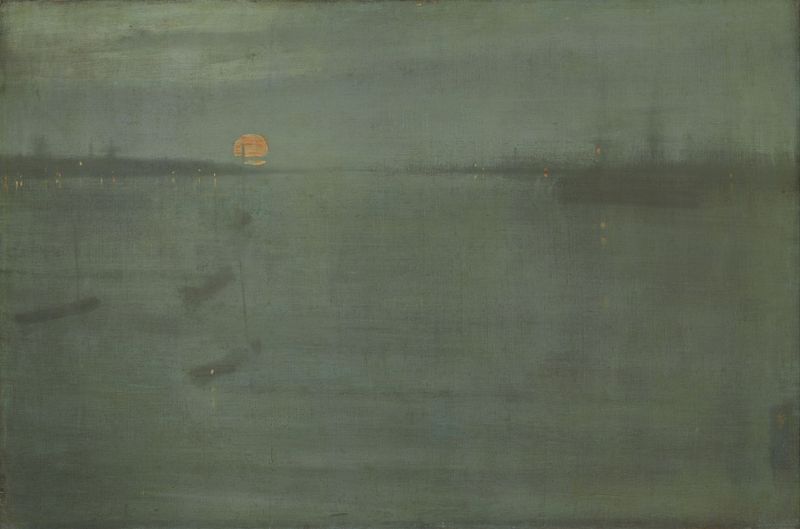
Nocturne: Blue and Gold–Southampton Water
James Abbott McNeill Whistler
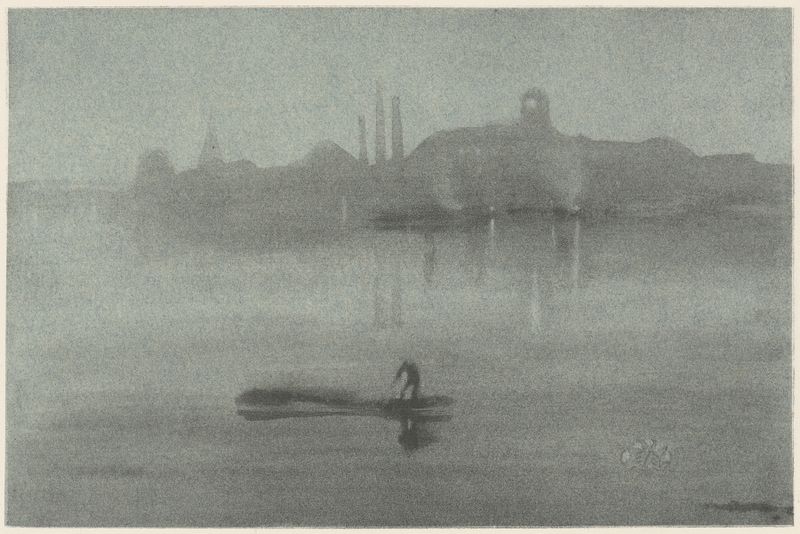
Nocturne
James Abbott McNeill Whistler
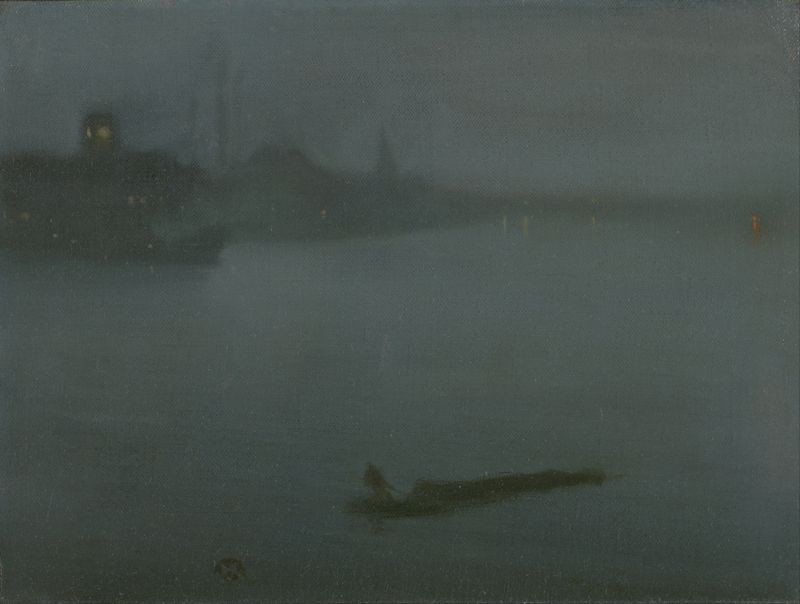
Nocturne in Blue and Silver
James Abbott McNeill Whistler
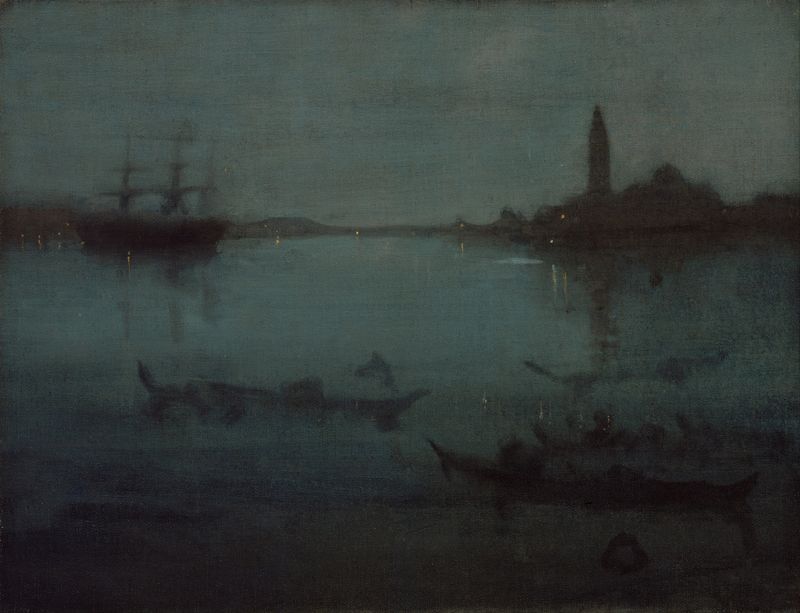
Nocturne in Blue and Silver- The Lagoon, Venice
James Abbott McNeill Whistler
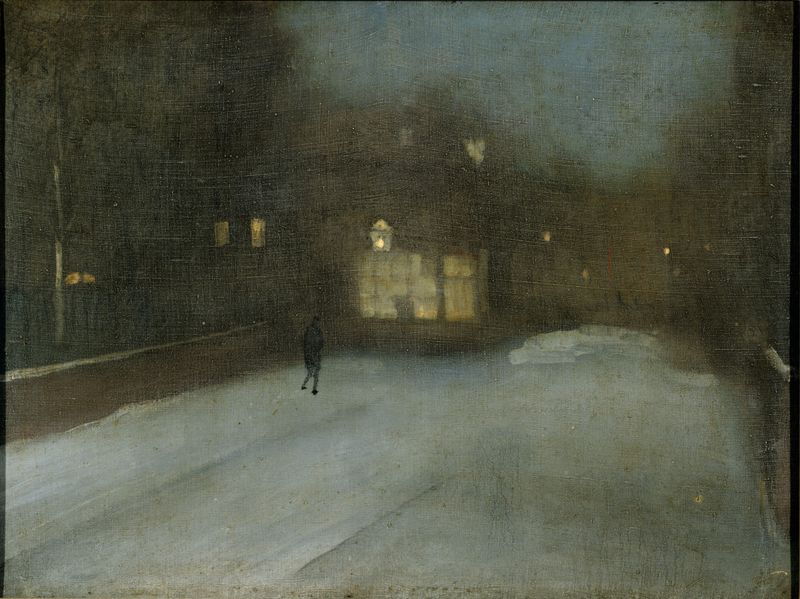
Nocturne in Grey and Gold: Chelsea Snow
James Abbott McNeill Whistler
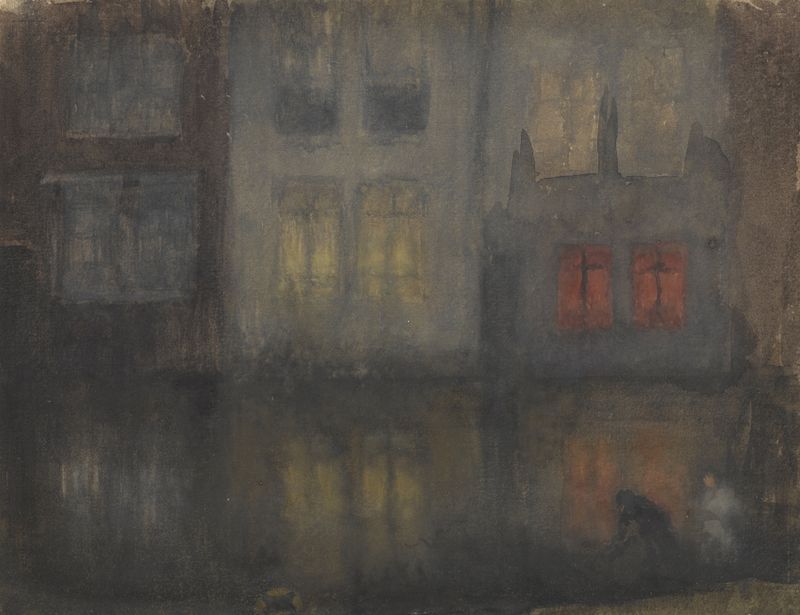
Nocturne: Black and Red—Back Canal, Holland
James Abbott McNeill Whistler
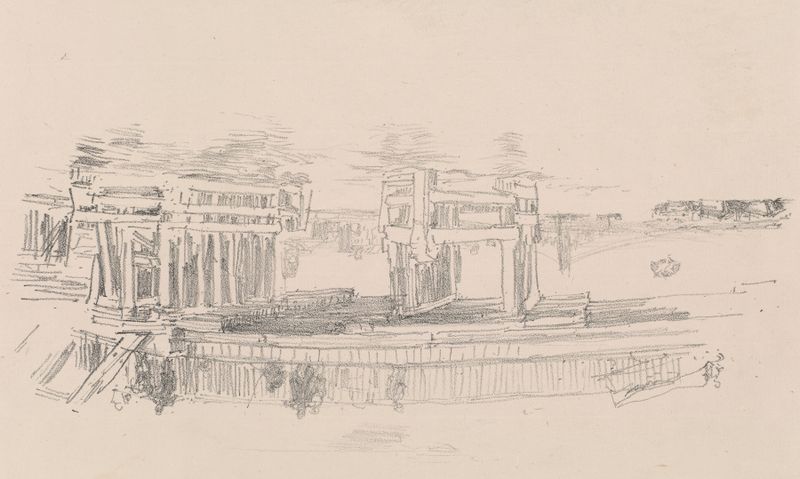
Old Battersea Bridge
James Abbott McNeill Whistler

Nocturne: Blue and Silver–Battersea Reach
James Abbott McNeill Whistler
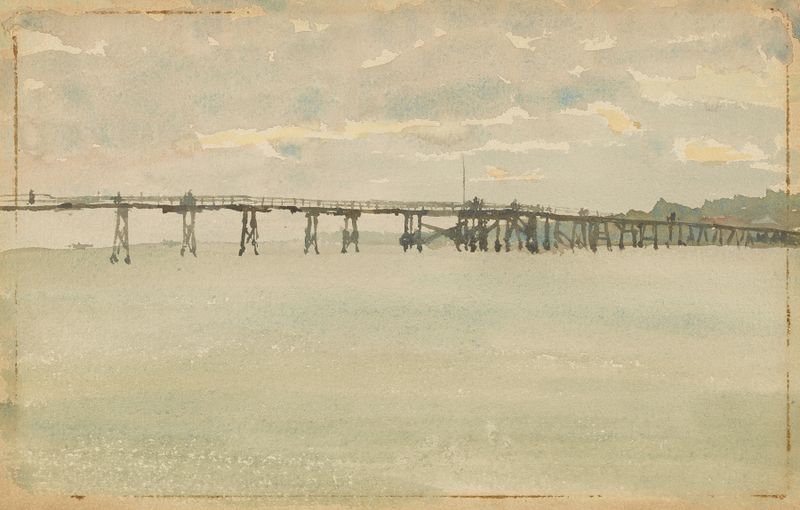
Grey and Silver–Pier, Southend
James Abbott McNeill Whistler




