
Harrow Common, Middlesex — History & Facts
In the gentle embrace of a dim twilight, there lies an air of melancholy that drapes over the landscape. The soft hues of dusk whisper stories of fleeting moments, evoking a deep longing that lingers in the heart. Look to the foreground, where the undulating grasses ripple in the breeze, each stroke conveying a delicate tenderness. Notice how the muted greens and browns intertwine, hinting at the complexities of life and the passage of time.
The horizon is softened by a hazy sky that transitions from the warmth of day to the coolness of night, painting a poignant backdrop for a solitary figure, small and contemplative, who stands lost in thought amid the vastness of Harrow Common. In this scene, the stillness encapsulates the tension between solitude and connection, as if the landscape itself bears witness to the inner musings of the individual. The figure’s posture suggests a yearning for understanding, and the subtle play of light reminds us that even in darkness, there exists the promise of hope. Dayes captures this fleeting moment, where nature’s beauty intertwines with existential reflection, inviting viewers to ponder their own relationships with the world around them. In 1791, Edward Dayes painted Harrow Common, Middlesex during a pivotal moment in his career.
Known for his landscape works, Dayes was exploring the complexities of the natural world and its emotional resonances. This period in British art was marked by a growing appreciation for pastoral scenes, reflecting a burgeoning romantic sensibility that emphasized the beauty of nature alongside the human experience.
More Artworks by Edward Dayes
Browse all →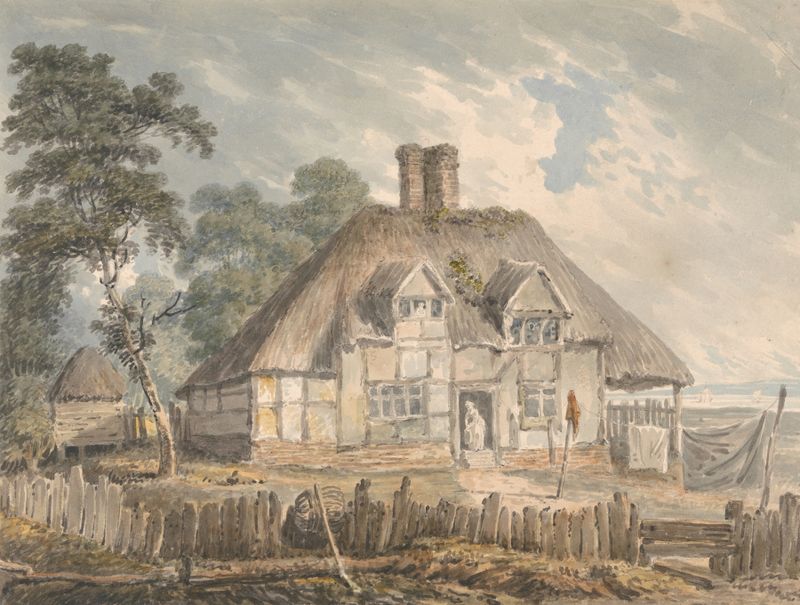
A Cottage near Southampton
Edward Dayes
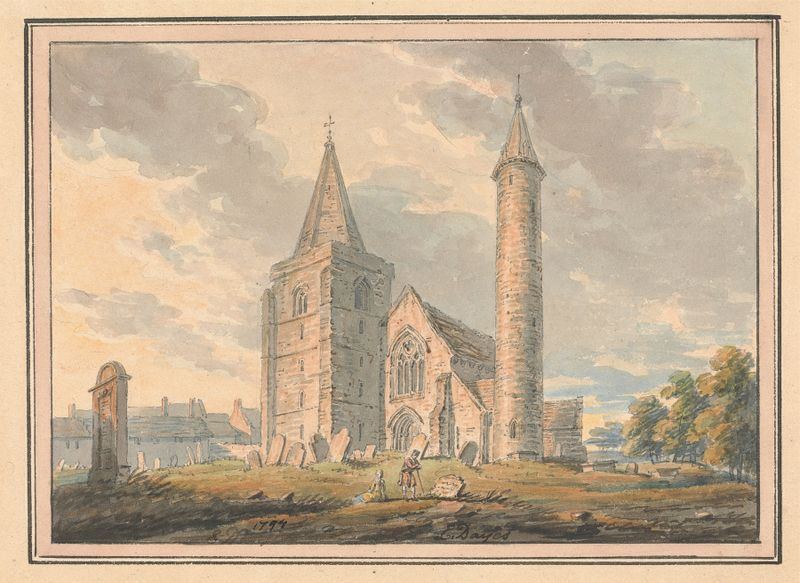
Brechin Cathedral and round tower, Forfarshire, Scotland
Edward Dayes
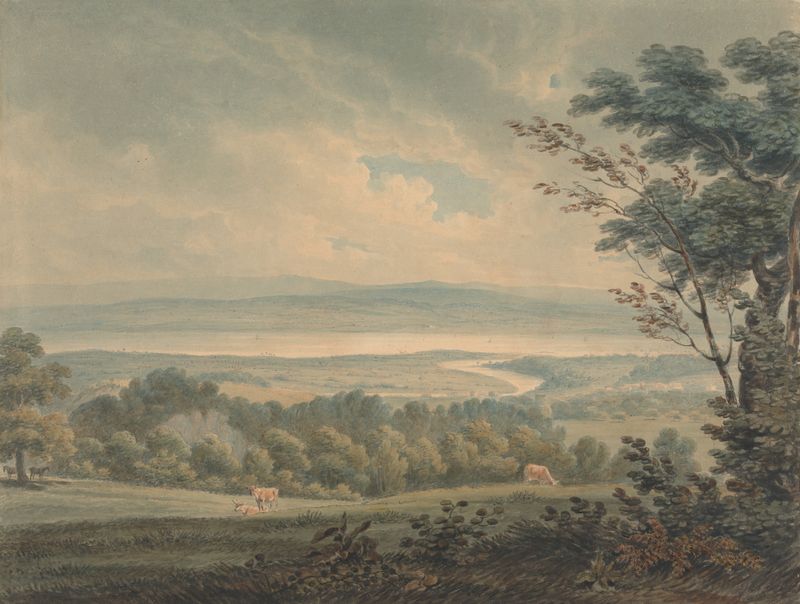
The Meeting of the Rivers Severn and Wye, near Chepstow
Edward Dayes

Ruins of the Old Kirk, Isle of Bute
Edward Dayes
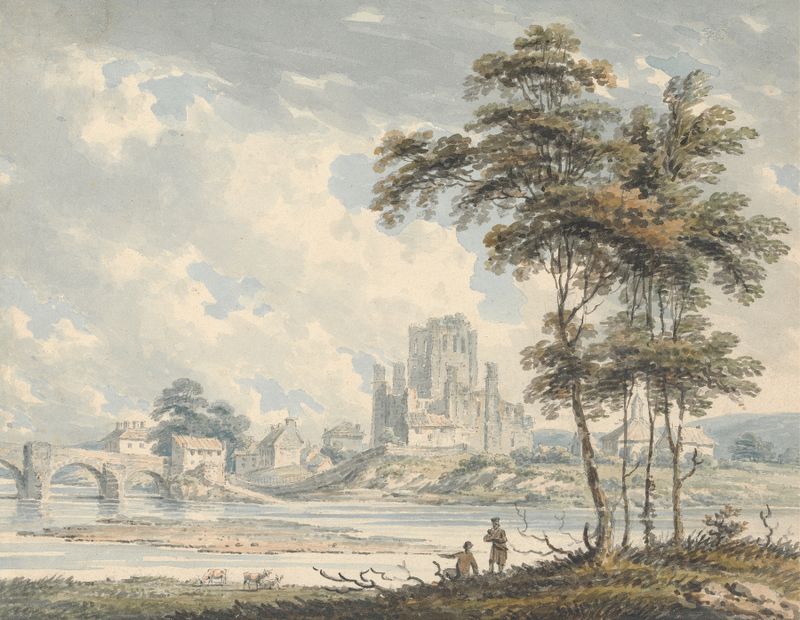
Kelso Abbey, Rosburghshire
Edward Dayes
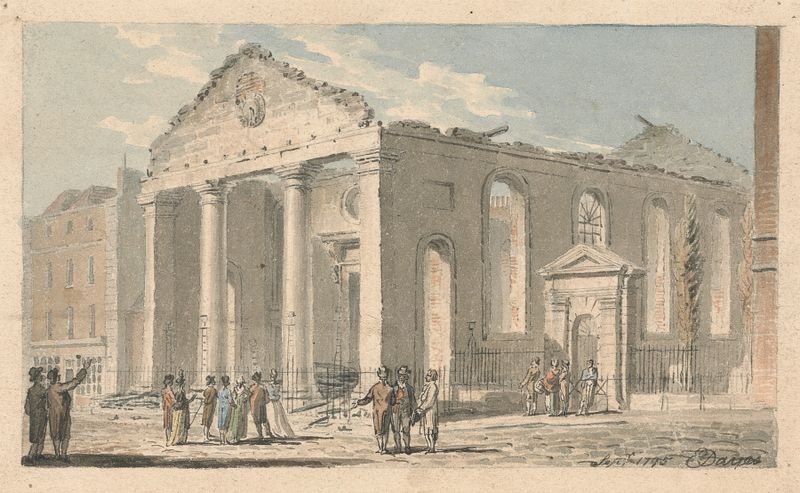
St. Paul’s Church, Covent Garden, after the fire
Edward Dayes
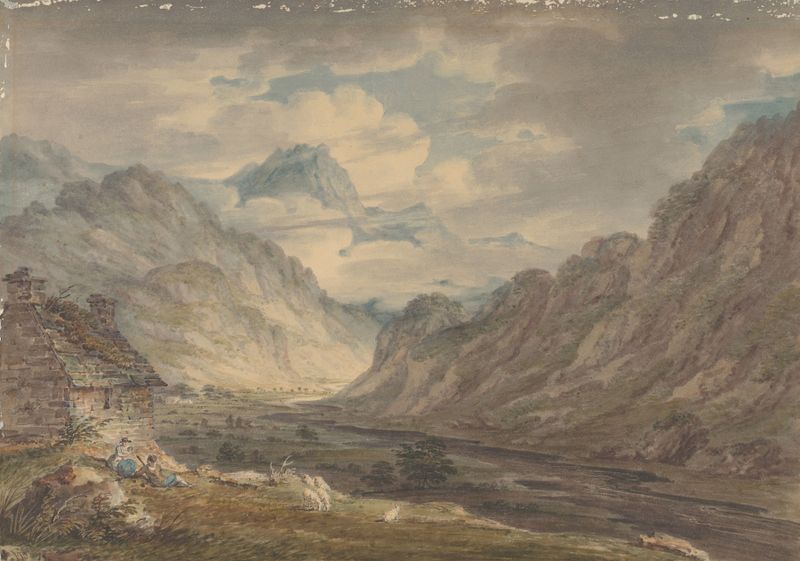
The Honister Pass from Gatesgarth Farm, Gatesgarthdale, Lake District
Edward Dayes
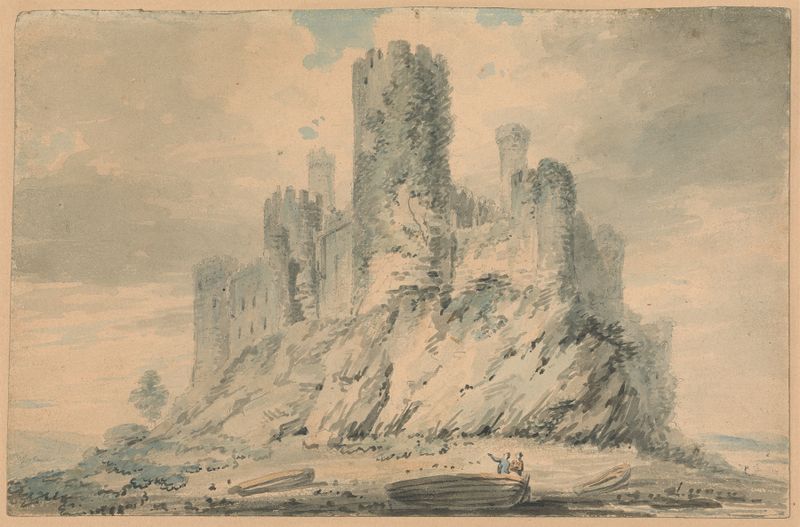
Conway Castle, Caernarvonshire
Edward Dayes
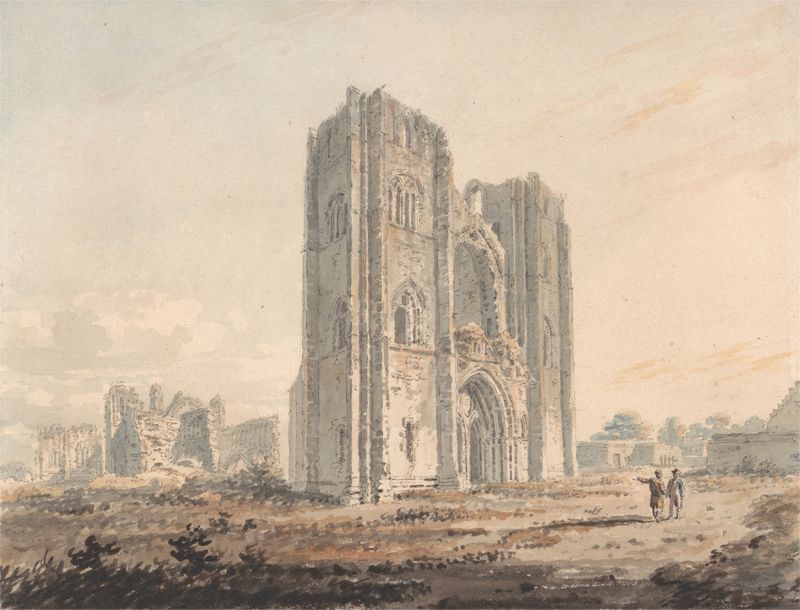
Elgin Cathedral, Moray
Edward Dayes

Lake scene
Edward Dayes





