
Hastings — History & Facts
In the quiet strokes of Whistler’s work, light becomes a bridge between the ephemeral and the eternal, illuminating the very essence of memory itself. Focus on the soft interplay of light and shadow that envelops the scene, drawing your gaze first to the shimmering reflections in the water. The gentle blues and silvery whites create a serene atmosphere, while the delicate brushwork captures the fleeting quality of the moment. Notice how the horizon blurs, suggesting an infinite expanse, as if time itself is stretching before you, inviting contemplation. Amidst the calm, there exists a tension between the stillness of the landscape and the hint of movement suggested by the boats, representing the transient nature of life.
The muted palette evokes nostalgia, while the ethereal quality of the light evokes a sense of longing—a desire to clutch onto moments just as they slip away. Each stroke serves as a reminder of the delicate balance between presence and absence, encapsulating both the peace and poignancy of daily existence. In the early 1880s, Whistler was immersing himself in the allure of nocturnal scenes and atmospheric compositions, influenced by Japanese aesthetics. Hastings was painted during this period in England, where he sought to capture the essence of his surroundings while navigating the complexities of the art world.
Amidst the broader Impressionist movement, he was carving out his distinctive approach, emphasizing the importance of light and color as a means of expression.
More Artworks by James Abbott McNeill Whistler
Browse all →
Nocturne in Blue and Silver
James Abbott McNeill Whistler
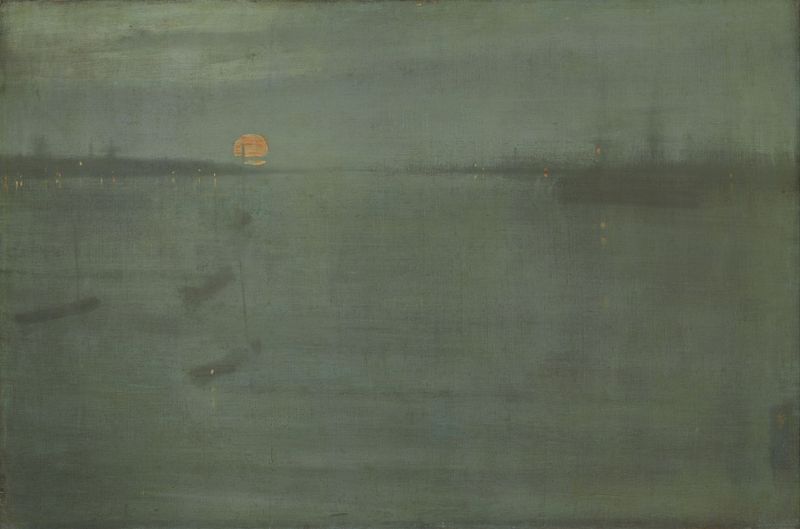
Nocturne: Blue and Gold–Southampton Water
James Abbott McNeill Whistler
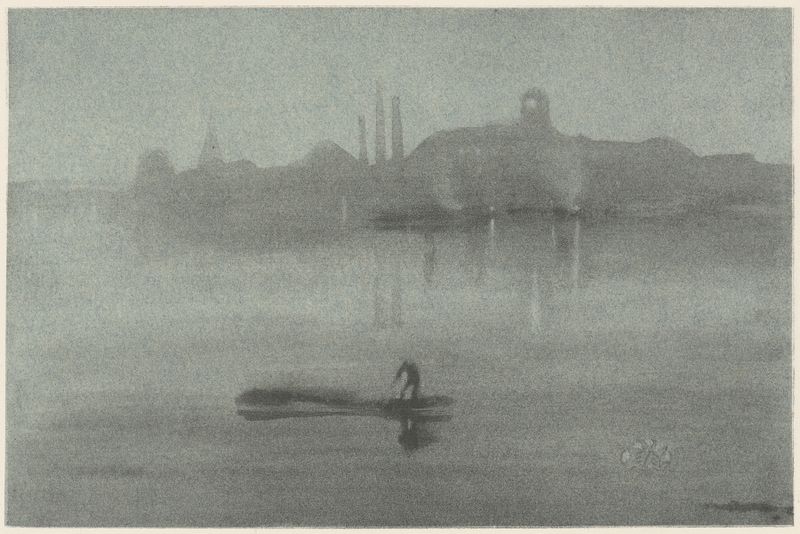
Nocturne
James Abbott McNeill Whistler
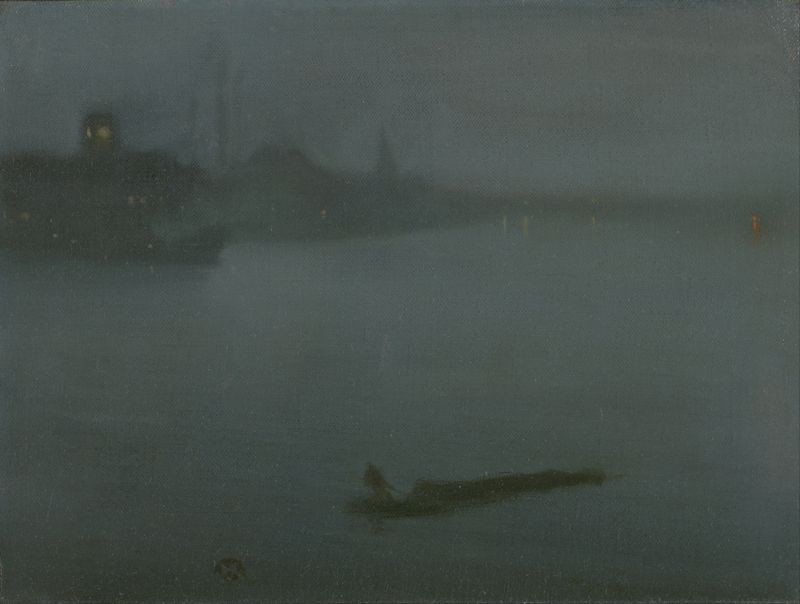
Nocturne in Blue and Silver
James Abbott McNeill Whistler
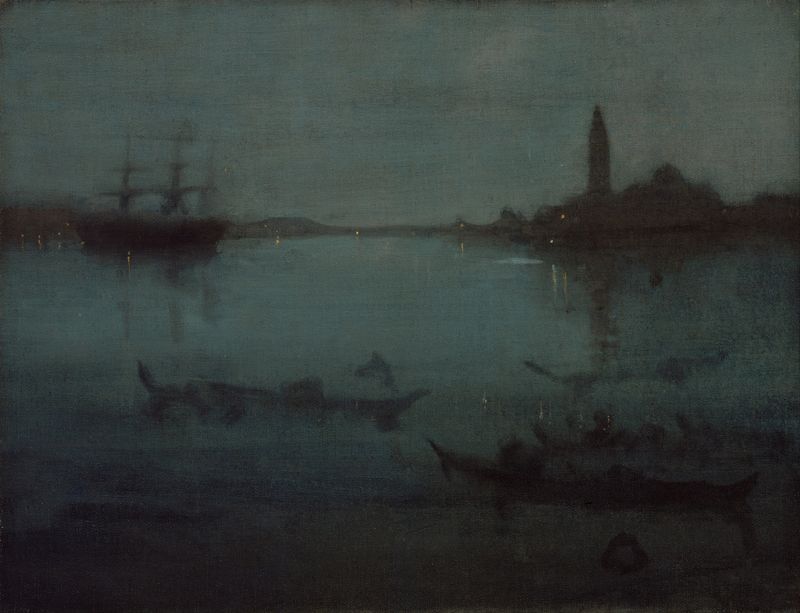
Nocturne in Blue and Silver- The Lagoon, Venice
James Abbott McNeill Whistler
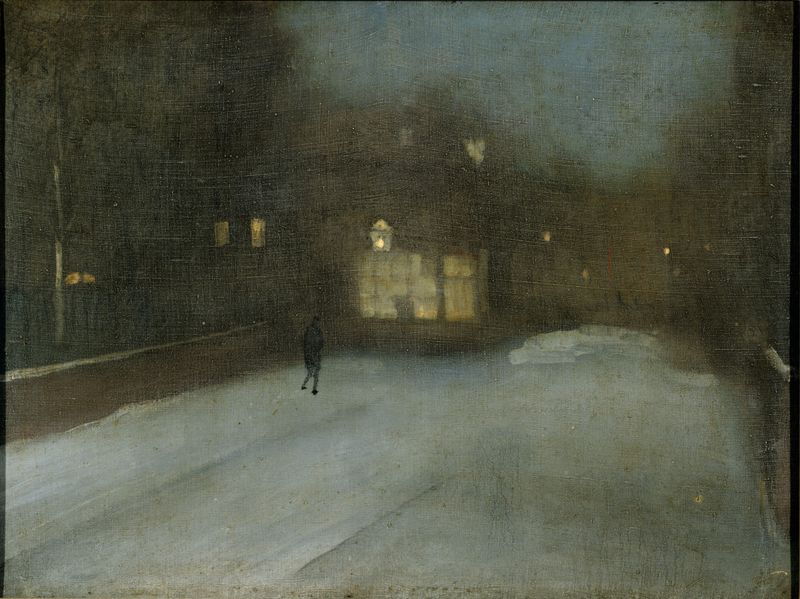
Nocturne in Grey and Gold: Chelsea Snow
James Abbott McNeill Whistler
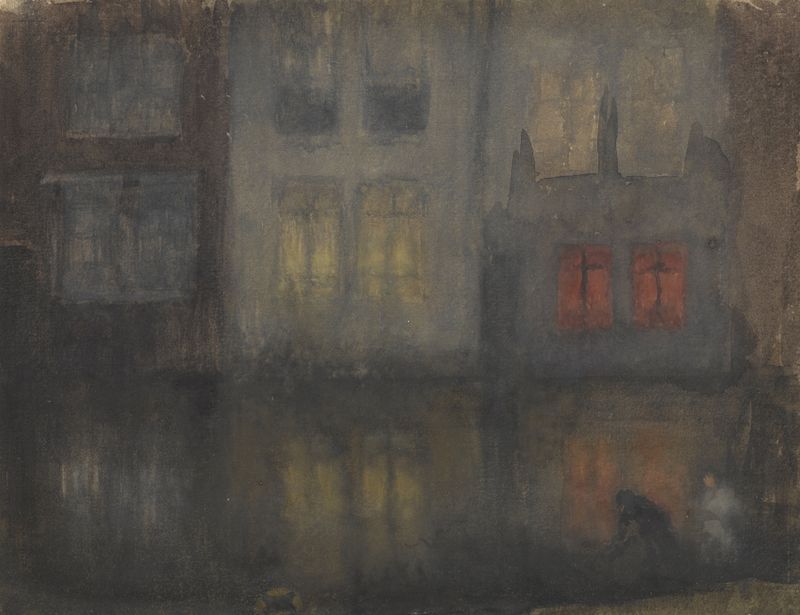
Nocturne: Black and Red—Back Canal, Holland
James Abbott McNeill Whistler
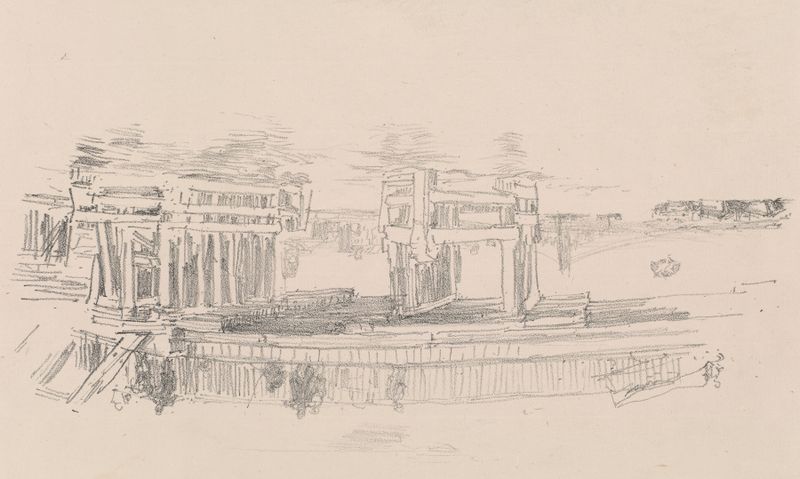
Old Battersea Bridge
James Abbott McNeill Whistler

Nocturne: Blue and Silver–Battersea Reach
James Abbott McNeill Whistler
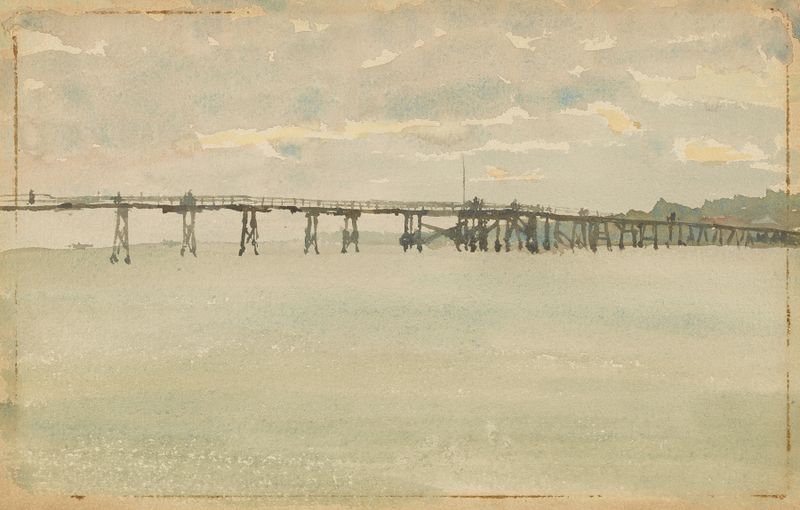
Grey and Silver–Pier, Southend
James Abbott McNeill Whistler




