
Haweswater, Westmoreland — History & Facts
Could a single brushstroke hold eternity? In Edward Dayes’ Haweswater, Westmoreland, the weight of melancholy lingers in the air, whispering of lost moments and quiet solitude. Look to the foreground where the tranquil waters of Haweswater reflect the muted colors of a late afternoon sky. The gentle ripples capture the fading light, inviting the viewer to feel the coolness that drapes the scene. Notice how the soft blues and grays dominate, evoking a sense of calm tinged with longing, while the distant hills rise like stoic guardians against the horizon, their rugged silhouettes lending a contrast that speaks to both permanence and change. Delve deeper into the subtle interplay of light and shadow within the painting.
The delicate strokes that suggest movement in the waves contrast sharply with the stillness of the surrounding landscape, creating a tension between vitality and decay. The choice of palette emphasizes a sense of nostalgia; the viewer is drawn into a world where time feels suspended, echoing the quiet tragedies that often accompany nature's beauty. Each element seems to reflect a deeper truth about human emotion—an understanding that beauty and sorrow frequently coexist. In 1795, while he painted this work in the serene landscapes of the English countryside, Dayes was part of a burgeoning Romantic movement that sought to capture nature's sublime essence.
This period marked a shift in the art world, as artists began to explore more personal and emotional subjects, moving away from the strictures of neoclassicism. Dayes, with his keen eye for detail and emotional depth, contributed significantly to the dialogue of his time, inviting viewers to reflect on the profound connections between landscape and the human experience.
More Artworks by Edward Dayes
Browse all →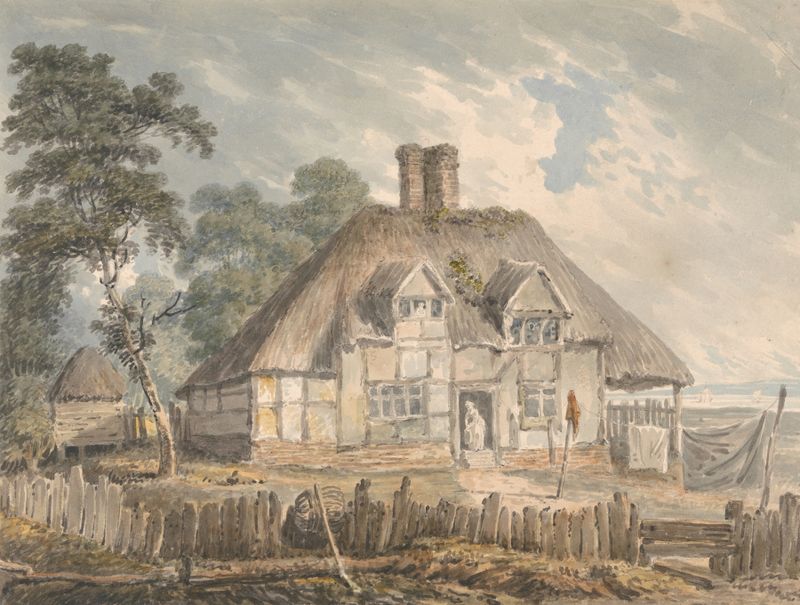
A Cottage near Southampton
Edward Dayes
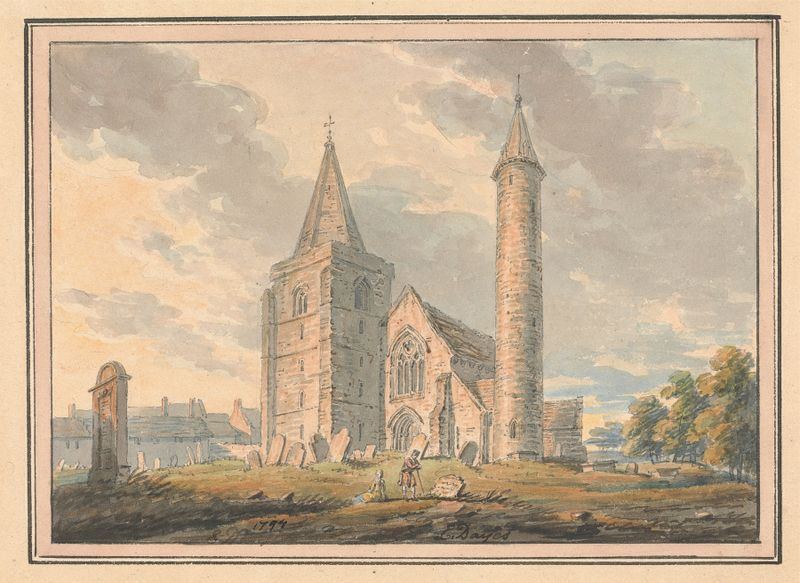
Brechin Cathedral and round tower, Forfarshire, Scotland
Edward Dayes
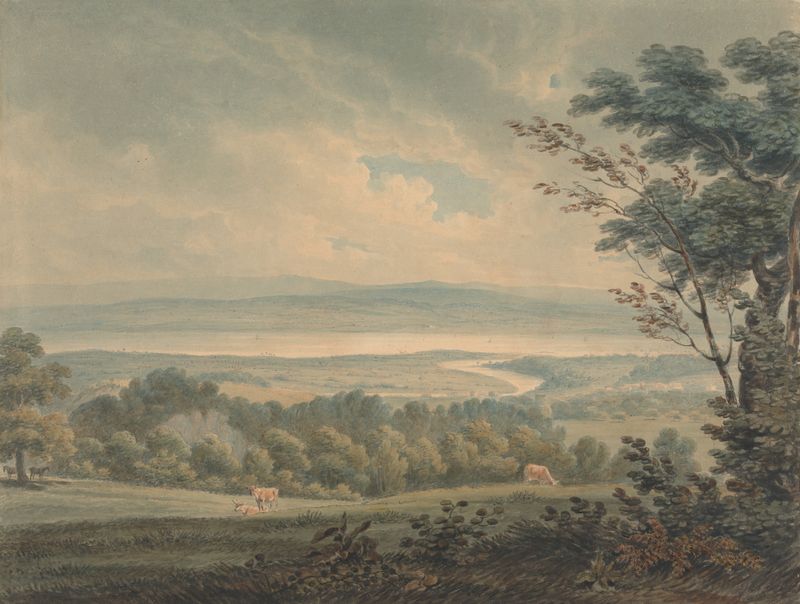
The Meeting of the Rivers Severn and Wye, near Chepstow
Edward Dayes

Ruins of the Old Kirk, Isle of Bute
Edward Dayes
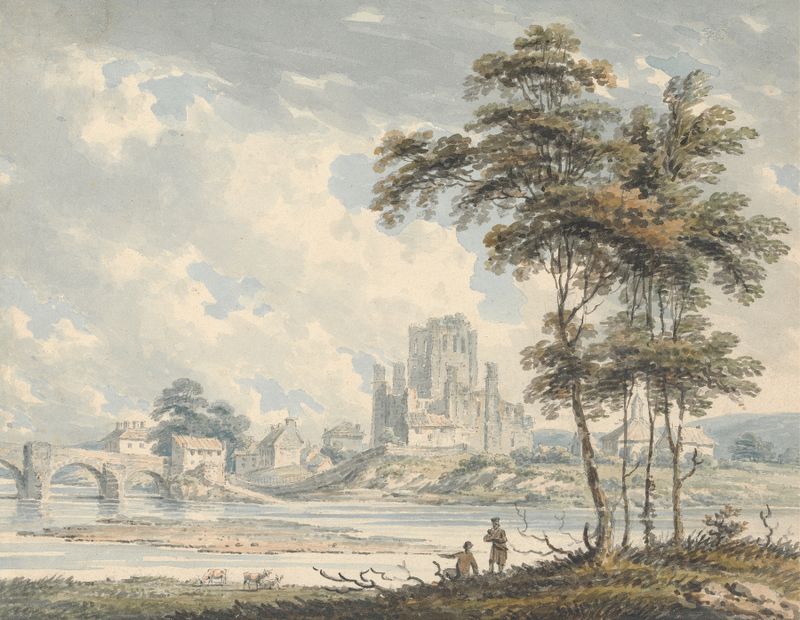
Kelso Abbey, Rosburghshire
Edward Dayes
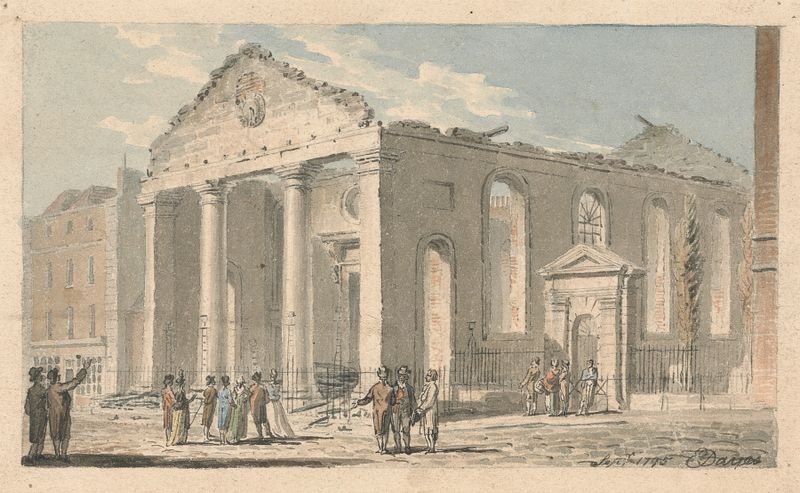
St. Paul’s Church, Covent Garden, after the fire
Edward Dayes
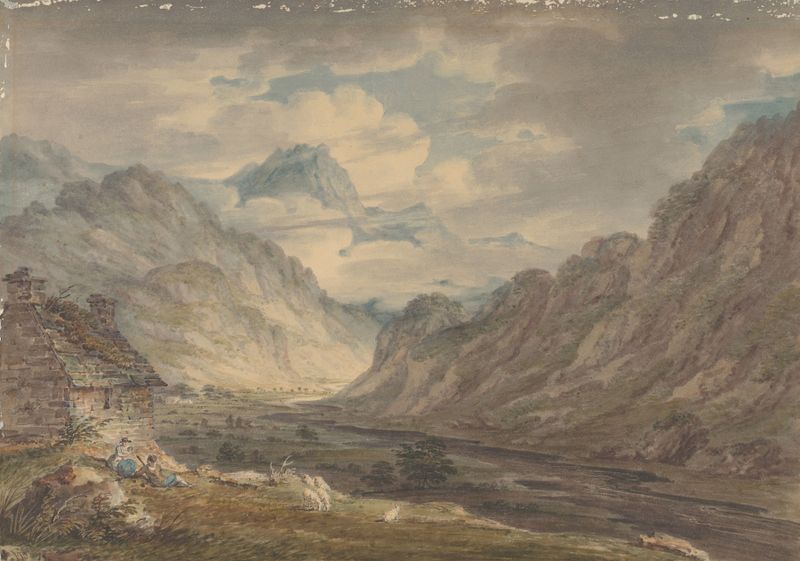
The Honister Pass from Gatesgarth Farm, Gatesgarthdale, Lake District
Edward Dayes
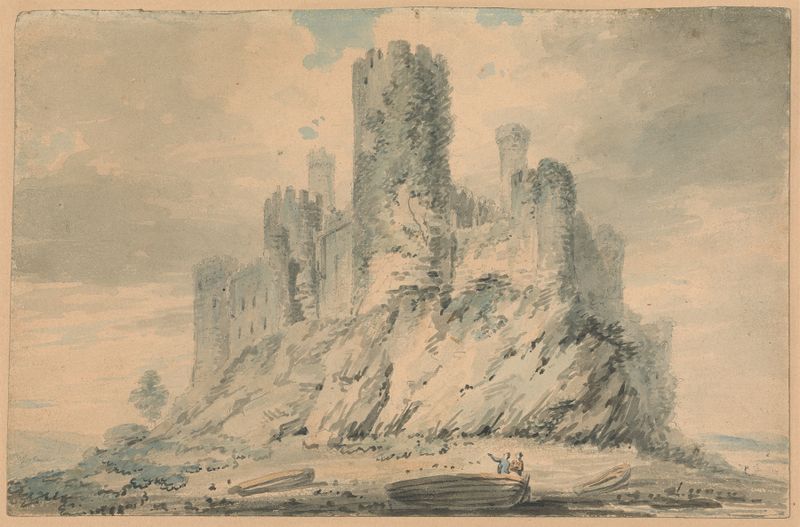
Conway Castle, Caernarvonshire
Edward Dayes
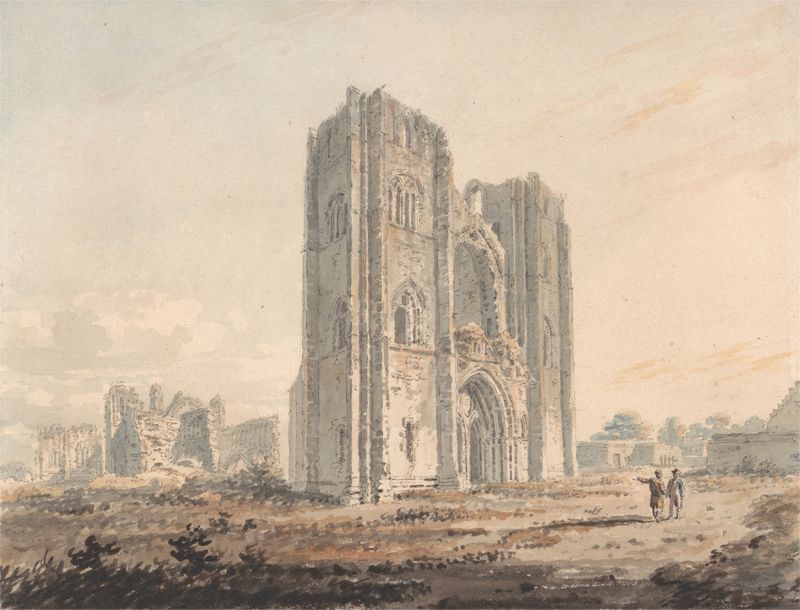
Elgin Cathedral, Moray
Edward Dayes

Lake scene
Edward Dayes





