
Head of a Bearded Man — History & Facts
In 1808, at just twenty-eight, Jean Auguste Dominique Ingres submitted a series of painted studies to the Prix de Rome competition—an event that would launch his career. Among these was Head of a Bearded Man, a work that has since sparked debate among scholars: was it a preparatory study for a larger composition, or an academic exercise in the grand tradition of the French Academy? The uncertainty is heightened by the fact that the medium remains unidentified, and the piece itself was not widely known until it resurfaced in the twentieth century. What is certain is that this head, with its intense gaze and classical features, reveals an artist already obsessed with the precision and purity that would define his later work. The man’s head is turned slightly, eyes fixed on an unseen point, his brow furrowed in thought or worry.
Ingres chose to isolate this figure from any narrative context, inviting viewers to contemplate the psychology written in the deep-set eyes and carefully rendered beard. The classical profile and idealized anatomy recall ancient Roman busts, a nod to the academic training Ingres received at the École des Beaux-Arts. The play of light across the forehead and cheekbones highlights the sculptural quality of the face, much like Jacques-Louis David’s studies of antique heads, yet Ingres’s approach is softer, more searching.
Unlike David, who often used such heads as models for heroic figures, Ingres seems to probe the inner life of his subject. The early history of Head of a Bearded Man is largely undocumented, typical of academic studies from this period, which were often kept in artists’ studios or used as teaching aids. It is not clear whether Ingres painted this head for a specific patron or as part of his academic obligations, but it stands as an early testament to his technical skill and his fascination with the human form. Today, the work is valued as a rare glimpse into Ingres’s formative years, when he was still navigating the expectations of the Academy and forging his own path.
Its rediscovery has enriched our understanding of his artistic evolution, bridging the gap between his youthful studies and the iconic portraits and historical scenes that would later make his name.
More Artworks by Jean Auguste Dominique Ingres
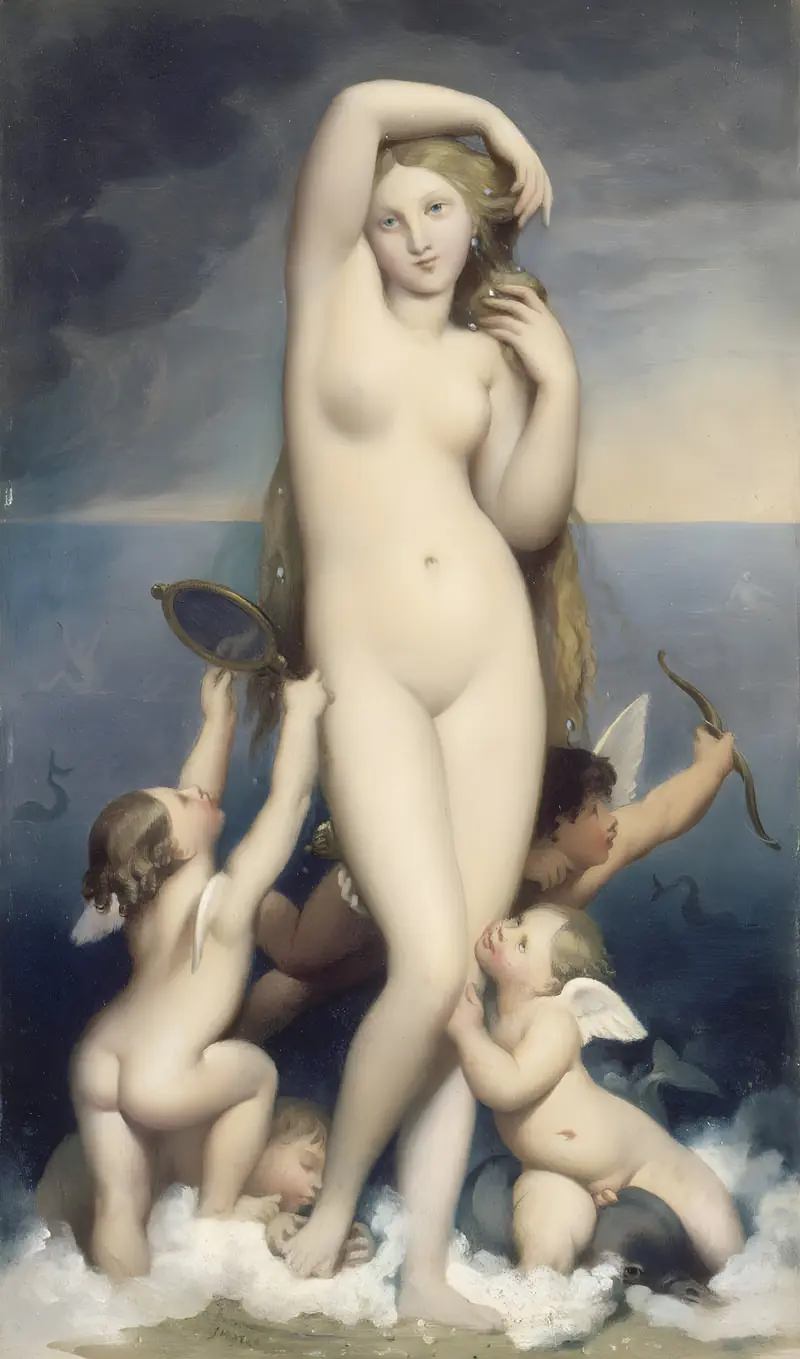
Vénus anadyomène
Jean Auguste Dominique Ingres
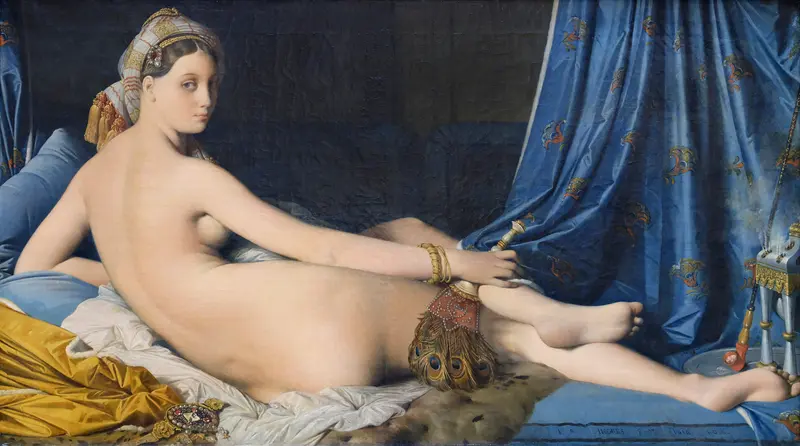
Grande Odalisque
Jean Auguste Dominique Ingres
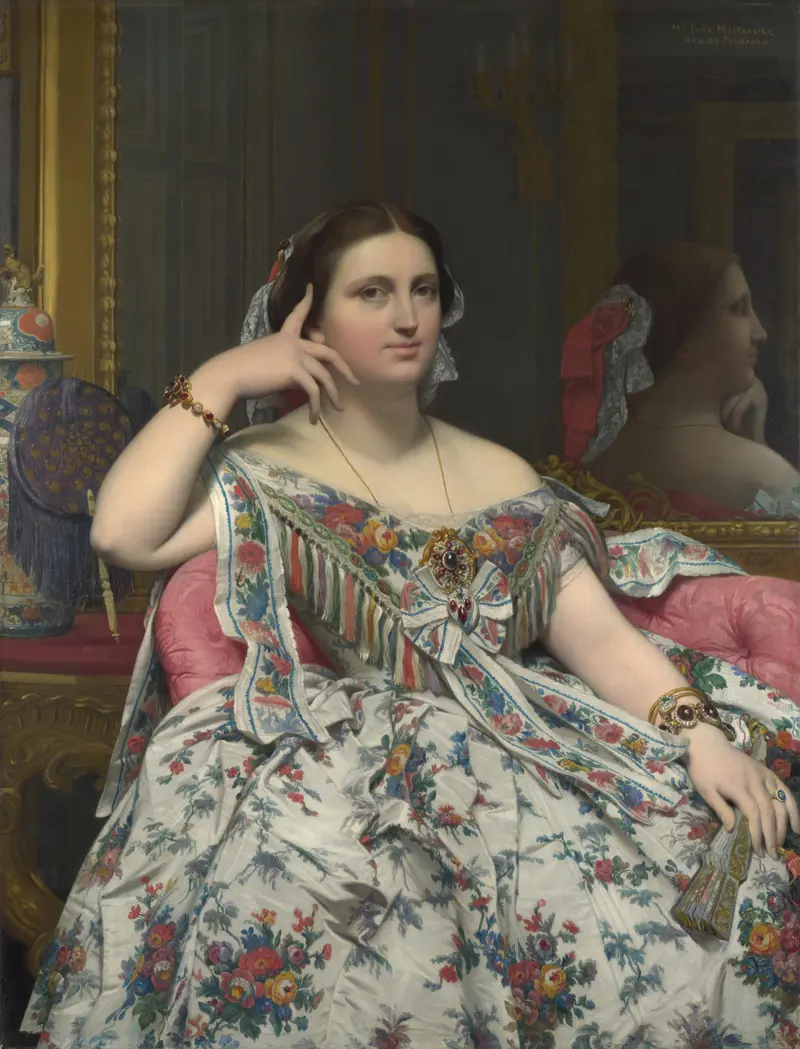
Madame Moitessier (seated)
Jean Auguste Dominique Ingres
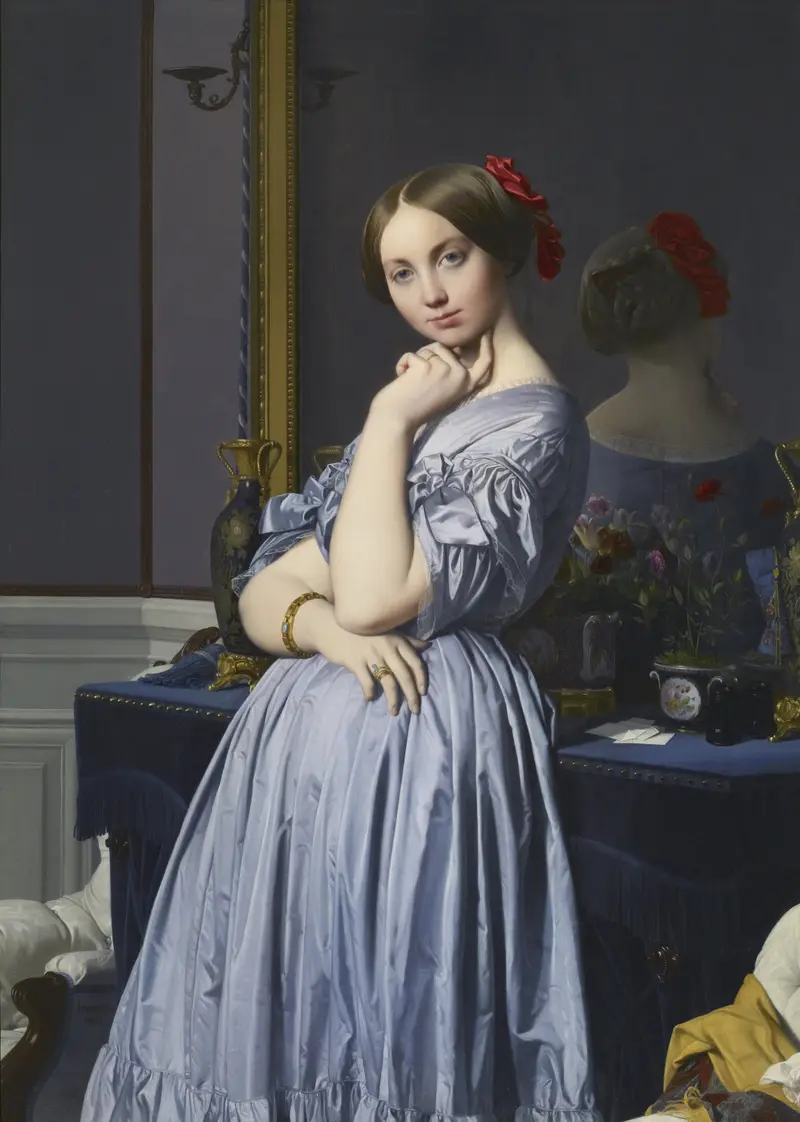
Portrait of Comtesse d’Haussonville
Jean Auguste Dominique Ingres
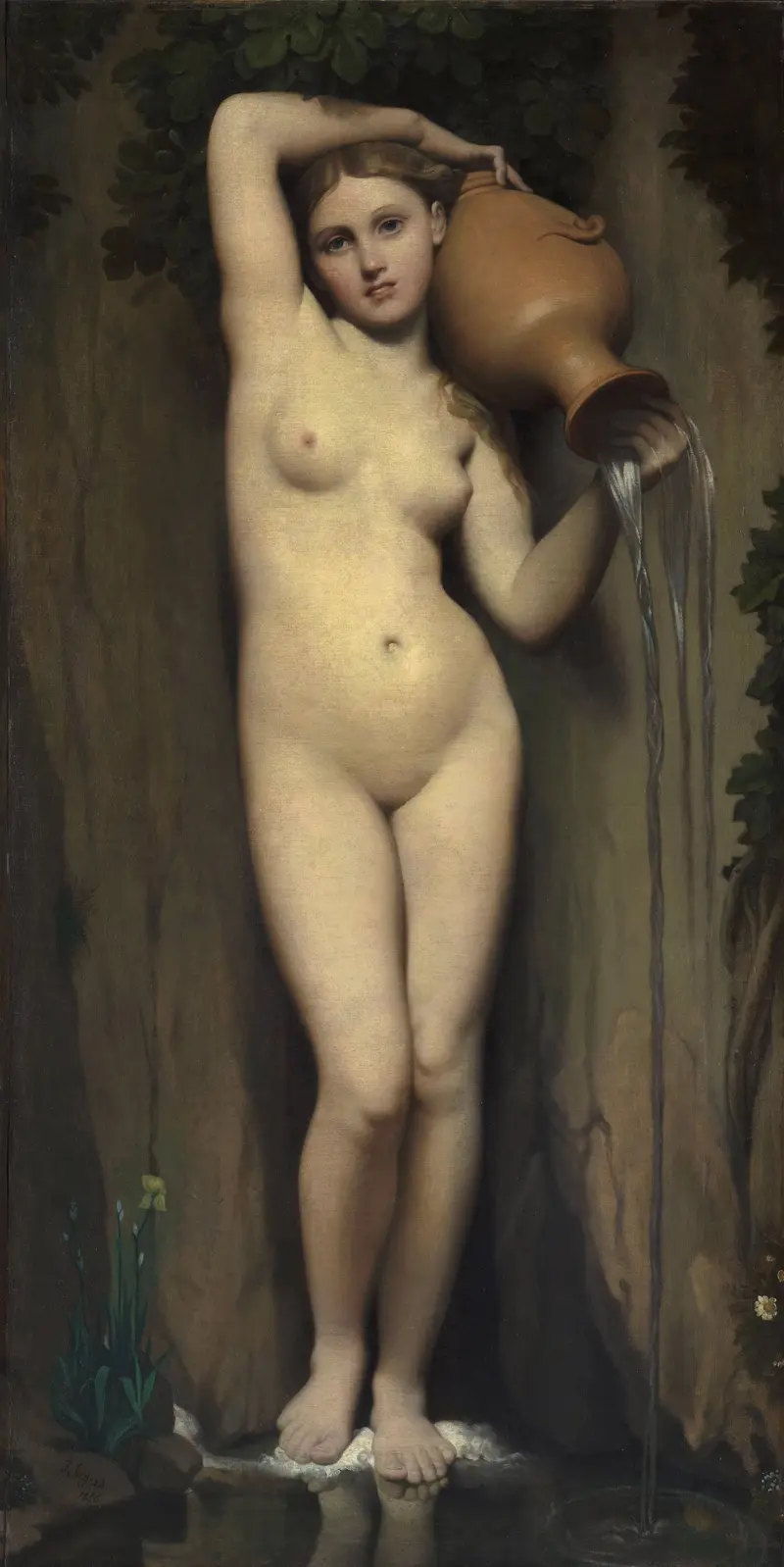
The Source
Jean Auguste Dominique Ingres
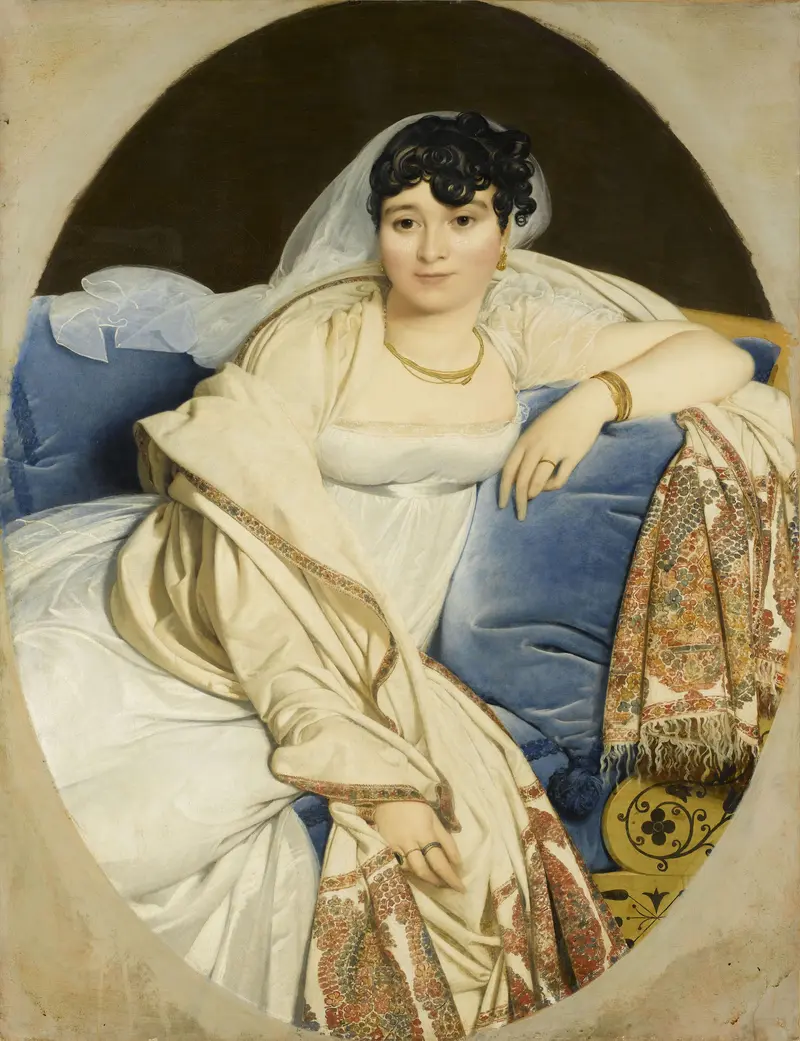
Madame Rivière
Jean Auguste Dominique Ingres

Madame Jean-Auguste-Dominique Ingres, née Madeleine Chapelle
Jean Auguste Dominique Ingres

Portrait of a Lady
Jean Auguste Dominique Ingres
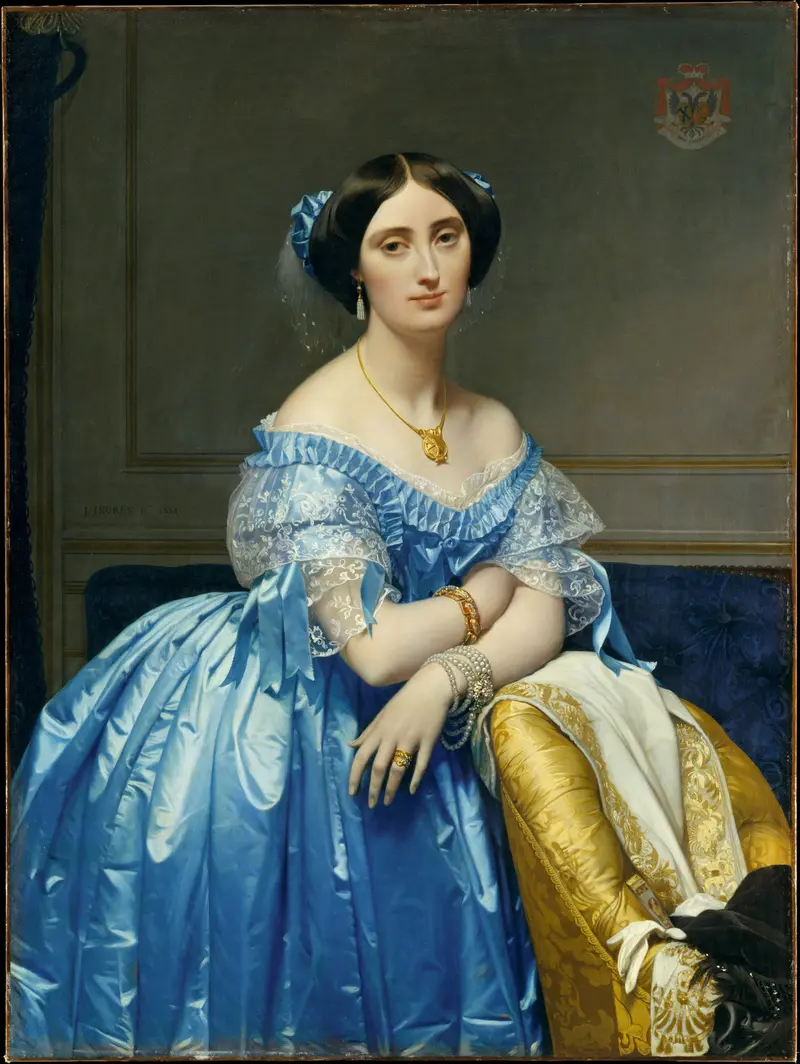
Joséphine-Éléonore-Marie-Pauline de Galard de Brassac de Béarn (1825–1860), Princesse de Broglie
Jean Auguste Dominique Ingres
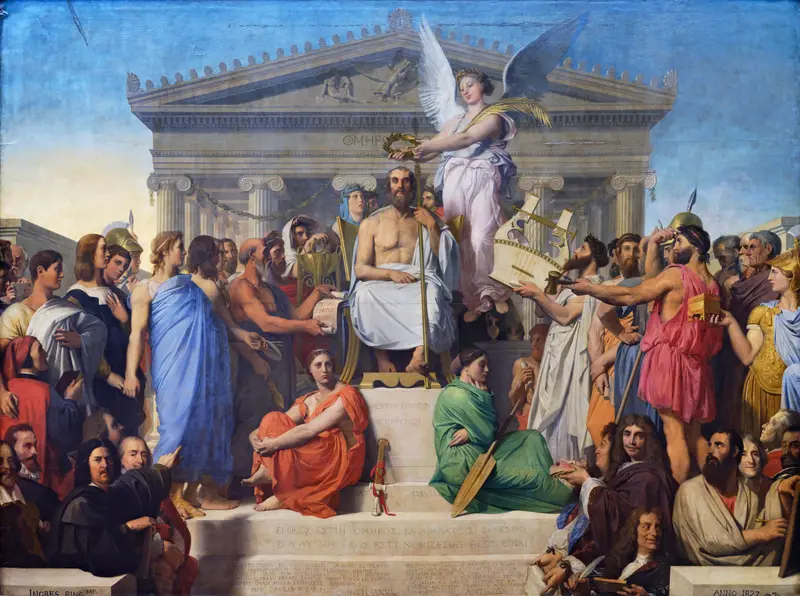
The Apotheosis of Homer
Jean Auguste Dominique Ingres





