
Head of a Boy Facing Left — History & Facts
Few works by Frans Hals have sparked as much curiosity among art historians as Head of a Boy Facing Left. Unlike his celebrated portraits of Haarlem’s elite, this painting is believed to be one of Hals’s so-called “tronies”—studies of anonymous faces, often used to explore character and expression rather than to commemorate a specific sitter. The true identity of the boy remains unknown, and the painting’s purpose is still debated: was it a preparatory study for a larger composition, or an independent exercise in capturing fleeting emotion? The lack of documentation only adds to the intrigue, inviting viewers to imagine the story behind the youthful face. The boy’s head turns gently to the left, his gaze directed just beyond the frame, lips parted as if caught mid-thought or about to speak.
Hals’s loose, energetic brushwork animates the tousled hair and soft cheeks, while the play of light across the boy’s face draws attention to his lively eyes and expressive mouth. There is no elaborate costume or symbolic object—only the immediacy of the sitter’s presence. This directness contrasts with the more formal, idealized studies of youth by Anthony van Dyck, whose children often appear poised and remote.
In Hals’s hands, the boy becomes a living individual, his personality flickering in the rapid, confident strokes. The exact provenance of Head of a Boy Facing Left is uncertain, as is its original medium—oil on panel or canvas have both been suggested, but no definitive technical analysis has settled the matter. Like many of Hals’s tronies, it may have circulated in private collections before entering the public eye, and its attribution has occasionally been questioned, given the number of imitators and followers in Hals’s workshop. Today, the painting stands as a testament to Frans Hals’s fascination with the fleeting expressions of everyday people, a hallmark of the Dutch Golden Age’s interest in realism and individuality.
Its journey from an anonymous study to a celebrated work in a museum collection mirrors the rise in appreciation for the genre itself.
More Artworks by Frans Hals

Banquet of the Officers of the St George Civic Guard
Frans Hals

Portrait of Jacob Pietersz Olycan (1596-1638)
Frans Hals
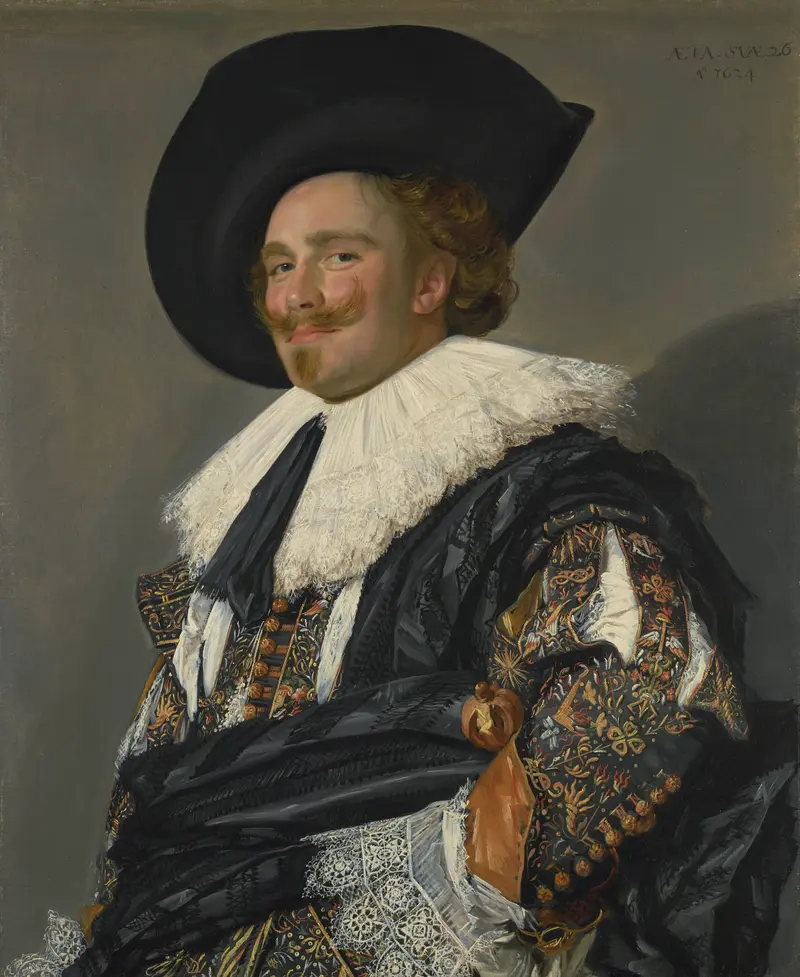
Laughing Cavalier
Frans Hals

Militia Company of District XI under the Command of Captain Reynier Reael, Known as ‘The Meagre Company’
Frans Hals
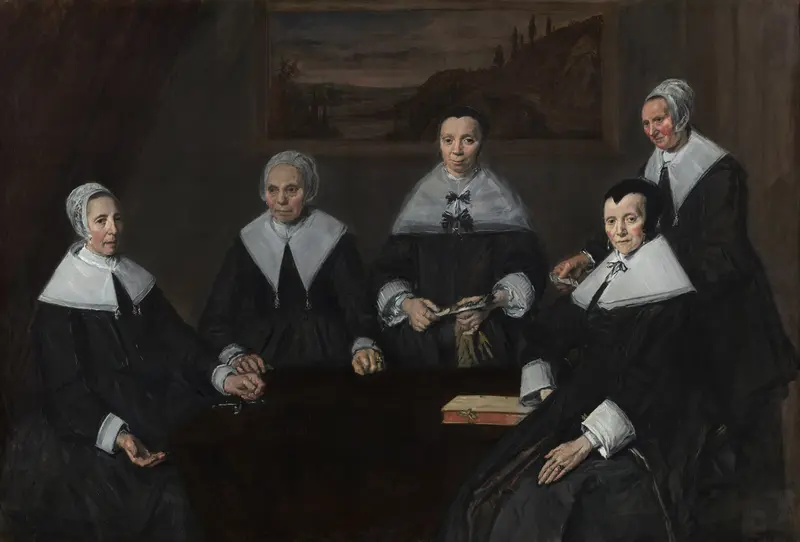
Regentesses of the Old Men's Alms House
Frans Hals
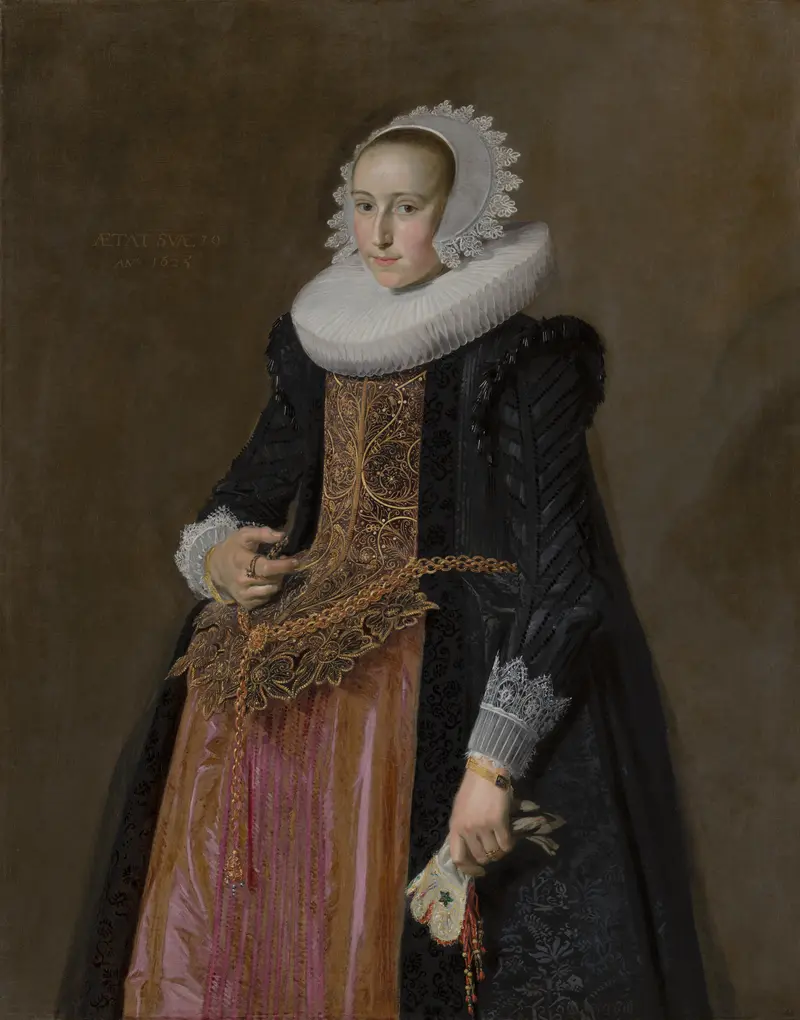
Portrait of Aletta Hanemans (1606–1653)
Frans Hals
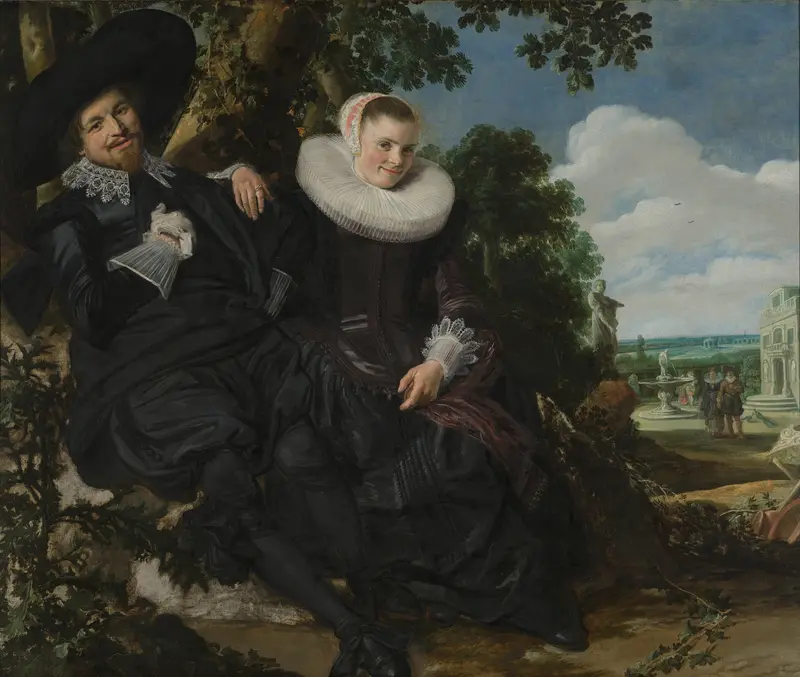
Portrait of a Married Couple, Likely Isaac Abrahamsz Massa and Beatrix van der Laen
Frans Hals
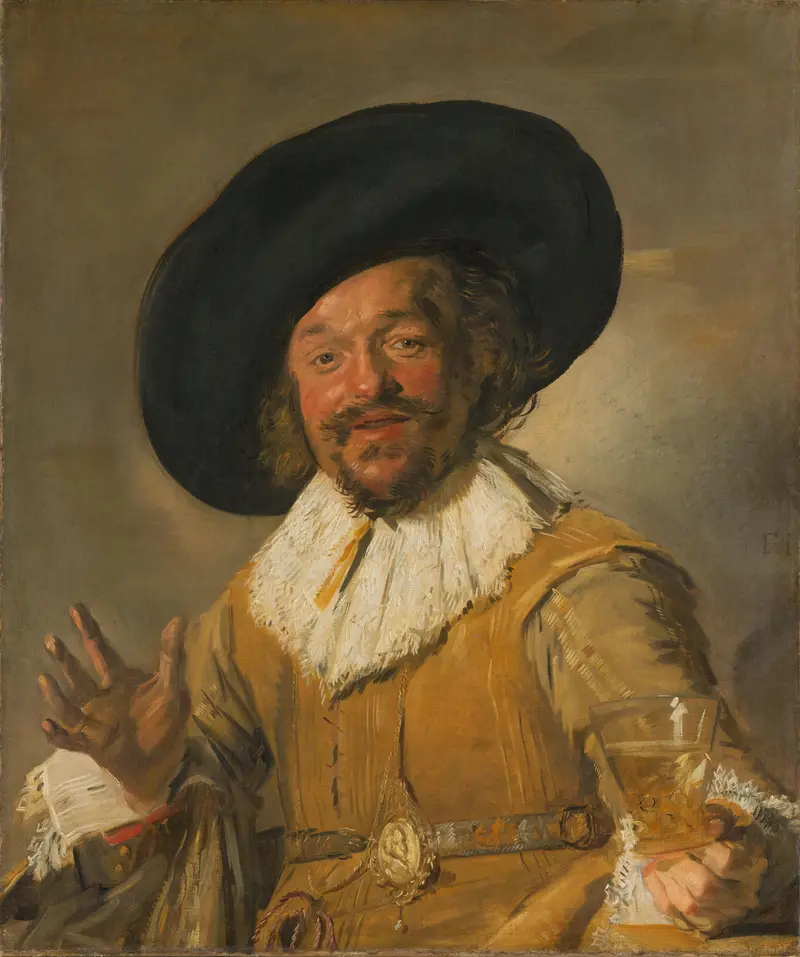
The Merry Drinker
Frans Hals
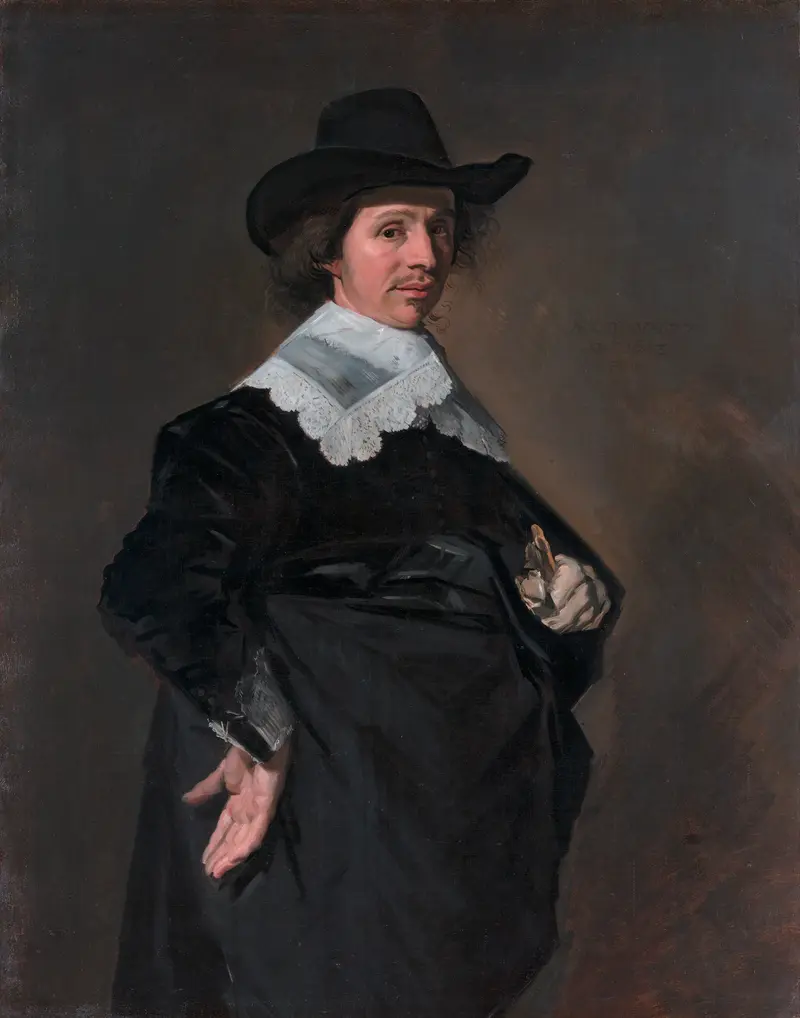
Portrait of Paulus Verschuur
Frans Hals
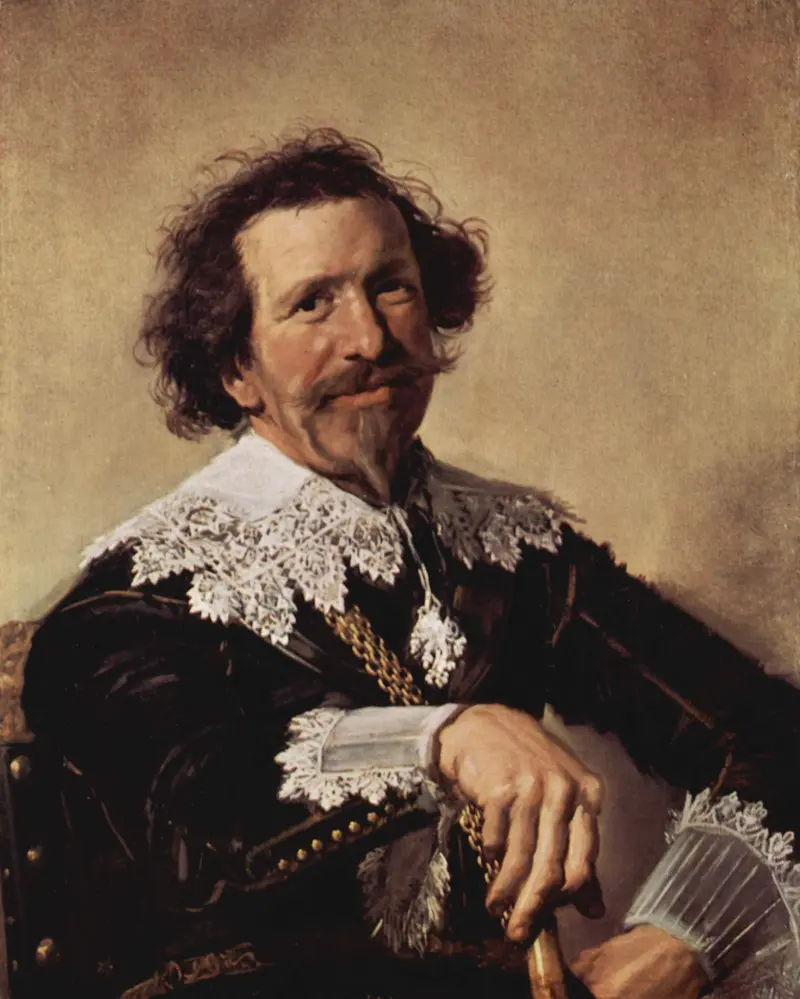
Portrait of Pieter van den Broecke
Frans Hals





