
Head of a boy — History & Facts
No one knows the name of the boy who gazes out from Head of a boy, but the immediacy of his presence has kept viewers guessing for centuries. Painted by Frans Hals around 1635, this portrait is a rare example of the artist’s fascination with youthful sitters—unusual in an era when most commissions celebrated wealth or status. Some historians have wondered whether this work was a study for a larger composition, or perhaps a demonstration piece for Hals’s studio.
The painting’s informality and spontaneity have led to debates about its purpose: was it a commission, a personal experiment, or a teaching tool? The boy’s head is turned slightly, his eyes bright and his lips parted as if caught mid-thought or on the verge of speech. Hals captures a fleeting expression with his signature loose brushwork, giving the flesh a sense of movement and life. Unlike the stiff, formal portraits of his contemporaries, such as Rembrandt’s more introspective studies, Hals’s approach is direct and lively—the light falls across the boy’s face, illuminating one cheek and leaving the background in shadow, focusing all attention on the sitter’s youthful energy.
There are no props or elaborate costumes: the simplicity of the composition invites us to consider the boy as an individual, not a symbol. The history of Head of a boy as an object remains somewhat mysterious, as is often the case with smaller works by Frans Hals. Its medium is not definitively recorded, and there is little documentation about its early provenance or collectors. What is certain is that it belongs to a group of informal portraits and studies that reveal Hals’s innovative approach to portraiture during the Dutch Golden Age.
Today, the painting is valued for its immediacy and for what it tells us about Hals’s working methods—his ability to capture the vitality of his subjects with just a few confident strokes.
More Artworks by Frans Hals

Banquet of the Officers of the St George Civic Guard
Frans Hals

Portrait of Jacob Pietersz Olycan (1596-1638)
Frans Hals
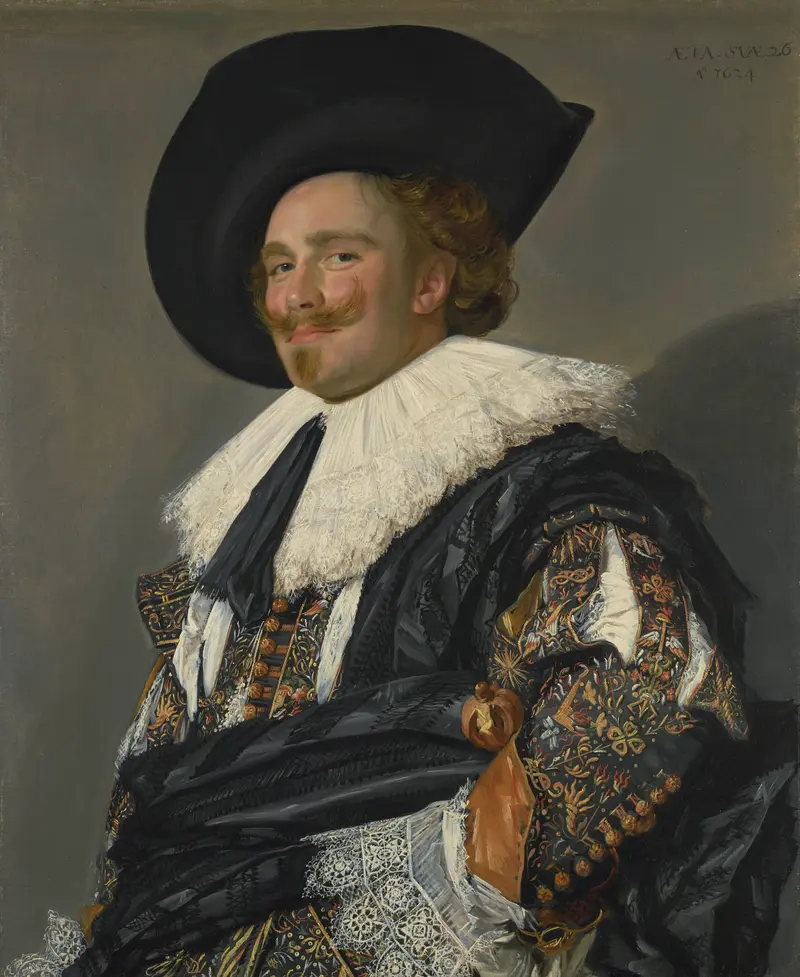
Laughing Cavalier
Frans Hals

Militia Company of District XI under the Command of Captain Reynier Reael, Known as ‘The Meagre Company’
Frans Hals
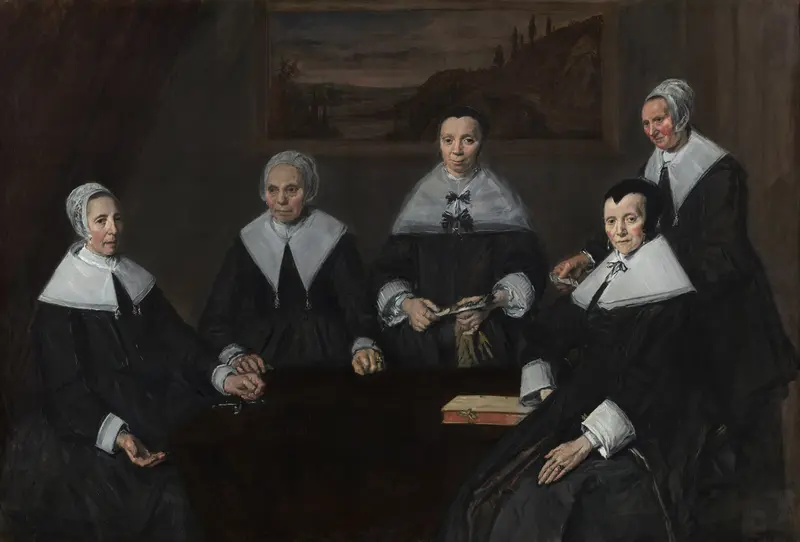
Regentesses of the Old Men's Alms House
Frans Hals
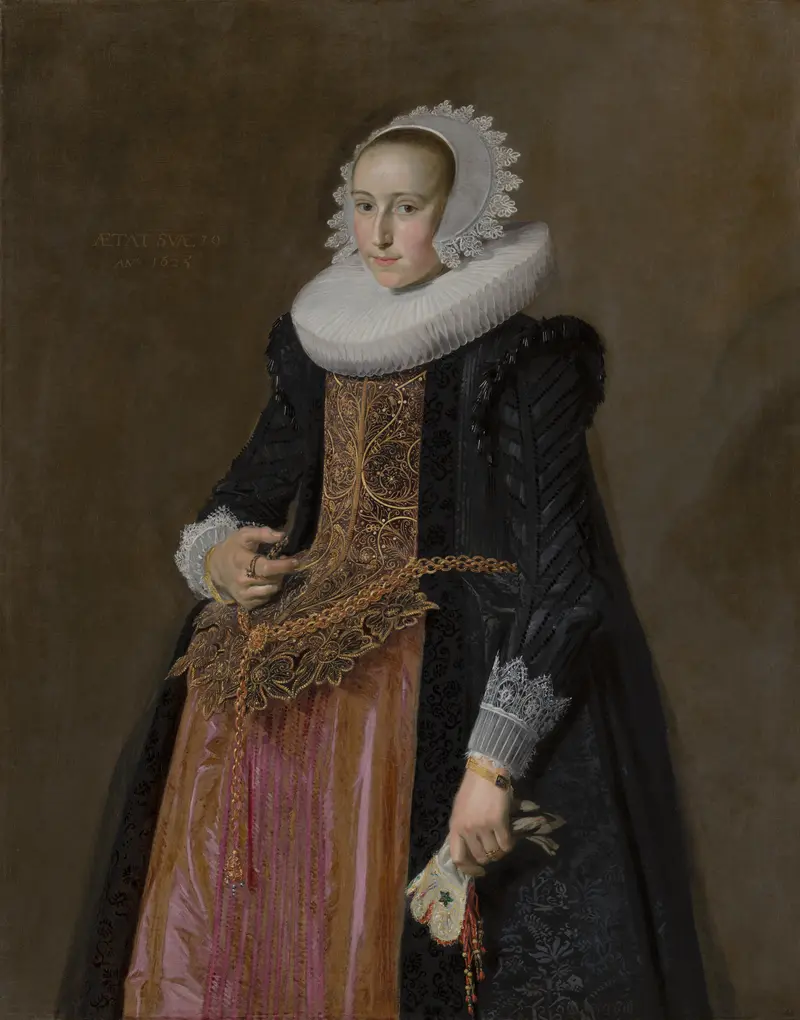
Portrait of Aletta Hanemans (1606–1653)
Frans Hals
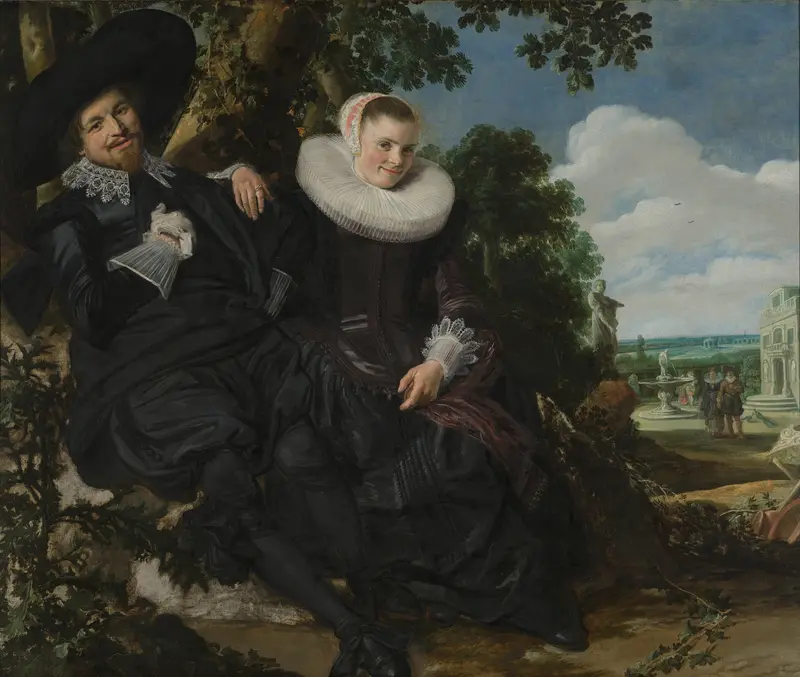
Portrait of a Married Couple, Likely Isaac Abrahamsz Massa and Beatrix van der Laen
Frans Hals
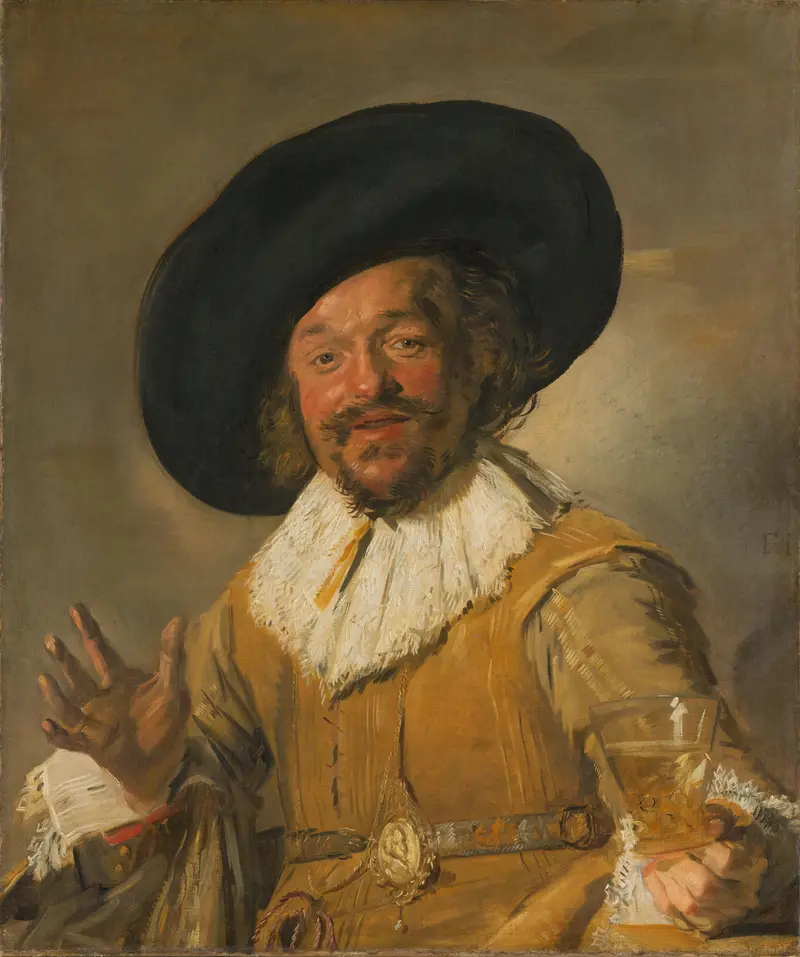
The Merry Drinker
Frans Hals
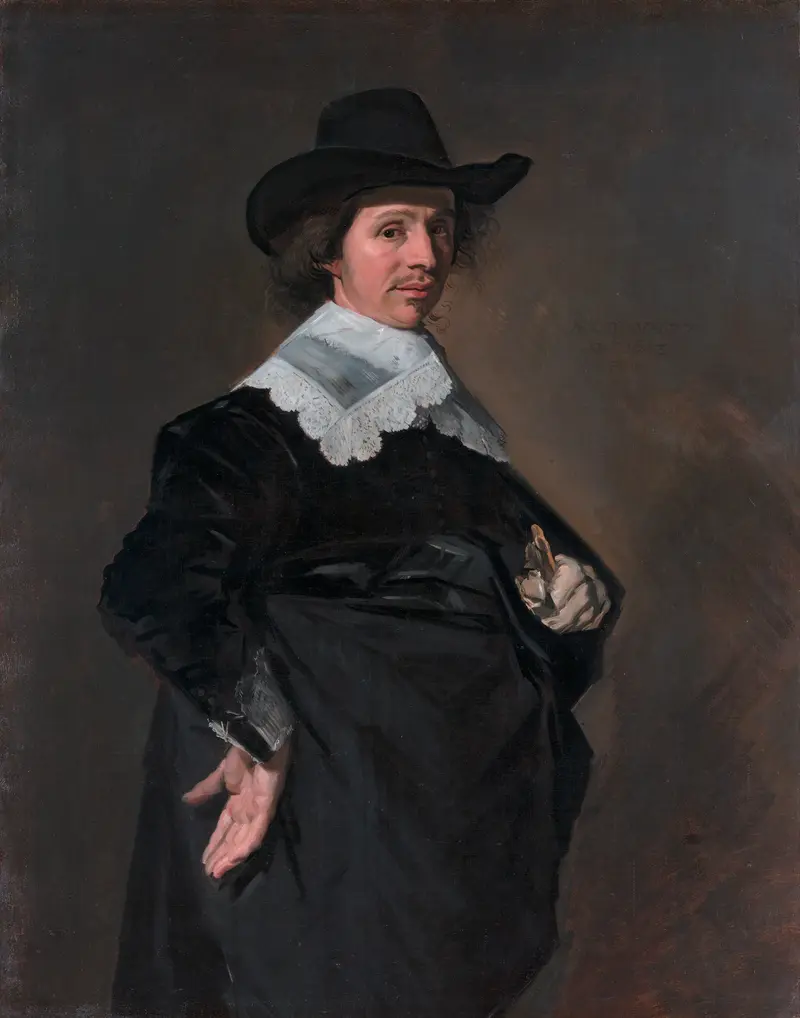
Portrait of Paulus Verschuur
Frans Hals
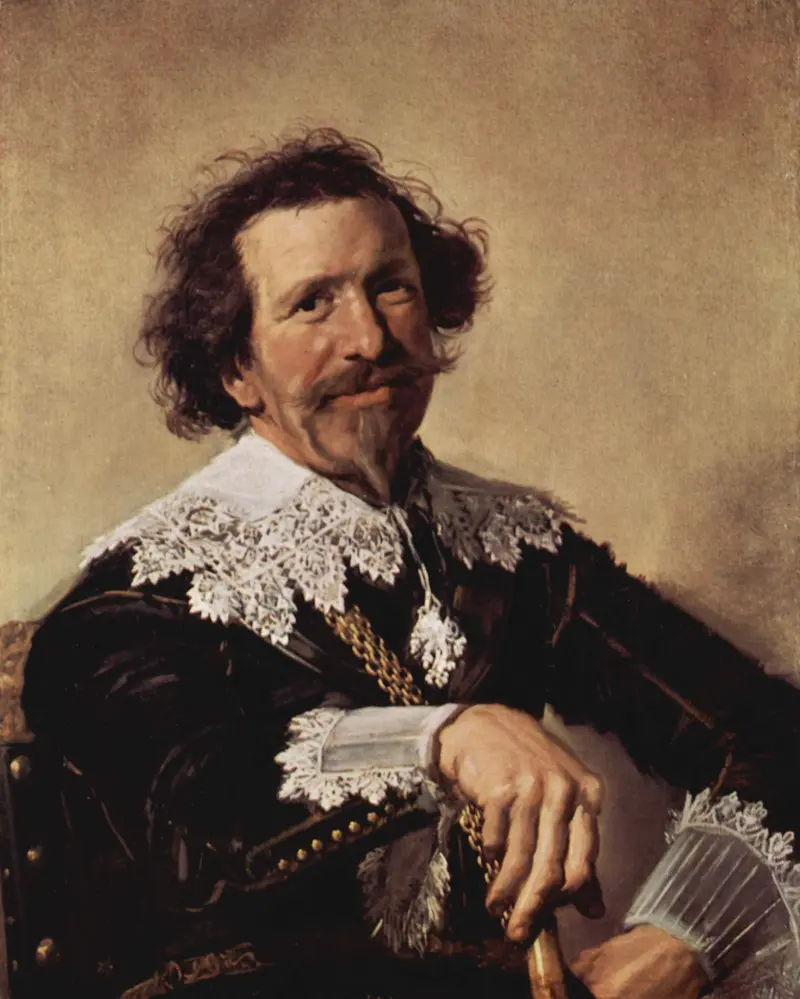
Portrait of Pieter van den Broecke
Frans Hals





