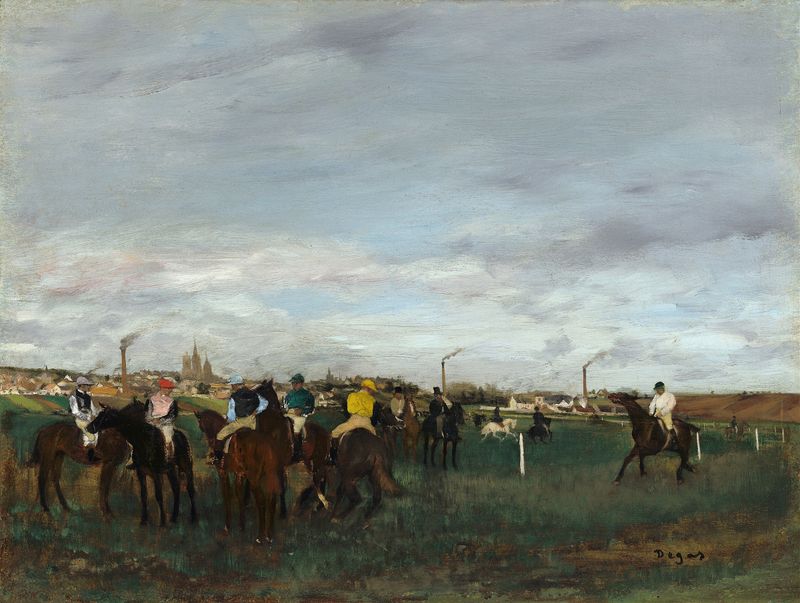
Head of a Cat — History & Facts
The head of a cat, painted with an exquisite precision, quietly gazes back at us, holding the secrets of its world within its enigmatic eyes. Each stroke carries a weight that transcends its simple subject, inviting the viewer to explore the delicate nuances of fur and shadow. Focus on the intense gaze of the cat, where vibrant colors meld seamlessly into soft transitions of light and shadow. Notice how the artist’s meticulous attention to detail transforms the creature's whiskers into delicate threads, almost alive against the stark background.
The careful use of color not only brings depth but also creates a rich tapestry of emotions that radiate from the cat's expression, captivating the viewer's gaze. In this work, Hollar captures the contrast between the fierce independence of the feline and the softness of its form. The stark juxtaposition of light and dark evokes a sense of mystery, as if the cat exists in a world both familiar and unknowable. The tension between the delicate features and the powerful gaze encapsulates the duality of nature—it can be both tender and formidable, a reflection of the life it embodies. Wenceslaus Hollar created this piece in 1646 while living in London after fleeing his native Bohemia.
The mid-17th century was a time of great change in the world of art, marked by the transition from the Baroque to the Rococo style. Hollar, renowned for his detailed engravings and drawings, was exploring the depths of naturalistic representation, capturing the essence of his subjects in profound yet understated ways.
More Artworks by Wenceslaus Hollar
Browse all →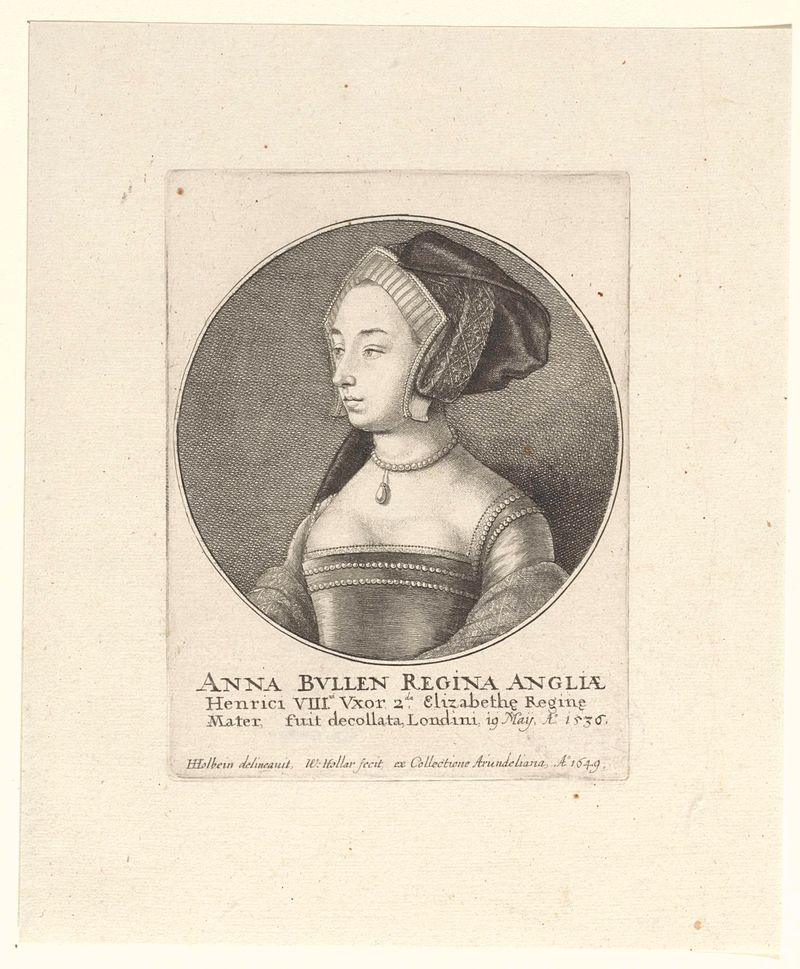
Portret van Anna Boleyn, koningin van Engeland
Wenceslaus Hollar
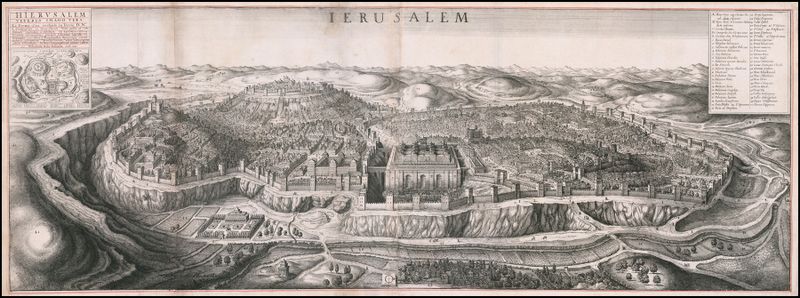
Bird’s eye view of Jerusalem
Wenceslaus Hollar
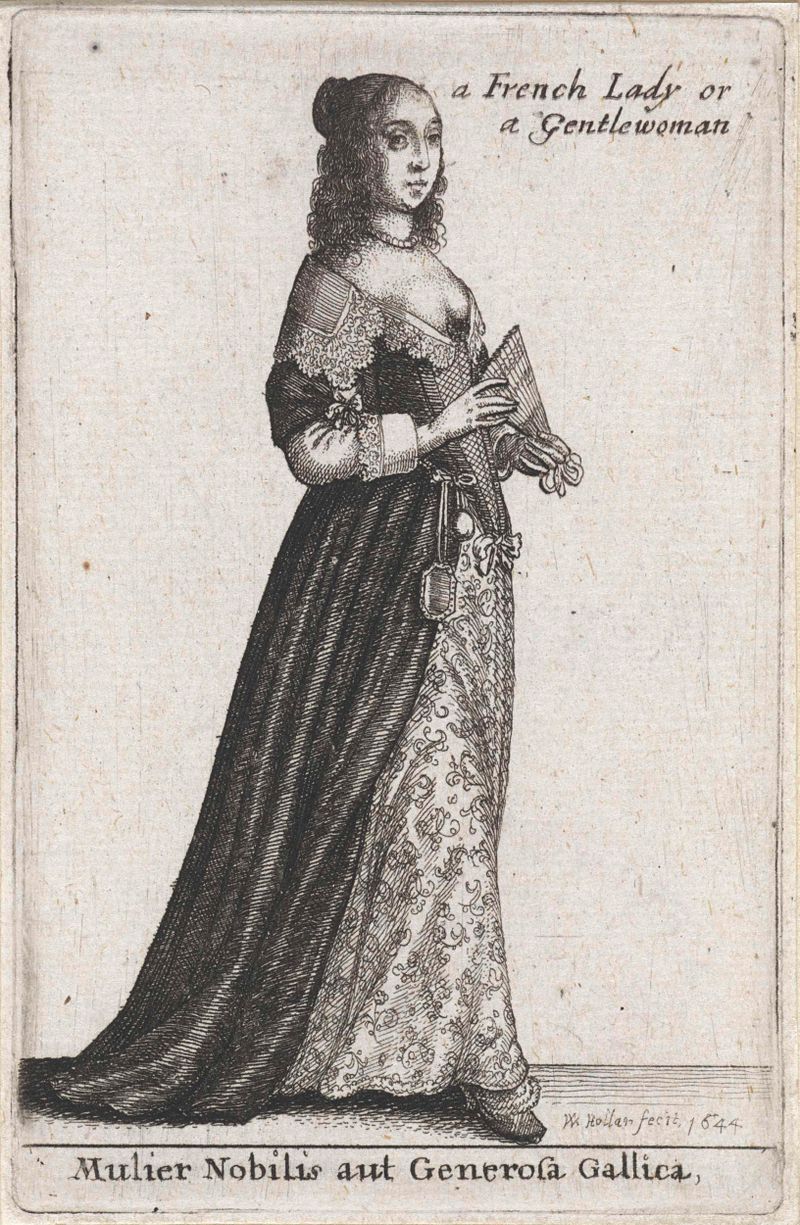
Mulier Nobilis aut Generosa Gallica / a French Lady or Gentlewoman
Wenceslaus Hollar
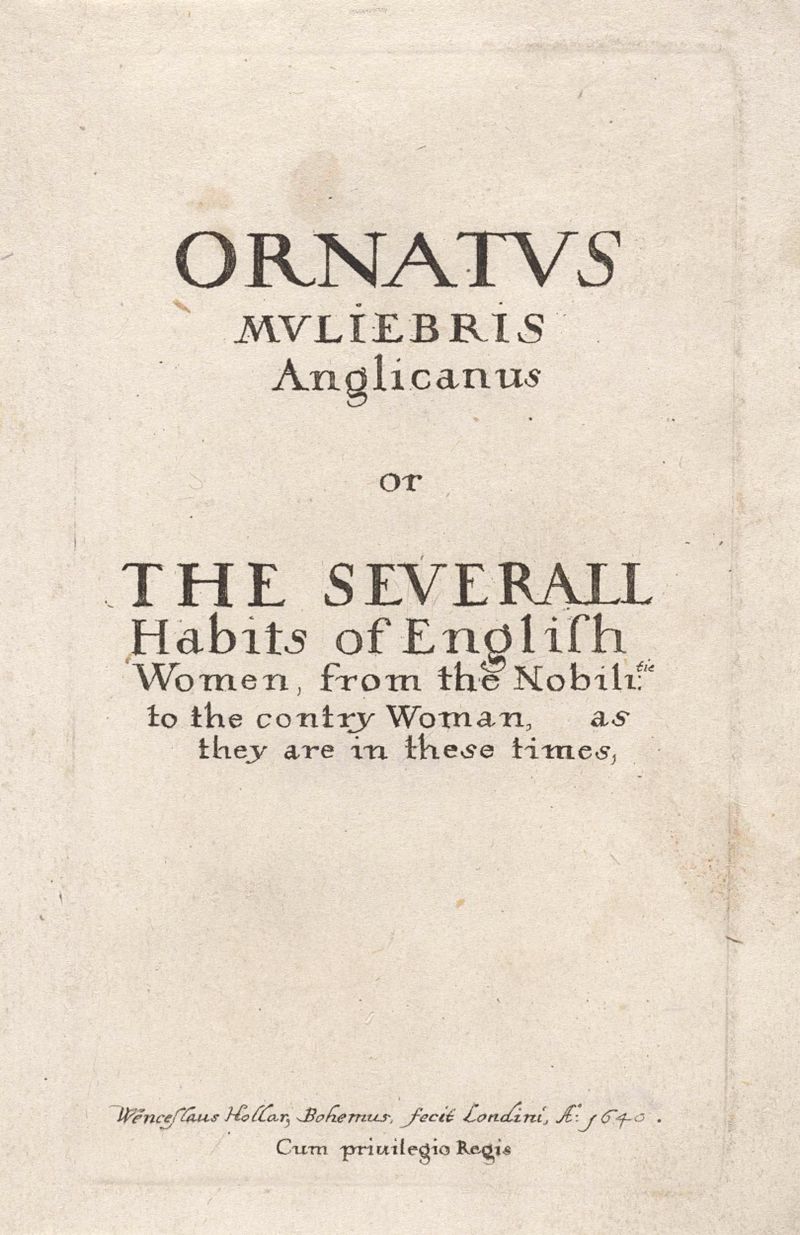
Titelprent voor: Ornatus Muliebris Anglicanus
Wenceslaus Hollar
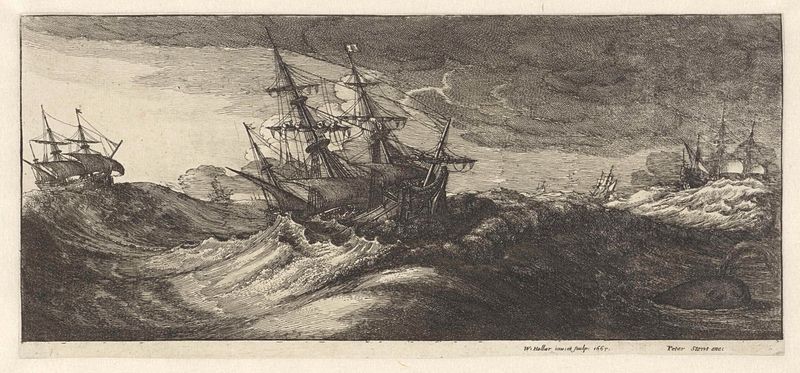
Oorlogsschepen en een walvis in een zeestorm
Wenceslaus Hollar
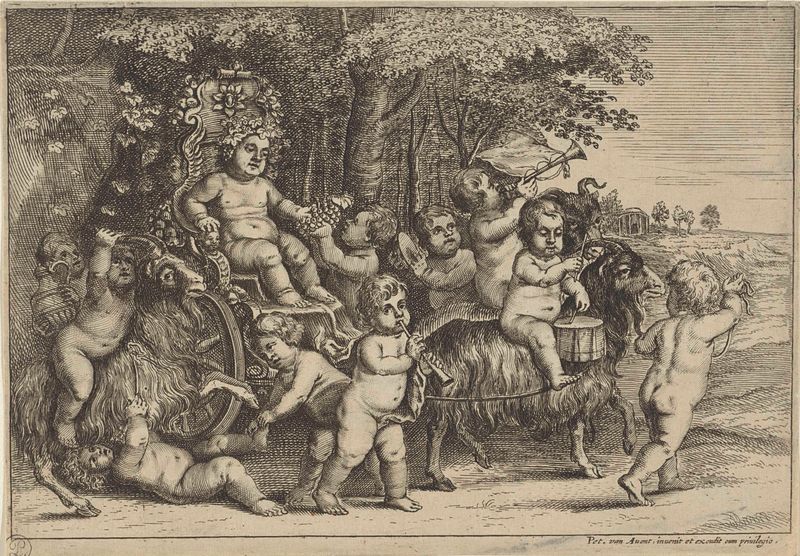
Optocht van bacchant en jongetjes op geiten
Wenceslaus Hollar
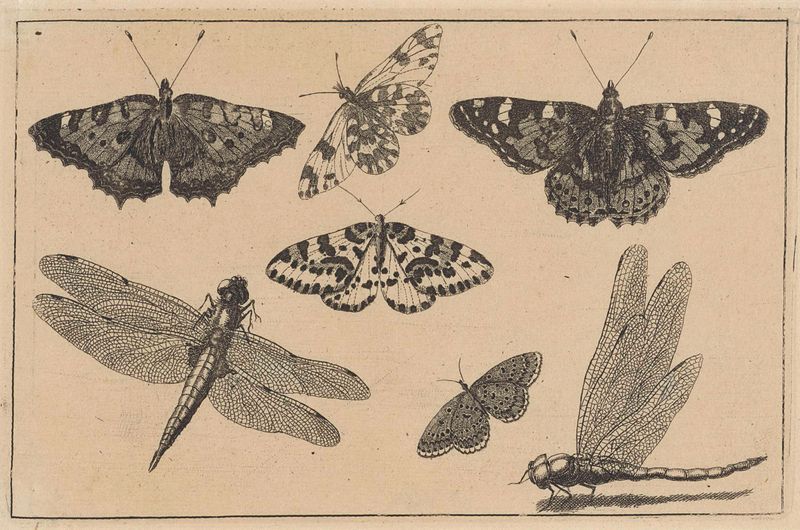
Twee libellen en vijf vlinders
Wenceslaus Hollar
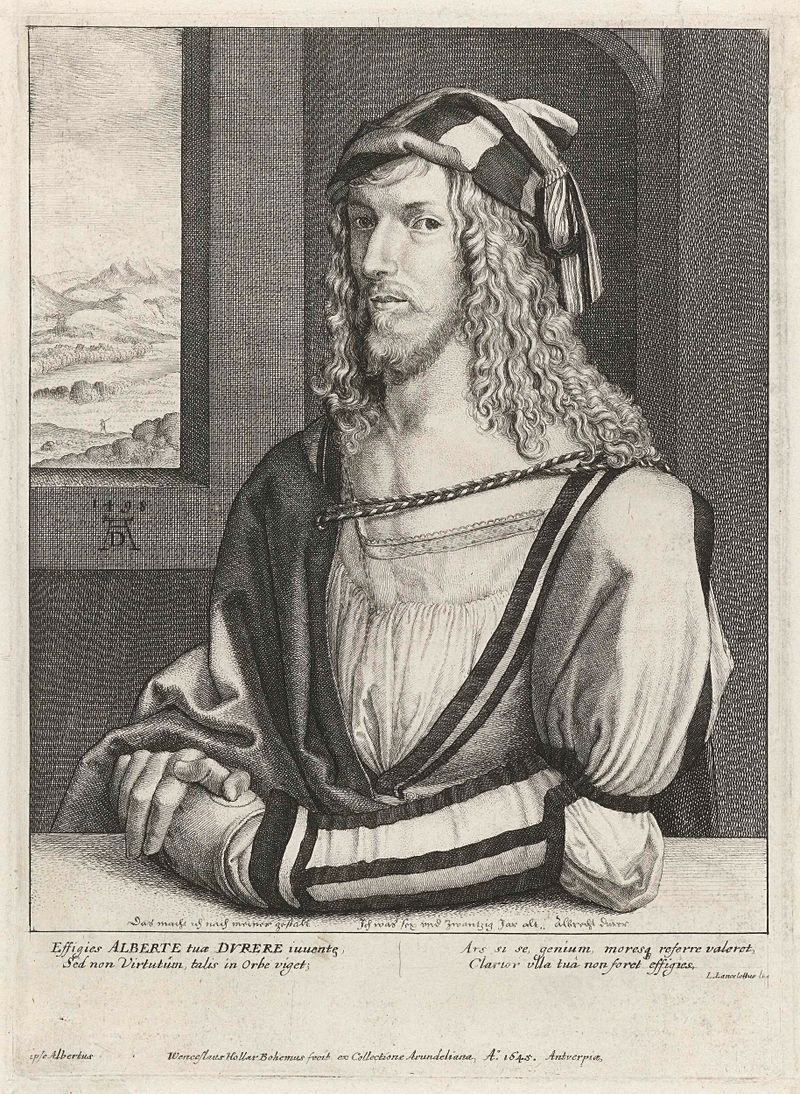
Portret van Albrecht Dürer
Wenceslaus Hollar
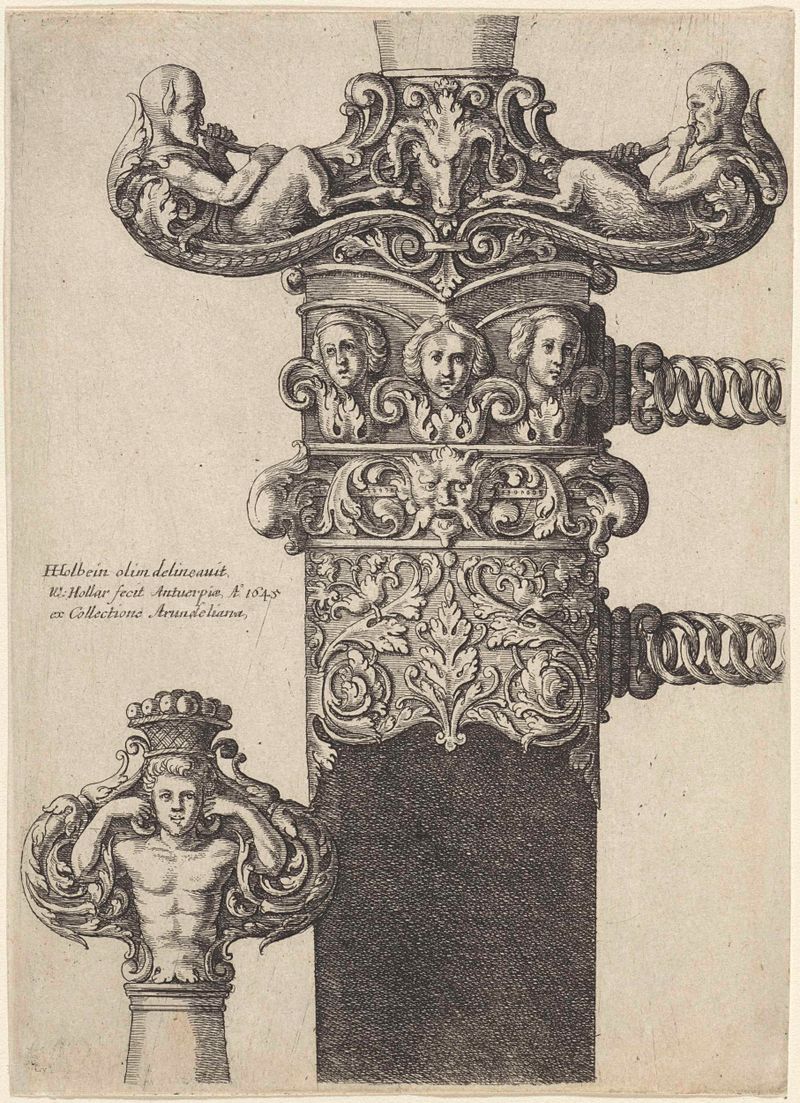
Ornamenteel ontwerp voor een dolk
Wenceslaus Hollar
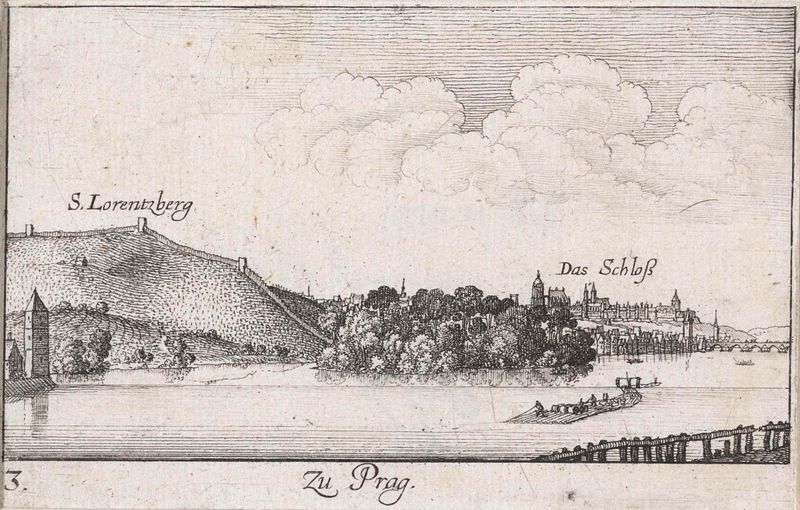
Gezicht op Praag vanaf de Moldau
Wenceslaus Hollar