
Head of a Young Fisherman. Study — History & Facts
What first catches the eye in Head of a Young Fisherman. Study by August Hagborg is the direct, almost wary gaze of the sitter—a young man whose weathered hat and sunburned cheeks speak of long days spent at sea. The artist’s brush lingers on the glint of light in the boy’s eyes and the rough texture of his oilskin, drawing us into a moment of quiet alertness.
The background is pared down to a cool, neutral haze, forcing all attention onto the youth’s face and the subtle tension in his lips. Hagborg’s palette is earthy and restrained, echoing the practical world of fishermen, while the loose, confident strokes on the coat and hat suggest movement and the ever-present wind. Every detail, from the frayed hat strings to the flush of exertion on the boy’s cheek, is a clue to his world—hard, honest, and shaped by the elements. This painting belongs to a tradition that flourished in northern Europe in the late nineteenth century, when artists sought the dignity of working people and the drama of everyday life.
Painters like Hagborg were drawn to the fishing villages of Sweden and France, where they found subjects whose lives were shaped by the rhythms of nature and labor. Such studies were rarely grand commissions; they were often painted for exhibitions or private collectors eager for a glimpse into a vanishing rural world. The date of this work remains unknown, and its journey is largely unrecorded, but today it forms part of the collection at the Nationalmuseum, as documented by Linn Ahlgren.
Look again at the boy’s expression: it is not just a portrait, but a window into the era’s fascination with the strength and vulnerability of ordinary lives.
More Artworks by August Hagborg
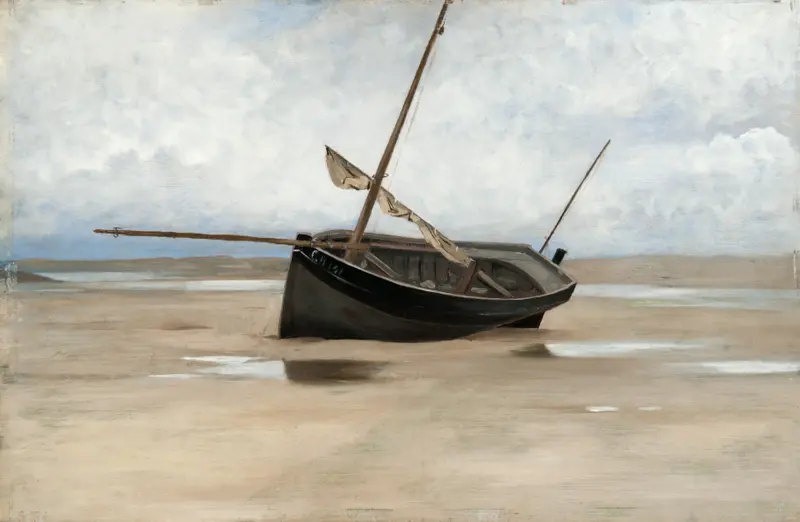
Boat on Shore
August Hagborg
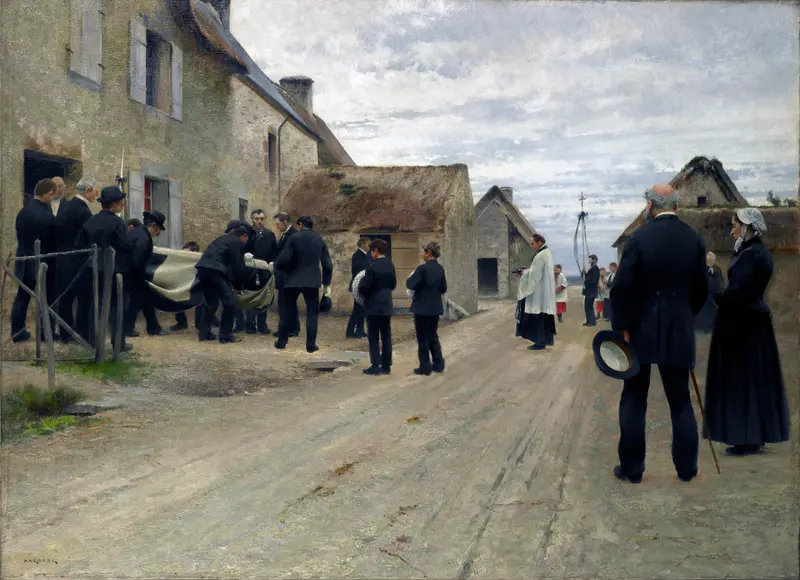
Burial of a Sailor in a Manche Village
August Hagborg
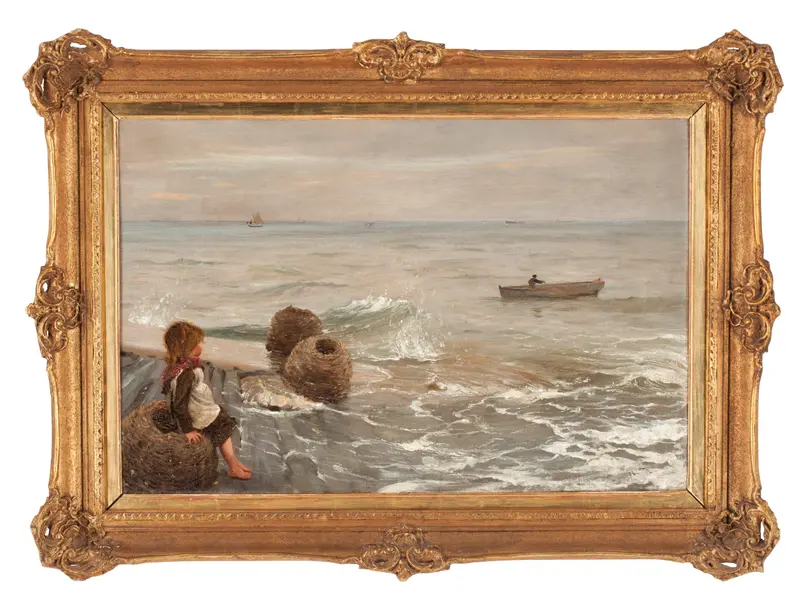
Flicka vid kaj
August Hagborg
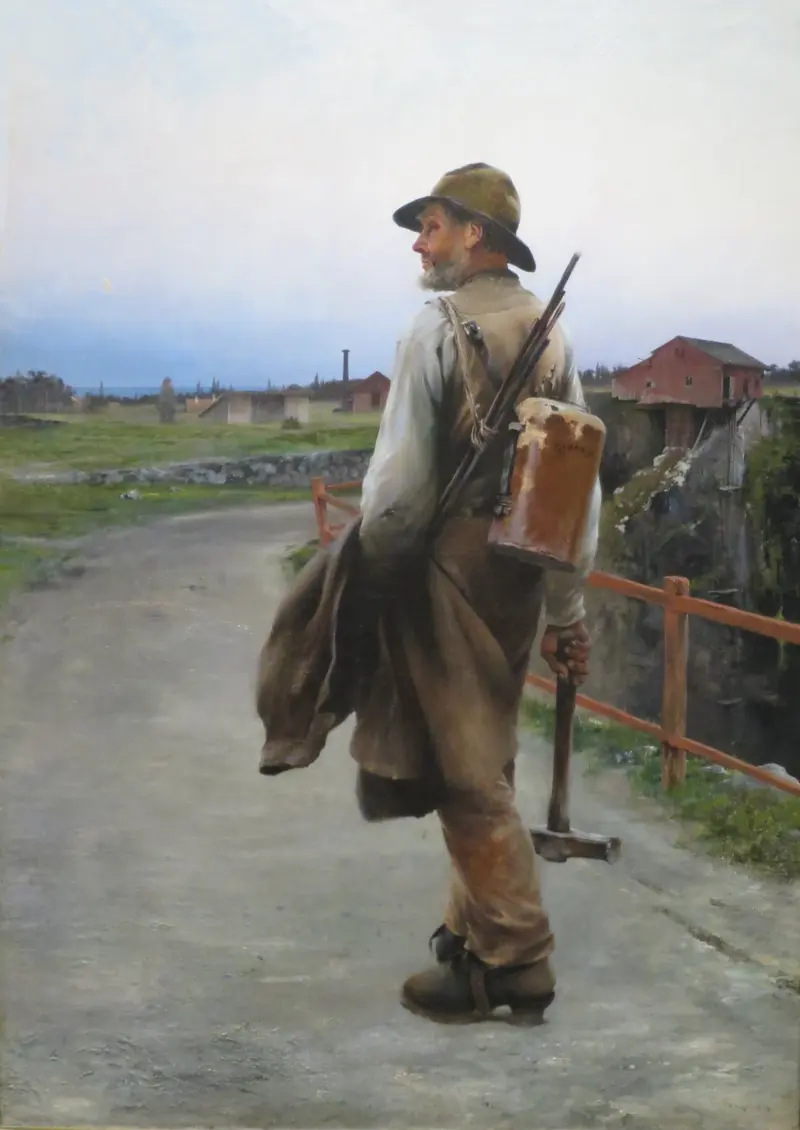
A Miner
August Hagborg
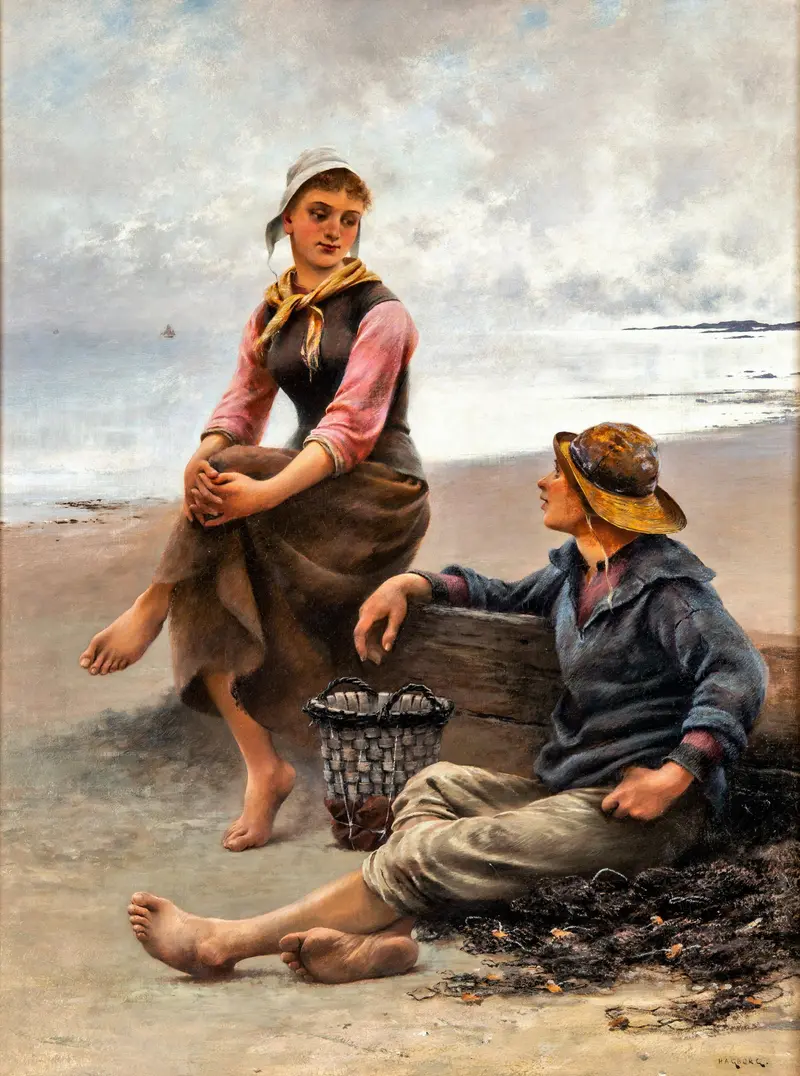
Fisherman and his Maiden
August Hagborg
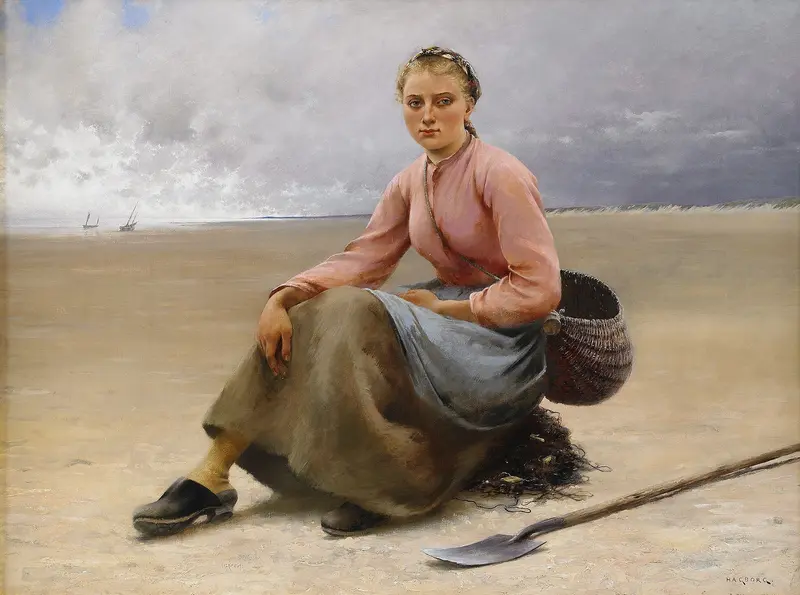
Ostronplockerska Bretagne
August Hagborg
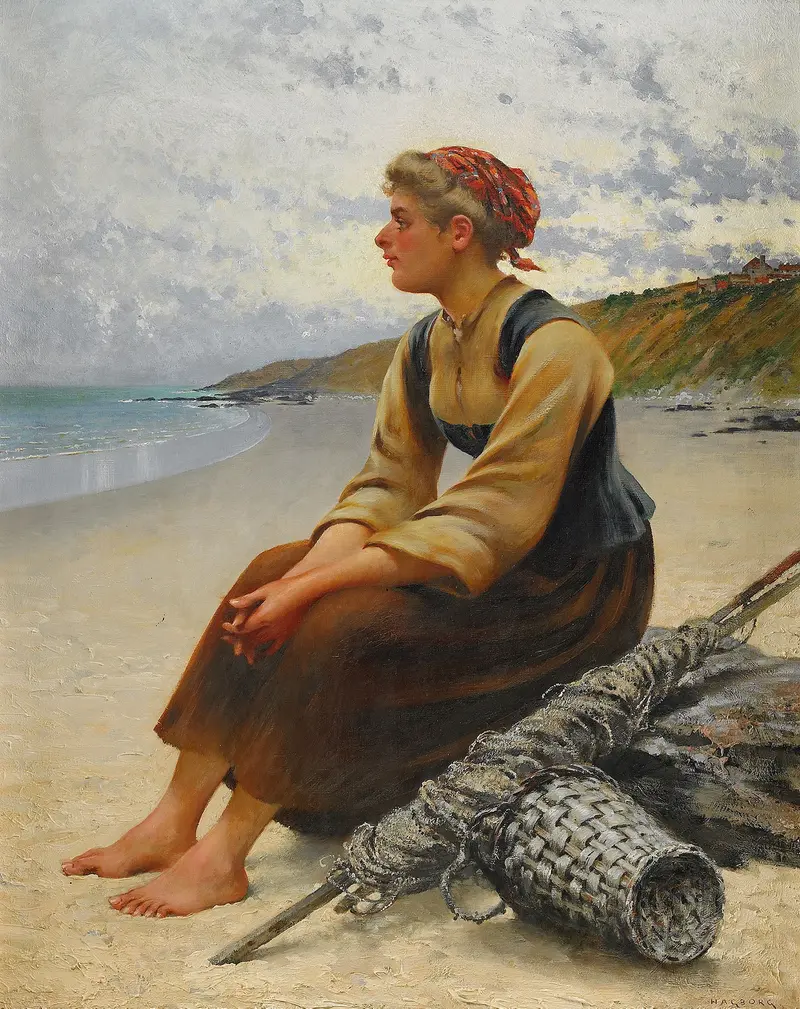
Ostronplockerska på stranden
August Hagborg
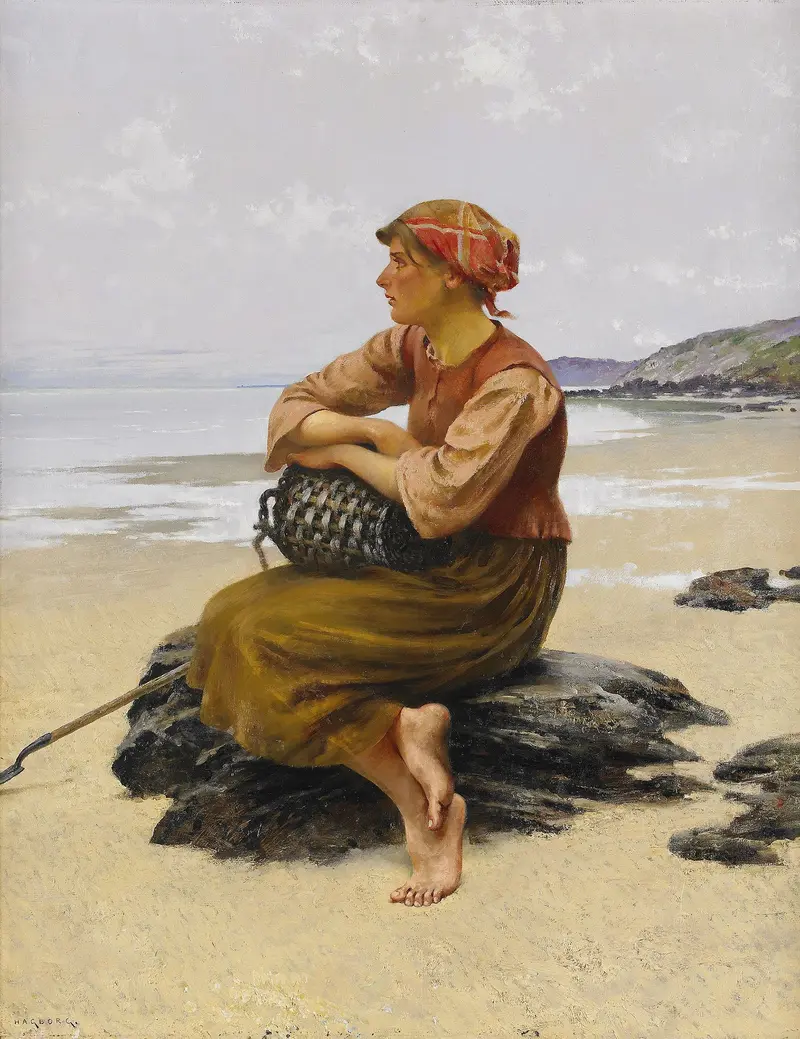
Sittande ostronplockerska på stranden
August Hagborg
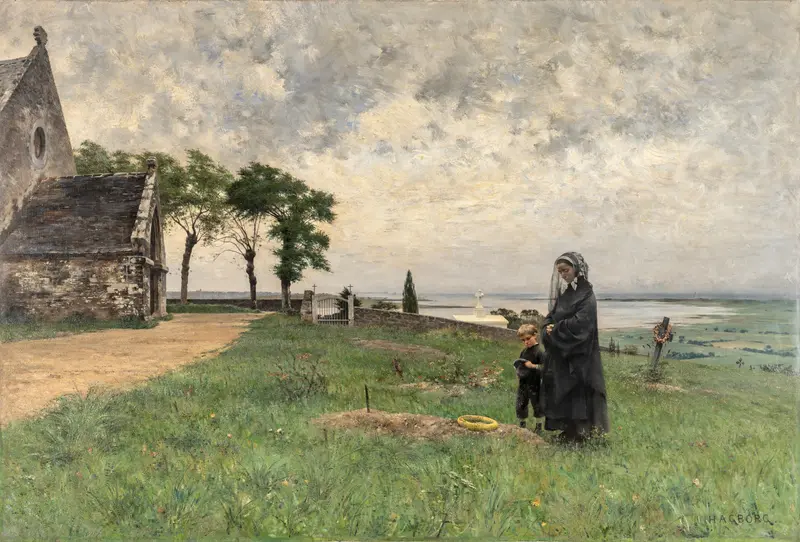
The Cemetery at Tourville
August Hagborg
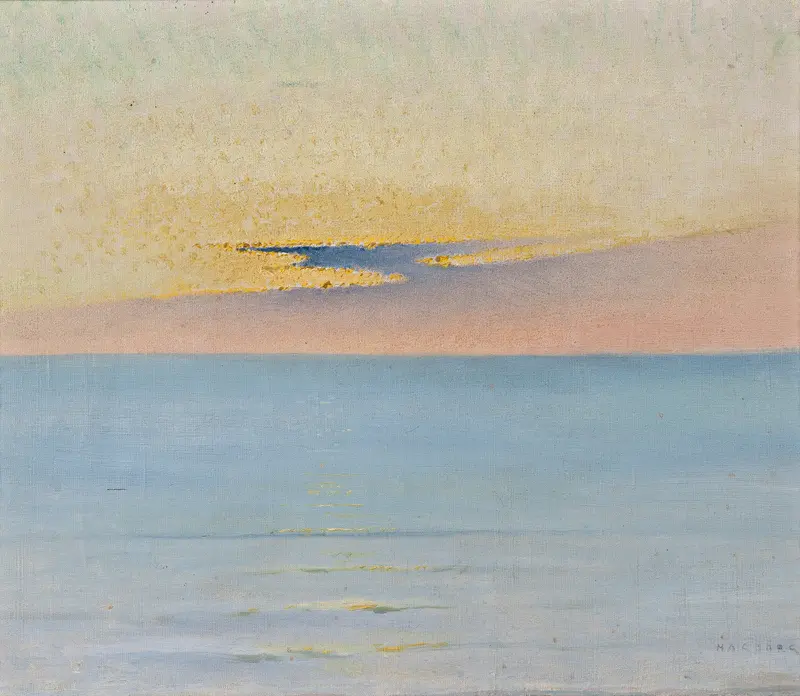
Sea in Sunset
August Hagborg





