
Hebron — History & Facts
Can beauty exist without sorrow? In the delicate hands of François Stroobant, this question finds a haunting resonance, inviting contemplation of innocence amidst a world shaped by the shadows of history. Look to the left at the serene landscape that unfurls with gentle slopes and lush greenery, where the light dances tenderly on the ground, casting soft hues of gold and emerald. The composition reveals a harmonious blend of natural elements, with a clear sky above and figures rendered almost as ethereal silhouettes, suggesting a transient moment caught in time. Notice how the warm, inviting palette contrasts with the deeper tones lurking in the background, hinting at a complexity that evokes both peace and an undercurrent of tension. Delve deeper into the emotions captured in the brushstrokes: the gentle portrayal of the figures may initially evoke innocence, but subtle details—like their distant gazes or the swirling clouds—suggest a longing or the weight of unspoken truths.
Here, each element contributes to a narrative that intertwines beauty and melancholy, reminding us that innocence often coexists with the fragility of existence. Stroobant's masterful use of light and shadow articulates this duality, rendering a scene that both soothes and disturbs. Painted in 1852, this artwork emerged during Stroobant's prolific years in Belgium, a time marked by political unrest and social change. The artist, influenced by Romanticism's emphasis on emotion and nature, found inspiration in the landscape around him, crafting works that spoke to both personal and collective experiences.
As the world grappled with its own turmoil, Stroobant's vision encapsulated a fleeting moment of beauty—a reminder of innocence in a complex world.
More Artworks by François Stroobant
Browse all →
Interior of the church of Notre Dame du Sablon at Brussels
François Stroobant
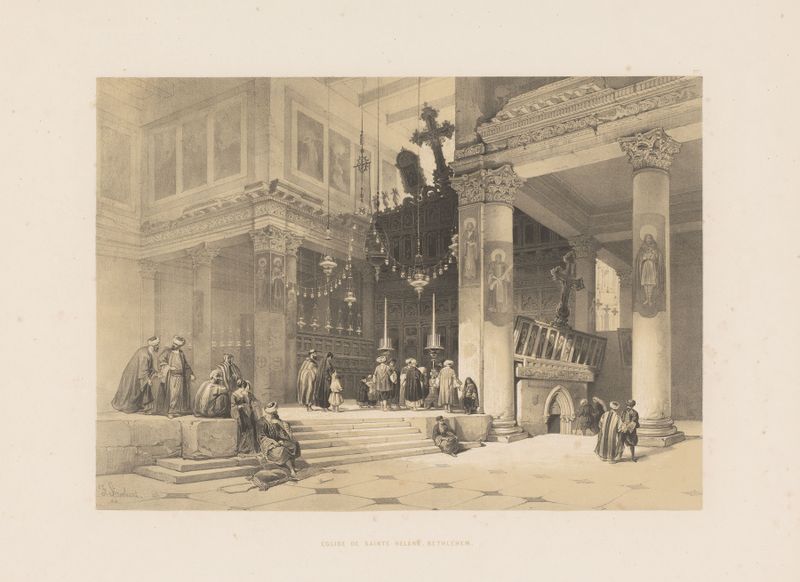
Église de sainte Hélène. Bethléhem
François Stroobant
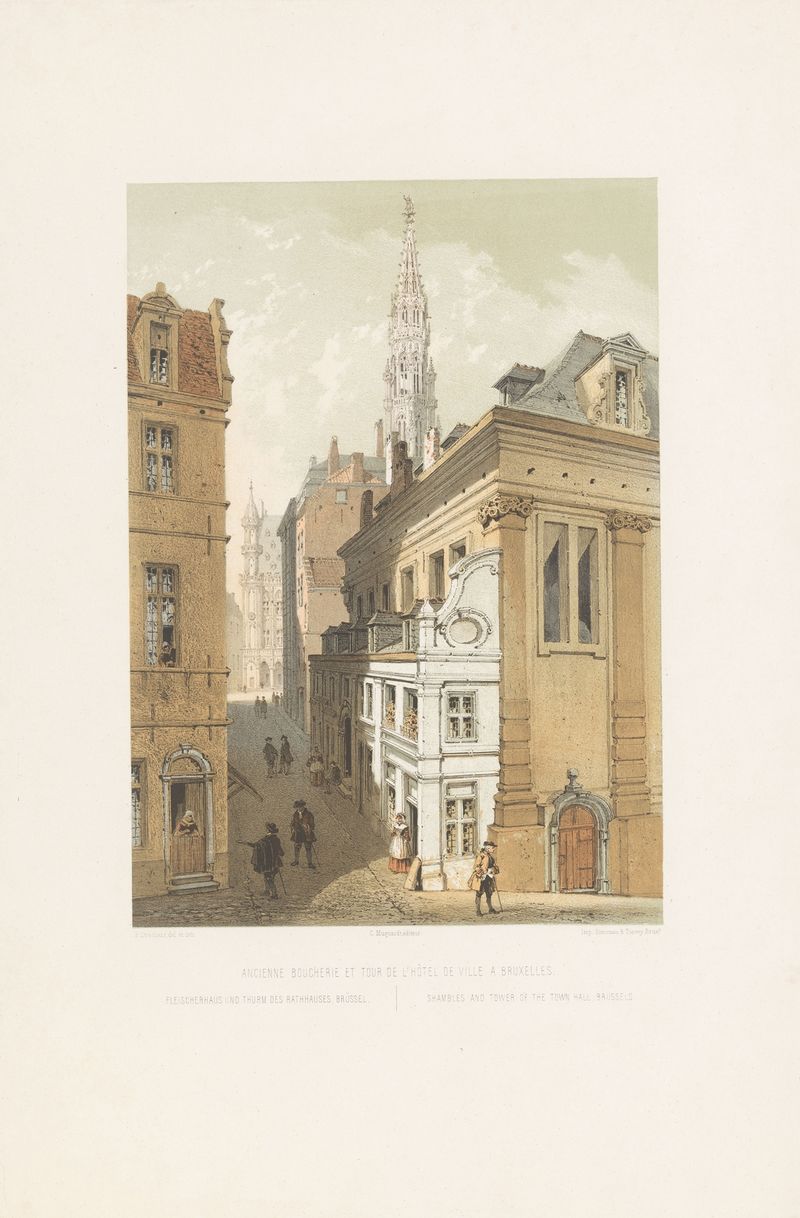
Shambles and tower of the town hall, Brussels
François Stroobant

Intérieur de l’église Grecque du Saint-Sépulcre
François Stroobant
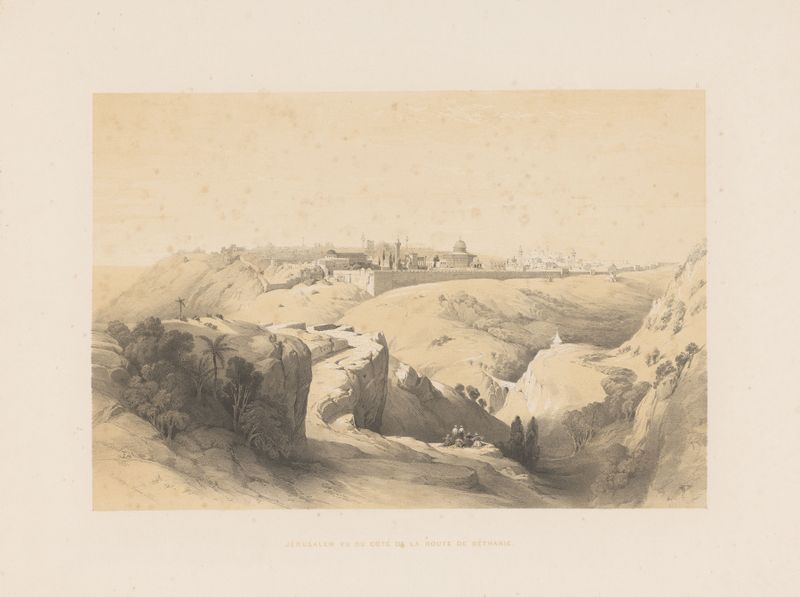
Jérusalem vu du coté de la route de Béthanie
François Stroobant

Le tabernacle du Saint-Sépulcre
François Stroobant

Town hall Brussels
François Stroobant

Fontaine de Jacob à Sichem
François Stroobant
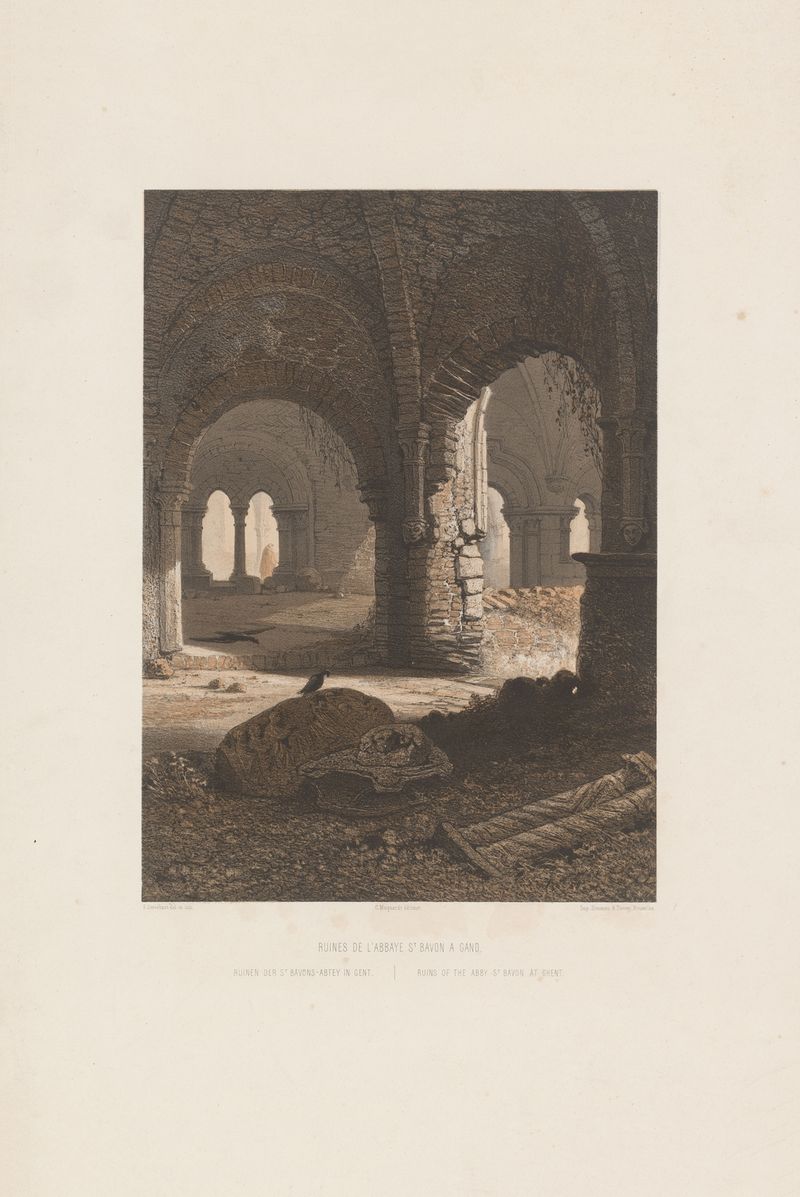
Ruins of the abby St Bavon at Ghent
François Stroobant

Vue de Naplouse
François Stroobant





